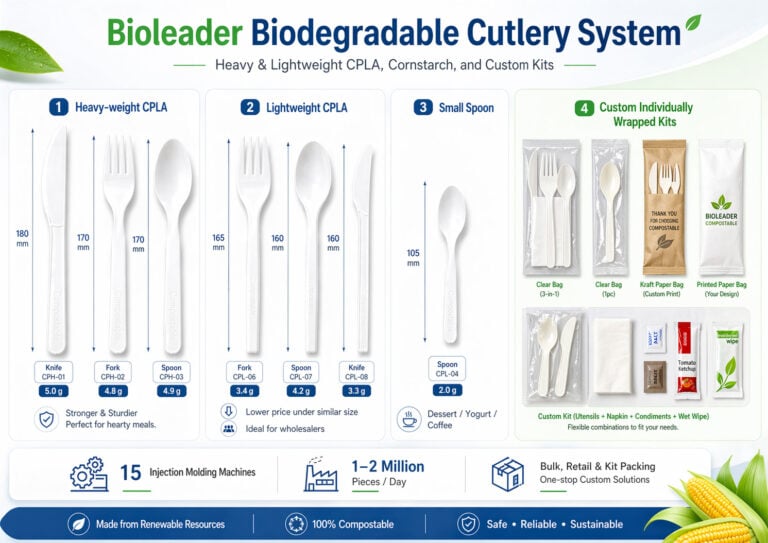
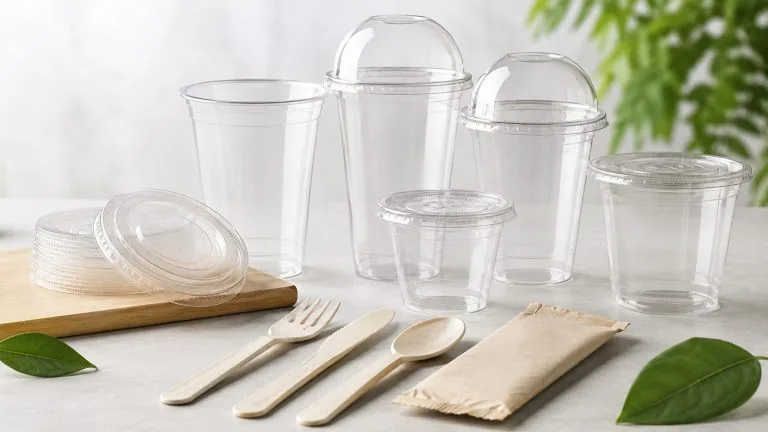
Sustainable Packaging Comparison Compliance Checklist | Bioleader® Sustainable Packaging

Actionable coverage of Sustainable Packaging Comparison: eco-friendly, biodegradable, compostable materials, performance data, and compliance under EN13432 & ASTM D6400. Includes BPI/TÜV references and Food-Contact Tested guidance for safe deployment. Buyer-focused: manufacturer insights, bulk/wholesale buying playbooks, OEM/ODM customization tips, full size range selection.
Sustainable Packaging Comparison — Quick Summary
  • Items displayed (articles): 12
  • Last updated: 2025-10-25
  • Includes test data, compliance guides, buyer FAQs, and real-world use cases.

Editor’s Picks: Top Sustainable Packaging Comparison Guides 2026

FAQ of Bioleader's Eco-friendly Disposable Tableware

1. What are disposable food trays with lids typically used for?

They are widely used in foodservice settings such as takeout, meal prep, catering, and airline meals. The trays offer secure food separation and freshness, making them ideal for combo meals, bento boxes, and heat-and-serve packaging.

1. What are disposable bagasse food trays made of?

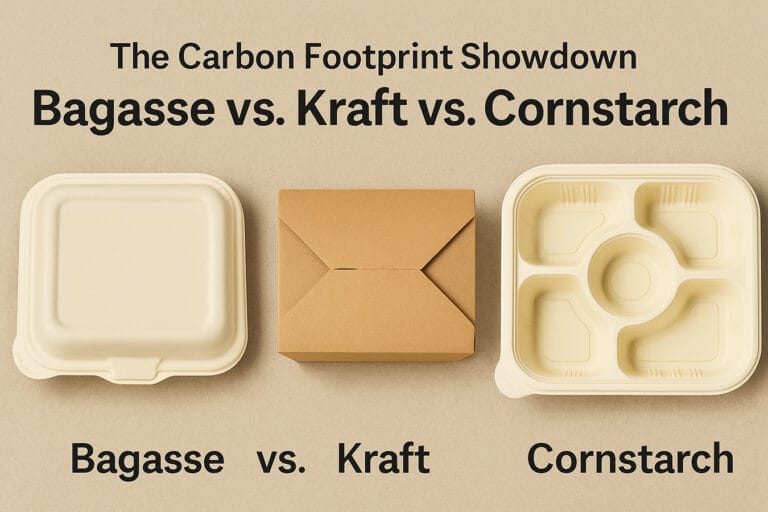
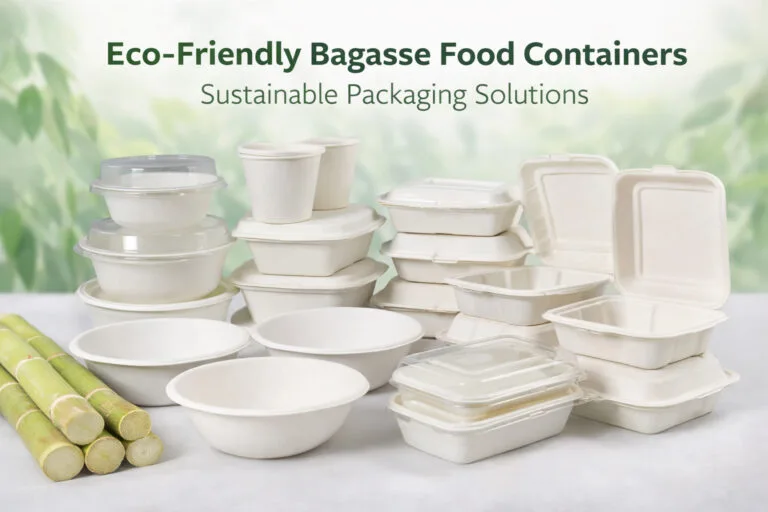
They are made from sugarcane bagasse—the fibrous byproduct left after extracting juice from sugarcane. This renewable material is molded into durable trays that are compostable, biodegradable, and plastic-free — Sustainable Packaging Comparison.

Meal Prep and Ready Meals

Prepared meal brands and supermarket food counters can use this tray for organized, stackable, and easy-to-handle packaging , Sustainable Packaging Comparison. The square format also supports cleaner shelf presentation.

Kraft (Virgin/Recycled) Converting

Kraft paper and paperboard (virgin or recycled) are widely available and support many forming methods (die-cut trays, cups, folding cartons). Barrier coatings (oil/grease/water) drive both performance and EoL fate. Where recycling systems accept food-contact paper—and soil levels remain low—kraft maintains a preferred EoL route; but heavy oiling or laminated barriers can divert items to residual waste streams — Sustainable Packaging Comparison. For general hot/cold and high-moisture/dry use cases (especially cold salads, dry snacks, and bakery), kraft’s universality and cost curve can be compelling.

Cornstarch-Based Biopolymers

Starch-based bioplastics (and blends) enable microwaveable, stiff, and sometimes transparent or contoured designs. However, compostability claims must anchor to recognized standards (e.g., ASTM D6400 for US markets; EN 13432 for EU) and to infrastructure reality—i.e., whether municipal/industrial composting exists and accepts the article. Without access to appropriate composting, nominal “compostable” advantages may not materialize; labeling must not overpromise. LCA Results: CO₂e by Life-Cycle Stage
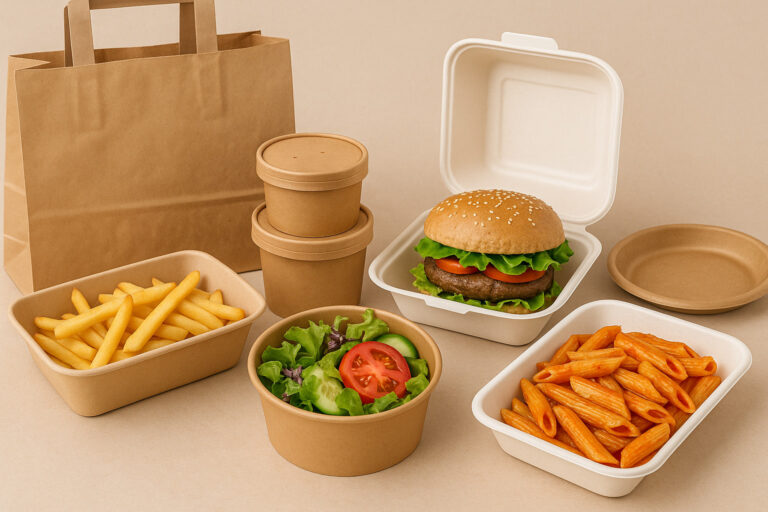
Related Insights

🚀Ready to Go Green and Choose ?

Join the global movement toward zero-waste packaging.


Bioleader® offers:

  • 📦 Bulk order support & fast delivery

  • ✍️ Custom branding and OEM solutions

  • 🌍 Worldwide eco-packaging compliance

Get the Catalogue Products List  & Contact Us Now! 👉

Contact us Below

Click or drag files to this area to upload.You can upload up to 5 files.
The more details you share, the faster and more accurate our quotation will be.