










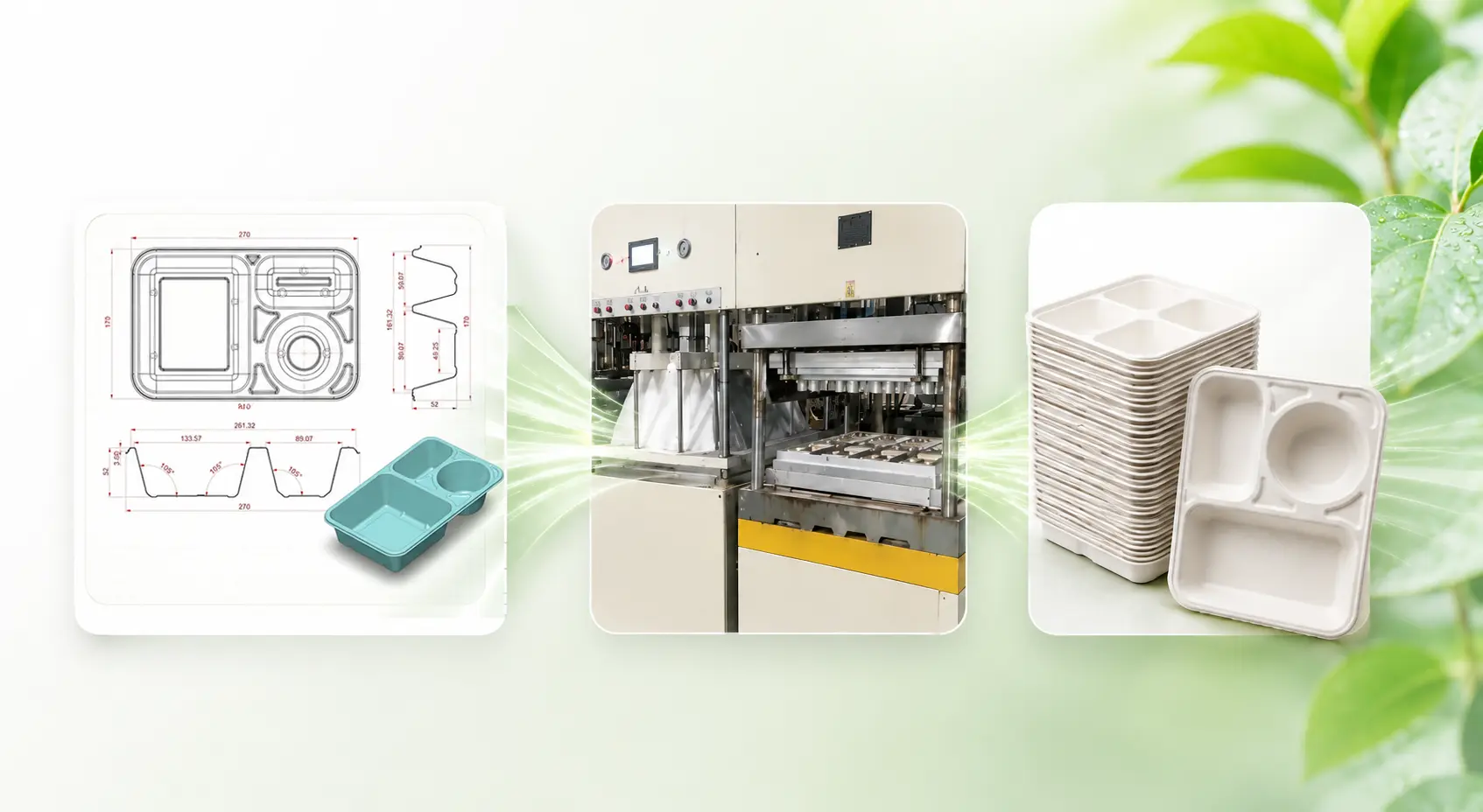
Custom Molded Pulp & Bagasse Packaging
1. Design Specifications
& Prototyping
2. Production Mold
Tooling & Forming
3. Eco-Friendly Final
Product & Inspection
Bioleader® develops and manufactures custom sugarcane bagasse and molded fiber packaging from your idea, drawing, or physical sample—with engineering review, prototyping, production tooling, testing, and mass-production support.
What Can You Start With?
You do not need a complete engineering drawing to begin. Bioleader® can evaluate a custom molded fiber project from an initial concept, an existing drawing, or a physical reference sample.
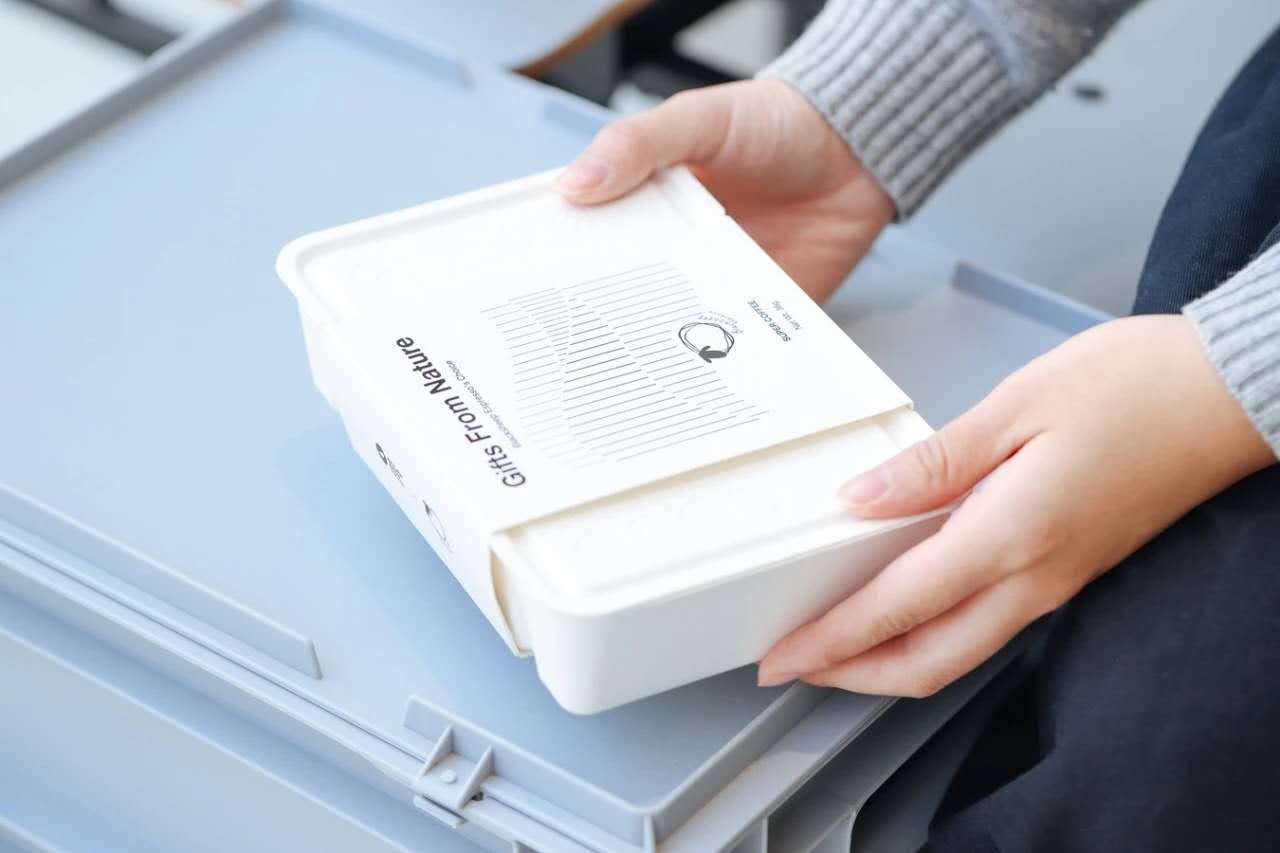
I Have an Idea
Tell us the intended food application, approximate dimensions, capacity, compartment layout, lid requirement and expected order volume. Our engineering team can help turn an initial concept into a manufacturable molded fiber structure.
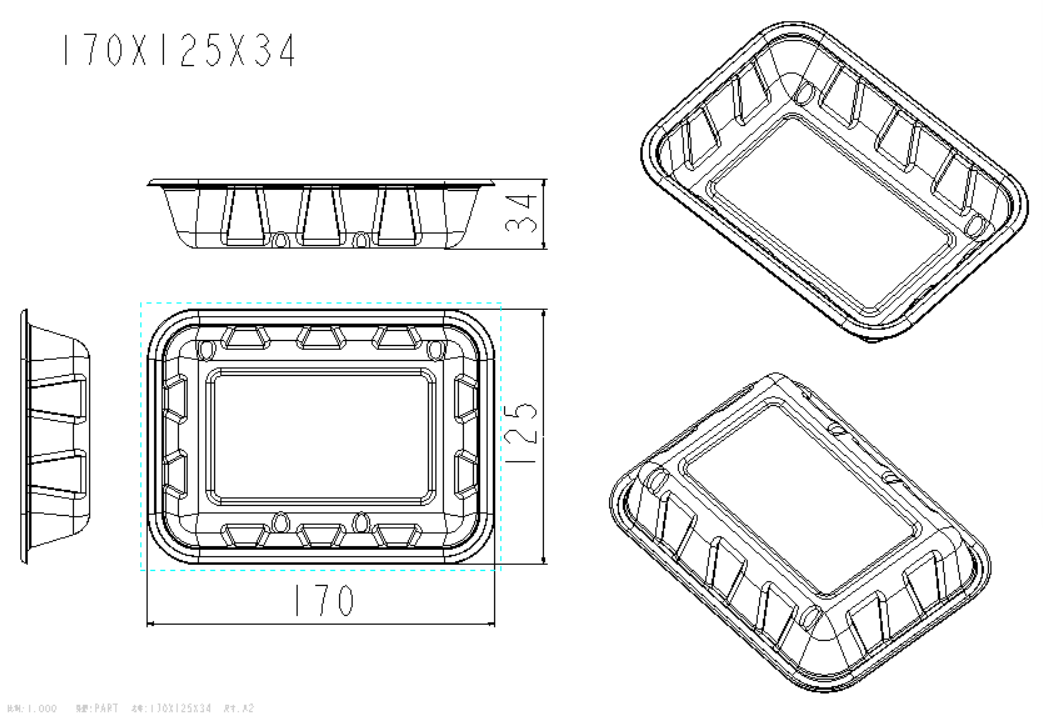
I Have a Drawing
Send us your existing mold, tooling, or product drawing. Our engineering team will review production feasibility and optimize key details such as dimensions, forming depth, draft angles, nesting, mold release, and compartment structure before tooling is finalized.
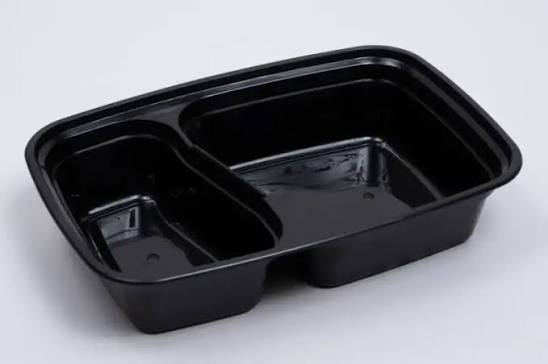
I Have a Physical Sample
Send us your existing plastic or other-material packaging, a physical sample, or product photos. We can evaluate the structure and dimensions, then determine how it can be redesigned as a biodegradable molded fiber solution for your application.
Choose the Right Development Route for Your Project
Not every custom molded fiber project needs a completely new mold. As a custom molded pulp packaging manufacturer, Bioleader® first evaluates whether your requirement can be achieved by modifying an existing product or requires a fully new molded fiber structure.
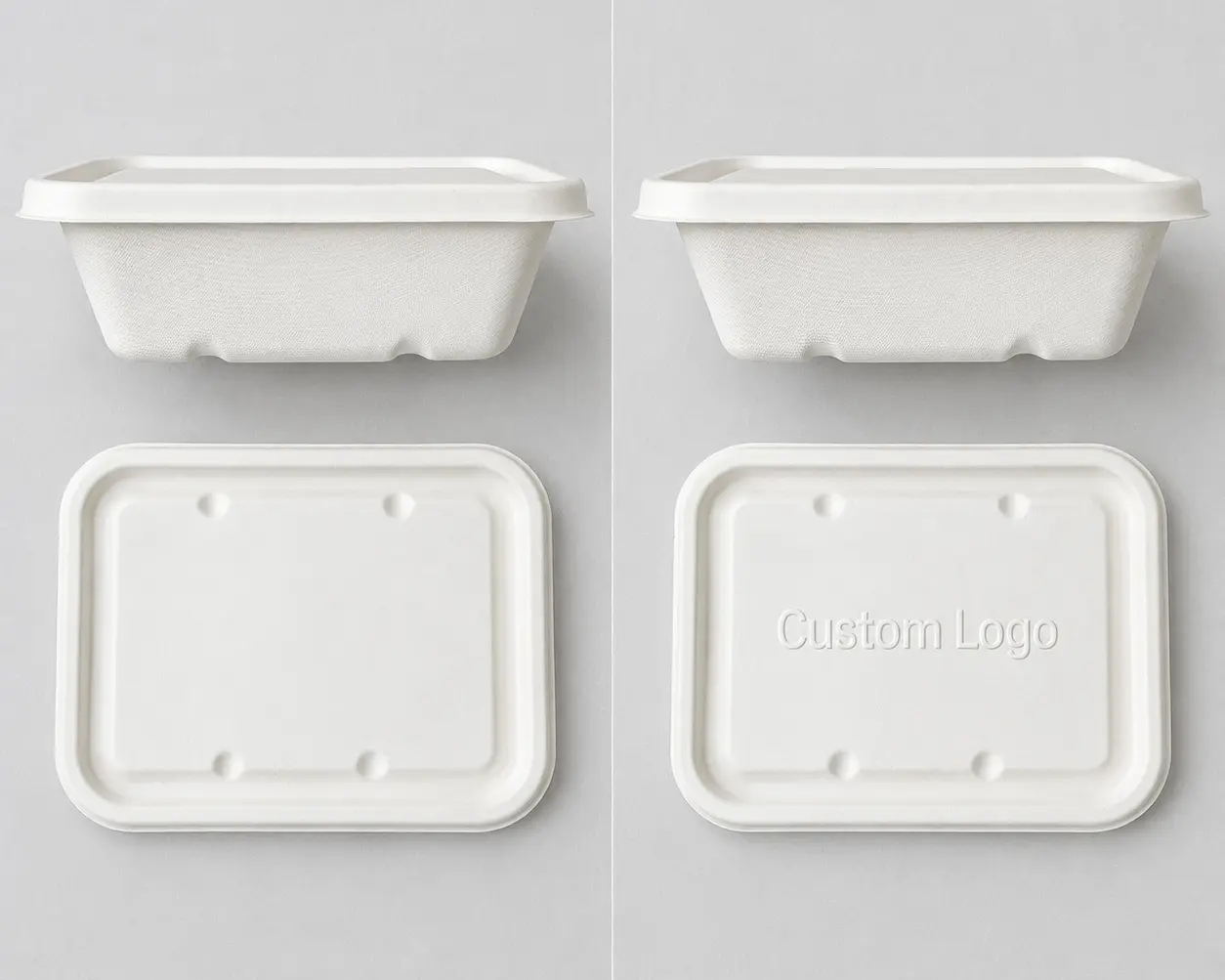
Customize an Existing Bioleader® Product
If one of our existing molded fiber products already matches the required size and structure, selected features can be customized without developing a completely new product from the beginning.
- Embossed Custom Logo
- Natural or White Fiber
- Private-Label Packaging
- Labels & Sleeves
- Carton Customization
- Existing Lid Combinations
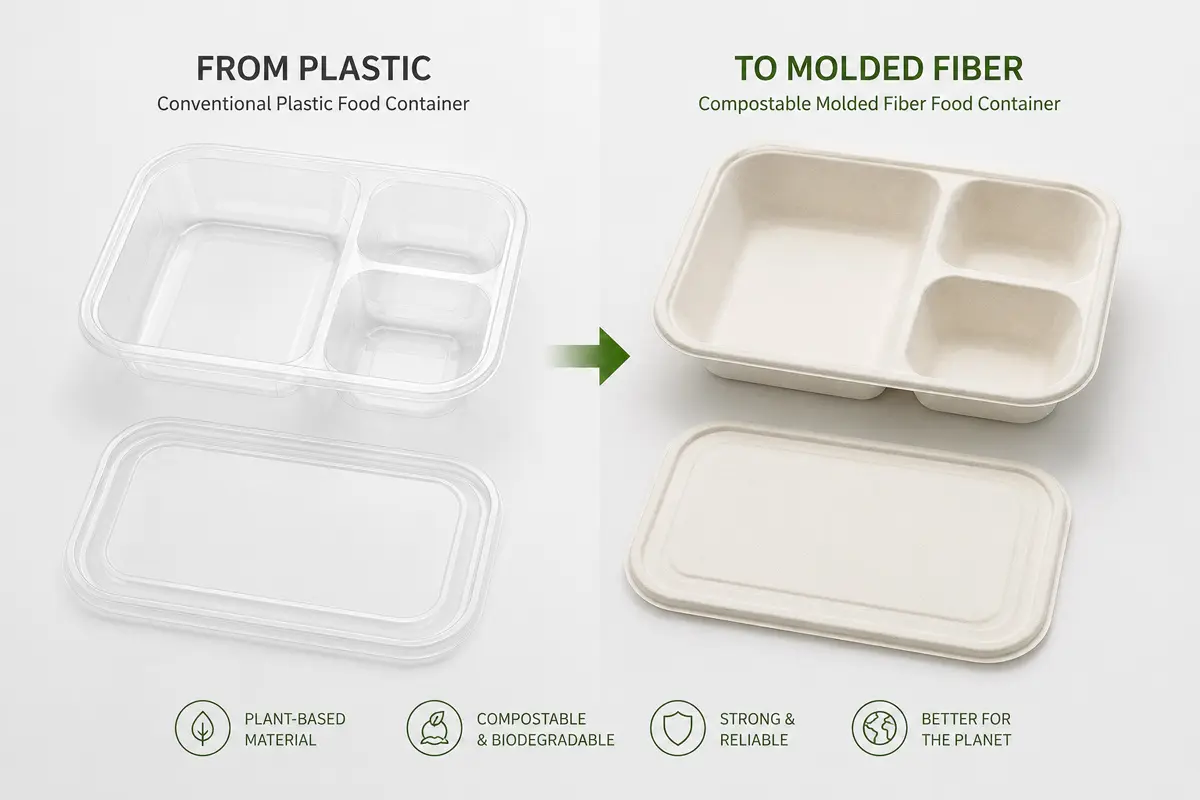
Develop a Completely New Molded Fiber Product
When an existing product cannot meet your requirements, we can redesign the packaging around your dimensions, food application, structure and performance targets, including conversion from plastic or other materials to molded fiber.
- New Shape & Dimensions
- Custom Capacity & Depth
- New Compartment Layout
- Custom Rim & Lid System
- Nesting & Stacking Design
- Prototype & Production Tooling
From Design Input to Mass Production
Every new molded fiber product moves through engineering review, design confirmation, tooling, sample validation and controlled production before full-scale manufacturing begins.
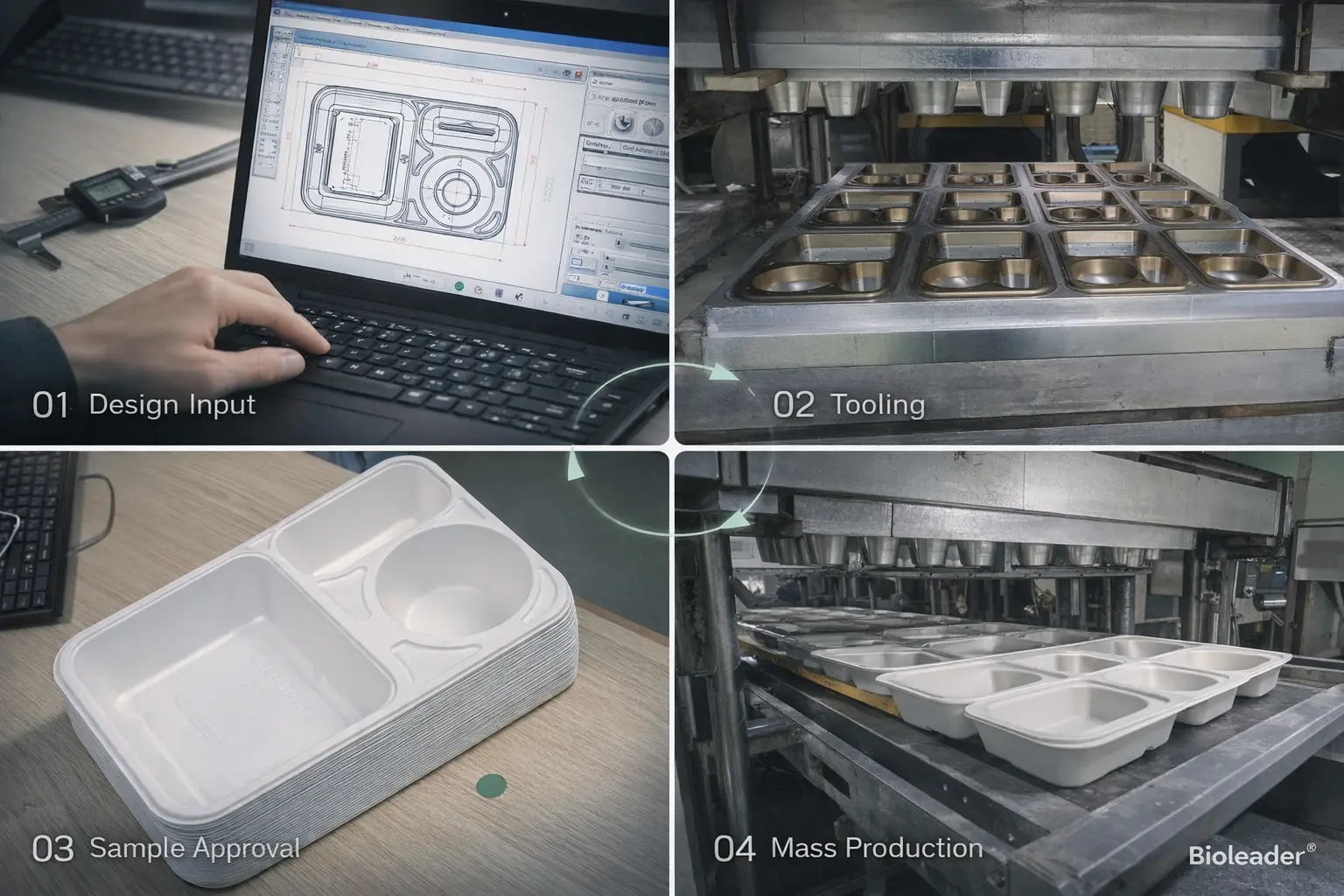
Project Brief & Design Input
Start with your idea, drawing, physical sample or existing package together with the target application and key specifications.
Feasibility & DFM Review
We review forming depth, draft angles, rim geometry, compartments, nesting, mold release and other production-critical details.
Drawing Confirmation
The product structure is refined into an engineering drawing for dimensional and structural confirmation before tooling proceeds.
Prototype & Sample Approval
Where required, prototype tooling is used to produce physical samples for fit, appearance, function and performance evaluation.
Production Tooling & Mold Trial
After the design and tooling are approved, production moves through a controlled pulp-molding process from fiber preparation and forming to finishing, inspection and packing.
Mass Production & Inspection
The approved structure moves into mass production with process control, product inspection and final packing before shipment.
Ready to turn your drawing, sample or existing package into a production-ready molded fiber product?
Start Your Custom DevelopmentReal Project Cases
Two different custom-development paths—from creating a completely new meal tray to converting an existing plastic packaging range into molded fiber.
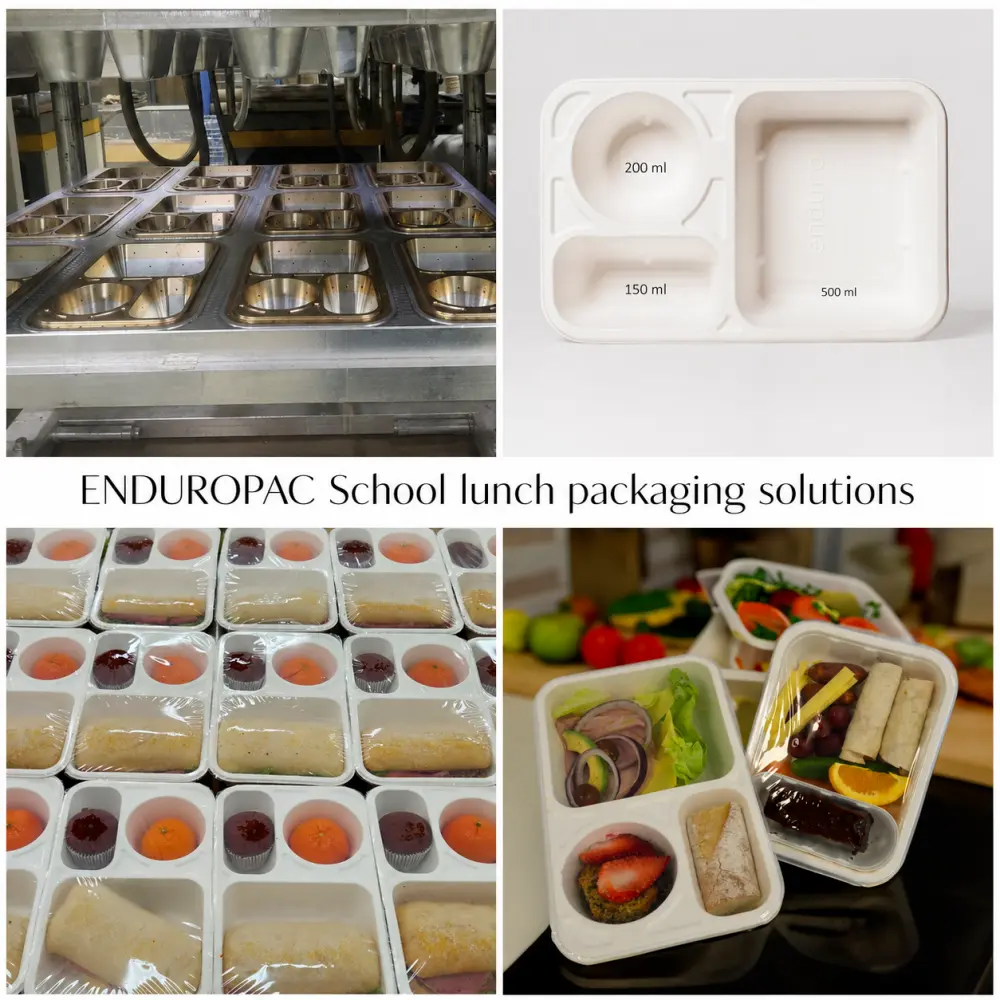
Custom 3-Compartment School Lunch Tray
Enduropac needed a molded fiber alternative to conventional plastic school meal trays, with stable compartments, efficient stacking and reliable handling for hot meals.
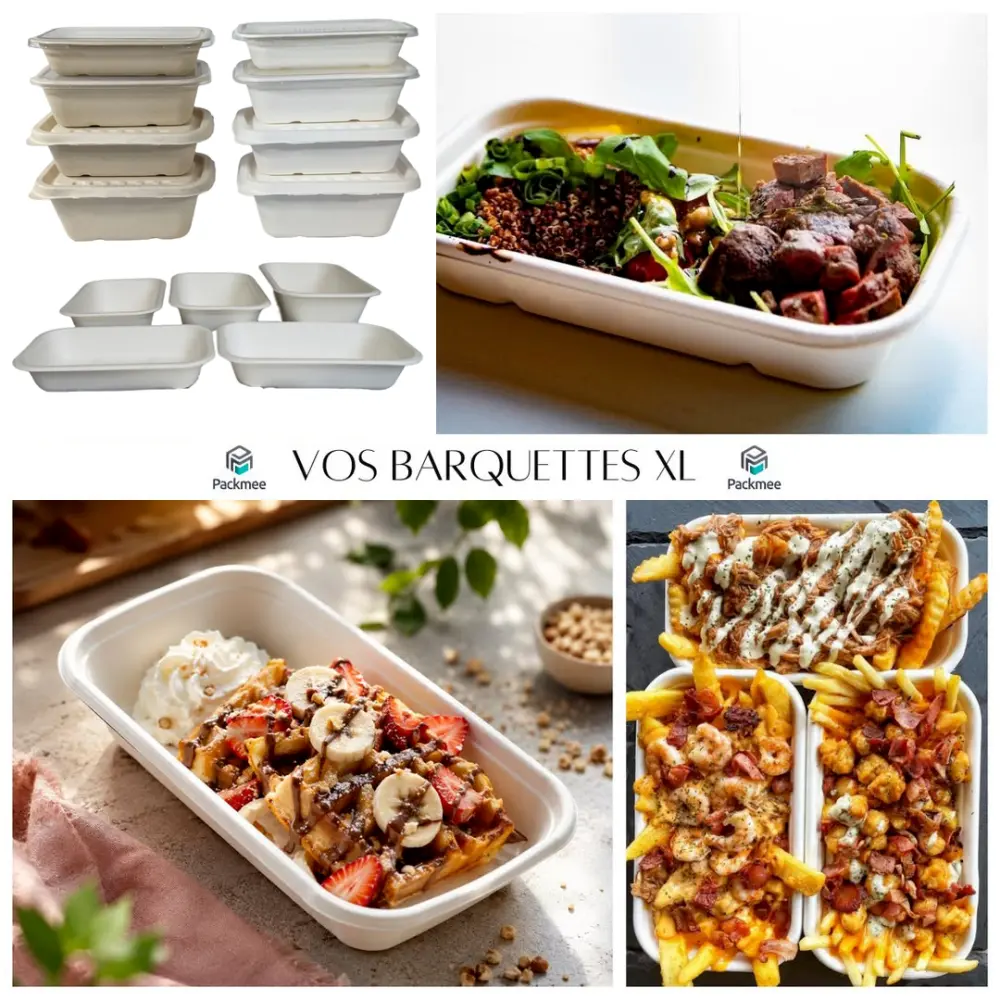
From Plastic Containers to Bagasse Tableware
Packme wanted to replace its conventional plastic food-container range with molded fiber alternatives while maintaining performance for restaurants, catering and delivery.