The 2025 Buyer’s Guide To Sugarcane Bagasse | Bioleader® Guides

Browse articles grouped under the "sugarcane bagasse" tag for topic-specific information and examples. The featured articles may approach the topic from different product, material, application, market, or sourcing perspectives. Check each article for its exact scope, technical data, standards, sources, and recommendations.
sugarcane bagasse — Content Overview
  • Featured articles shown: 12
  • Directly tagged articles: 22
  • Latest tagged article update: 2026-08-13
  • Coverage, examples, and specific recommendations vary by individual article.

Editor's Picks: Top Sugarcane Bagasse Guides 2026

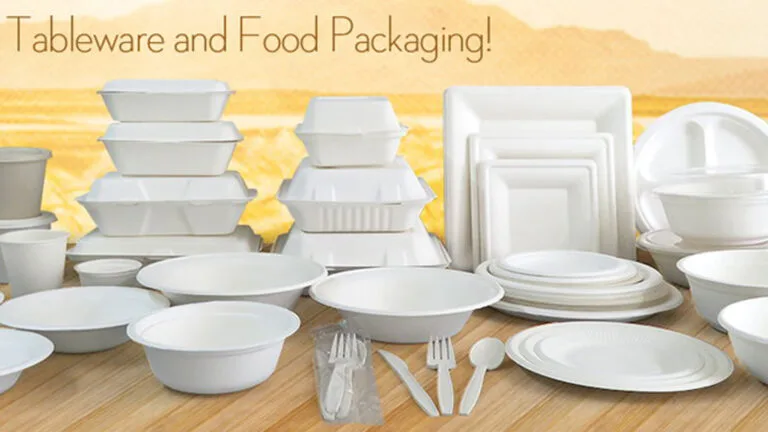
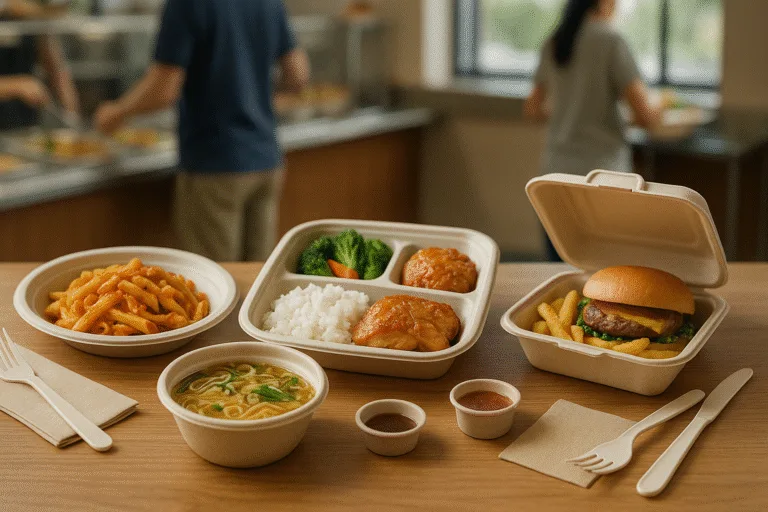
FAQ of Bioleader's Eco-friendly Disposable Tableware

Are these bowls totally biodegradable?

Yes, unlike plastic, our compostable bowls are made of soluble material (biodegradable in this case includes kraft paper & white cardboard), which are not harmful and will degrade safely after they have been thrown away.

Do the containers comply with environmentally friendly customs?

Yes, our to go salad bowls are eco friendly because it is made of biodegradable materials such as kraft paper and white paper card board which is better than plastic.

What are the dimensions it comes in?

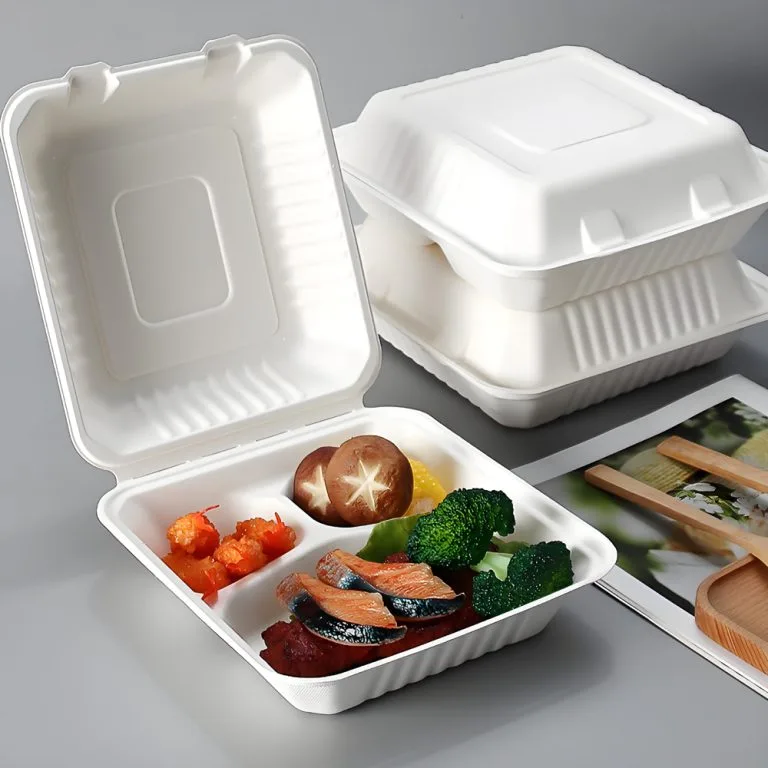
As for the to go bowls, these are available in different capacities of 500ml,750ml,1000ml,1090ml,1200ml,1300ml, and 1500ml — sugarcane bagasse. This implies that it serves a range of meals, that is, when it is served in a small salad one portion comes with it, and when it is served in larger portions many servings are included , sugarcane bagasse.

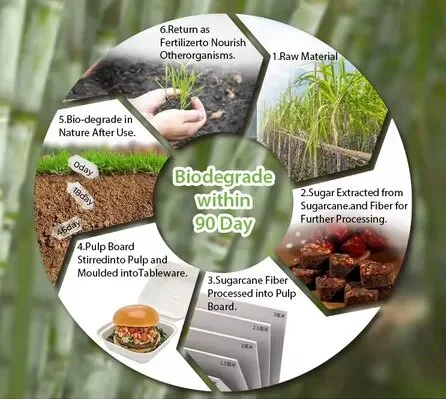
1. Collection of Raw Material

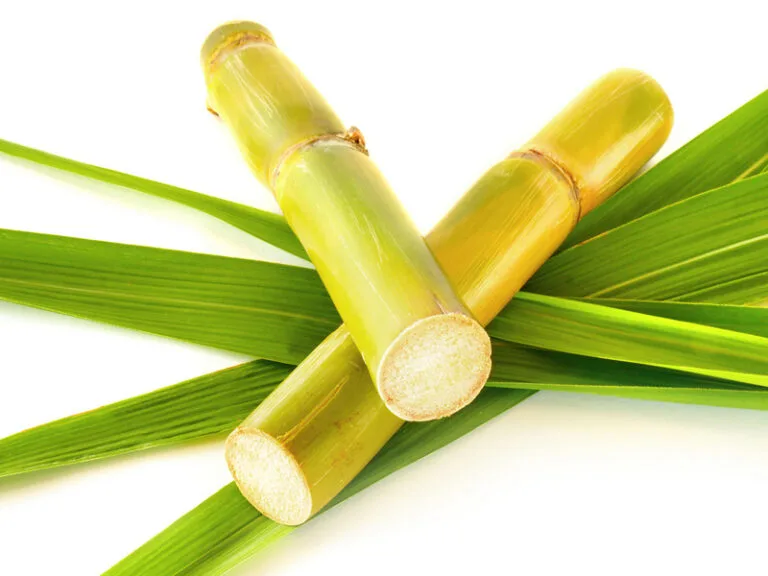
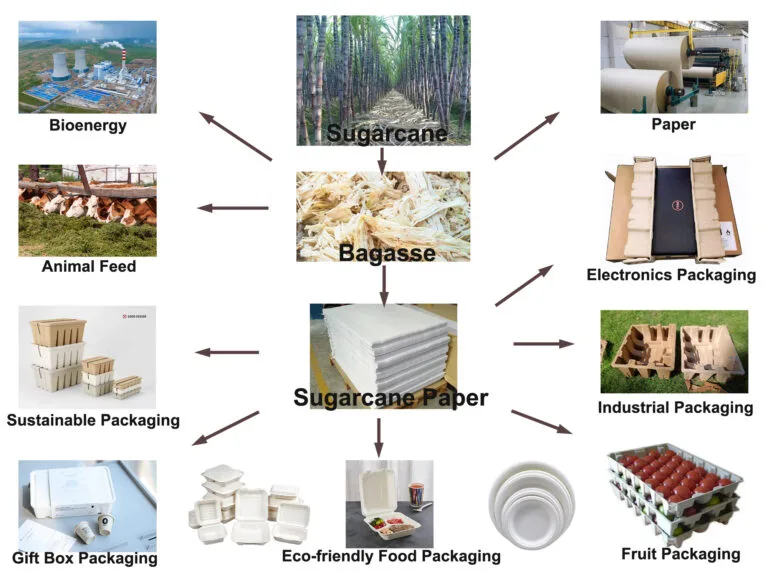
After sugarcane stalks are crushed for juice, the remaining fibrous pulp (bagasse) is collected instead of being discarded or burned. Sugar mills typically set aside this bagasse for reuse — sugarcane bagasse. By capturing it at the source, manufacturers ensure a steady supply of raw fiber while also reducing waste at the sugar mill.

3. Pulping

The clean bagasse fibers are mixed with water and mechanically pulped into a slurry. This creates a wet, soupy paper-like pulp. Notably, bagasse pulping requires fewer chemicals than wood pulping, since the fibers are softer and were initially processed for sugar extraction. In many cases, no bleach or harsh additives are needed, keeping the material naturally safe for food contact.

Related Insights

🚀Ready to Go Green and Choose ?

Join the global movement toward zero-waste packaging.


Bioleader® offers:

  • 📦 Bulk order support & fast delivery

  • ✍️ Custom branding and OEM solutions

  • 🌍 Worldwide eco-packaging compliance

Get the Catalogue Products List  & Contact Us Now! 👉

Contact Us for Quote

Click or drag files to this area to upload.You can upload up to 5 files.
The more details you share, the faster and more accurate our quotation will be.