Non Toxic Cutlery: Material Guide For Businesses | Bioleader® Guide

Actionable coverage of non toxic cutlery: eco-friendly, biodegradable, compostable materials, performance data, and compliance under EN13432 & ASTM D6400. Includes BPI/TÜV references and Food-Contact Tested guidance for safe deployment. Buyer-focused: manufacturer insights, bulk/wholesale buying playbooks, OEM/ODM customization tips, full size range selection.

Quick Summary: What Makes Dinnerware Non-Toxic?

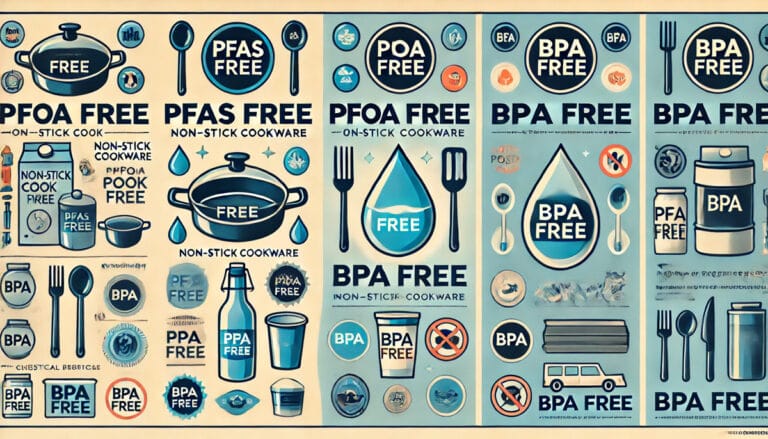
Non-toxic dinnerware is tableware designed to reduce harmful chemical migration into food. Buyers should pay special attention to lead, cadmium, BPA, PFAS, unsafe glazes, unknown coatings, and unverified food-contact materials.

Best safety approach: choose dinnerware that is food-contact tested, lead-safe or lead-free where relevant, cadmium-controlled, BPA-free, PFAS-aware, and supported by supplier documentation rather than broad marketing claims alone.

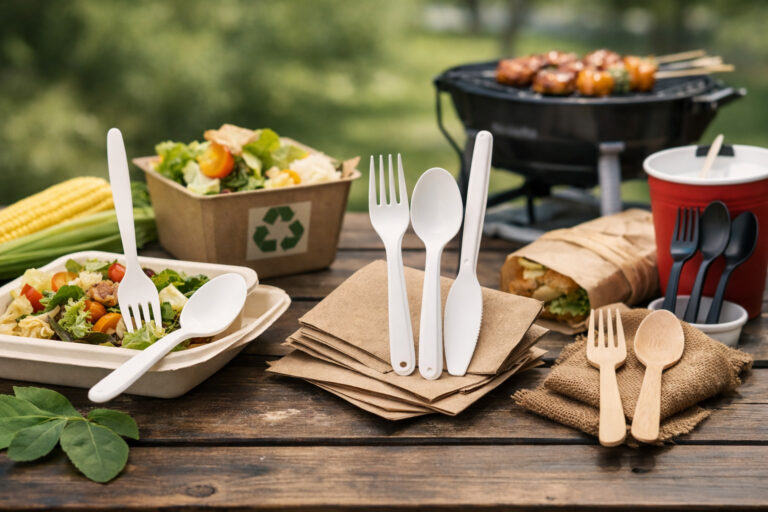
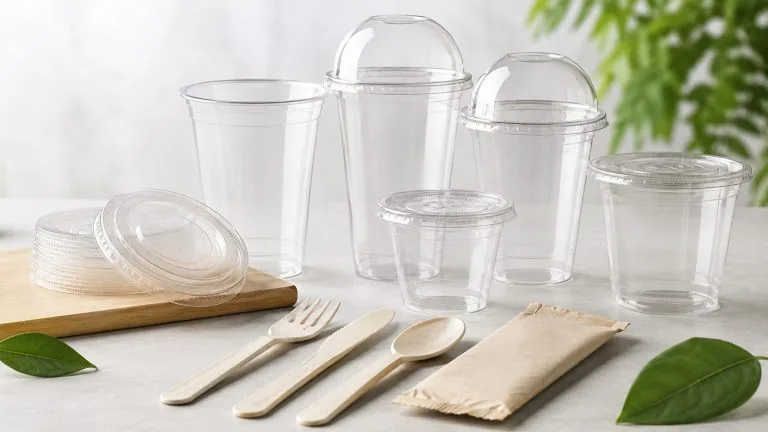
For disposable foodservice use: sugarcane bagasse tableware, cornstarch tableware, paper pulp products, and certified compostable food packaging can provide practical non-toxic alternatives to conventional plastic and foam when matched with proper use conditions, testing, and local disposal systems.

non toxic cutlery — Quick Summary
  • Items displayed (articles): 12
  • Last updated: 2025-02-20
  • Includes test data, compliance guides, buyer FAQs, and real-world use cases.

Editor’s Picks: Top Non Toxic Cutlery Guides 2026

FAQ of Bioleader's Eco-friendly Disposable Tableware

Do these containers stand temperature pressures like microwaves?

Yes, our salad to go container with locking lid is microwave-safe safe so the consumers can heat their food substances without any problems.

Can these bowls be microwaved?

Yes! These eco-paper bowls are safe to use in the microwave making it easy for their customers to warm food that is in them — non toxic cutlery.

Available sizes?

Yes, our paper containers with lids for food range between 500ml and 1500ml capable of holding various meal portions.

The Hidden Dangers of Traditional Materials

Traditional ceramic and porcelain dinnerware, while aesthetically pleasing, can sometimes contain glazes that release unwanted substances when used with food, especially acidic, hot, or long-contact foods. Lead-based glazes are restricted or prohibited in many markets, but imported, decorative, antique, handmade, or poorly controlled products may still raise concerns — non toxic cutlery. According to the U.S. Food and Drug Administration (FDA), some ceramic foodwares have historically been found to leach significant quantities of lead from food-contact surfaces, and extractable lead can create adverse health risks under continued food use.

Regulatory and Industry Perspectives

In response to these concerns, regulatory bodies worldwide have tightened restrictions on the use of toxic substances in consumer products. The European Union requires food-contact materials to comply with Regulation (EC) No 1935/2004, which is intended to ensure that materials and articles do not transfer constituents to food in quantities that could endanger human health, change food composition, or affect taste and odor. In the United States, FDA guidance and import controls help address lead contamination risks in ceramic foodware — non toxic cutlery. Despite these efforts, market penetration of non-toxic dinnerware remains uneven, particularly in price-sensitive segments of the industry.

Related Insights

🚀Ready to Go Green and Choose ?

Join the global movement toward zero-waste packaging.


Bioleader® offers:

  • 📦 Bulk order support & fast delivery

  • ✍️ Custom branding and OEM solutions

  • 🌍 Worldwide eco-packaging compliance

Get the Catalogue Products List  & Contact Us Now! 👉

Contact us Below

Click or drag files to this area to upload.You can upload up to 5 files.
The more details you share, the faster and more accurate our quotation will be.