Material Science Insights Market Snapshot | Bioleader® Guide

Actionable coverage of material science insights: eco-friendly, biodegradable, compostable materials, performance data, and compliance under EN13432 & ASTM D6400. Includes BPI/TÜV references and Food-Contact Tested guidance for safe deployment. Buyer-focused: manufacturer insights, bulk/wholesale buying playbooks, OEM/ODM customization tips, full size range selection.
material science insights — Quick Summary
  • Items displayed (articles): 12
  • Last updated: 2025-12-10
  • Includes test data, compliance guides, buyer FAQs, and real-world use cases.

Editor’s Picks: Top Material Science Insights Guides 2026

FAQ of Bioleader's Eco-friendly Disposable Tableware

1. What are eco friendly trays with lids made from?

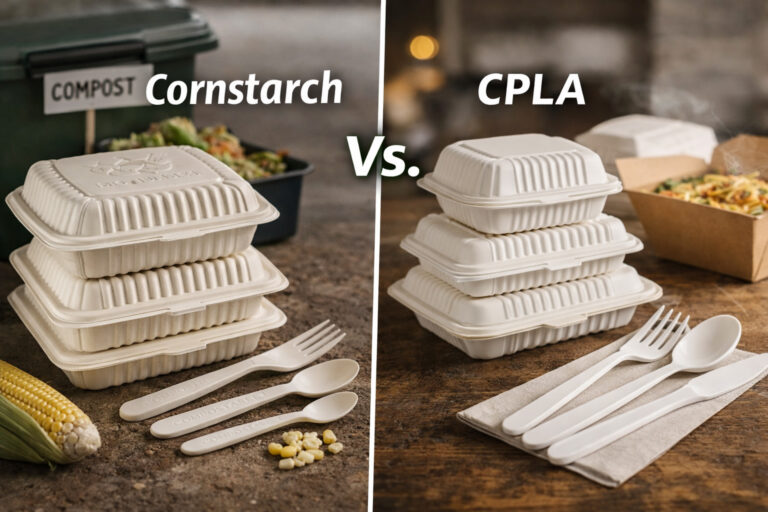
They are commonly made from compostable materials like sugarcane bagasse, bamboo fiber, kraft paper, or PLA (plant-based bioplastic). These materials are biodegradable and offer a sustainable alternative to plastic and foam trays.

1. What are disposable food trays with lids typically used for?

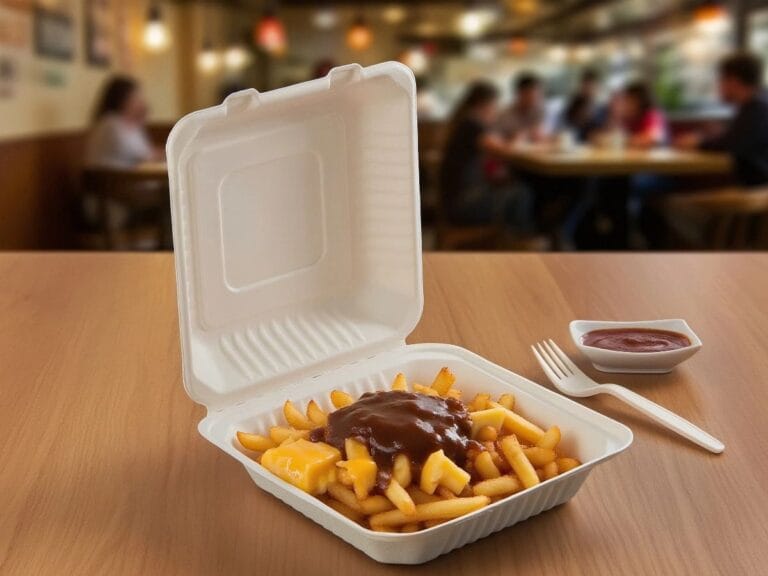
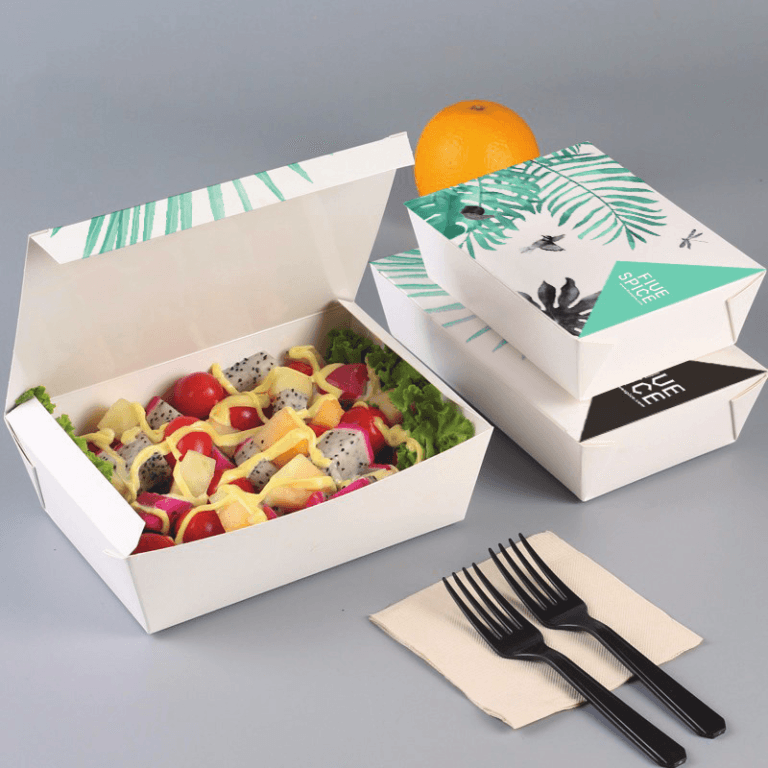
They are widely used in foodservice settings such as takeout, meal prep, catering, and airline meals. The trays offer secure food separation and freshness, making them ideal for combo meals, bento boxes, and heat-and-serve packaging , material science insights.

Leak-Proof and Oil Resistant

Designed with practicality in mind, our sugarcane containers are water- and oil-resistant, ensuring no leaks during transport. Whether serving soups, sauces, or greasy foods, these takeaway containers with lids deliver a mess-free experience. This reliable barrier against spills keeps food intact, offering convenience for both businesses and customers.

How does each material perform under real delivery or transport conditions?

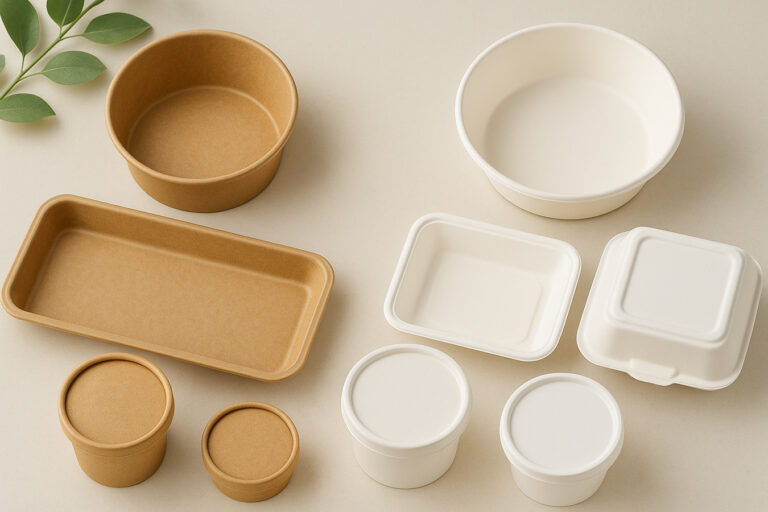
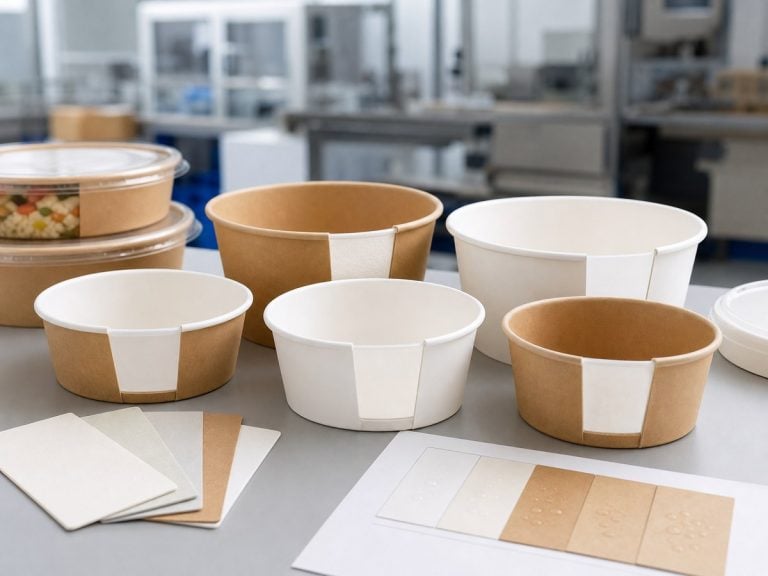
Kraft paper maintains structure more effectively under steam, condensation, and heavier loads. White paper performs well but may require a thicker wall to match kraft's rigidity — material science insights. Delivery tests show kraft bowls deform less during 30–45 minute transport simulations , material science insights. This is why brands with long delivery routes tend to prefer kraft bowls.

What is the main difference between kraft paper and white paper in food packaging applications?

Kraft paper is unbleached and retains long fibers that provide higher mechanical strength, better wet durability, and naturally lower carbon emissions. White paper undergoes bleaching to achieve brightness and smoothness for premium printing. Both require coatings for food-contact performance, but kraft offers more stability under heat and moisture while white paper supports high-definition branding.

Related Insights

🚀Ready to Go Green and Choose ?

Join the global movement toward zero-waste packaging.


Bioleader® offers:

  • 📦 Bulk order support & fast delivery

  • ✍️ Custom branding and OEM solutions

  • 🌍 Worldwide eco-packaging compliance

Get the Catalogue Products List  & Contact Us Now! 👉

Contact us Below

Click or drag files to this area to upload.You can upload up to 5 files.
The more details you share, the faster and more accurate our quotation will be.