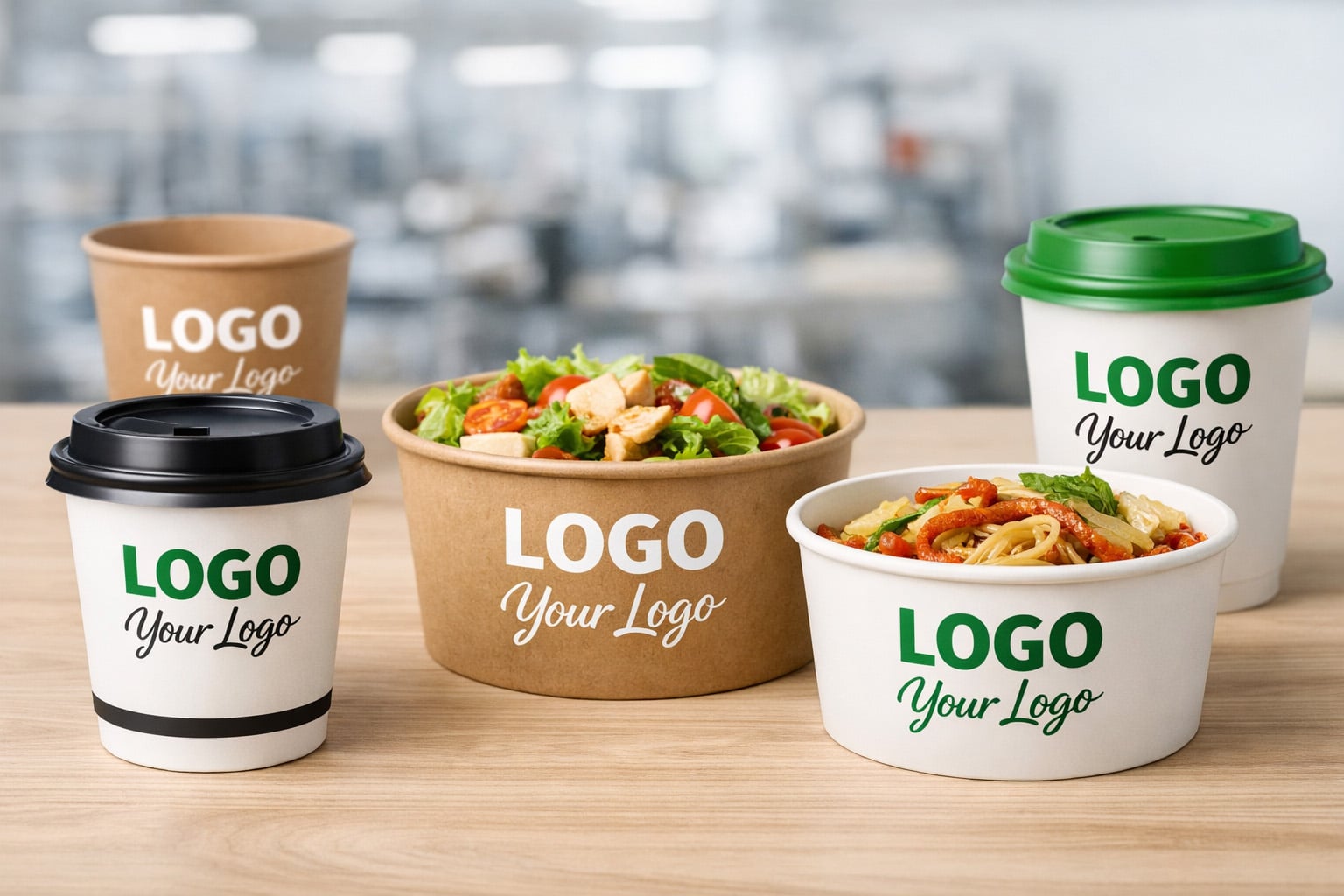
Quick Summary: How to Customize Fast Food Packaging
Custom fast food packaging helps brands improve recognition, protect food during delivery, communicate sustainability values, and create a more professional customer experience.
Best customization path: choose the right material first, confirm food use and temperature needs, select printing or branding method, test prototypes with real food, then finalize MOQ, carton packing, production lead time, and export documentation.
Buyer note: custom packaging is not only about logo printing. Buyers should verify food-contact safety, ink compliance, coating type, heat resistance, grease resistance, compostability claims, production lead time, and supplier quality control before mass production.
Types of Fast Food Packaging
Fast food packaging serves multiple purposes: preserving food quality, ensuring safety during transport, reducing leakage risk, supporting portion control, and providing a visible medium for branding and customer communication. The choice of packaging material significantly influences food performance, printing quality, sustainability claims, and total landed cost.
Fast Food Packaging Material Selection Matrix
| Packaging Type | Best For | Customization Options | Buyer Notes |
|---|---|---|---|
| Paper-Based Packaging | Burger boxes, fry boxes, soup bowls, paper cups, bakery boxes | Offset printing, flexo printing, full-color artwork, logo printing, carton branding | Check coating type, food-contact safety, grease resistance, and recyclability claims. |
| PET / PP / Plastic Packaging | Cold salads, drink cups, clear lids, display packaging | Embossed logo, printed sleeves, label stickers, custom lids | PET is mainly for cold food visibility; PP is better for heat-resistant applications. |
| Bagasse / Compostable Fiber Packaging | Takeout boxes, clamshells, plates, trays, bowls | Embossing, sleeve branding, carton printing, molded logo depending on MOQ | Confirm PFAS status, compostability certification, oil resistance, and lid compatibility. |
| PLA / Cornstarch Packaging | Cold cups, cutlery, selected containers, dessert packaging | Logo printing, sleeve printing, individual wrapping, private-label bags | PLA is heat-sensitive and usually requires industrial composting when certified. |
| Foam Packaging | Low-cost insulation applications | Limited branding, labels, sleeves | Increasingly restricted in many markets and weak for sustainable brand positioning. |
1. Paper-Based Packaging
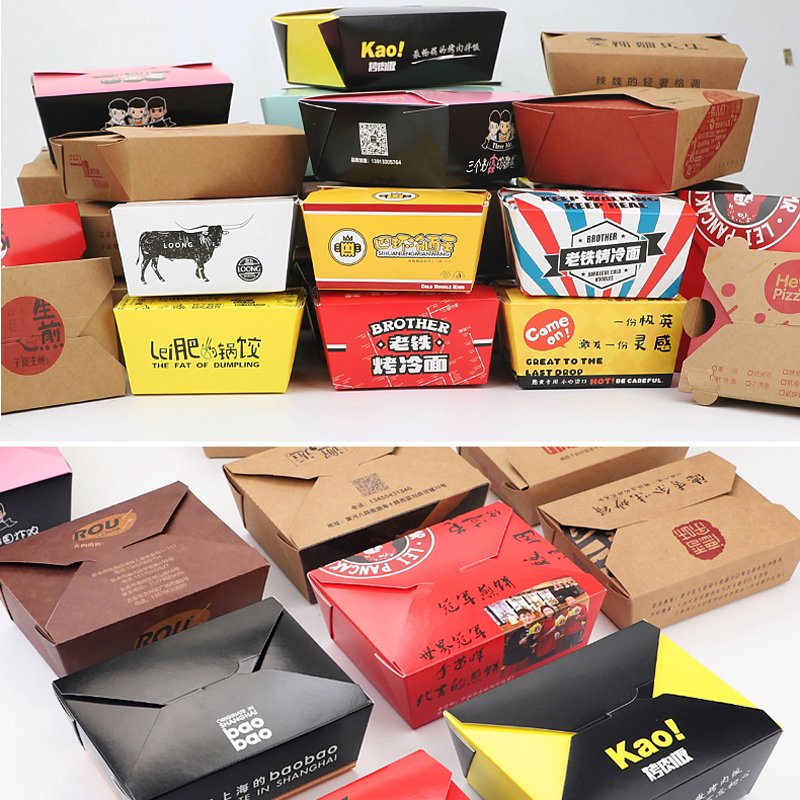
Materials: Paperboard, kraft paper, white cardboard, corrugated cardboard, and cupstock paper are widely used for burger boxes, French fry containers, takeaway boxes, soup bowls, salad bowls, and drink cups.
Manufacturing Process: Paper-based materials are processed from pulp, formed into sheets, coated when needed, printed, die-cut, creased, folded, and glued into final packaging shapes.
Features:
- Structural Integrity: Provides adequate support for dry, semi-wet, and selected hot food items when the correct paperboard thickness and coating are used.
- Branding Value: Offers a strong printable surface for logos, product names, QR codes, seasonal campaigns, and sustainability messages.
- Recyclability or Compostability Potential: End-of-life depends on coating type, food contamination, local recycling rules, and composting acceptance.
Example: Many fast food chains use paperboard cartons for sandwiches and fries because the material balances sturdiness, printability, and cost control. For buyers, the key is to check coating type, grease resistance, and whether the printed area touches food directly.
 |  |
2. Plastic-Based Packaging
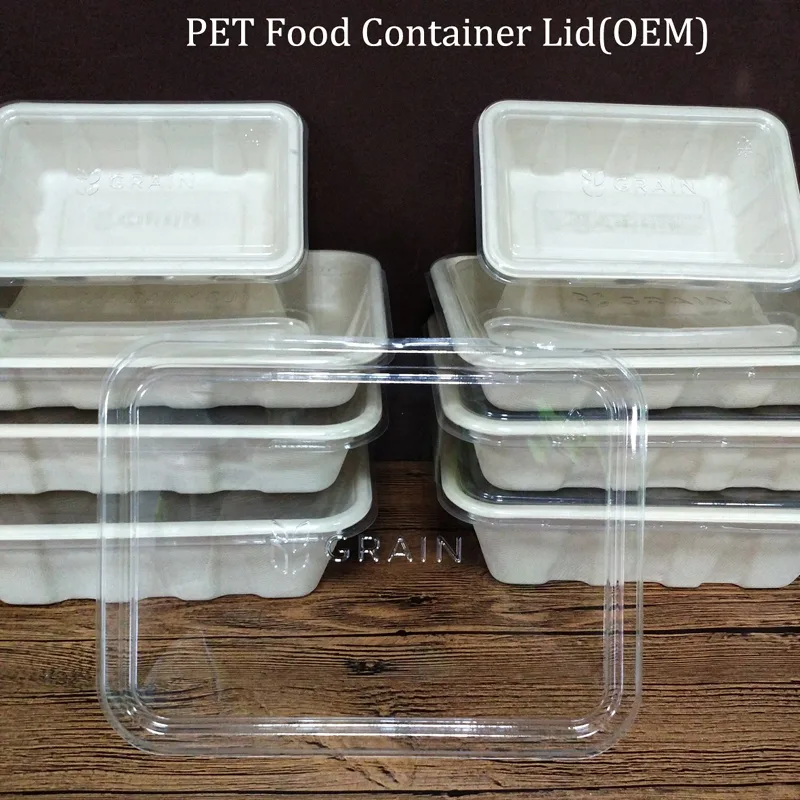
Materials: Common plastics include Polyethylene Terephthalate (PET), Polypropylene (PP), and Polystyrene (PS). PET is often used for clear cold-food packaging, while PP is more suitable for selected hot-food applications.
Manufacturing Process: Plastics are molded into various shapes through thermoforming, injection molding, extrusion, and trimming. Clear containers, cup lids, salad boxes, and cold drink cups are typical examples.
Features:
- Durability: Resistant to moisture and physical damage.
- Visibility: PET allows customers to see the food or drink, making it useful for salads, desserts, and cold beverages.
- Application Limits: PET is not suitable for high heat, while PP may be more appropriate for hot-food applications depending on product rating.
Example: Clear PET containers are often used for salads and cold beverages, offering an appealing display of the contents. For branded packaging, buyers can use printed sleeves, labels, embossed lids, or branded cartons.
 |  |
3. Biodegradable and Compostable Packaging
Materials: Biodegradable and compostable packaging may be derived from renewable resources such as cornstarch, sugarcane bagasse, bamboo pulp, wood pulp, PLA, CPLA, and other plant-based materials.
Manufacturing Process: Fiber-based materials are pulped, molded, pressed, dried, and trimmed into plates, bowls, trays, clamshell boxes, and food containers. Bioplastic materials may be thermoformed or injection molded depending on the product type.
Features:
- Lower-Plastic Positioning: Supports brands looking to reduce conventional plastic and foam packaging.
- Foodservice Performance: Bagasse, paperboard, and selected cornstarch products can be suitable for hot or greasy food when tested by product and use case.
- Certification Requirement: Compostable claims should be supported by product-specific certification such as EN13432, ASTM D6400, BPI, TÜV, or relevant local standards.
Example: Compostable fiber containers made from sugarcane bagasse or bamboo pulp can support hot-food service, but buyers should verify food-contact reports, oil resistance, PFAS status, lid fit, and whether the finished product is accepted by local composting facilities.
 |  |
4. Foam Packaging
Materials: Expanded Polystyrene (EPS) foam is commonly used for items like clamshell containers and drink cups.
Manufacturing Process: EPS beads are expanded and molded into specific shapes.
Features:
- Insulation: Excellent at maintaining food temperature.
- Lightweight: Easy to handle and transport.
- Cost-Effective: Generally less expensive to produce.
Example: Foam clamshells are frequently used for takeout meals, keeping food warm during transport. However, many markets are restricting EPS and other single-use plastics, so fast food brands should evaluate lower-plastic or fiber-based alternatives when planning future packaging programs.
How Is Fast Food Packaging Made?
The production of fast food packaging involves several meticulous steps to ensure functionality, food safety, structural performance, and visual appeal. The process differs by material, but most custom packaging projects follow a similar development path.
1. Material Selection
Choosing the appropriate material is foundational. Factors considered include:
- Food Compatibility: Ensuring the material is safe for direct food contact.
- Temperature Requirement: Confirming whether the food is hot, cold, frozen, oily, saucy, or liquid-heavy.
- Durability: Ability to withstand handling, stacking, delivery, and transport without compromising packaging integrity.
- Sustainability: Preference for recyclable, biodegradable, compostable, or lower-plastic materials when they match local disposal systems and certification requirements.
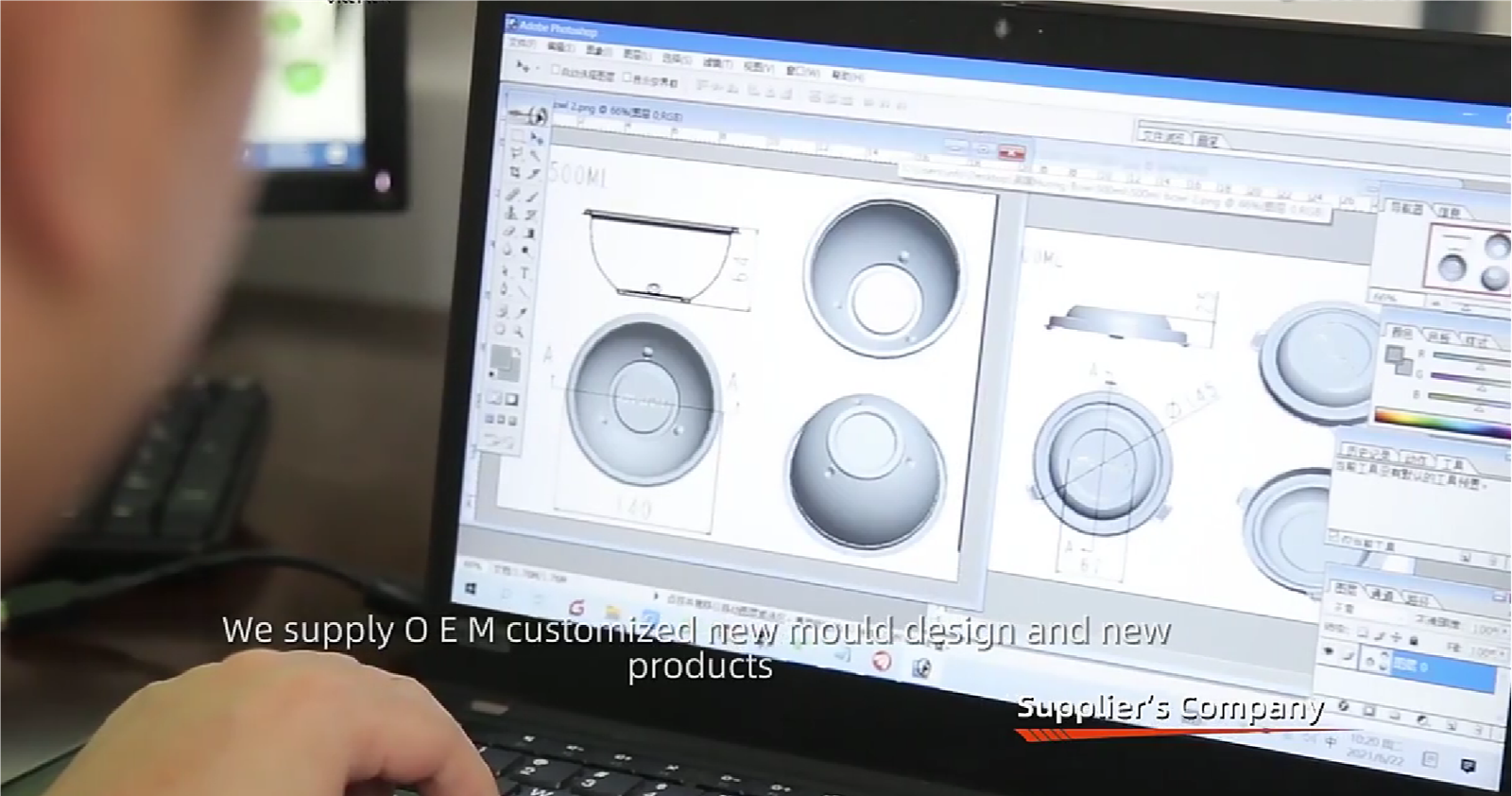
2. Design and Prototyping
This phase focuses on creating packaging that aligns with brand identity and meets functional requirements:
- Structural Design: Developing shapes and sizes that accommodate specific food items.
- Aesthetic Elements: Incorporating brand colors, logos, typography, QR codes, product names, and marketing messages.
- Prototyping: Producing sample packaging to test usability, durability, lid fit, oil resistance, leakage risk, and visual appeal before mass production.
3. Manufacturing Process
The production process varies based on the chosen material:
- Paper-Based Packaging:
- Printing: Applying designs and branding elements onto large paper sheets.
- Cutting and Creasing: Precision cutting into specific shapes and adding fold lines.
- Folding and Gluing: Assembling the cut pieces into final packaging forms.
- Plastic-Based Packaging:
- Thermoforming: Heating plastic sheets and molding them into desired shapes.
- Injection Molding: Injecting molten plastic into molds to create specific forms.
- Cooling and Trimming: Solidifying the plastic and removing excess material.
- Biodegradable Packaging:
- Pulping: Breaking down natural fibers into a slurry.
- Molding: Shaping the pulp into molds under heat and pressure.
- Drying and Finishing: Removing moisture, trimming edges, checking shape stability, and preparing final packing.
4. Quality Control
Ensuring the packaging meets required standards involves:
- Durability Testing: Assessing resistance to tearing, crushing, compression, and transport stress.
- Food Safety Checks: Verifying materials, inks, coatings, adhesives, and direct food-contact areas are suitable for the intended application.
- Printing Consistency: Ensuring uniformity in color, logo placement, size, shape, and design across production batches.
- Application Testing: Testing hot foods, greasy foods, wet foods, lids, stacking, and delivery conditions before mass production.
5. Distribution
Once production and quality control are completed, packaging is organized, packed securely, marked by carton, and shipped to the foodservice provider, distributor, or importer. Efficient logistics helps preserve packaging quality and reduces landed cost.
Custom Packaging Workflow: From Artwork to Mass Production
- Confirm packaging application: hot food, cold food, greasy food, liquid food, delivery, dine-in, catering, or retail display.
- Choose material and structure: paperboard, kraft paper, bagasse, PLA, cornstarch, PET, PP, or mixed-material design.
- Prepare artwork files: logo, Pantone colors, printing area, dieline, QR code, barcode, warning text, and brand messaging.
- Prototype and sample testing: check lid fit, printing accuracy, oil resistance, stacking, leakage, microwave guidance, and delivery performance.
- Confirm MOQ and production method: printing plate fee, mold fee if needed, carton quantity, packaging method, lead time, and shipping terms.
- Mass production and inspection: verify dimensions, printing color, food-contact safety, carton marking, and export packing before shipment.
Custom Fast Food Packaging for Your Brand
Customized packaging is essential for building a memorable and competitive fast food brand. It transforms standard packaging into a powerful marketing tool that communicates your brand identity, values, quality standards, and sustainability direction.
Benefits of Customized Packaging
- Increased Brand Recognition:
Customized food packaging prominently features your brand logo, colors, typography, and design elements, creating an instant connection with consumers. - Enhanced Customer Experience:
Personalized packaging adds perceived value by making consumers feel they are receiving a premium, thoughtfully prepared product. - Competitive Differentiation:
Customization allows your brand to stand out in crowded fast food, takeaway, and delivery markets. - Positive Environmental Impact:
Choosing sustainable customized packaging, such as bagasse, PLA, kraft paper, or recycled paper, can enhance brand reputation when claims are supported by documentation and realistic disposal pathways.
Key Strategies for Effective Packaging Customization
To maximize the impact of custom fast food packaging, consider the following strategies:
- Brand-Aligned Design
- Ensure that packaging visuals, including logo, colors, typography, and layout, consistently reflect your brand identity and marketing strategy.
- Functional Innovation
- Create packaging designs that are not only visually appealing but also practical and user-friendly, such as built-in handles, resealable lids, compartments, or ventilation features.
- Storytelling and Messaging
- Use packaging as a storytelling platform to communicate your brand’s values, sustainability efforts, sourcing promise, QR-code campaigns, or menu identity.
- Material Choices
- Select high-quality materials such as bagasse, PLA, kraft paper, recycled paper, or cornstarch-based products based on food type, market requirement, and brand positioning.
- Interactive Packaging Elements
- Incorporate QR codes, social media handles, loyalty programs, contests, or limited-time campaign messages directly on packaging to engage customers digitally and encourage repeat business.
Buyer Checklist Before Ordering Custom Packaging
| Checklist Item | Why It Matters | What to Confirm |
|---|---|---|
| Food Application | Packaging must match food temperature, oil content, sauce level, and delivery time. | Hot food, cold food, soup, burger, fries, salad, dessert, drink, or meal box. |
| Material and Coating | Coatings affect grease resistance, recyclability, compostability, and food safety. | PE, PLA, water-based coating, uncoated fiber, or oil-resistant treatment. |
| Printing Method | Printing affects color accuracy, MOQ, plate fees, and food-contact compliance. | Offset, flexo, screen printing, label sticker, sleeve, embossing, or carton print. |
| Food-Contact Safety | Packaging must be safe for direct food contact in the target market. | FDA, EU food-contact, LFGB, SGS, migration test, ink compliance. |
| Sustainability Claim | Eco claims must be supported by realistic documentation. | EN13432, ASTM D6400, BPI, TÜV, PFAS-related testing, recyclability guidance. |
| MOQ and Lead Time | Custom printing and molds often require minimum quantities and setup time. | MOQ, plate fee, mold fee, sample timing, production lead time, shipping terms. |
Bioleader® supports custom fast food packaging projects across paper food boxes, kraft bowls, paper cups, bagasse containers, PLA cups, and compostable cutlery. For B2B buyers, we can assist with product selection, artwork review, sample testing, carton packing, export documentation, and container loading plans.
Practical Examples and Customer Insights
Custom packaging results vary by market, menu type, brand positioning, and execution quality. The following examples preserve the original brand and performance data while presenting them as customer-use examples rather than universal guarantees.
Case Study 1: Bioleader’s Packaging in Practice
Bioleader’s customized fast food packaging boxes have been used by FreshExpress, a U.S.-based fast-food chain, as part of a branded eco-packaging program. Their branded food boxes, made from sustainable bagasse, received positive feedback for quality, leak resistance, durability, and visual presentation. According to customer feedback reported in the project context, adopting customized packaging increased customer satisfaction ratings by 35%, improved brand recall, and supported a steady increase in repeat orders.
Case Study 2: Café Greenhouse Sustainability Initiative
Café Greenhouse, a UK-based cafe, switched to customized biodegradable paper boxes as part of a sustainability-focused packaging upgrade. Customers praised the cafe’s visible commitment to sustainability, and the project was associated with a reported 20% boost in monthly sales and stronger online engagement. For foodservice brands, this illustrates how packaging can support both brand positioning and customer experience when it is matched with product quality and clear messaging.
Scenario 3: Custom PLA Cups for Cold Drinks and Dessert Brands
For juice bars, cafés, bubble tea shops, and dessert stores, clear PLA cups can support cold beverage visibility while allowing custom logo printing, branded cartons, dome lids, flat lids, and private-label packaging. Buyers should confirm PLA temperature limits, shipping protection, carton packing, and storage conditions before ordering.
Key Takeaways for Custom Fast Food Packaging
- Custom fast food packaging is a brand asset, not only a food container.
- The best packaging material depends on food temperature, grease level, delivery time, sustainability goals, and printing requirements.
- Paper, kraft, bagasse, PLA, cornstarch, PET, and PP packaging can all be customized, but each material has different limits and compliance requirements.
- Buyers should approve artwork, structure, samples, food-contact safety, coating, and carton packing before mass production.
- Eco-friendly custom packaging should be supported by product-specific documentation, not only by broad sustainability claims.
Frequently Asked Questions
1. Why should brands invest in custom fast food packaging?
Custom fast food packaging improves brand visibility, customer experience, delivery presentation, and repeat purchase potential. It also helps restaurants communicate food quality, sustainability values, and professional brand identity.
2. What materials are best for custom fast food packaging?
Common choices include kraft paper, paperboard, bagasse, PLA, cornstarch, PET, PP, and recycled paper. The best material depends on food temperature, grease level, visibility needs, compostability goals, and budget.
3. Can eco-friendly packaging be custom printed?
Yes. Kraft paper boxes, paper bowls, paper cups, PLA cups, and selected bagasse packaging can support custom printing, labeling, embossing, sleeves, or carton branding depending on material, MOQ, and production method.
4. What should buyers check before printing food packaging?
Buyers should check food-contact safety, ink compliance, coating type, migration testing, color accuracy, printing area, barcode readability, and whether the printed surface touches food directly.
5. How much does custom fast food packaging typically cost?
Cost varies by material, size, design complexity, printing colors, plate fees, mold fees, MOQ, packing method, and shipping terms. In many projects, the investment is justified when packaging improves brand visibility, customer retention, and product presentation.
6. How long does custom packaging production take?
Typically, from artwork confirmation and sample approval to final production, custom packaging can take between 4–8 weeks, depending on the material, design complexity, quantity ordered, mold requirements, and factory schedule.
7. How can I ensure the quality of customized packaging?
Partner with experienced packaging manufacturers who follow quality control standards, conduct material and food-contact tests, provide relevant certification, and support sample testing before mass production.
8. What is the safest way to start a custom packaging project?
The safest approach is to confirm the product type, food application, target market, artwork, quantity, packaging method, and destination first, then test samples before mass production.
Conclusion: Amplifying Your Brand with Customized Fast Food Packaging
Effective customized fast food packaging goes beyond basic practicality. It directly influences brand perception, customer loyalty, food presentation, delivery performance, and market differentiation. By choosing the right material, confirming food-safety requirements, testing real-use performance, and applying consistent branding, custom packaging can become a long-term marketing and operational asset.
For fast food restaurants, cafés, food trucks, delivery brands, and packaging distributors, the strongest approach is to treat packaging customization as a structured procurement project: define the food application, select the correct material, prepare compliant artwork, test samples, confirm MOQ and lead time, and work with a supplier that understands both branding and foodservice performance.
Reference Source List
- McKinsey & Company, “Sustainability in Packaging: Global Regulatory Developments”
- Deloitte, “The Future of Packaging: Smart, Personalized, and Sustainable”
https://www2.deloitte.com/ - Smithers Research, “The Future of Food Service Packaging to 2028”
https://www.smithers.com/services/market-reports/packaging/the-future-of-food-service-packaging - Packaging Gateway, “Sustainable Packaging Trends for Fast Food Brands”
https://www.packaging-gateway.com/articles/sustainable-packaging-fast-food-brands - Environmental Protection Agency (EPA), “Reducing Food Packaging Waste”
https://www.epa.gov/sustainable-management-food/reducing-food-packaging-waste - Foodservice Packaging Institute (FPI), “Trends in Foodservice Packaging”
https://www.fpi.org/resources/trends-in-foodservice-packaging - Chris Stokel-Walker, “The War on Plastic Packaging,” BBC Future
https://www.bbc.com/future/article/20230106-how-packaging-affects-our-food-and-environment - Emily Holbrook, “Packaging’s Role in Consumer Experience and Loyalty,” Packaging Digest
- Enpak Packaging, “Comprehensive Guide to Food Packaging Materials”
- U.S. Food & Drug Administration, Food Packaging and Food-Contact Substance Guidance
- European Commission, Regulation (EC) No 1935/2004 on Materials and Articles Intended to Come into Contact with Food
- ASTM International, ASTM D6400 Standard Specification for Compostable Plastics
- Biodegradable Products Institute (BPI), Certified Compostable Products and Packaging Verification
- TÜV Austria, OK Compost HOME and OK Compost INDUSTRIAL Certification Guidance
- Bioleader®, Custom paper boxes, bagasse containers, paper bowls, PLA cups, compostable cutlery, food-contact testing, and export packaging support