Packaging Factory 101: What It Is, When To Use, And How To Choose | Bioleader® Guides

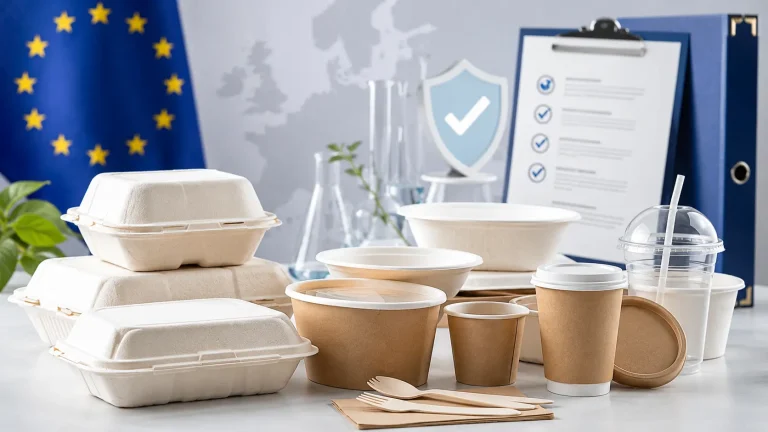
Actionable coverage of packaging factory: eco-friendly, biodegradable, compostable materials, performance data, and compliance under EN13432 & ASTM D6400. Includes BPI/TÜV references and Food-Contact Tested guidance for safe deployment. Buyer-focused: manufacturer insights, bulk/wholesale buying playbooks, OEM/ODM customization tips, full size range selection.

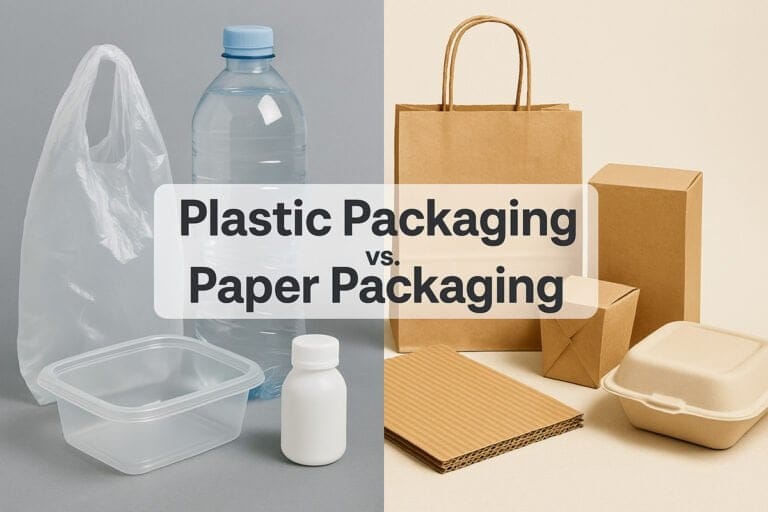
With growing environmental concerns, businesses and consumers alike are increasingly seeking sustainable solutions in packaging. The debate between Plastic Packaging and Paper Packaging is central to discussions about eco-friendly packaging choices. Understanding their distinctive attributes, environmental impacts, and practical applications can help you make informed decisions aligning with sustainability goals.

packaging factory — Quick Summary
  • Items displayed (articles): 12
  • Last updated: 2025-04-03
  • Includes test data, compliance guides, buyer FAQs, and real-world use cases.

Editor’s Picks: Top Packaging Factory Guides 2026

FAQ of Bioleader's Eco-friendly Disposable Tableware

Are the bowls microwave- and freezer-safe?

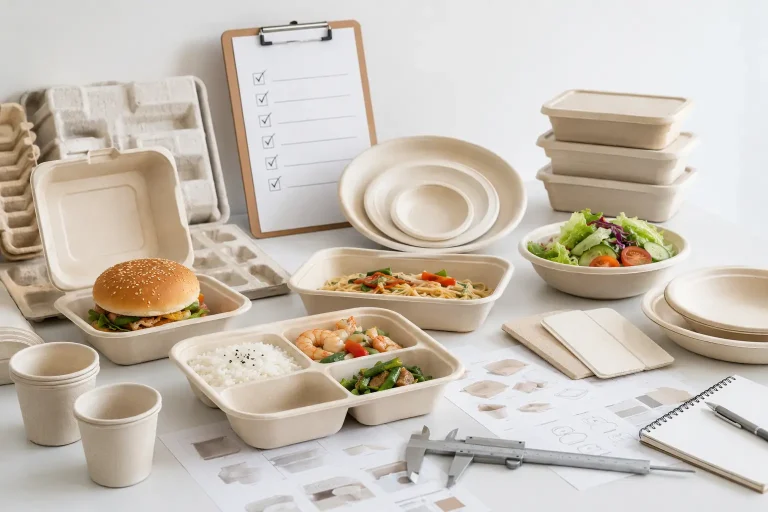
Yes, our biodegradable bowls are both microwaveable and freezer-safe, maintaining their structure and food safety even under temperature variations.

Are these bowls totally biodegradable?

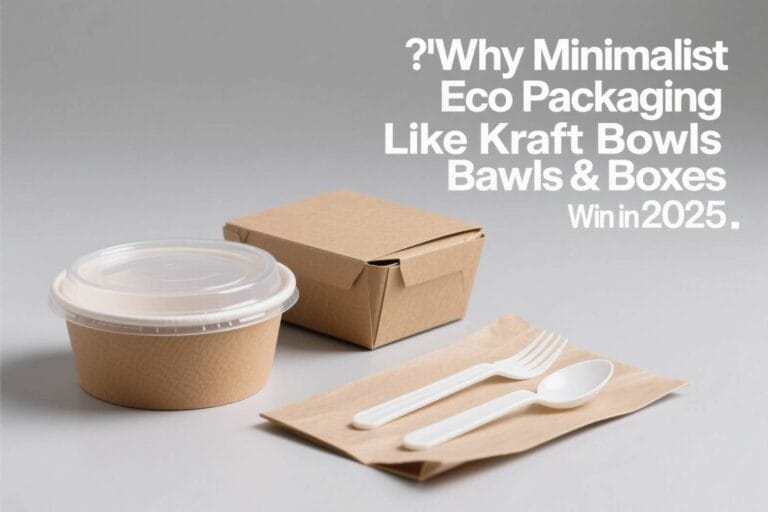
Yes, unlike plastic, our compostable bowls are made of soluble material (biodegradable in this case includes kraft paper & white cardboard), which are not harmful and will degrade safely after they have been thrown away — packaging factory.

They cannot take away hot foods?

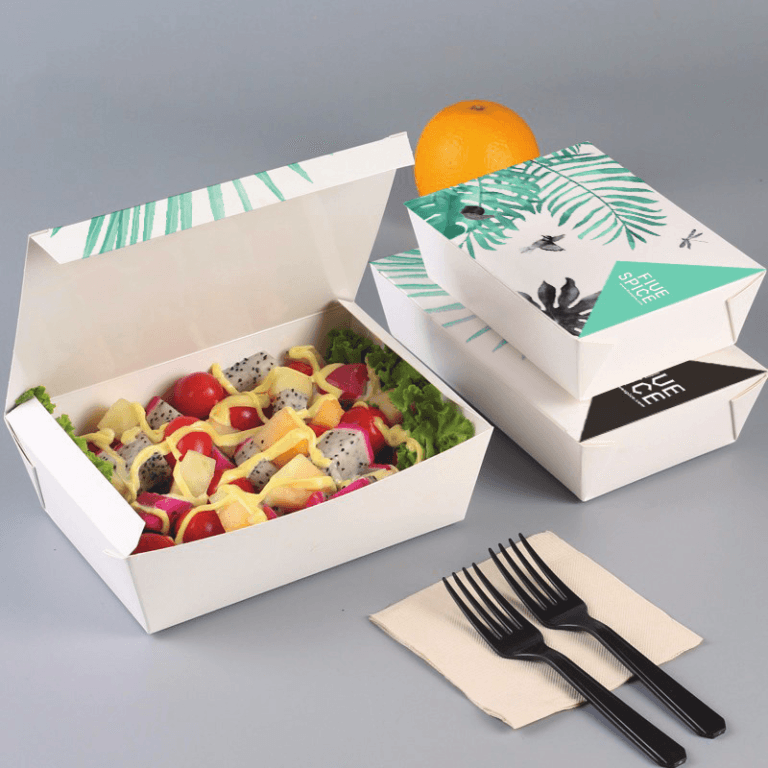
Yes, of course , packaging factory. These salad bowls kraft paper and can take hot food as well as cold food, hence usable for a range of dishes.

Characteristics and Advantages

Durability and Versatility: Resistant to moisture, chemicals, and breakage, plastic packaging ensures product integrity. Lightweight: Reduced weight facilitates lower transportation emissions, aiding energy savings. Cost-Effectiveness: Economically beneficial, with lower production costs compared to paper alternatives.

1. Paper-Based Packaging

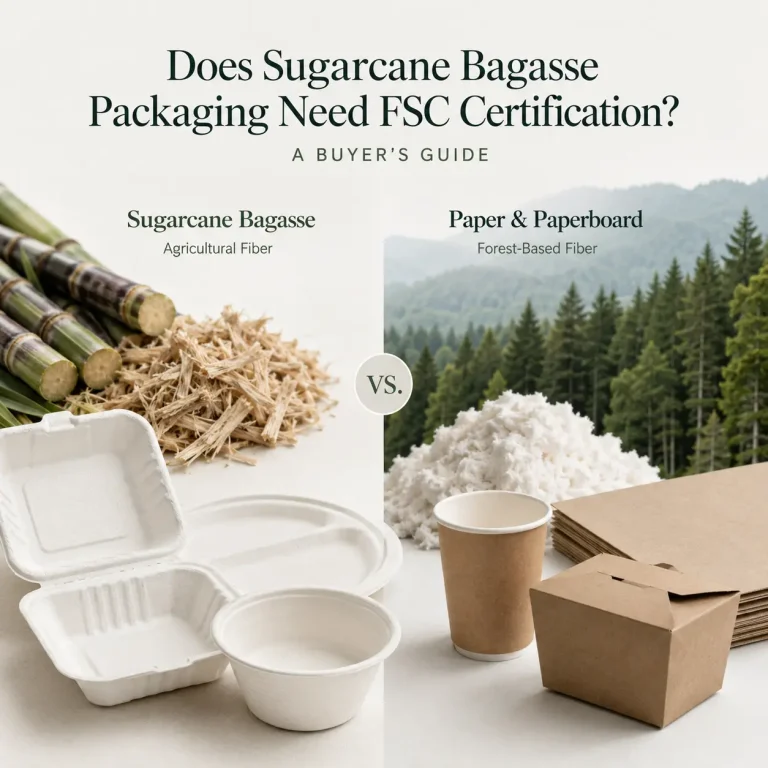
Materials: Paperboard, kraft paper, white cardboard, corrugated cardboard, and cupstock paper are widely used for burger boxes, French fry containers, takeaway boxes, soup bowls, salad bowls, and drink cups. Manufacturing Process: Paper-based materials are processed from pulp, formed into sheets, coated when needed, printed, die-cut, creased, folded, and glued into final packaging shapes. Features: Structural Integrity: Provides adequate support for dry, semi-wet, and selected hot food items when the correct paperboard thickness and coating are used — packaging factory. Branding Value: Offers a strong printable surface for logos, product names, QR codes, seasonal campaigns, and sustainability messages.

Related Insights

🚀Ready to Go Green and Choose ?

Join the global movement toward zero-waste packaging.


Bioleader® offers:

  • 📦 Bulk order support & fast delivery

  • ✍️ Custom branding and OEM solutions

  • 🌍 Worldwide eco-packaging compliance

Get the Catalogue Products List  & Contact Us Now! 👉

Contact us Below

Click or drag files to this area to upload.You can upload up to 5 files.
The more details you share, the faster and more accurate our quotation will be.