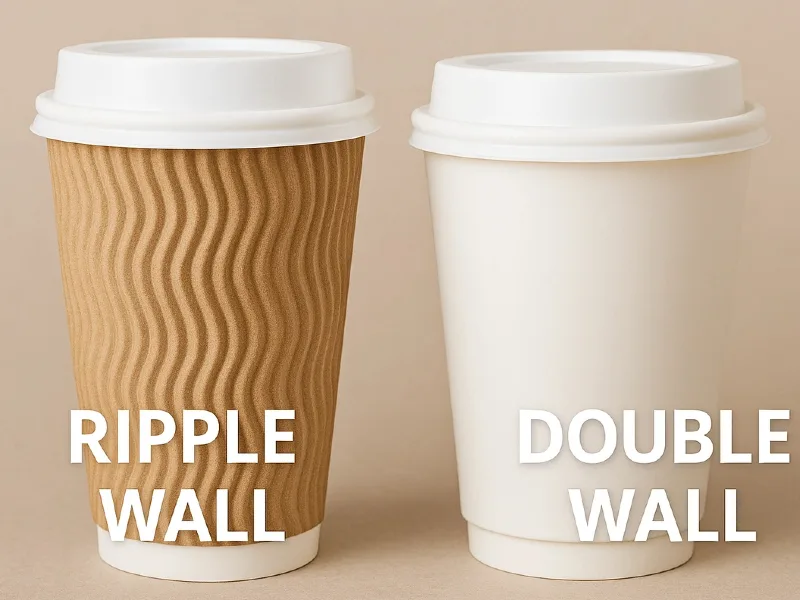
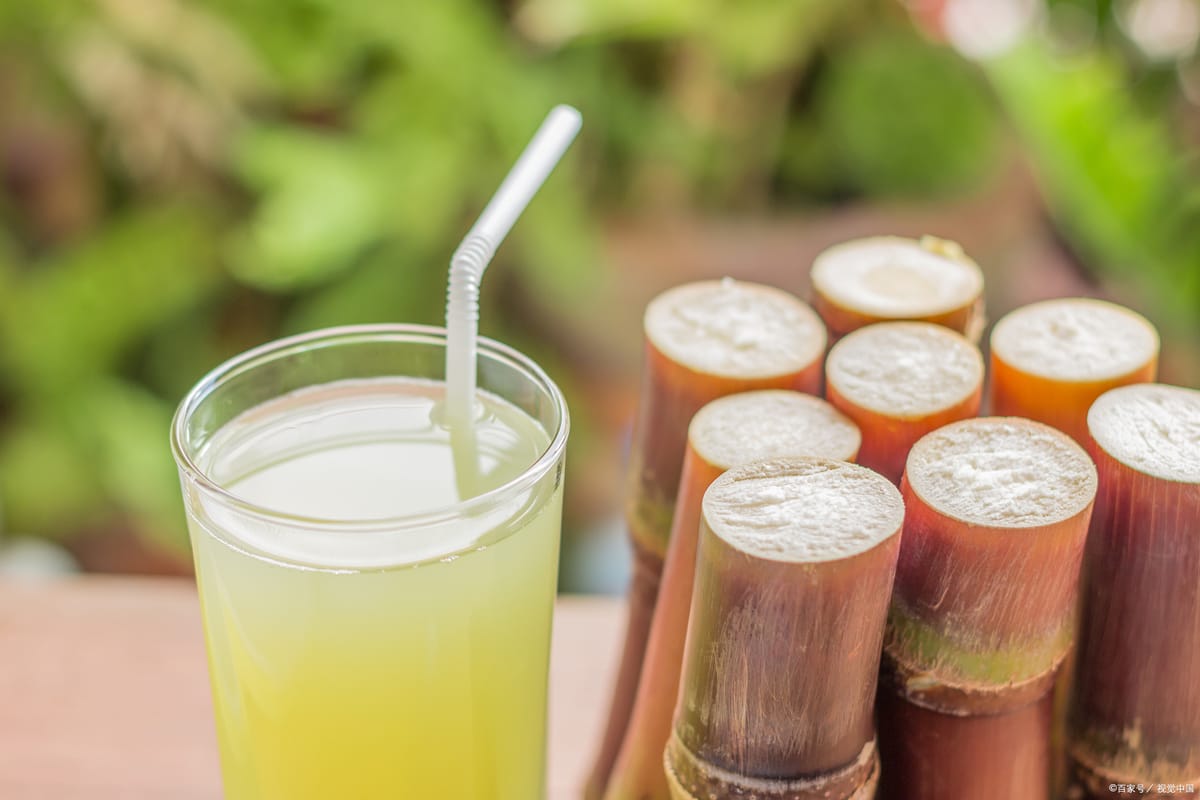
In 2025, food delivery is not just about speed, taste, or convenience—it’s about presentation with purpose. From Tokyo to Toronto, a global design shift is underway: restaurants and packaging suppliers are embracing minimalist packaging not only for its clean look, but also for its environmental and brand-building power.
Minimalist packaging is no longer niche. It’s a growing standard among eco-conscious eateries, premium takeaway services, and sustainability-minded consumers. Here’s how this trend is reshaping food delivery—and what makes it more than just a design choice.
What Is Minimalist Packaging and Why Is It Trending?
Minimalist packaging refers to containers, wraps, and cutlery that emphasize simplicity, function, and sustainability. It often features:
Natural tones (brown kraft, off-white bagasse, soft white CPLA)
Clean lines and minimal printing
Uncoated or lightly coated surfaces
Recyclable, compostable, or biodegradable materials
This visual restraint is more than just aesthetic. It appeals to modern diners who associate “clean design” with “clean ingredients”. In fact, studies show that minimalist product packaging enhances trust, product perception, and eco-value, especially among Gen Z and Millennials.
In a world oversaturated with plastic and bright branding, a plain brown bowl with a clear compostable lid feels fresh—and credible.
Minimalism Meets Sustainability: A Perfect Match for 2025
Minimalist packaging goes hand-in-hand with environmental goals:
Less ink = fewer chemicals
No full-color branding = easier recycling and composting
Natural materials = safer for consumers and compost facilities
Simplified form = reduced manufacturing complexity and cost
Sustainability regulations in Canada, the EU, and parts of Asia-Pacific are also pushing food brands toward PFAS-free, plastic-free, and biodegradable packaging options. And minimalist formats tend to meet these requirements more easily.
In short: minimalist = regulation-ready.
Food Delivery Brands Adopting the Minimalist Look
This trend isn’t just limited to high-end restaurants or boutique cafés. It’s sweeping across delivery apps, cloud kitchens, and QSR chains looking to upgrade their presentation without overhauling logistics.
Common examples include:
Salad bars using kraft paper bowls with pulp lids, often left unbranded or logo-stamped with soy ink
Poke and sushi shops serving in unbleached sugarcane fiber boxes
Bakeries wrapping items in grease-resistant kraft sheets
Third-party delivery brands using non-branded kraft or bagasse containers to allow white-label flexibility
Cities like Berlin, Los Angeles, Sydney, and Montreal have become hotspots for minimalist packaging, where a clean, natural presentation has become an unspoken brand signal: “We care about the planet and our food.”
Top Eco Materials for Minimalist Takeout Packaging
Let’s explore the materials helping brands go minimalist without sacrificing function.
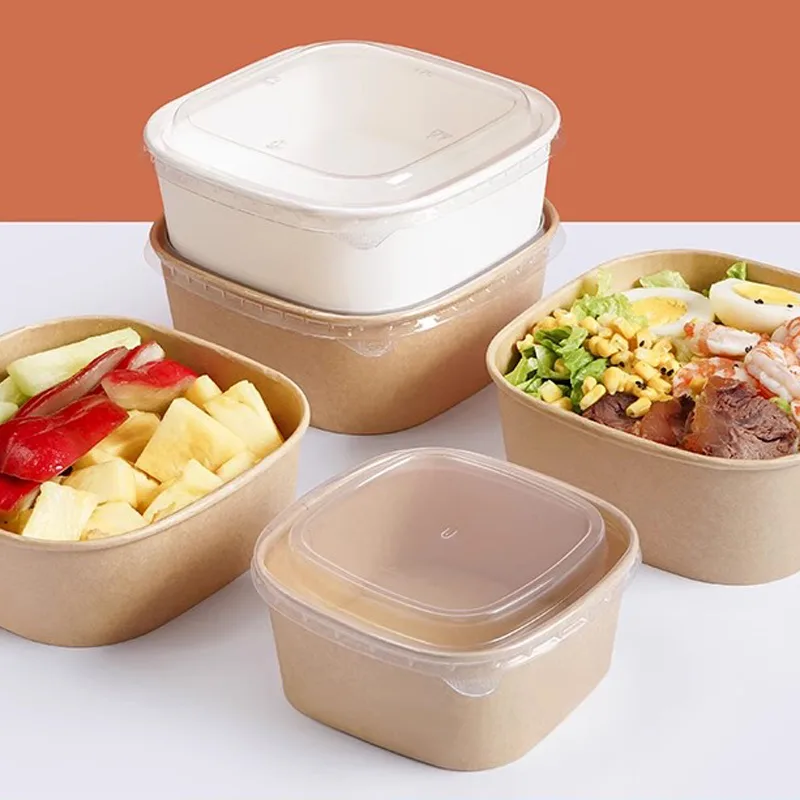
🥗 Kraft Paper Bowls for Salad, Poke & Soup
Kraft bowls offer the signature brown tone associated with minimalism. Their versatility suits both hot and cold foods, and they can be lined with PLA (plant-based) or PE depending on use case.
Optional clear lids allow for food visibility
Available in multiple sizes (500ml–1000ml)
Sturdy and printable with eco-friendly ink
These bowls are popular with healthy food cafés, poke shops, and salad bars looking for a neutral, premium container.
🍔 Unbleached Bagasse Clamshells and Trays
Made from sugarcane fiber pulp, bagasse packaging delivers on both texture and tone. The slightly fibrous off-white color creates a natural, organic appearance that fits perfectly with minimalist branding.
Microwave- and freezer-safe
Resistant to oil, sauce, and moisture
Stackable and durable for delivery
Commonly used for sandwiches, rice boxes, burger sets, and bakery items.

🍴 CPLA and Cornstarch Cutlery
Instead of using black or colorful plastic forks and knives, many brands now turn to plain white or natural-tone utensils made from compostable materials.
Cornstarch cutlery is ideal for cold dishes or light meals
CPLA cutlery is better for hot foods and formal sets (e.g., steak or pasta)
Both options can be provided in simple kraft paper sleeves for an all-natural look
Their neutral color and clean silhouette complete the minimalist set.
🥪 Kraft Paper Wraps and Sandwich Bags
Perfect for handheld foods, these wraps and bags are grease-resistant and biodegradable. When paired with simple stickers or stamped logos, they create a memorable but understated unboxing experience.
Used by bakeries, sandwich shops, and snack vendors
Easy to compost or recycle depending on coating
Popular in Europe and North America for artisanal food brands

Branding Without Overbranding: Let the Product Shine
Minimalism doesn’t mean you can’t brand—it just means you brand with intent.
Instead of flashy full-color prints, many food brands now opt for:
Stamped logos with water- or soy-based inks
Embossed textures (raised symbols on kraft lids or cups)
Die-cut windows (without plastic film)
QR-code stickers linking to menus or sustainability info
This lets the food and container do most of the talking. And customers appreciate packaging that feels as “clean” as the meal inside.
Case Study: A Poke Bowl Chain That Boosted Sales with Minimalist Packaging
NATU Bowl, a fast-casual poke franchise with locations in Sydney and Melbourne, faced increasing pressure to align its packaging with its sustainability-first branding. Previously, it used glossy plastic bowls with full-color print—but feedback from eco-conscious customers was mixed.
In 2024, the company switched to:
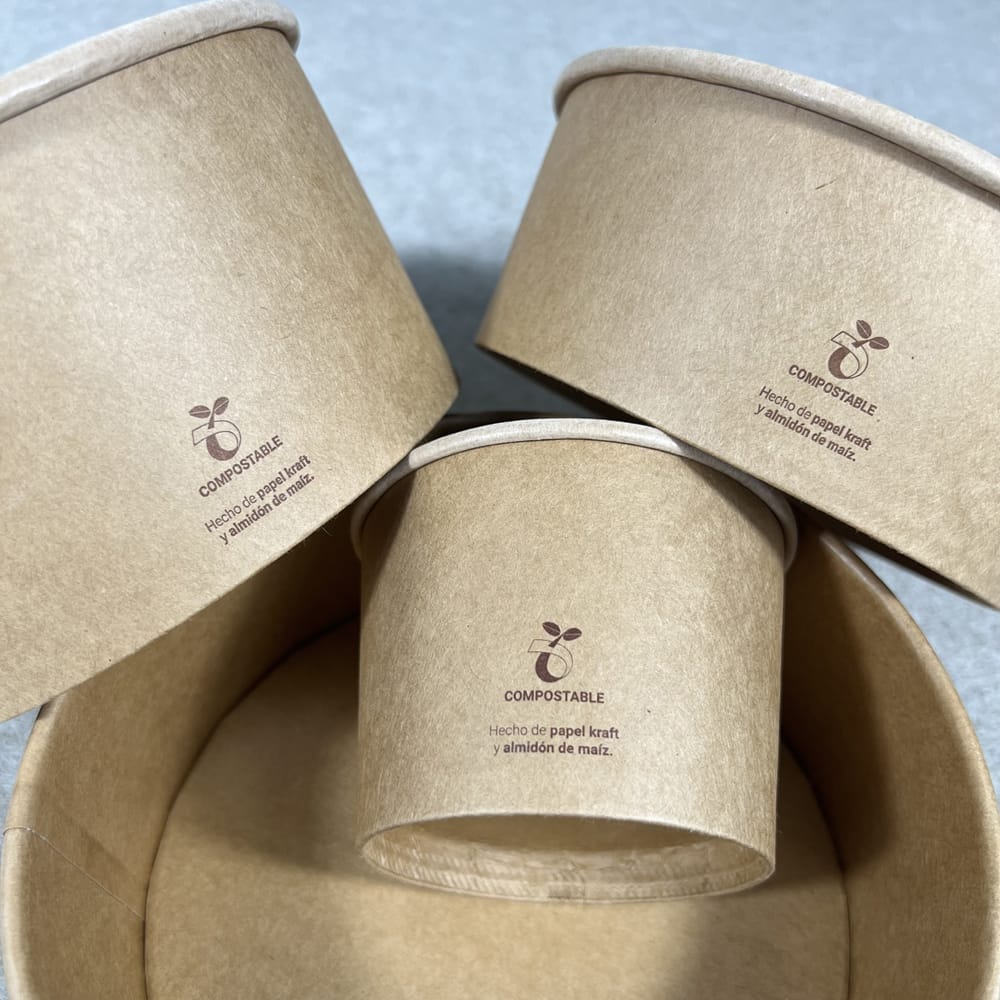
Kraft salad bowls with clear compostable lids
White CPLA cutlery in kraft paper sleeves
Stamped logos with soy-based ink
Unbranded kraft paper takeaway bags
Results after 3 months:
Packaging cost dropped 12% due to simplified sourcing
Instagram mentions of “eco packaging” rose by 40%
Customer satisfaction increased, especially among Gen Z diners
New business partnerships formed with green delivery platforms
This transition proved that less design can mean more value—visually and financially.
Conclusion: Minimalist Packaging Is the Future of Food Delivery
Minimalism in food packaging isn’t a passing trend—it’s a response to what modern consumers expect:
Simple = Clean
Natural = Sustainable
Minimal = Premium
For food businesses, adopting minimalist takeout packaging is more than a style choice. It’s a smart branding strategy, a compliance safeguard, and often, a cost-effective switch.
As the food delivery sector continues to grow in 2025, success will belong to those who deliver not just flavor—but values—in every container.
✅ Looking Ahead
Suppliers worldwide are now offering certified minimalist food packaging made from bagasse, kraft paper, PLA, CPLA, and cornstarch—designed for both functionality and aesthetic value. For restaurants, cafés, and delivery brands, this is the moment to embrace packaging that truly reflects your brand’s identity—clean, conscious, and compostable.
FAQs
1. What is minimalist eco packaging in food delivery?
Minimalist eco packaging refers to sustainable food containers with simple design—typically made from kraft paper, bagasse, PLA, or cornstarch—featuring neutral colors, minimal printing, and compostable materials.
2. Are kraft paper bowls biodegradable and safe for takeout?
Yes, kraft paper bowls are biodegradable and widely used for takeout. When lined with compostable PLA or PE, they are leak-proof, durable, and suitable for hot or cold foods.
3. Why are bagasse containers considered eco-friendly?
Bagasse containers are made from sugarcane fiber, a byproduct of the sugar industry. They are compostable, PFAS-free, microwave-safe, and offer a natural, unbleached look ideal for sustainable food packaging.
4. What makes minimalist packaging popular in 2025?
Minimalist packaging is popular because it reduces environmental impact, aligns with zero-waste goals, and appeals to modern consumers who value simplicity, authenticity, and clean design in food branding.
5. Can minimalist food packaging help restaurant branding?
Absolutely. Minimalist packaging creates a premium and eco-conscious image. Using unprinted kraft bowls, bagasse boxes, or subtle logo stamps can enhance brand identity without overwhelming visual clutter.
References
Government of Canada – Single-use Plastics Prohibition Regulations (SUPPR)
https://www.canada.ca/en/environment-climate-change/services/managing-reducing-waste/reduce-plastic-waste/single-use-plastic.htmlEllen MacArthur Foundation – The New Plastics Economy: Rethinking the future of plastics
https://ellenmacarthurfoundation.org/the-new-plastics-economyWikipedia – Sustainable packaging
https://en.wikipedia.org/wiki/Sustainable_packagingEuropean Bioplastics – Environmental benefits of biodegradable materials
https://www.european-bioplastics.org/bioplastics/environment/Environmental Working Group (EWG) – PFAS in Food Packaging: What You Need to Know
https://www.ewg.org/pfaschemicals/Bioleader® Official Website – Minimalist Compostable Tableware Solutions
https://www.bioleaderpack.comWorld Economic Forum – Why minimalist design is the future of sustainable branding
https://www.weforum.org/agenda/2022/09/minimalist-design-sustainable-packaging-brand/