









Introduction
Packaging waste is a major environmental concern, as discarded containers, wrappers, and bags pile up in landfills and leak into oceans. Global awareness of this issue is growing – for example, over 80% of marine litter is plastic, harming wildlife and entering the food chain.Yet despite recycling efforts, only about 9% of all plastic produced has ever been recycled, with the rest incinerated, landfilled, or polluting the environment. In response, businesses and consumers are seeking eco-friendly packaging solutions, often encountering buzzwords like recyclable, biodegradable, and compostable. But what do these terms really mean, and how do these materials impact the planet?
This comprehensive guide will clarify the key differences between recyclable, biodegradable, and compostable packaging. We will delve into scientific research on their environmental impact, discuss practical considerations for choosing sustainable packaging, outline the regulatory landscape and certifications, and address common challenges and misconceptions. Finally, we’ll highlight case studies of companies leading the way in sustainable packaging and offer a call to action with actionable steps for businesses and consumers to transition toward more eco-friendly packaging.
Understanding Recyclable, Biodegradable, and Compostable Packaging
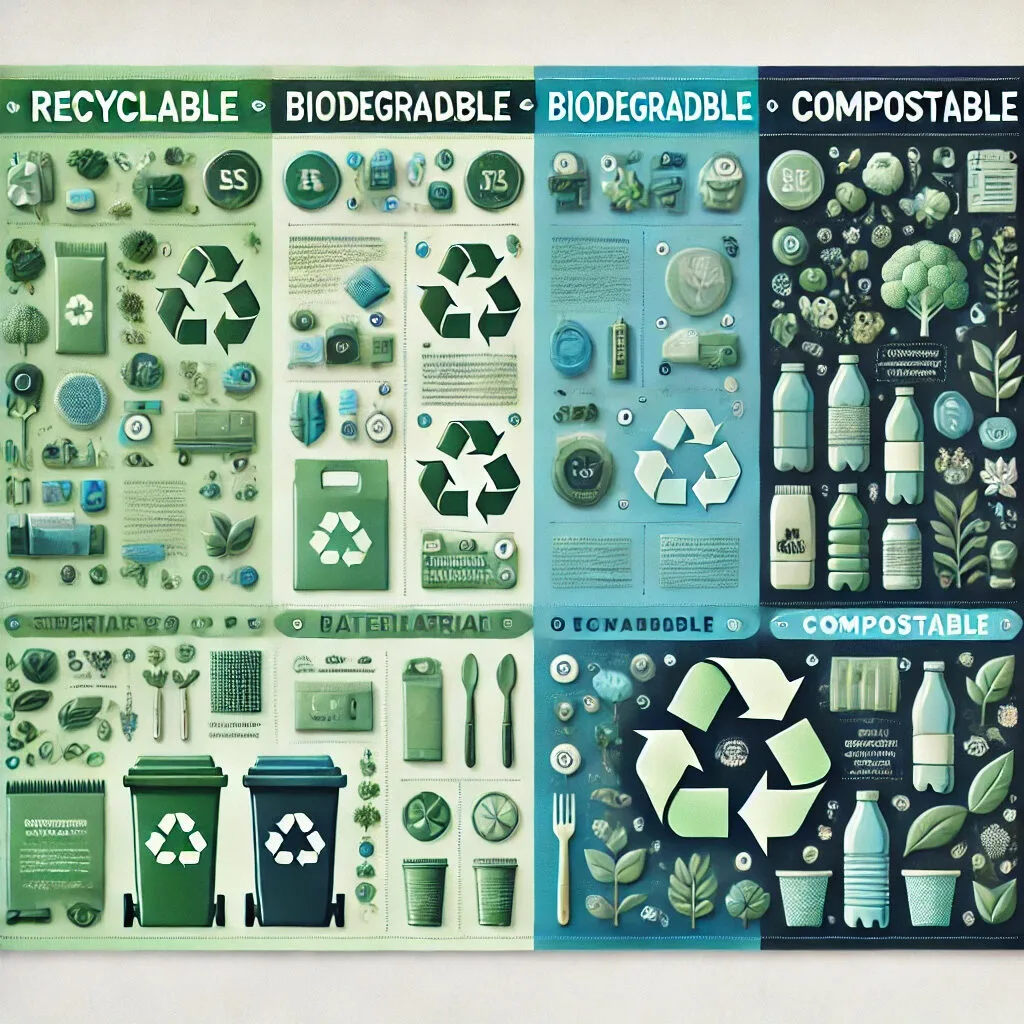
Recyclable, biodegradable, and compostable are often used interchangeably in casual conversation, but they refer to different end-of-life pathways for materials. Below, we define each term and explain how these packaging materials behave after use:
What is Recyclable Packaging?
Recyclable packaging consists of materials that can be collected, processed, and transformed into new products. Common recyclable materials include:
- Metals (aluminum cans, tin cans)
- Glass (bottles, jars)
- Paper & Cardboard (corrugated boxes, newspapers)
- Certain Plastics (PET, HDPE, PP)
Advantages:
- Reduces resource extraction (e.g., recycling aluminum saves up to 95% of the energy required for new aluminum production).
- Minimizes landfill waste and pollution.
- Can be recycled multiple times, especially metals and glass.
Challenges:
- Recycling rates vary by material; global plastic recycling is only around 9%.
- Contamination (food waste, mixed materials) can render recyclable materials non-recyclable.
- Not all plastics are recyclable due to sorting limitations.
What is Biodegradable Packaging?
Biodegradable packaging naturally breaks down into water, CO₂, and biomass through microbial action. However, biodegradability depends on specific environmental conditions (temperature, moisture, microbial presence).
Advantages:
- Reduces long-term plastic pollution.
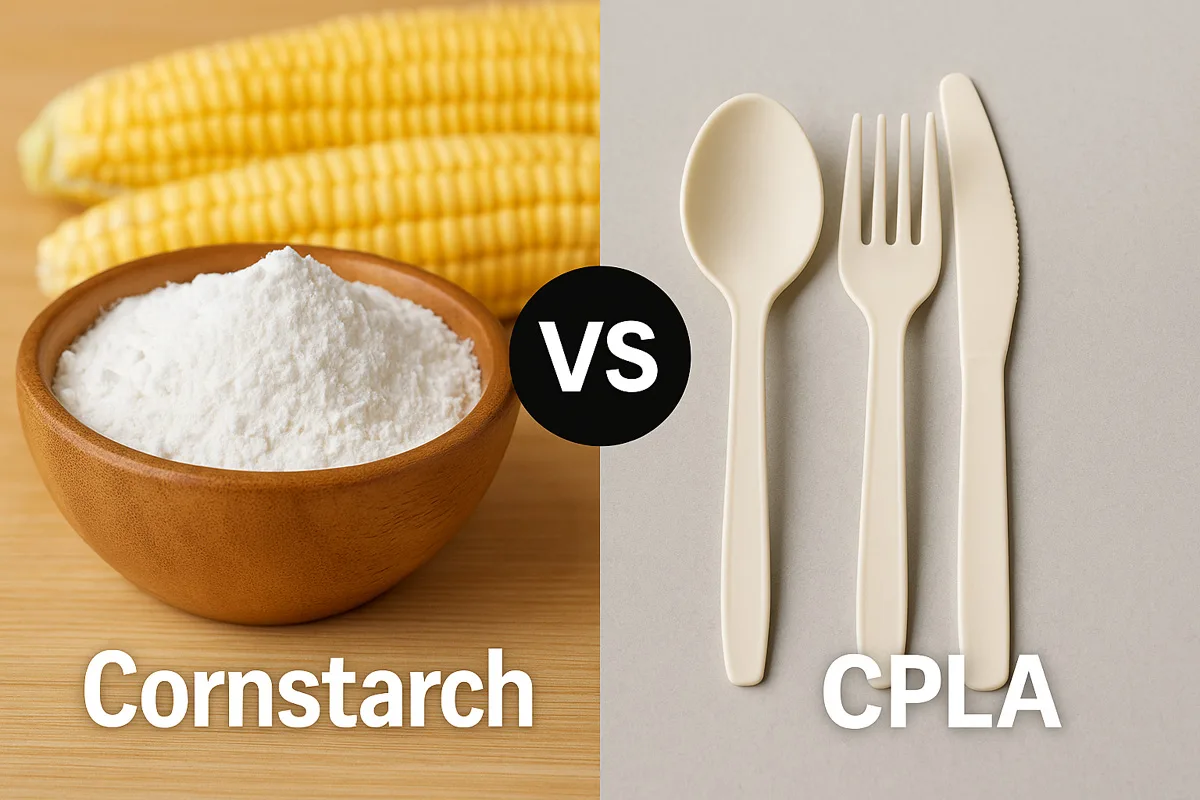
- Can be derived from renewable materials (e.g., cornstarch, sugarcane, bamboo).
Challenges:
- No clear timeframe for breakdown—some materials take years to degrade.
- Decomposition in landfills can produce methane, a potent greenhouse gas.
- Misleading marketing can lead to consumer confusion (e.g., “biodegradable” plastic does not necessarily mean compostable).
What is Compostable Packaging?
Compostable packaging is a subset of biodegradable packaging designed to decompose into nutrient-rich soil under composting conditions. Standards such as ASTM D6400 (USA) and EN 13432 (EU) certify compostability.
Advantages:
- Fully breaks down into beneficial compost without toxic residues.
- Helps divert organic waste from landfills.
- Ideal for food packaging that would otherwise be contaminated for recycling.
Challenges:
- Requires industrial composting conditions (high heat, controlled moisture); only a small percentage of consumers have access to composting facilities.
- Cannot be mixed with recyclable plastics.
- If disposed of incorrectly, offers no advantage over conventional plastic.
Environmental Impact: Comparing Sustainability Factors
For a side-by-side comparison, the table below summarizes the differences between recyclable, biodegradable, and compostable packaging:
| Factor | Recyclable | Biodegradable | Compostable |
|---|---|---|---|
| Breakdown Time | Can be recycled multiple times | Varies widely (months to decades) | 90% decomposition in 180 days (industrial composting) |
| Infrastructure Needed | Collection & sorting for processing | Natural decomposition (varies by environment) | Industrial composting facilities |
| End Product | New products made from raw material | CO₂, water, biomass | Nutrient-rich compost |
| Major Challenge | Contamination & low recycling rates | Unclear labeling & landfill methane production | Lack of composting facilities |
Key Takeaway: Each packaging type has advantages and limitations. The most sustainable choice depends on the disposal system available.
Practical Recommendations for Businesses and Consumers
For Businesses: Sustainable Packaging Strategies
- Minimize Packaging Use: Optimize packaging design to reduce unnecessary materials (e.g., thinner plastic, reduced layers).
- Use Recycled Materials: Incorporate post-consumer recycled content into packaging (e.g., Unilever’s Dove bottles made from 100% recycled plastic).
- Select the Right End-of-Life Pathway:
- Use recyclable materials where infrastructure supports effective recycling.
- Use compostable packaging when dealing with food waste to avoid contamination issues.
- Avoid misleading “biodegradable” claims unless conditions ensure effective breakdown.
- Certify and Clearly Label Packaging: Ensure compostable products meet standards such as BPI (Biodegradable Products Institute) in North America or OK Compost in Europe.
For Consumers: Responsible Disposal Practices
- Follow Local Recycling Guidelines: Contamination (e.g., food residue) reduces the recyclability of materials.
- Do Not Assume Biodegradable = Compostable: Only certified compostable items should go into compost bins.
- Reduce Single-Use Packaging: Opt for reusable alternatives like refillable water bottles, cloth bags, and bulk shopping.
- Support Sustainable Brands: Choose businesses committed to sustainable packaging initiatives.
Global Regulations and Certification Standards
United States
- FTC Green Guides regulate environmental marketing claims to prevent misleading labels.
- ASTM D6400 and BPI certification certify compostable plastics.
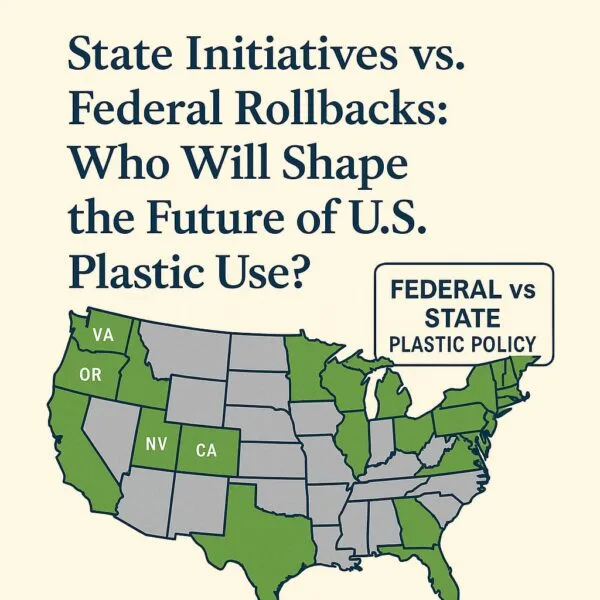
- Some states (e.g., California, Washington) have banned misleading “biodegradable” plastic labels.
European Union
- EU Packaging and Packaging Waste Directive sets strict recycling and composting targets.
- Single-Use Plastics Directive (2019) bans oxo-degradable plastics and mandates recyclability.
- EN 13432 ensures compostable packaging meets decomposition and toxicity standards.
Other Global Regulations
- China has banned the import of foreign plastic waste and imposed restrictions on single-use plastics.
- India has introduced bans on specific plastic products, promoting biodegradable alternatives.
- Australia & Canada aim for 100% reusable, recyclable, or compostable packaging by 2025.
Case Studies: Businesses Leading in Sustainable Packaging
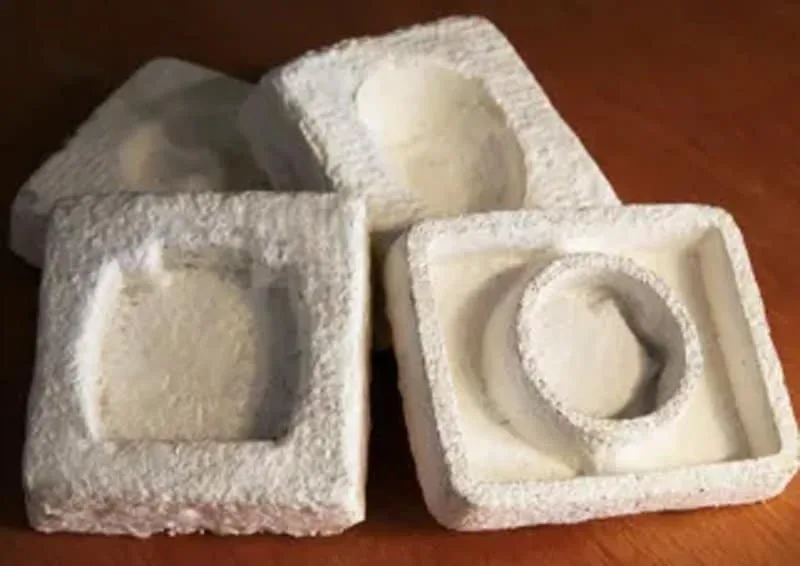
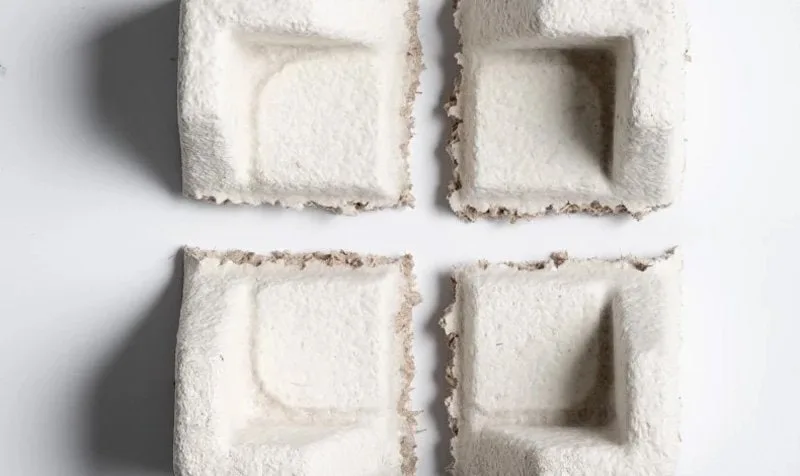
1. Dell – Mushroom-Based Packaging
Dell replaced Styrofoam with compostable mushroom-based packaging, demonstrating sustainable innovation in electronics shipping.
2. Bioleader – PLA-Based Compostable Packaging
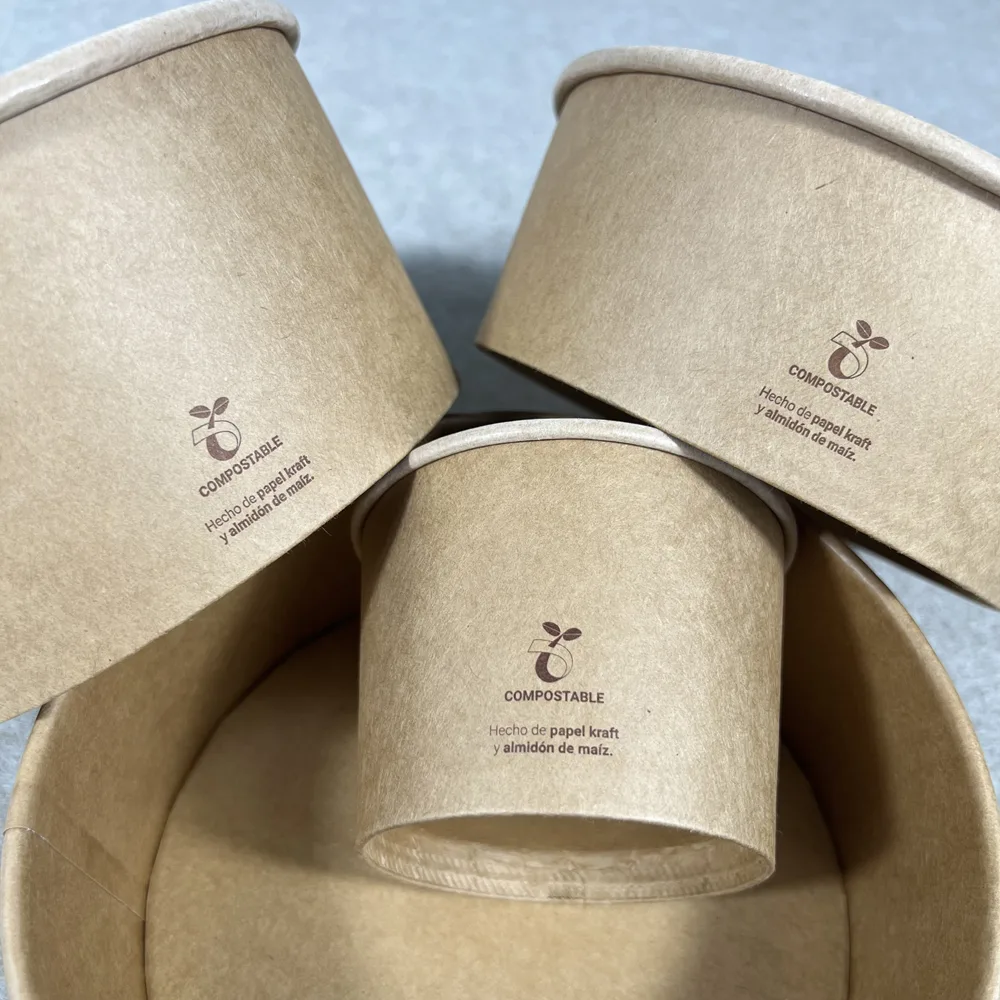
Bioleader developed compostable PLA film for salad bowls and food containers, which degrades quickly in natural environments without industrial composting.
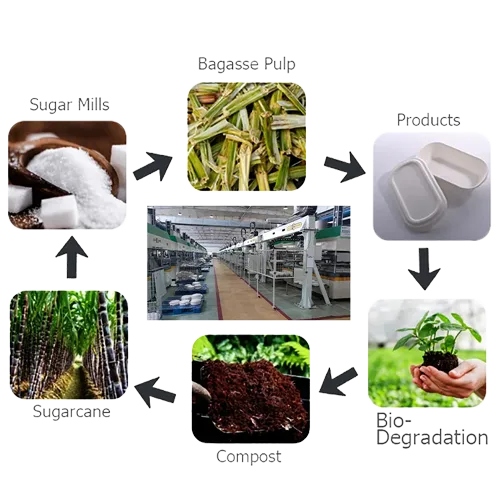
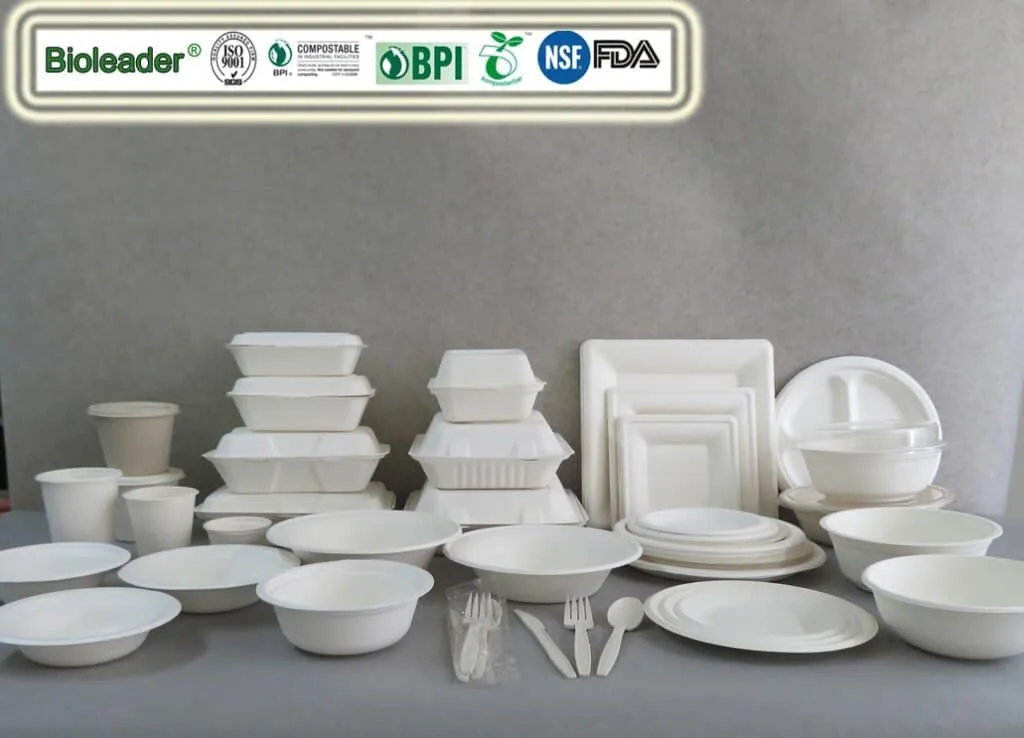
3. Bioleader Pack – Sugarcane Bagasse Tableware Biodegradable Food Packaging
Bioleader committed to 100% biodegradable & compostable packaging from 2012, contains bagasse plates, bagasse clamshell boxes, bagasse food containers, bagasse bowls, bagasse trays……
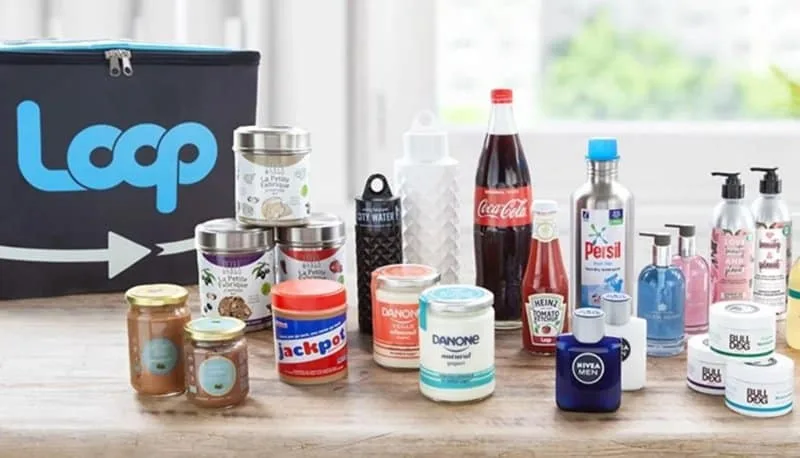
4. Loop by TerraCycle – Circular Reusable Packaging
Loop partners with major brands to introduce reusable packaging, reducing single-use waste and promoting a circular economy.
Challenges and Future Outlook
Ongoing Challenges
- Infrastructure Deficiencies: Limited access to composting and recycling facilities hinders adoption.
- Consumer Confusion: Misleading labels and improper sorting reduce effectiveness.
- Cost Considerations: Sustainable materials often cost more, requiring industry-scale adoption for cost reduction.
Future Trends
- Advancements in Bioplastics: Research into algae-based and bacterial-derived plastics could revolutionize sustainable packaging.
- Global Policy Alignment: Stricter regulations and extended producer responsibility (EPR) programs will drive sustainability.
- AI & Technology in Waste Sorting: AI-enhanced recycling systems will improve material recovery and reduce contamination.

FAQ
Conclusion and Call to Action
Choosing sustainable packaging requires a collaborative effort across businesses, policymakers, and consumers. While recyclable, biodegradable, and compostable materials each play a role in waste reduction, their impact depends on proper disposal, infrastructure, and consumer education. By embracing innovation, following regulatory guidelines, and making informed choices, we can collectively reduce waste and promote a truly circular economy.
What You Can Do Today:
- Businesses: Invest in sustainable packaging and educate consumers.
- Consumers: Dispose of packaging responsibly and support sustainable brands.
- Governments: Expand infrastructure and strengthen regulations.
By working together, we can create a future where packaging is truly eco-friendly and waste-free.