​ Eco-friendly Packaging: A Straightforward Guide | Bioleader®

Actionable coverage of ​ eco-friendly packaging: eco-friendly, biodegradable, compostable materials, performance data, and compliance under EN13432 & ASTM D6400. Includes BPI/TÜV references and Food-Contact Tested guidance for safe deployment. Buyer-focused: manufacturer insights, bulk/wholesale buying playbooks, OEM/ODM customization tips, full size range selection.

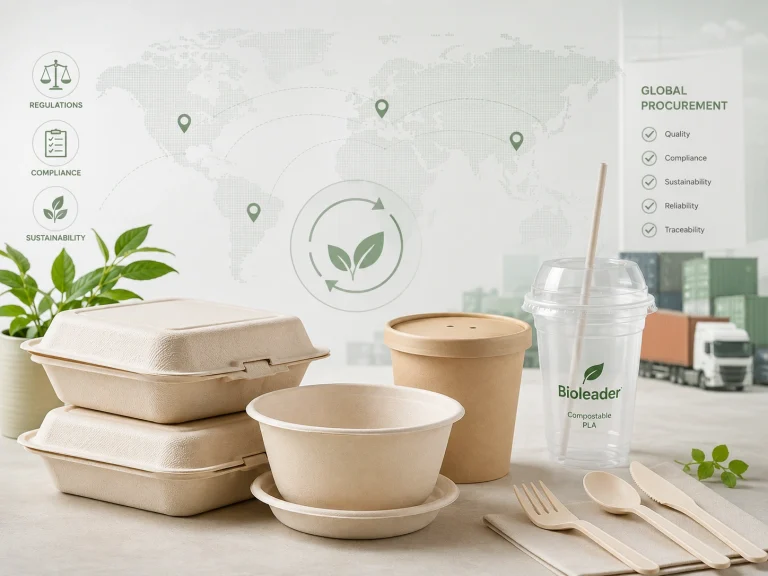
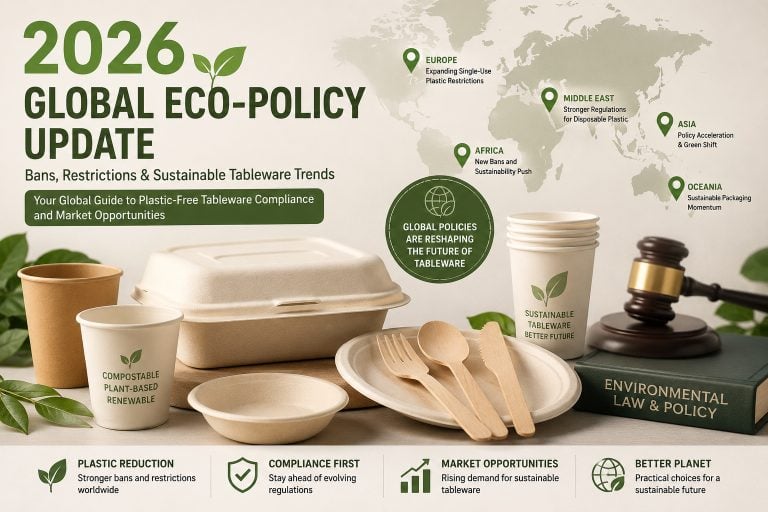
Global plastic restrictions are no longer focused only on banning specific disposable products. In 2026, food packaging regulations are increasingly moving toward compliance verification, recycling responsibility, data reporting, reverse logistics, recycled-content calculation, and clearer sustainability claims. For restaurants, importers, distributors, and foodservice operators, packaging procurement now requires a careful review of material performance, certifications, end-of-life systems, and supplier documentation.

​ eco-friendly packaging — Quick Summary
  • Items displayed (articles): 12
  • Last updated: 2026-07-09
  • Includes test data, compliance guides, buyer FAQs, and real-world use cases.

Editor’s Picks: Top ​ Eco-friendly Packaging Guides 2026

FAQ of Bioleader's Eco-friendly Disposable Tableware

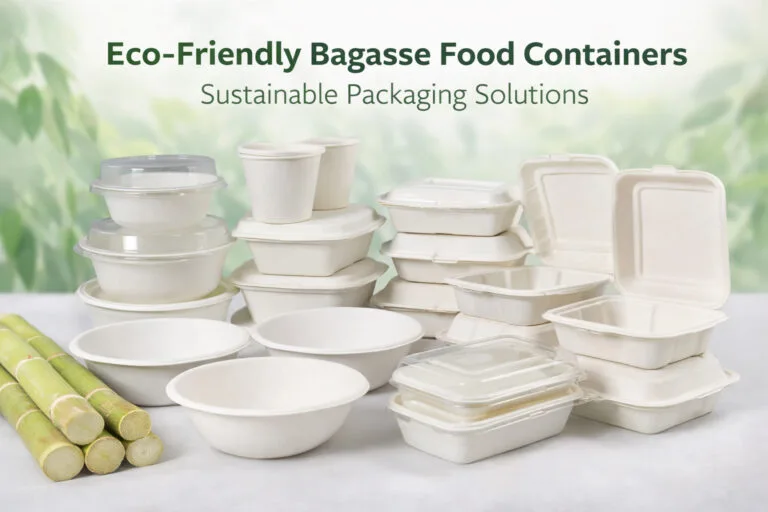
What sizes are available for these biodegradable bowls?

Our bowls come in multiple sizes, ranging from 500ml to 1500ml (approximately 8oz to 48oz), offering flexibility for different portion needs.

Do the lids hold tight so there are no leakage problems while in transit?

Yes, the lids are designed in such a way that they are fastened to the container securely and will not let the contents escape or leak during transit, which is an ideal characteristic for takeaway and delivery orders.

Are they safe for microwave heating?

Yes, these compostable bowls can be used in the microwave to reheat the food in the same container in which it was packed.

For Businesses: Sustainable Packaging Strategies

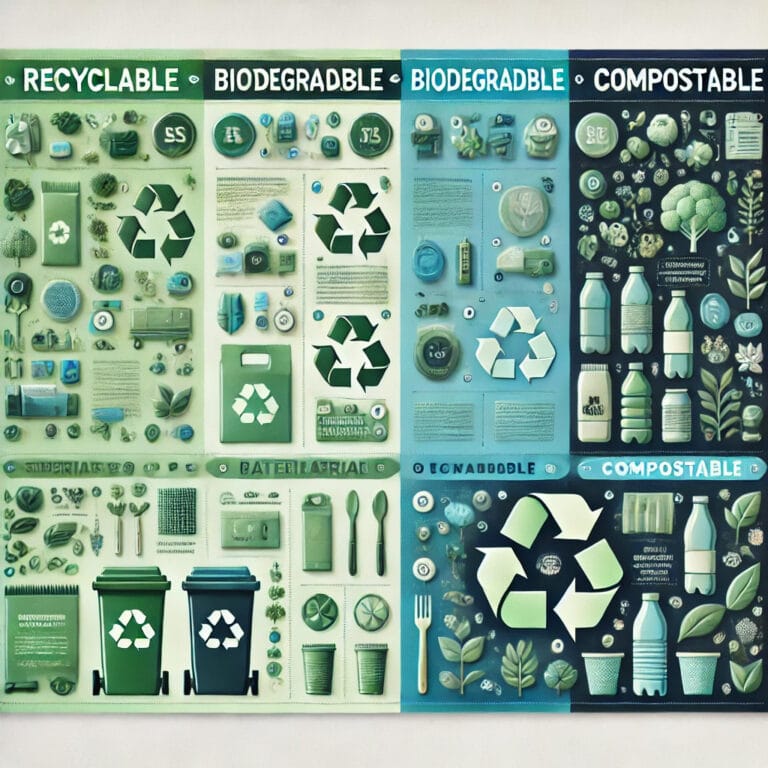
Minimize Packaging Use: Optimize packaging design to reduce unnecessary materials (e.g., thinner plastic, reduced layers) — ​ eco-friendly packaging. Use Recycled Materials: Incorporate post-consumer recycled content into packaging (e.g., Unilever’s Dove bottles made from 100% recycled plastic) — ​ eco-friendly packaging. Select the Right End-of-Life Pathway: Use recyclable materials where infrastructure supports effective recycling. Use compostable packaging when dealing with food waste to avoid contamination issues — ​ eco-friendly packaging.

United States

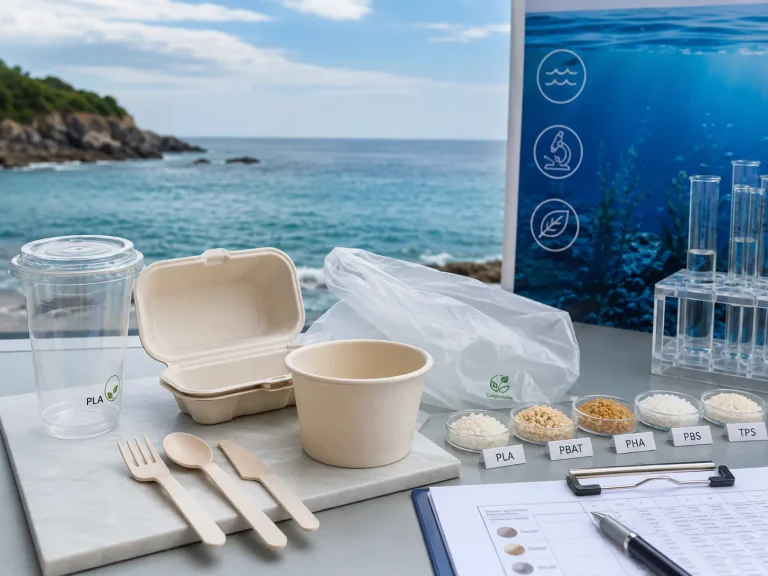
FTC Green Guides regulate environmental marketing claims to prevent misleading labels. ASTM D6400 and BPI certification certify compostable plastics. Some states (e.g., California, Washington) have banned misleading “biodegradable” plastic labels.

Related Insights

🚀Ready to Go Green and Choose ?

Join the global movement toward zero-waste packaging.


Bioleader® offers:

  • 📦 Bulk order support & fast delivery

  • ✍️ Custom branding and OEM solutions

  • 🌍 Worldwide eco-packaging compliance

Get the Catalogue Products List  & Contact Us Now! 👉

Contact us Below

Click or drag files to this area to upload.You can upload up to 5 files.
The more details you share, the faster and more accurate our quotation will be.