​ Recyclable Materials Overview For Businesses | Bioleader® Insights

Actionable coverage of ​ recyclable materials: eco-friendly, biodegradable, compostable materials, performance data, and compliance under EN13432 & ASTM D6400. Includes BPI/TÜV references and Food-Contact Tested guidance for safe deployment. Buyer-focused: manufacturer insights, bulk/wholesale buying playbooks, OEM/ODM customization tips, full size range selection.

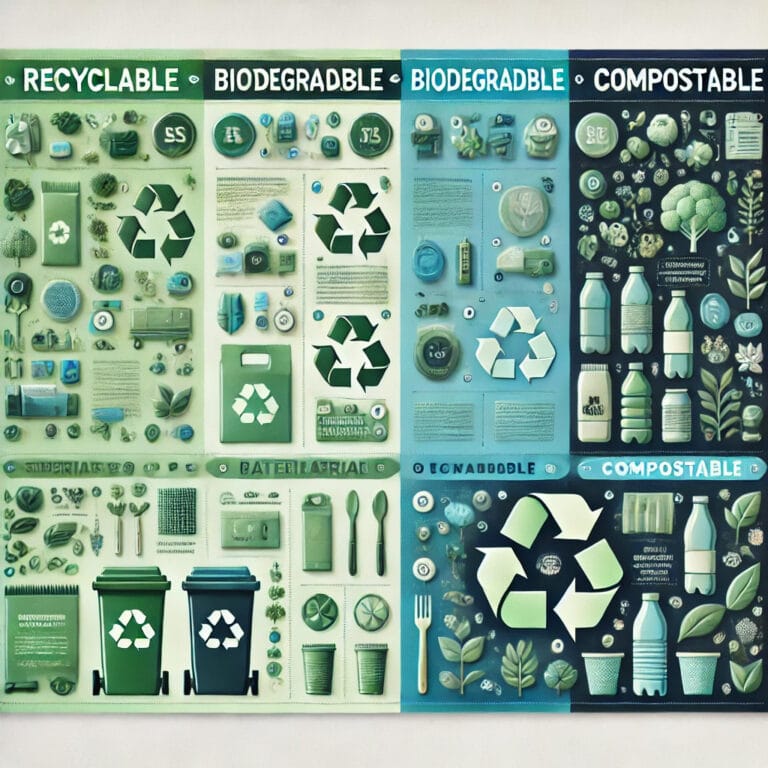
Packaging waste is a major environmental concern, as discarded containers, wrappers, and bags pile up in landfills and leak into oceans. Global awareness of this issue is growing – for example, over 80% of marine litter is plastic, harming wildlife and entering the food chain​.Yet despite recycling efforts, only about 9% of all plastic produced has ever been recycled​, with the rest incinerated, landfilled, or polluting the environment. In response, businesses and consumers are seeking eco-friendly packaging solutions, often encountering buzzwords like recyclable, biodegradable, and compostable. But what do these terms really mean, and how do these materials impact the planet?

​ recyclable materials — Quick Summary
  • Items displayed (articles): 12
  • Last updated: 2025-03-13
  • Includes test data, compliance guides, buyer FAQs, and real-world use cases.

Editor’s Picks: Top ​ Recyclable Materials Guides 2026

FAQ of Bioleader's Eco-friendly Disposable Tableware

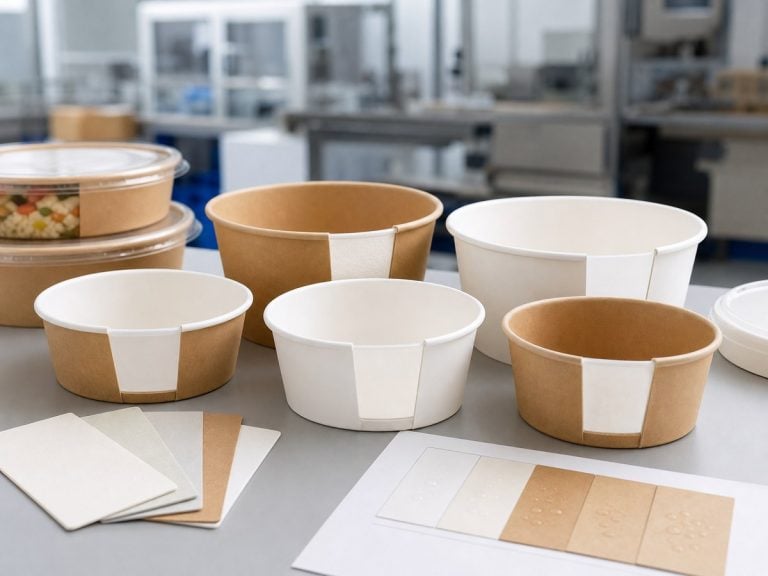
Do the containers comply with environmentally friendly customs?

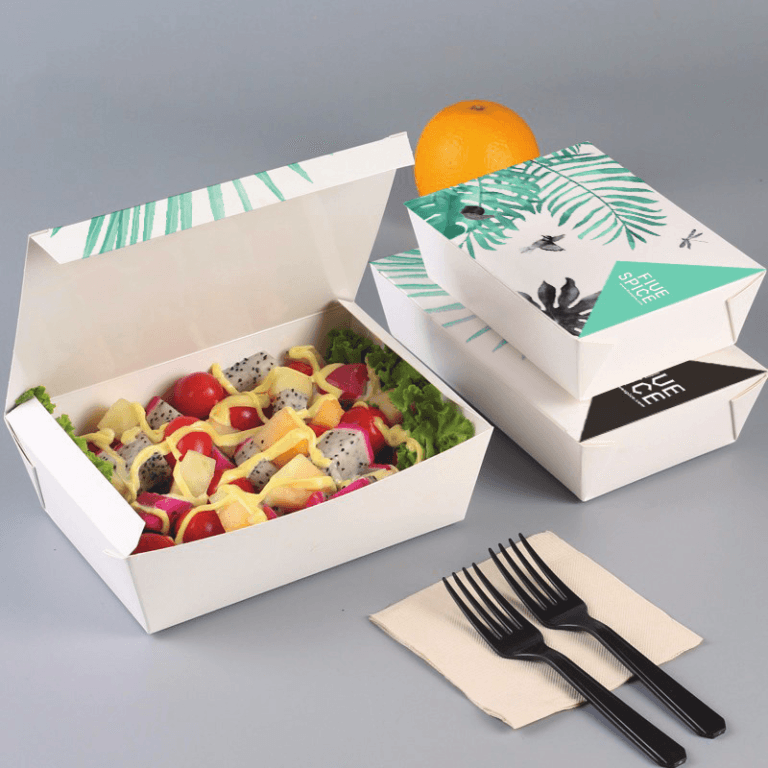
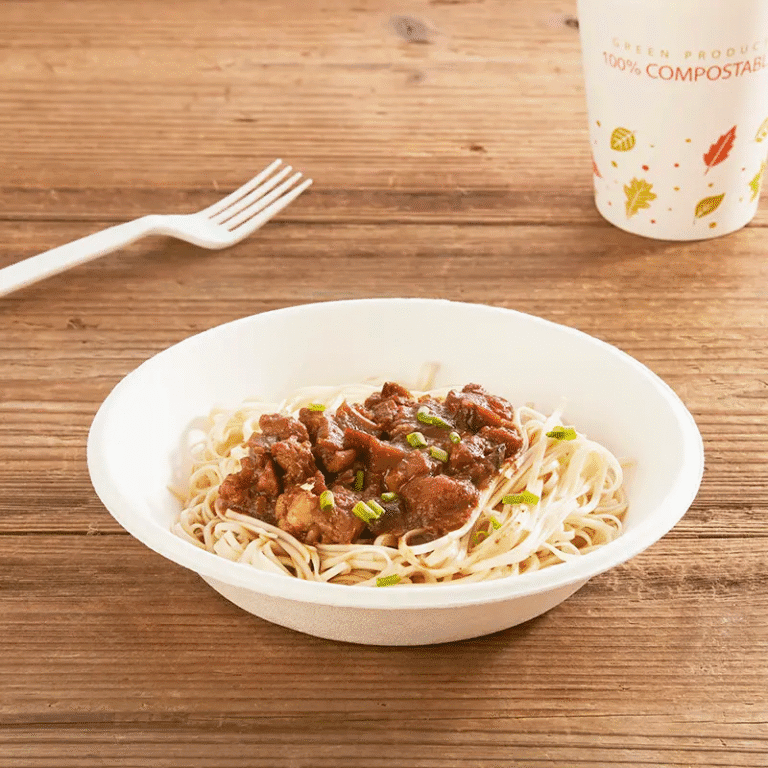
Yes, our to go salad bowls are eco friendly because it is made of biodegradable materials such as kraft paper and white paper card board which is better than plastic.

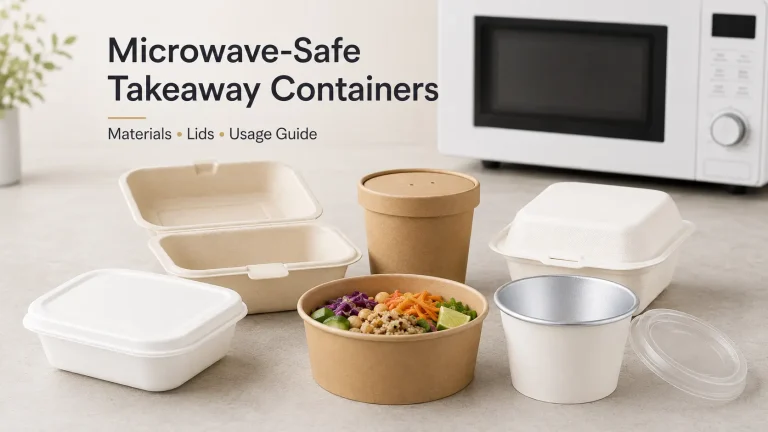
Can they be put in the microwave?

Yes, they can be put in a microwave even though there is no instruction to that, which makes it easier as meals can be quickly reheated in the same bowl.

Is there a possibility to order the bowls with my logo?

Of course! Custom printing is an opportunity for you to order bowls with your logo or design printed on them. Do not hesitate to ask for additional information regarding the special applications , ​ recyclable materials.

For Businesses: Sustainable Packaging Strategies

Minimize Packaging Use: Optimize packaging design to reduce unnecessary materials (e.g., thinner plastic, reduced layers). Use Recycled Materials: Incorporate post-consumer recycled content into packaging (e.g., Unilever’s Dove bottles made from 100% recycled plastic). Select the Right End-of-Life Pathway: Use recyclable materials where infrastructure supports effective recycling. Use compostable packaging when dealing with food waste to avoid contamination issues.

For Consumers: Responsible Disposal Practices

Follow Local Recycling Guidelines: Contamination (e.g., food residue) reduces the recyclability of materials. Do Not Assume Biodegradable = Compostable: Only certified compostable items should go into compost bins — ​ recyclable materials. Reduce Single-Use Packaging: Opt for reusable alternatives like refillable water bottles, cloth bags, and bulk shopping. Support Sustainable Brands: Choose businesses committed to sustainable packaging initiatives , ​ recyclable materials.

Related Insights

🚀Ready to Go Green and Choose ?

Join the global movement toward zero-waste packaging.


Bioleader® offers:

  • 📦 Bulk order support & fast delivery

  • ✍️ Custom branding and OEM solutions

  • 🌍 Worldwide eco-packaging compliance

Get the Catalogue Products List  & Contact Us Now! 👉

Contact us Below

Click or drag files to this area to upload.You can upload up to 5 files.
The more details you share, the faster and more accurate our quotation will be.