​ Eco-friendly Packaging Factory Compliance Checklist | Bioleader® Guides

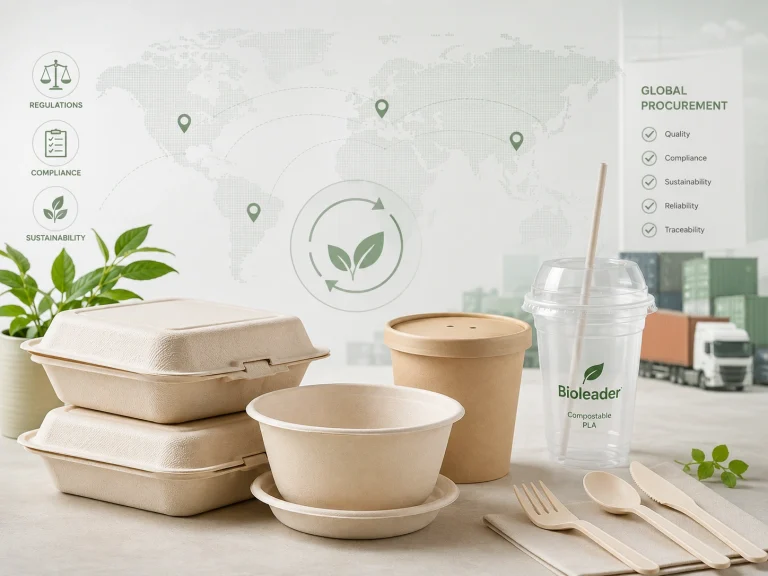
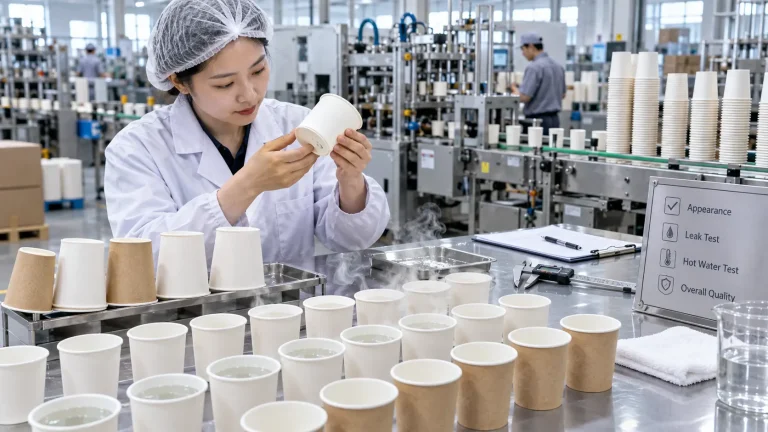
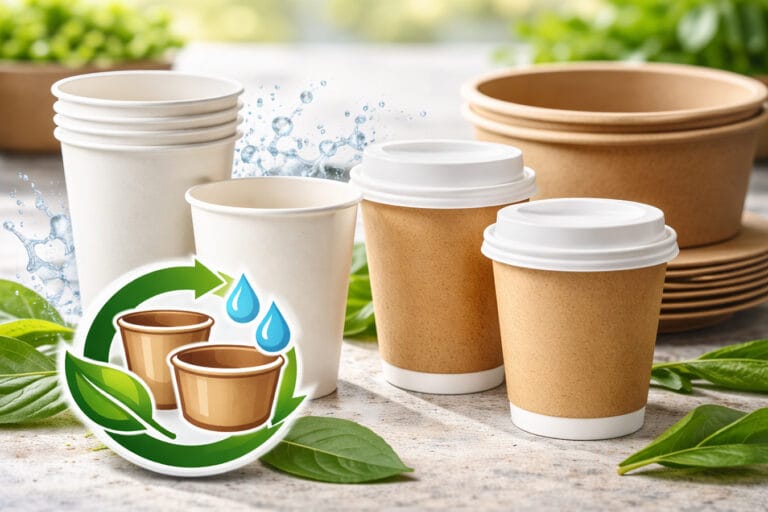
Actionable coverage of ​ eco-friendly packaging factory: eco-friendly, biodegradable, compostable materials, performance data, and compliance under EN13432 & ASTM D6400. Includes BPI/TÜV references and Food-Contact Tested guidance for safe deployment. Buyer-focused: manufacturer insights, bulk/wholesale buying playbooks, OEM/ODM customization tips, full size range selection.
​ eco-friendly packaging factory — Quick Summary
  • Items displayed (articles): 12
  • Last updated: 2025-03-13
  • Includes test data, compliance guides, buyer FAQs, and real-world use cases.

Editor’s Picks: Top ​ Eco-friendly Packaging Factory Guides 2026

FAQ of Bioleader's Eco-friendly Disposable Tableware

2. Are bagasse trays safe for hot and cold foods?

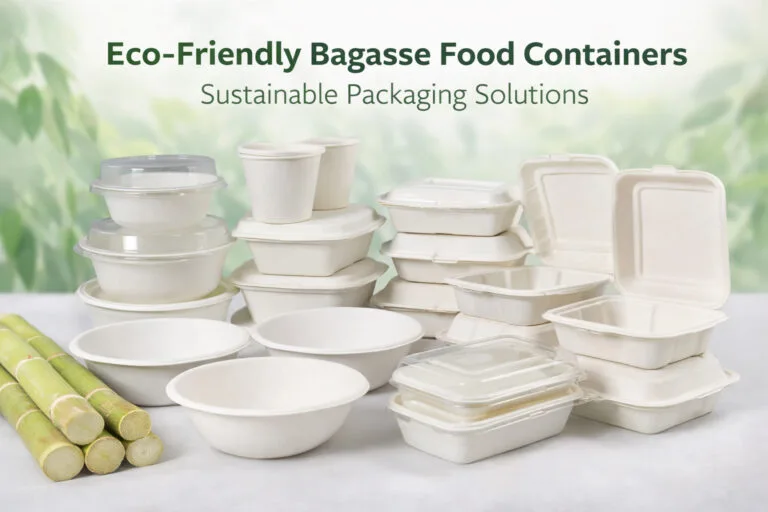
Yes. Bagasse trays are heat-resistant up to 120°C and freezer-safe, making them suitable for both hot meals and cold items — ​ eco-friendly packaging factory. They are commonly used for takeout, school lunches, airline catering, and meal prep.

PFAS-Free and BPA-Free

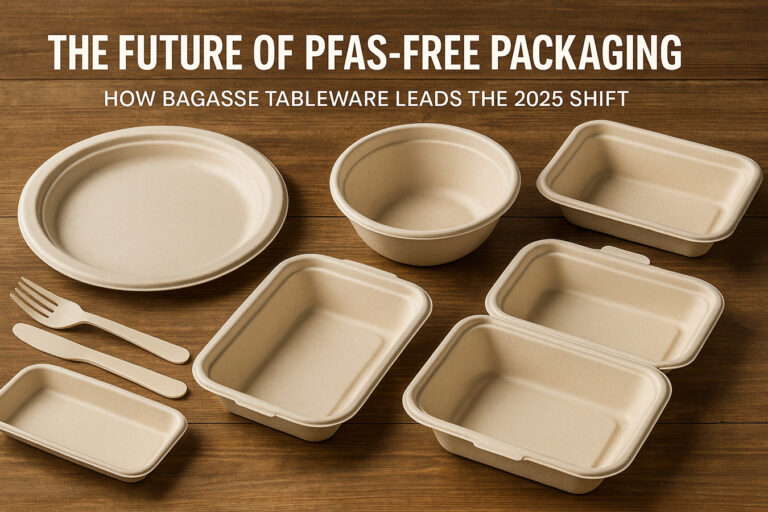
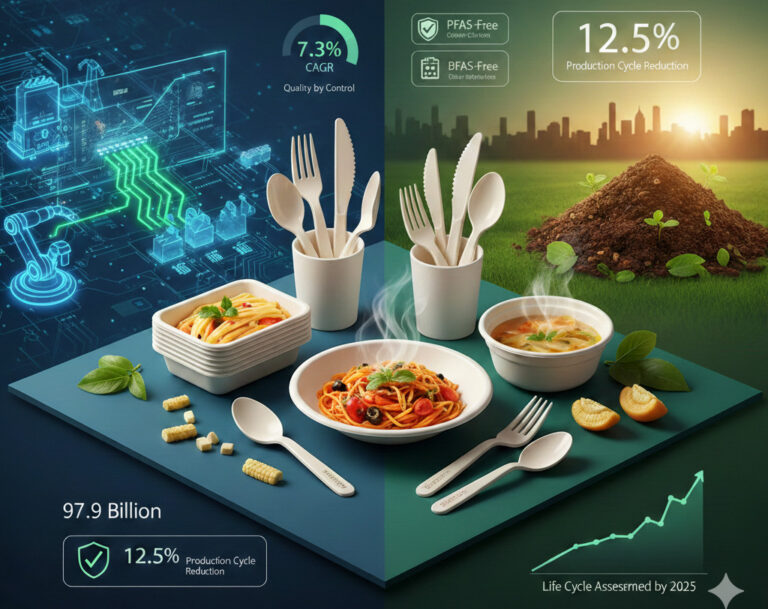
We prioritize safety by ensuring our molded pulp trays are PFAS-free and BPA-free. Unlike many traditional food packaging materials that contain harmful chemicals, our trays offer peace of mind and meet rigorous health and safety standards , ​ eco-friendly packaging factory. This makes them a safer option for direct food contact — ​ eco-friendly packaging factory.

Institutional Foodservice

Schools, offices, hospitals, and canteens can use this bagasse tray for everyday meal distribution. It combines convenience, disposable efficiency, and better environmental positioning.

For Businesses: Sustainable Packaging Strategies

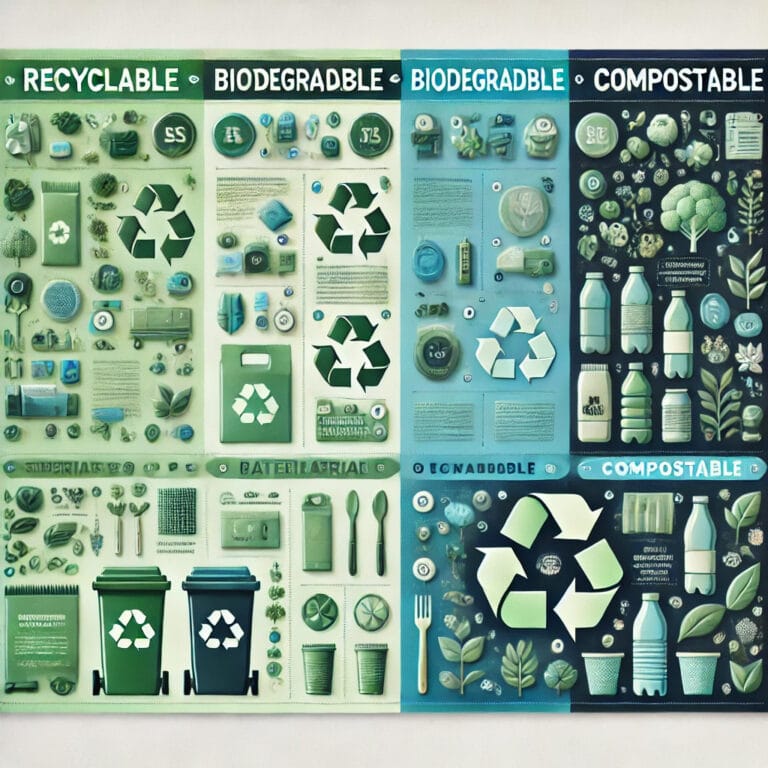
Minimize Packaging Use: Optimize packaging design to reduce unnecessary materials (e.g., thinner plastic, reduced layers). Use Recycled Materials: Incorporate post-consumer recycled content into packaging (e.g., Unilever’s Dove bottles made from 100% recycled plastic). Select the Right End-of-Life Pathway: Use recyclable materials where infrastructure supports effective recycling. Use compostable packaging when dealing with food waste to avoid contamination issues.

For Consumers: Responsible Disposal Practices

Follow Local Recycling Guidelines: Contamination (e.g., food residue) reduces the recyclability of materials. Do Not Assume Biodegradable = Compostable: Only certified compostable items should go into compost bins. Reduce Single-Use Packaging: Opt for reusable alternatives like refillable water bottles, cloth bags, and bulk shopping. Support Sustainable Brands: Choose businesses committed to sustainable packaging initiatives.

Related Insights

🚀Ready to Go Green and Choose ?

Join the global movement toward zero-waste packaging.


Bioleader® offers:

  • 📦 Bulk order support & fast delivery

  • ✍️ Custom branding and OEM solutions

  • 🌍 Worldwide eco-packaging compliance

Get the Catalogue Products List  & Contact Us Now! 👉

Contact us Below

Click or drag files to this area to upload.You can upload up to 5 files.
The more details you share, the faster and more accurate our quotation will be.