Packaging waste is a major environmental concern, as discarded containers, wrappers, and bags pile up in landfills and leak into oceans. Global awareness of this issue is growing – for example, over 80% of marine litter is plastic, harming wildlife and entering the food chain.Yet despite recycling efforts, only about 9% of all plastic produced has ever been recycled, with the rest incinerated, landfilled, or polluting the environment. In response, businesses and consumers are seeking eco-friendly packaging solutions, often encountering buzzwords like recyclable, biodegradable, and compostable. But what do these terms really mean, and how do these materials impact the planet?


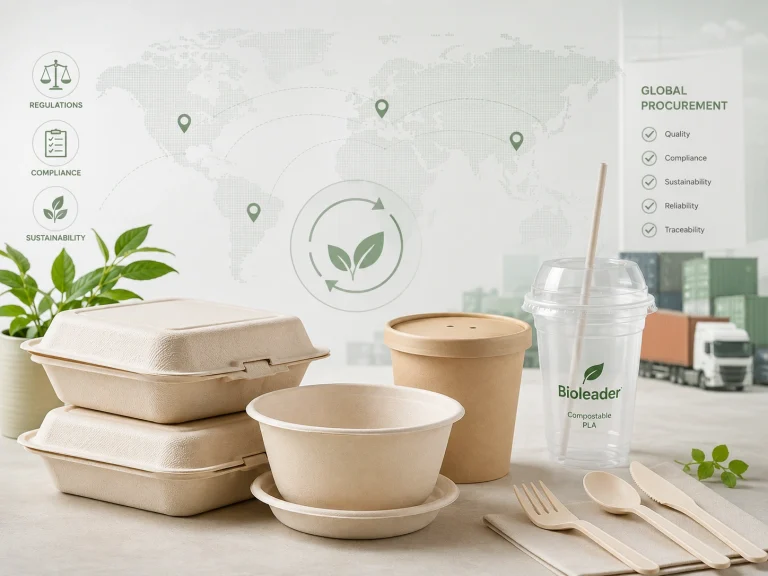
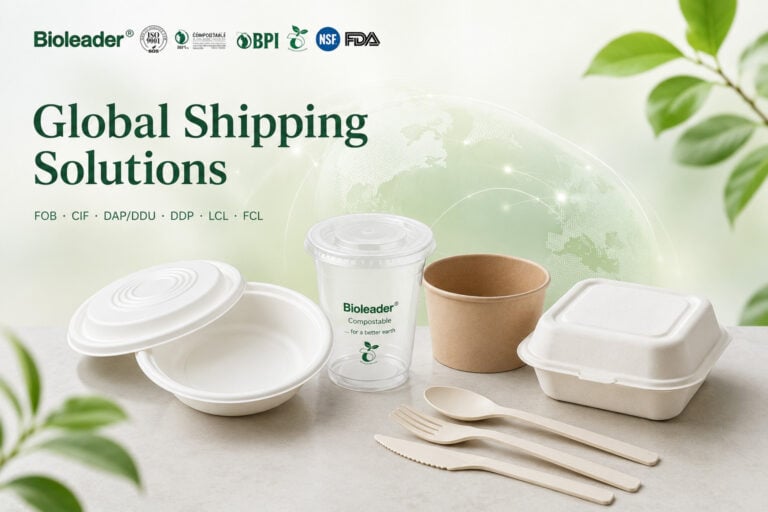
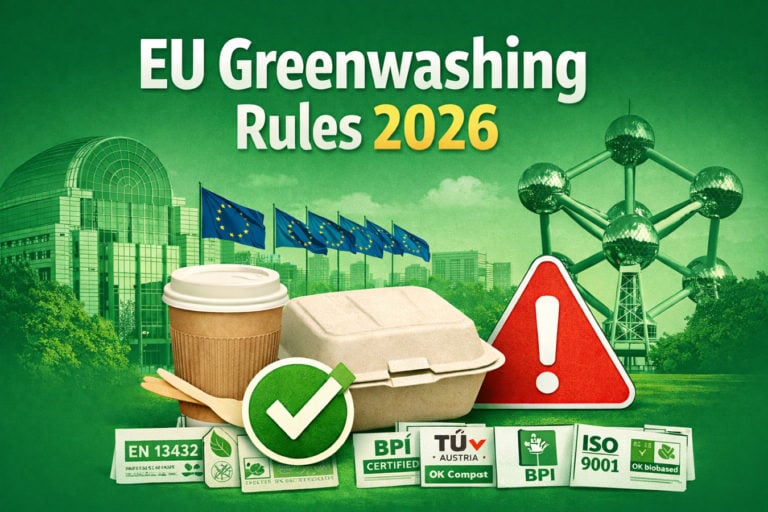
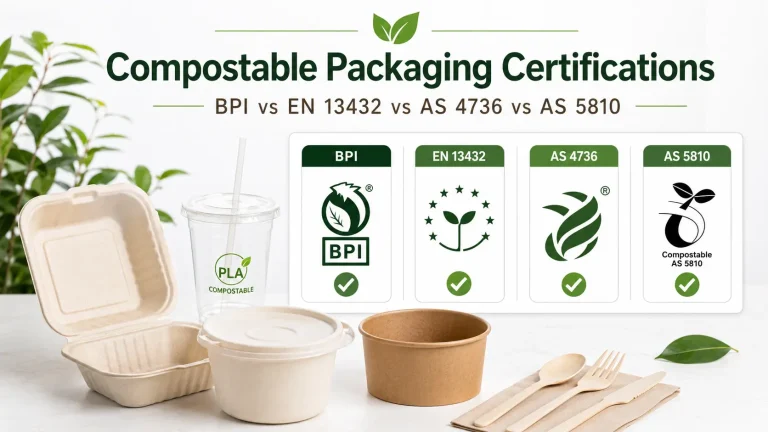
Reputable factories provide certifications such as OK Compost, BPI, TÜV Austria, EN13432, FDA, and LFGB. These ensure the trays are compostable, food-safe, and compliant with international sustainability standards. Packaging Insight: Why Choose Bioleader® Eco-Friendly Trays with Lids for Sustainable Food Packaging How do Bioleader® eco-friendly trays combine performance with sustainability? Utilizing bagasse and other renewable fibers, these trays deliver sturdy, leak-resistant food packaging that withstands hot and cold meals, while being fully compostable.
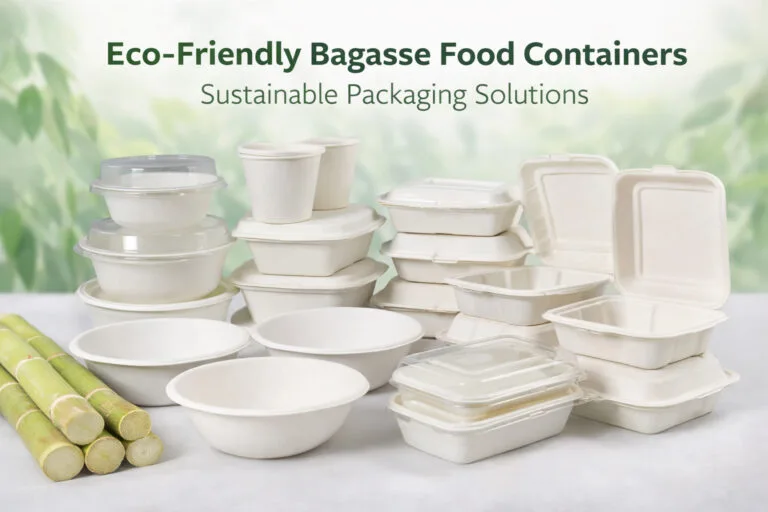
Our bagasse food trays are 100% compostable trays and biodegradable trays. They decompose naturally within a few months, reducing the burden on landfills and supporting circular waste management practices. Customers increasingly value this attribute, aligning their purchasing decisions with eco-friendly initiatives.
Designed with practicality in mind, our sugarcane containers are water- and oil-resistant, ensuring no leaks during transport — green packaging solutions. Whether serving soups, sauces, or greasy foods, these takeaway containers with lids deliver a mess-free experience. This reliable barrier against spills keeps food intact, offering convenience for both businesses and customers.
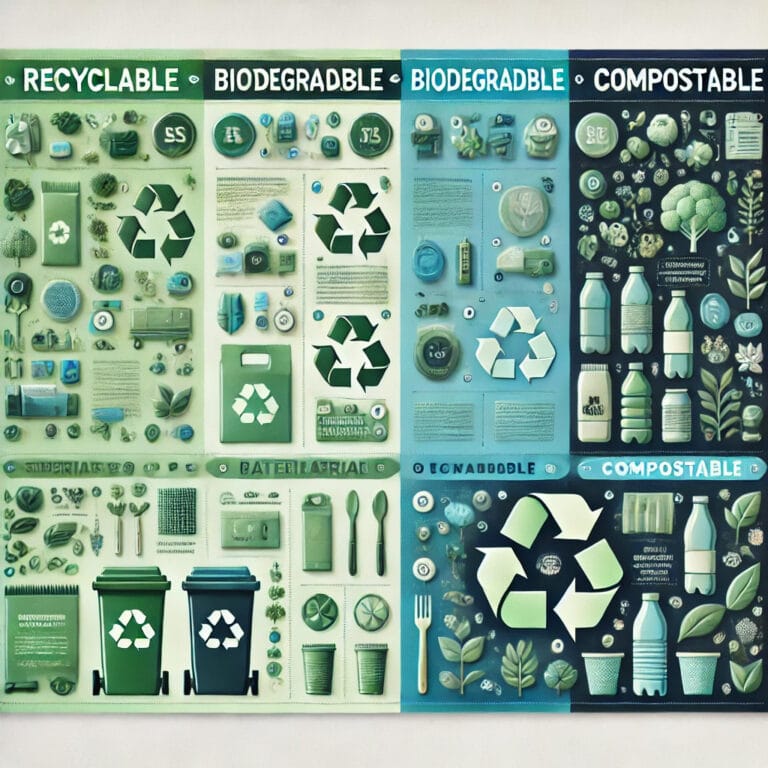
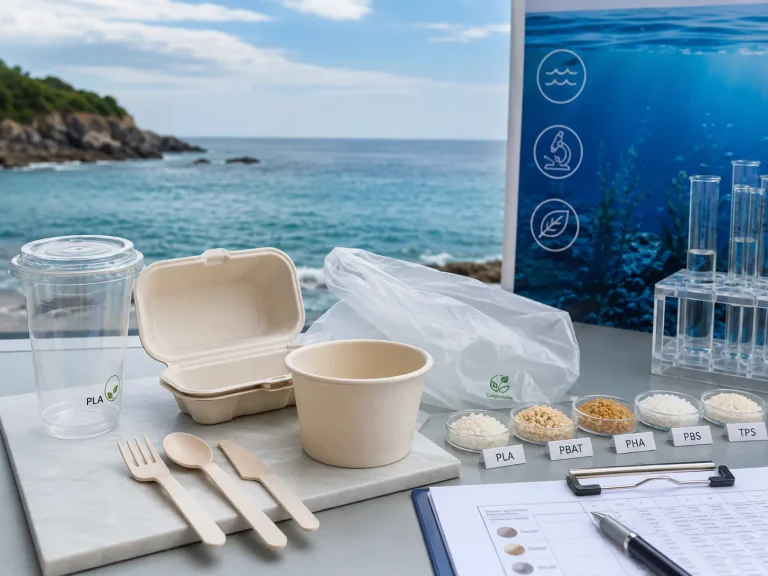
Biodegradable packaging naturally breaks down into water, CO₂, and biomass through microbial action. However, biodegradability depends on specific environmental conditions (temperature, moisture, microbial presence). Advantages: Reduces long-term plastic pollution. Can be derived from renewable materials (e.g., cornstarch, sugarcane, bamboo) — green packaging solutions.
Follow Local Recycling Guidelines: Contamination (e.g., food residue) reduces the recyclability of materials. Do Not Assume Biodegradable = Compostable: Only certified compostable items should go into compost bins. Reduce Single-Use Packaging: Opt for reusable alternatives like refillable water bottles, cloth bags, and bulk shopping — green packaging solutions. Support Sustainable Brands: Choose businesses committed to sustainable packaging initiatives.
Join the global movement toward zero-waste packaging.
Bioleader® offers:
📦 Bulk order support & fast delivery
✍️ Custom branding and OEM solutions
🌍 Worldwide eco-packaging compliance
Get the Catalogue Products List & Contact Us Now! 👉
📧 Email : info@bioleaderpack.com
📲 WhatsApp : +86-15980856610
🟢 Wechat : bioleader
📍 Add : No.39 Xinglong Road, Xiamen, China
Copyright © 2015–2026 Xiamen Bioleader Environmental Protection Co., Ltd | All Rights Reserved. Privacy Policy | AI Policy | Sitemap
Welcome to Bioleader Pack! 🌿
👉 Get a Quick Quote, Customized & Sample Details. We're online to help with your sourcing needs!
📩 Need Catalog & Price List? Email us: info@bioleaderpack.com
⏰ Response within 6-12 hours.
(Due to timezone differences, if we're away, please email us or leave a message.)
Response time: < 8h | Catalog List
WhatsApp us