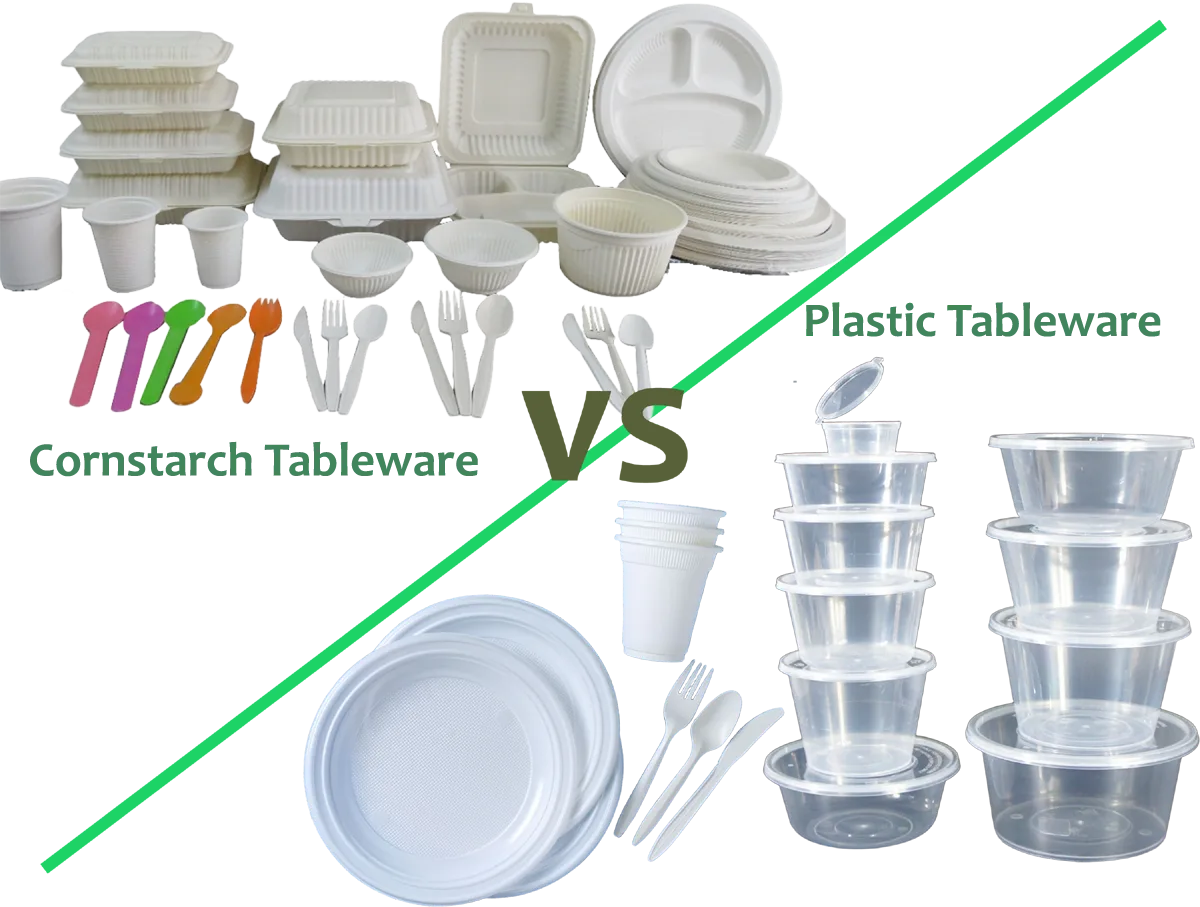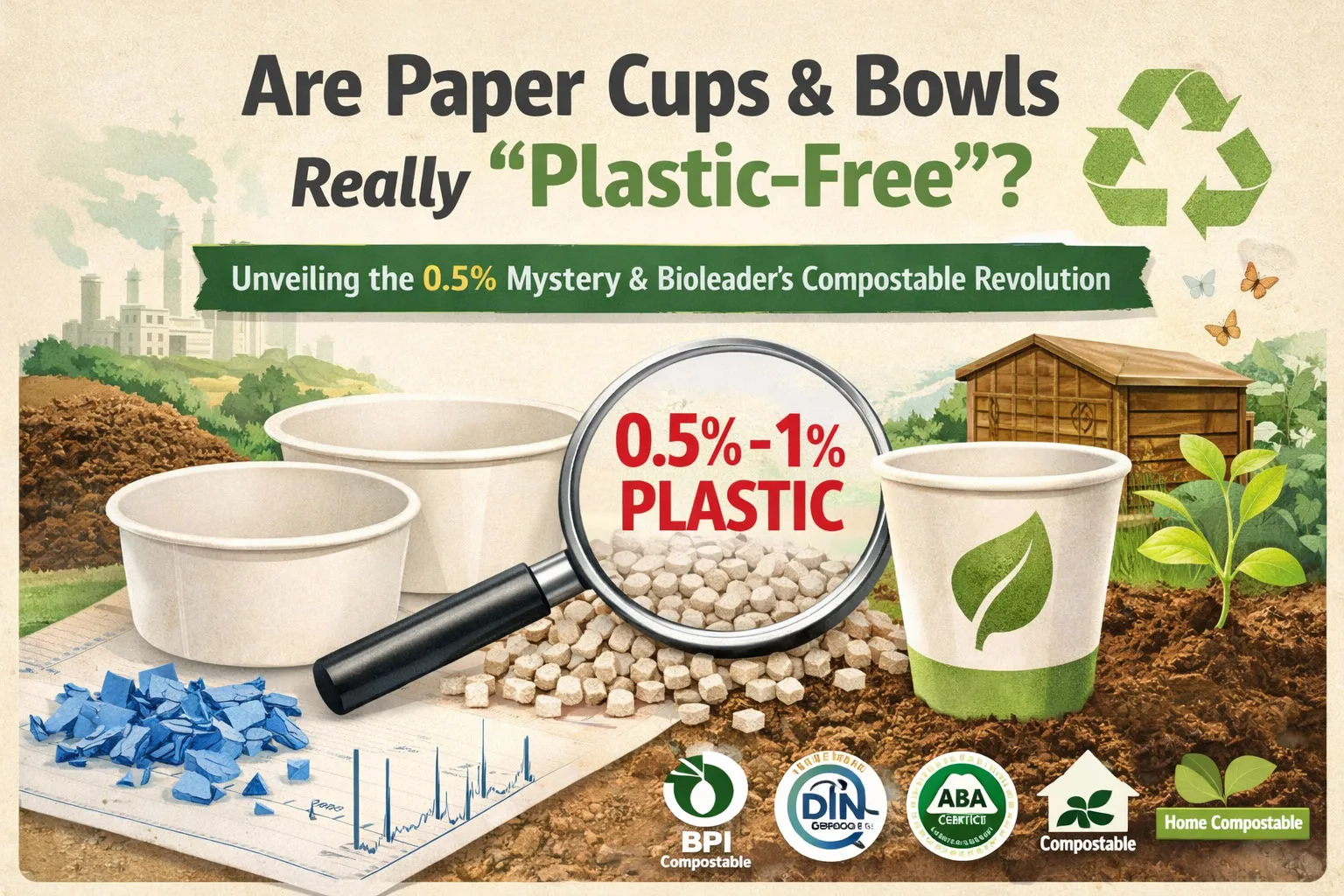










China’s 2025 green packaging regime accelerates the phase-down of non-recyclable and non-compostable single-use plastics, tightens over-packaging limits, expands EPR pilots, and mandates clearer labeling and traceability across e-commerce, foodservice, and FMCG. Winning strategies: paperization and molded fiber (bagasse), PFAS-free aqueous or PLA barrier systems, mono-material thinking, right-sizing for logistics, and province-aware rollouts. Use a 12-month roadmap—audit, redesign, certify, pilot in high-enforcement cities, scale nationwide, and embed EPR data—to de-risk compliance and protect margins.
Regulatory Context & Strategic Takeaways
What is changing in 2025? Stricter controls on non-degradable single-use plastics; mandatory recyclable/compostable options in express logistics and takeaway; tighter rules on excessive layers/voids; clearer material labeling and end-of-life disclosures; broader EPR pilots with digital reporting.
Why it matters now: 2025 is an enforcement inflection point. Non-compliance risks lost channels, platform penalties, and reputational damage. Aligning China specs with EU/US expectations also unlocks export growth.
How to comply fast: 1) Portfolio audit → 2) Redesign to mono-material paper/bagasse/PLA → 3) Food-contact & compostability tests → 4) Pilot in Hainan/Shanghai-like hubs → 5) Switch logistics consumables (paper mailers/tapes, right-sizing) → 6) Scale with EPR data and QR traceability.
Options that work: Bagasse bowls/trays; kraft bowls with paper/PP lids; PLA/CPLA cold cups; PFAS-free aqueous coatings; barrier papers; reusable totes for intra-city loops; “cutlery on request”.
Considerations & risk controls: Avoid mixed laminates unless separable; document every claim (standard #, test report); second-source critical SKUs; province-aware BOMs; track KPIs: % recyclable/compostable SKUs, layers/order, leakage/warp rate, take-back weight, audit pass rate.
1) Context: Why 2025 is a Turning Point
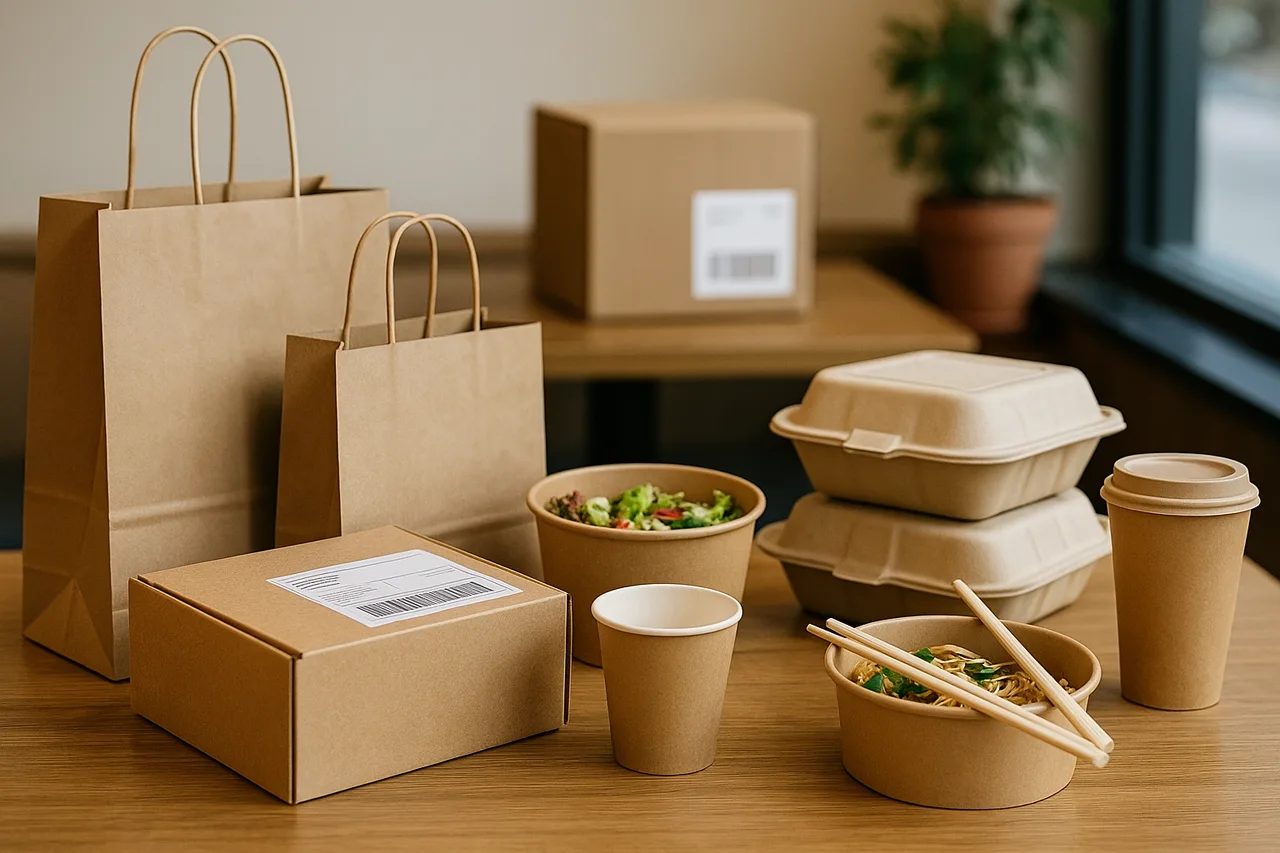
China is the world’s largest packaging producer and one of the most dynamic consumer markets. Since the national single-use plastic control roadmap (2019–2025), policy has tightened in waves: phasing out certain plastic bags and utensils, curbing over-packaging, and pushing recycling and compostability in express logistics and foodservice. In 2025, several commitments mature, creating a compliance inflection point:
Retailers and platforms face stricter limits on non-recyclable and non-degradable items.
Express logistics must adopt recyclable/biodegradable mailers, fillers, and tapes.
Catering and takeaway must reduce single-use, non-degradable serviceware and adopt certified substitutes.
Brands are expected to label, trace, and document material choices and end-of-life pathways to support EPR.
For export-oriented manufacturers, 2025 is also when EU PPWR-style demands and U.S. state bans begin to shape specs. That makes a China + EU/US dual-compliance strategy essential.
2) Scope & Definitions
Recyclable: Materials that enter established collection and reprocessing streams without complex disassembly. In practice: mono-material paper or plastic, properly labeled; avoid hard-to-separate laminates.
Biodegradable/Compostable: Degradation into natural elements under specified conditions. Export buyers often require EN13432 or ASTM D6400 for compostables; domestic buyers look for China’s applicable standards and certifications.
Over-Packaging: Excess layers, void space and decorative components beyond functional needs—especially in cosmetics, gift foods, and e-commerce.
EPR (Extended Producer Responsibility): Producers/platforms take responsibility for post-consumer packaging through collection, recycling, and reporting.
Practical tip: When in doubt—simplify the structure (mono-material) and declare the end-of-life route (recycling code, compostability mark with standard number).
3) What the National Rules Aim to Achieve
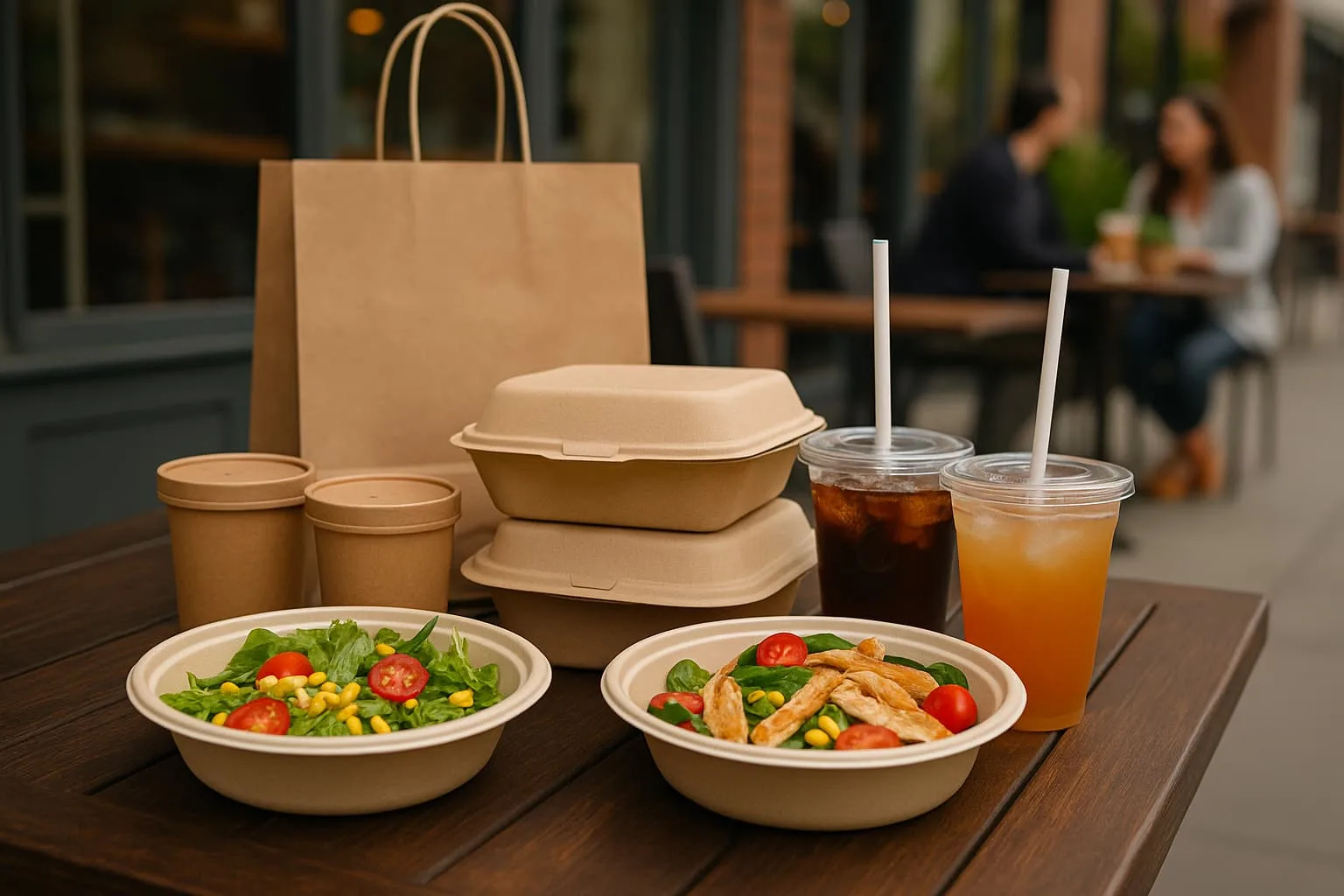
Note: Regulations evolve. Treat the items below as policy themes that guide your design and sourcing. Always confirm current local requirements before launch.
3.1 Materials direction of travel
Discourage: multi-layer, non-recyclable laminates; hard-to-separate paper-plastic-aluminum composites; oxo-degradable additives; unnecessary plastic components.
Encourage / Require: recyclable mono-material solutions and biodegradable/compostable substitutes where appropriate (e.g., molded fiber/bagasse, paper, PLA/CPLA, certified coatings).
Labeling & disclosure: Clear material identification, recycling marks, and, where applicable, compostability standard references.
3.2 Over-packaging controls
Limits on layers, void ratios, and decorative elements (notably in mooncakes, health foods, cosmetics, gift sets).
Retail/e-commerce sellers expected to avoid redundant inner boxes, trays, wraps.
3.3 E-commerce & express logistics
Postal and express hubs to phase out non-degradable mailers, woven bags, and tapes; adopt recyclable/biodegradable mailers, paper fillers, and paper-based or water-activated tapes.
Encourage reusable logistics assets (totes, crates) for intra-city routes.
3.4 Foodservice & takeaway
Reduce non-degradable single-use bags, cutlery, straws, and clamshells; adopt paper/bagasse/PLA lines with food-contact tests.
Promote “upon request” provision of cutlery to trim usage.
3.5 Reporting & traceability
More pilots for digital EPR: QR codes, SKU-level material disclosures, recycled content and downstream recovery reporting.
4) Sector-Specific Impacts (What changes for you)
4.1 Food & Beverage (takeaway, QSR, catering)
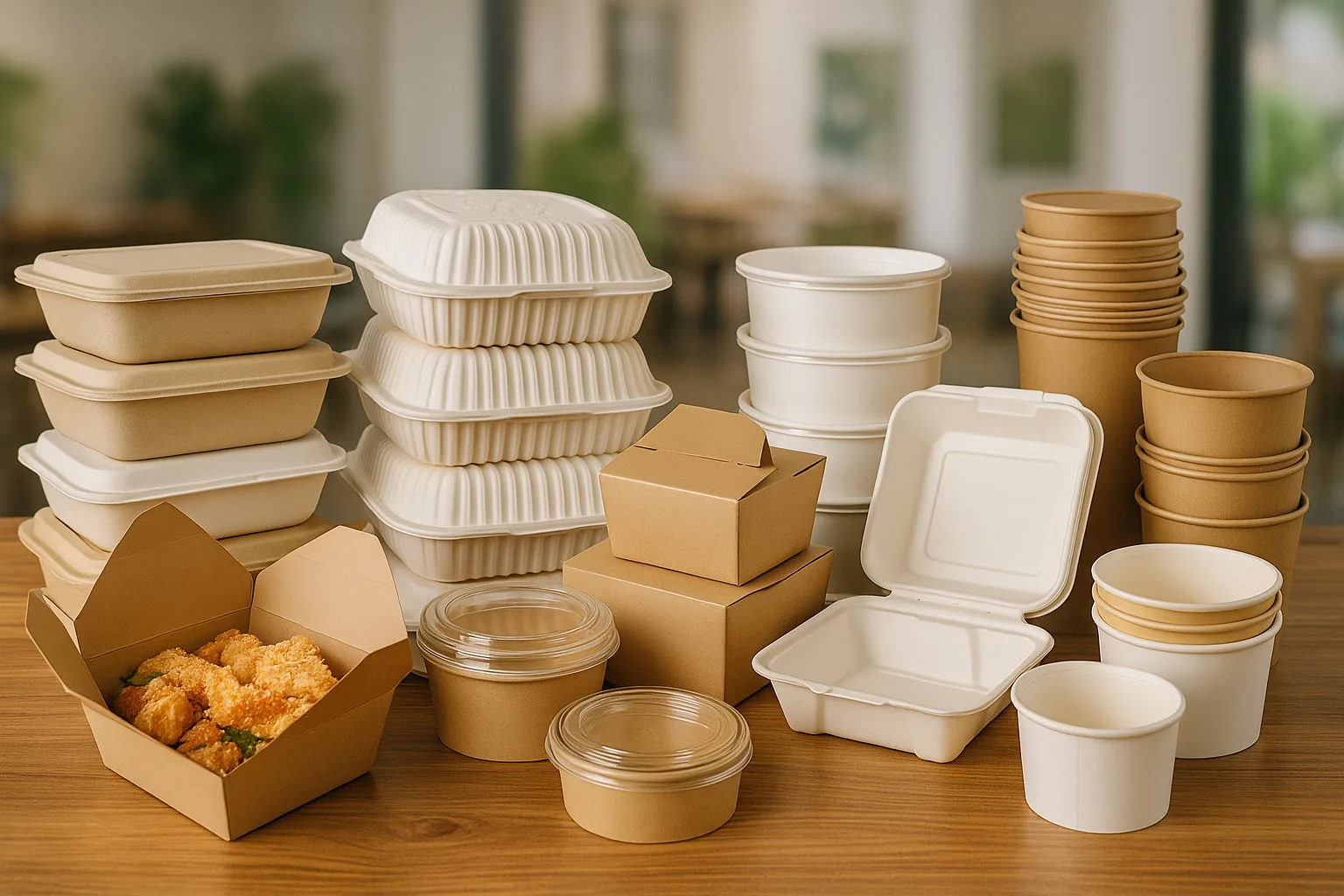
What shifts: Paper bowls, bagasse clamshells and trays, paper bags with strong handles, PLA cold cup and CPLA cutlery lines.
What to watch:
Oil/water barrier without PFAS; consider aqueous dispersion, PLA, or bio-based coatings.
Hot-fill performance and microwave stability (state limits honestly; validate with lab tests).
Avoid hard-to-recycle laminates; design for mono-material lids (PP or paper) and snap-fit without plastic films.
Quick wins: “Cutlery on request,” standardized sizes, stackable SKUs to reduce secondary packaging.
4.2 E-commerce & Logistics
What shifts: Recyclable mailers (paper), paper tape/water-activated tape, paper fillers; reusable totes in close-loop routes.
What to watch: Seal strength, drop/edge tests, weather resistance; clear recycling labeling for consumers.
Quick wins: Right-size automation, cartonization algorithms, void-fill reduction, standard mailer matrices.

4.3 FMCG & Retail (cosmetics, premium foods, gifts)
What shifts: Fewer layers, no decorative plastics, smaller void space, paperization of trays and wraps, molded pulp inserts.
What to watch: Shelf appeal with minimalist design, anti-tamper seals that remain mono-material.
Quick wins: Convert PET blisters to paperboard + window only when the window is removable; otherwise use fully paper designs.
4.4 Export-Oriented Manufacturing
What shifts: Dual-compliance specs (China + EU/US), documentation for EN13432/ASTM D6400, food-contact (FDA/LFGB), and recycled content claims.
What to watch: Importer EPR in the destination market, PFAS policies in the EU/US.
Quick wins: Offer option sets by market—e.g., PFAS-free aqueous coatings for EU, BPI/TÜV-recognized compostables for North America/EU.
5) Materials Mapping: What’s “in” for 2025
Molded fiber / Bagasse: Strong rigidity, heat tolerance, compostable; ideal for bowls, clamshells, trays.
Kraft paper systems: Salad bowls with clear lids (PET/PP), soup containers, paper carriers. Use mono-material paper lids when possible.
PLA / CPLA: Cold cups, cutlery, and coatings; ensure compostability standard references on label; confirm end-of-life options in target markets.
Barrier papers: Aqueous dispersion, bio-based coatings, or thin mono-PE where the stream accepts it; avoid mixed laminates where possible.
Design to disassemble: If you must combine, make layers visibly separable so consumers (and MRFs) can act.
6) Regional Policies & Local Outcomes in China
National rules set the framework, but local governments determine speed and texture. Three illustrative clusters:
6.1 Hainan Province — Full-scope plastic ban pioneer
Policy direction: Ambition to ban production, sale, and use of certain single-use, non-degradable plastics and promote certified alternatives.
Execution: Early prohibitions on non-degradable bags and tableware, standards for substitutes, and pilots for express packaging transformation.
Outcomes observed: Public reporting highlights high adoption of reusable/biodegradable delivery bags and formation of local compliant-materials industry clusters.
Takeaway: Hainan’s free-trade-port context and ecological goals make it a lighthouse for the rest of China—use its catalogs and pilots as a reference playbook.
6.2 Shanghai — EPR pilots + packaging reduction
Policy traits: Strong EPR (Extended Producer Responsibility) pilots, city-level rules to cut redundant packaging in retail/e-commerce.
Outcomes: Reported ~20% reductions in packaging waste in pilot zones where EPR + operational controls were tightly implemented.
Challenges: Uneven effects across districts; end-of-line collection remains the bottleneck.
6.3 Beijing / Shanghai / Guangdong “first movers” in express & retail
Focus: Stricter limits on non-degradable mailers, tapes, woven bags; push for paper mailers, paper tapes, recyclable fillers; restaurant chains to reduce plastic serviceware.
City/Province pattern: Stronger supervision and higher public awareness in megacities yield faster adoption, while townships and peri-urban areas require more support, training, and supply-side incentives.
Snapshot comparison (use in your slide to brief leadership)
| Region | Policy focus | Execution tools | Observable outcomes | Gaps to watch |
|---|---|---|---|---|
| Hainan | Broad bans; certified substitutes | Ban lists + substitute standards | High adoption in logistics & F&B | Costs; supplier qualification pace |
| Shanghai | EPR pilots; over-packaging reduction | Producer responsibility + targeted audits | ~20% waste reduction in pilots | End-of-line collection coverage |
| Beijing/Guangdong (cluster) | Express & retail restrictions | Bans on non-degradable mailers/tapes | Platform compliance acceleration | Small-outlet enforcement |
National-level direction for 2025: reduce non-degradable single-use items in foodservice; upgrade express packaging to recyclable/biodegradable; curb over-packaging across retail categories; expand EPR pilots and data reporting.
Implementation tip: Design province-aware BOMs. Where Hainan or Shanghai requires faster substitution, publish an alternate spec pack (paper/bagasse/PLA lines with certified coatings) your teams can order instantly.
7) The Compliance Playbook (Brand-ready)
Step 1 — Portfolio audit (30–45 days)
Inventory SKUs by package type, material, laminate, and end-of-life claim.
Flag risk: non-recyclable composites, oxo-degradable additives, PFAS-dependent barriers, unlabeled plastics.
Baseline KPIs: packaging weight/SKU, layers/SKU, recyclability rate, % compostable, % paperization.
Step 2 — Redesign & material decisions (45–90 days)
Prioritize mono-material designs.
Convert trays and inserts to molded fiber; deploy aqueous or PLA coatings for oil/water resistance.
For cold drinks and desserts, add PLA cup sets.
Issue Do-Not-Use lists (e.g., PET+Alu+Paper laminates, oxo-degradables).
Step 3 — Qualification & testing (concurrent, 60–90 days)
Food contact: FDA/LFGB; migration tests for coatings and inks.
Compostability: EN13432/ASTM D6400 (for export lines); domestic equivalents as applicable.
Logistics: drop, compression, burst, hot-fill/microwave (when claimed).
Labeling: recycling codes, compostability marks with standard numbers.
Step 4 — Supplier enablement & contracting (30–60 days)
Select certified manufacturers (BPI/TÜV, LFGB/FDA, ISO 9001/14001).
Set MOQ, lead times, buffer stock for provincial rollouts.
Lock PFAS-free, ink/adhesive specs in contracts.
Step 5 — EPR & data systems (Pilot in 60–90 days)
SKU-level QR or batch codes linking to material and disposal info.
Collect recycling take-back and consumer education metrics.
Report to local authorities per pilot requirements.
Step 6 — Launch & iterate (90–180 days)
Phase by province/city priority, then nationwide.
Monitor complaints, leak/warp incidents, recovery rates, and cost deltas.
Quarterly design sprints to remove residual plastics and simplify assemblies.
8) Manufacturer Opportunity Map (Build the moat)
Productization: Full families of bagasse bowls, clamshells, trays; kraft bowls with paper or PP lids; PLA/CPLA cold cups & cutlery.
Barriers: PFAS-free aqueous coatings; compostable or recyclable lid options.
Certifications: EN13432, ASTM D6400, BPI/TÜV, FDA/LFGB, ISO 22000 (food safety).
Operations: Inline QC for weight/thickness, rim dimensions, leak and stack tests; SPC to rein in scrap.
Commercial: Offer OEM/ODM, print customization, fast sample cycles, and dual-spec packs (domestic vs export).
Narrative: Position solutions as “compliance enablers” and quantify total-cost-of-ownership (less over-packaging, fewer damages, faster audits).
Bioleader® micro-case (soft insert): Export-ready bagasse bowls and kraft salad bowls with PFAS-free barrier options and PLA cup lines, validated to FDA/LFGB and compostability standards for EU/US buyers (link: Bioleader bagasse food container category; link: Bioleader paper salad bowl category; link: Bioleader compostable PLA cups category).
9) Risk Controls & Common Pitfalls
Greenwashing: Avoid unqualified “eco” labels. Tie every claim to a standard number or test report.
Composite traps: Paper-plastic-aluminum stacks are recycling dead-ends; if necessary, design for disassembly.
Barrier myths: State clearly when items are not microwaveable/hot-fillable; overselling leads to liability.
PFAS legacy: Many buyers in EU/US scrutinize PFAS. Lock PFAS-free in specs and proofs.
Supply risk: Second-source critical lines (e.g., 16/24/32 oz bowls, lid systems).
Documentation gaps: Keep material data sheets, test reports, lot traceability organized—audits are data-first.
10) KPIs & Governance (Make it measurable)
% recyclable SKUs, % compostable SKUs, % paperized.
Average layers/SKU and void ratio in e-commerce packs.
Cutlery “upon-request” adoption rate and unit reduction.
Recovery metrics: take-back participation, weight collected.
Compliance audits passed and labeling accuracy rate.
Complaint rates (leak/warp/fit), damage rate in transit.
COGS delta vs 2024 baselines and TCO savings from standardization.
11) 12-Month Roadmap (Gantt-style milestones)
Month 0–1: Portfolio audit; ban-list; KPI baseline.
Month 2–3: Redesign priority SKUs; pick suppliers; start lab tests.
Month 4–5: Pilot in Shanghai/Hainan-like high-enforcement markets; start EPR data capture.
Month 6–8: Scale to provincial clusters; switch logistics consumables (mailers, tapes, fillers).
Month 9–12: Nationwide rollout; supplier second-sourcing; quarterly design sprint; publish ESG annex on packaging.
12) Case Studies (Signals from the field)
Major platform pilots: Express hubs migrating to paper mailers and water-activated paper tapes, with void-fill reduction algorithms cutting corrugated consumption.
Food delivery chains: Transition to bagasse clamshells and paper bowls with compostable lids; cutlery provided on request to reduce units by double digits.
Bioleader®: Enabled EU/US export lines for foodservice clients by combining bagasse bowls (PFAS-free) with PLA cups and paper carriers, plus FDA/LFGB + compostability documentation for buyer audits (link: Bioleader sugarcane bagasse tableware category).
13) Future Outlook (2025–2030)
Expect a dual trajectory:
Rapid paperization and molded fiber adoption across foodservice and e-commerce.
Plastics reinvented via mono-materials and bio-based compostables in niche, high-barrier use cases.
Scale-up of digital EPR, QR-backed product passports, and AI-assisted right-sizing in fulfillment.
By 2030, leaders will treat packaging as a regulated product system—designed for recovery, tracked by data, and audited like finance.
FAQs
1) Which packaging materials are most likely to pass compliance checks in 2025?
Paper, molded fiber/bagasse, mono-material paper systems, and properly labeled compostables (PLA/CPLA) perform strongly—provided you document food contact and end-of-life (e.g., EN13432/ASTM D6400 for export).
2) Are PLA cups acceptable nationwide in China?
PLA is widely recognized as a compostable material; acceptability depends on local end-of-life pathways and labeling. For exports, reference EN13432/ASTM D6400 and buyer requirements.
3) What’s the fastest way to reduce risk for a takeaway brand?
Start with paper/bagasse containers and “cutlery on request.” Standardize sizes, swap to paper mailers/tapes for delivery, and ensure PFAS-free barrier options with verified tests.
4) How should we handle lids—paper, PP, or PLA?
Use mono-material where possible. Paper lids for ambient foods; PP lids for recyclability in many streams; PLA for compostable sets. Avoid PET-laminated paper unless you can separate layers.
5) What documentation will auditors ask for?
Material safety (FDA/LFGB), compostability (EN13432/ASTM D6400 as applicable), migration tests, barrier specs, and labeling conformance. Keep SKU-level BOMs and lot traceability.
6) Does EPR apply to importers/exporters?
EPR responsibilities differ by jurisdiction. In China, pilots increasingly involve platforms and producers; in the EU/US, importers often shoulder EPR. Plan for dual reporting.
7) How do we quantify success?
Track % recyclable/compostable SKUs, weight per order, cutlery reduction, complaints vs leakage/warp, collection rates, and audit pass rates. Tie gains to ESG reporting.
References
Smithers (2023). The Future of Paper vs Plastic Packaging to 2030
McKinsey & Company (2025). Do US consumers care about sustainable packaging in 2025?
European Commission (2024). Packaging and Packaging Waste Regulation (PPWR)
Two Sides (2025). Trend Tracker 2025: Consumer Preferences for Packaging
Ellen MacArthur Foundation (2023). The New Plastics Economy: Catalysing Action
Statista (2024). Global Paper & Paperboard Packaging Market Value 2019–2030
UNEP (2023). Turning Off the Tap: How the world can end plastic pollution and create a circular economy
Decision Framework & Semantic Loop
How to move now: Run a 6-step sprint—Audit → Redesign (mono-material, paperization, bagasse/PLA) → Validate (food-contact/compostability/logistics) → Pilot (high-enforcement cities) → Scale (province-aware BOMs) → Govern (EPR data, KPIs, audits).
Why this works: It aligns with the 2025 enforcement cadence, reduces regulatory exposure, improves consumer trust, and can lower total cost by right-sizing and SKU standardization.
What to build: A portfolio of bagasse bowls/clamshells, kraft bowls with paper/PP lids, PLA/CPLA cold cups, PFAS-free aqueous coatings, barrier papers, reusable logistics assets, and QR-backed product passports.
Options & trade-offs: Paper/Bagasse (+ perception, + recyclability/compostability, – barrier without coatings); PLA/CPLA (+ compostable sets, – context dependent end-of-life); PP mono-material (+ recyclability in many streams, – perception); laminates (only if separable).
Considerations & KPIs: % recyclable/compostable SKUs; layers/order; leak/warp ppm; right-sizing rate; take-back weight; audit pass rate; PFAS-free conformance; documentation completeness.
Next 90 days: Publish a Do-Not-Use list; lock PFAS-free specs; convert logistics to paper mailers/tapes; standardize lids; launch pilots in two cities; set up QR and reporting templates for EPR pilots.