










Sustainable Takeaway Packaging for Fast Food | Biodegradable Boxes, Containers & Bowls by Bioleader®
This page is an end-to-end fast-food takeaway packaging system designed for high-volume, quick-service operations. It brings together biodegradable boxes, containers, and bowls that support rapid packing, portion consistency, and delivery-safe performance—helping buyers build a scalable pack-out program for daily takeaway and grab-and-go service.
What this page helps you standardize
Faster pack-out at the counter and on the hot line
Leak and grease control for delivery and carry-out
Stackable SKUs for tight back-of-house space
Consistent portioning for cost control and menu presentation
Bulk wholesale supply for multi-location operations
Bioleader® Product Showcase
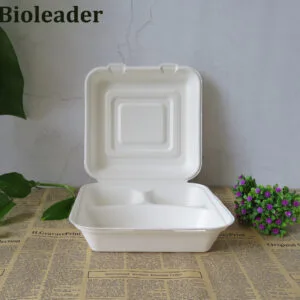
9" x 9" 3-C Clamshell Box (1200ml)
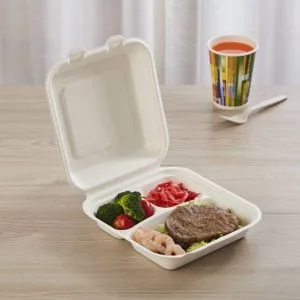
8" x 8" 3-C Clamshell Box (1000ml)
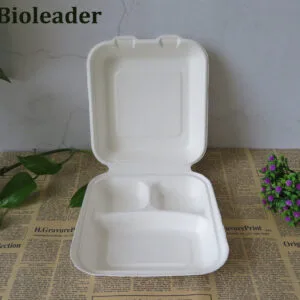
3 Compartment Bento Box
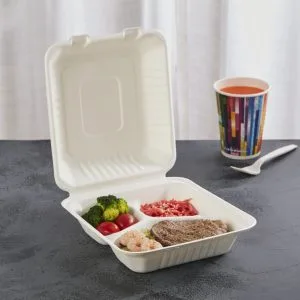
Biodegradable 3 Compartment Lunch Box Wholesale
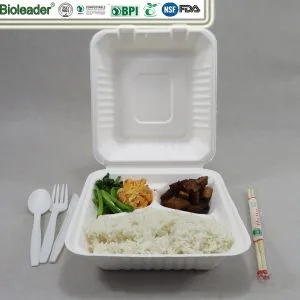
3 Compartment Hinged Containers Wholesale
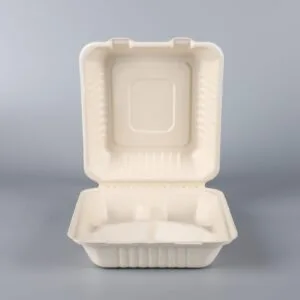
3 Compartment Take Out Containers Supplier
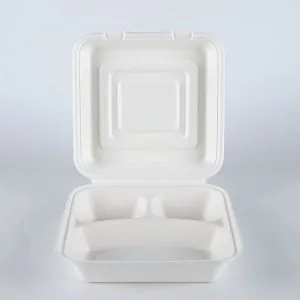
3 Compartment Takeaway Containers Manufacturer
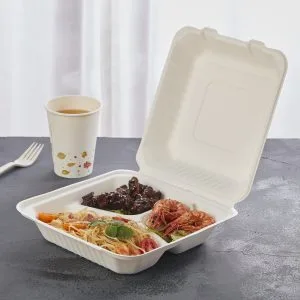
3 Compartment Lunch Containers
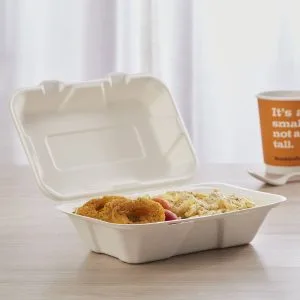
Eco Friendly Biodegradable To Go Containers
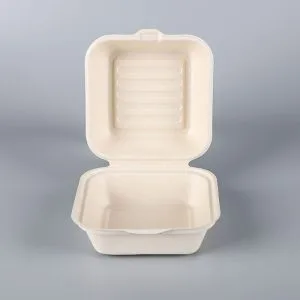
Biodegradable Hamburger Box Packaging
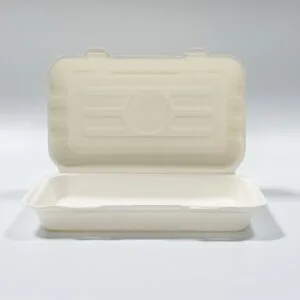
10"x 6" Clamshell Box (1000-1100ml)
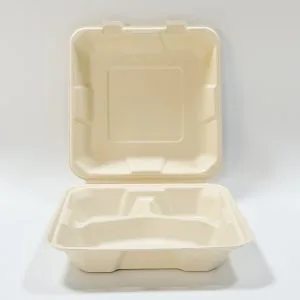
8" x 8" 3C Clamshell Box (900-1000ml)
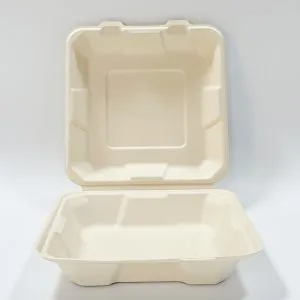
8" x 8" Clamshell Box (900-1000ml)
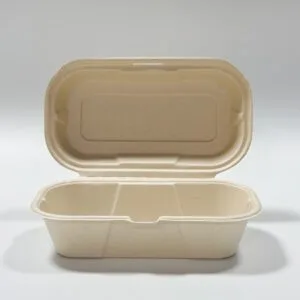
8"x 5" Clamshell Box (800-900ml)
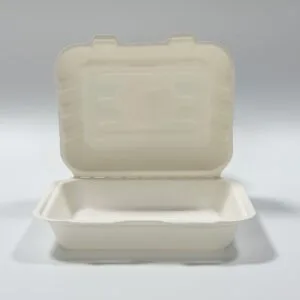
7.5" x 6" Clamshell Box (800-900ml)
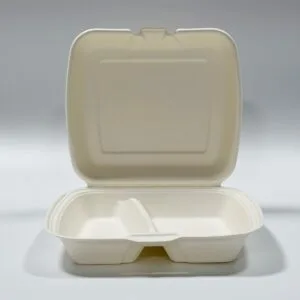
8" x 8" 2C Clamshell Box (900-1000ml)
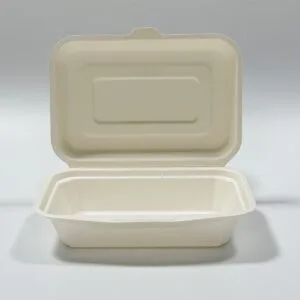
6.7"x5" Clamshell Box (500-600ml)
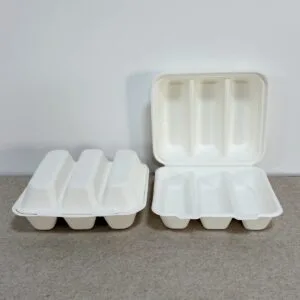
Taco 3-C Clamshell Box
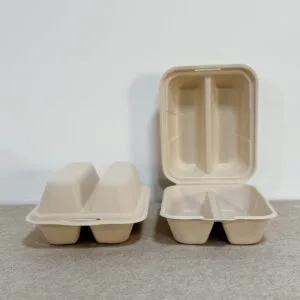
Taco 2C Clamshell Box
9" x 9" 3-C Clamshell Box (1200ml)
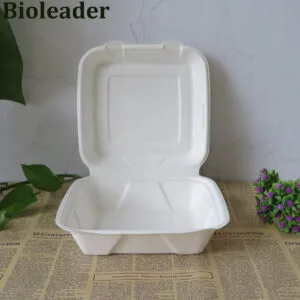
9" x 9" Clamshell Box (1200ml)
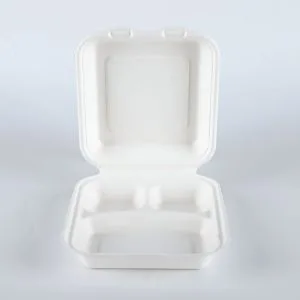
8" x 8" 3-C Clamshell Box (1000ml)
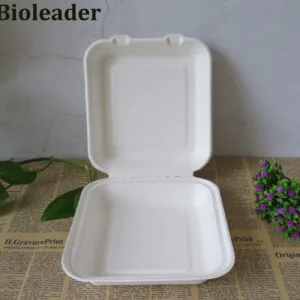
8" x 8"Clamshell Box (1000ml)
9" x 9" 3-C Clamshell Box (1200ml)
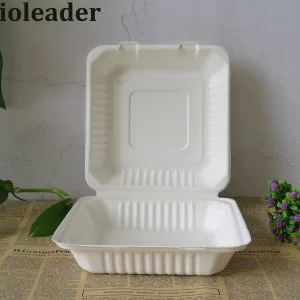
9" x 9" Clamshell Box (1200ml)
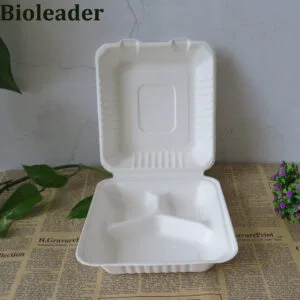
8" x 8" 3-C Clamshell Box (1000ml)
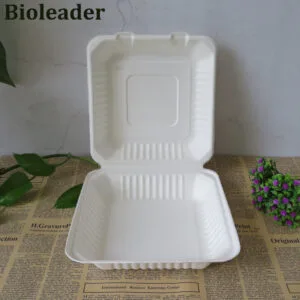
8" x 8"Clamshell Box (1000ml)
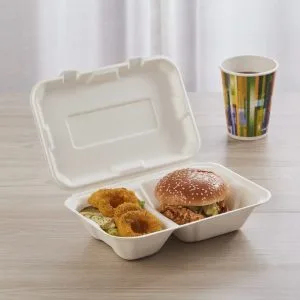
9" x 6" 2-C Clamshell Box (850-1000ml)
Get a Quote for Sustainable Takeaway Packaging
Tell us your menu type, preferred packaging formats, required sizes or capacities, order quantity, and destination port. Bioleader® will help you build a practical takeaway packaging solution for fast food, delivery, grab-and-go, and multi-location foodservice operations.
Built for Fast-Food Takeaway Workflows
Fast-food takeaway packaging isn’t chosen by “category name”—it’s chosen by workflow speed and failure prevention. A strong pack-out system supports the full chain from hot line to handoff:
Hot Line Fill
Packaging must hold shape under heat, steam, and oil while keeping fill speed high.Close & Seal
Closures should be secure enough for short transport and delivery handling without slowing the staff.Stack & Stage
SKUs must stack cleanly and denest quickly to avoid bottlenecks during rush hours.Carry / Delivery Handling
Packaging must stay stable under tilting, bag compression, and temperature shifts during last-mile movement.Customer Experience
Food should arrive presentable—fried items stay crisp, sauces stay contained, and bowls remain sturdy in hand.
This page is built around those five steps—so your packaging performs like a system, not a random mix of SKUs.
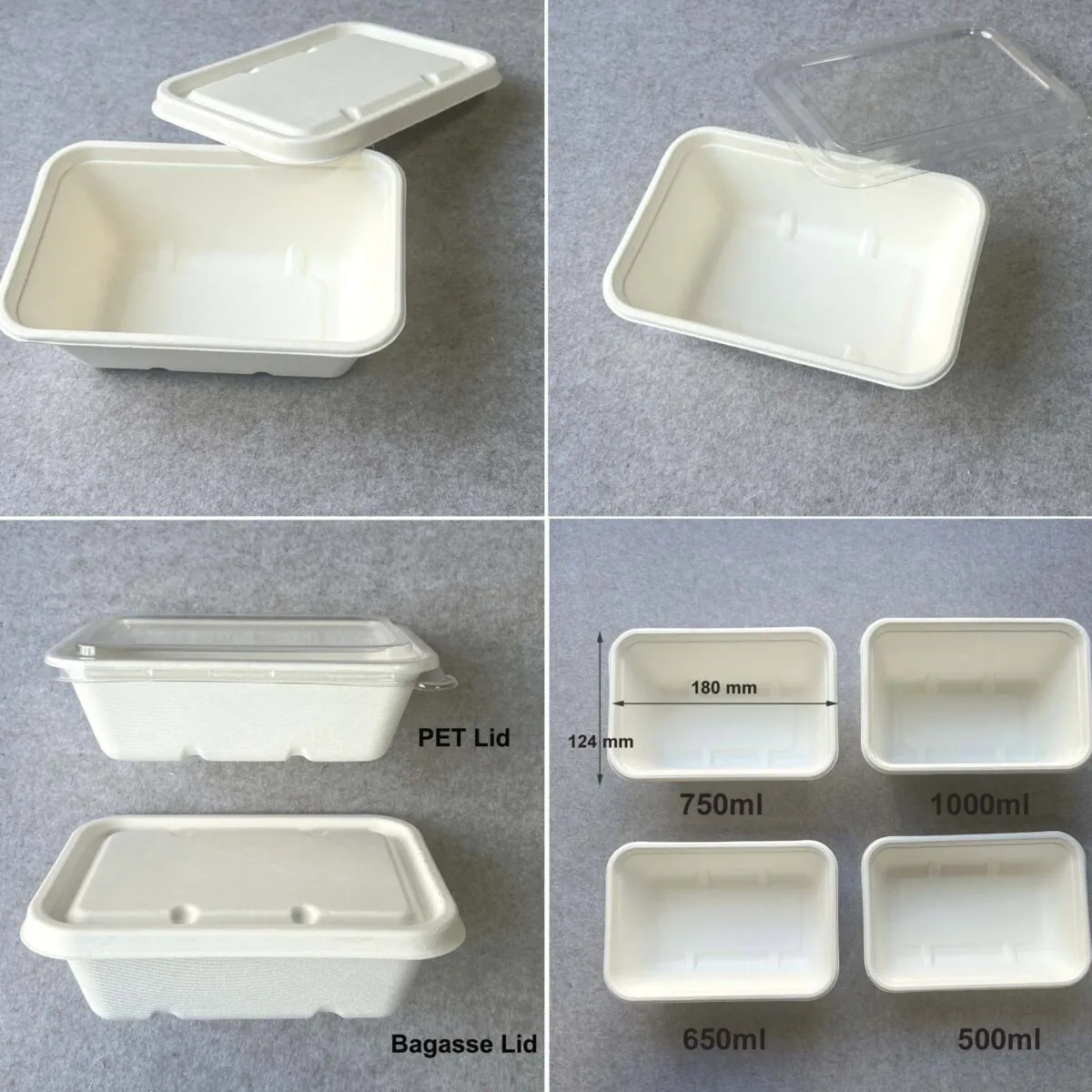
The 5 Takeaway Pain Points—and the Packaging Fix
1) Leaks, sauce spills, and messy bags
Fix: Use formats with reliable rim structure and secure closure geometry, and match the container depth to sauce volume and movement during transport. For high-sauce meals, prioritize containers that maintain rim integrity after hot filling.
2) Soggy fried foods (steam trap problem)
Fix: Choose takeaway packaging that manages steam—either through appropriate headspace, structural rigidity, or designs that reduce condensation contact with food. The right format helps preserve texture for fries, nuggets, and fried chicken.
3) Crushed meals in stacked deliveries
Fix: Standardize on stackable footprints and consistent heights. Packaging should resist compression and remain stable when stacked in bags or on delivery shelves.
4) Slow packing during peak hours
Fix: Select SKUs that denest quickly and close fast. In high-volume operations, small seconds per order become real cost. A streamlined SKU set reduces decision-making and speeds assembly.
5) Portion inconsistency and cost drift
Fix: Standardize container volumes and bowl depths by menu type. Consistent sizing improves portion control, presentation, and purchasing predictability.
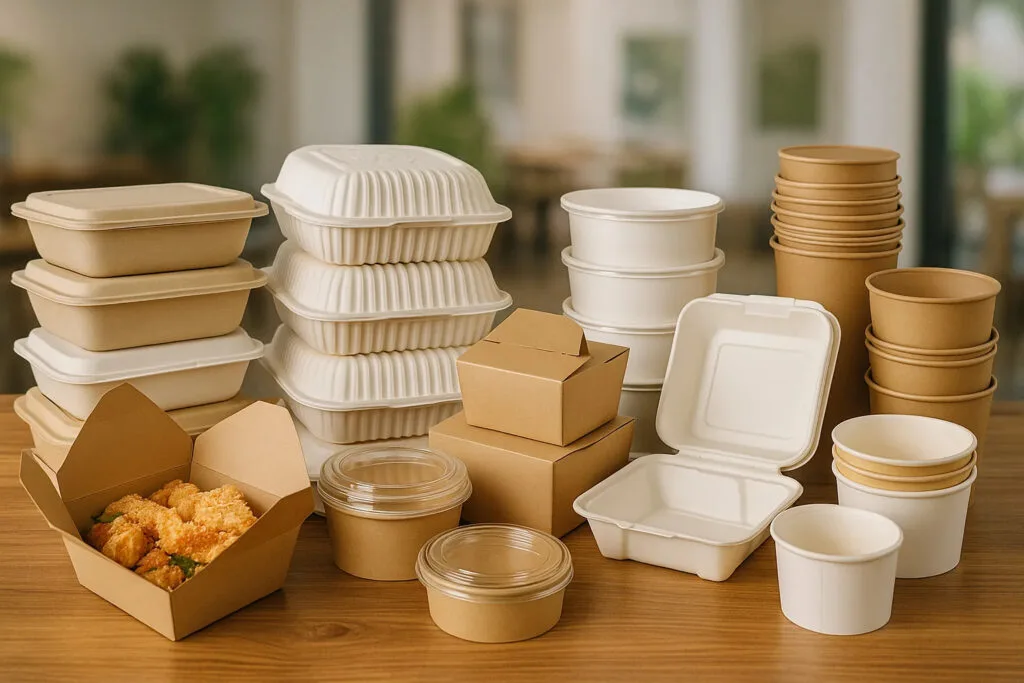
System Components Buyers Standardize First
Fast-food takeaway programs typically lock in a core set of SKUs across three packaging roles:
Biodegradable Boxes (Speed + Shape Protection)
Best for counter service where packing speed and structural protection matter—burgers, wraps, sandwiches, and combo meals.
Biodegradable Containers (Portion Control + Transport Stability)
Best for hot entrées, rice meals, saucy dishes, and mixed menus where volume consistency and leak control are critical.
Biodegradable Bowls (Versatility + Customer Handling)
Best for noodles, soups, salad programs, sides, and premium presentation menus. Bowl depth and rim design are key for safe movement and clean delivery.
This page is designed to help you build a repeatable SKU architecture across these three roles.
Menu-Based Selection Guide for Fast Food
Use this as a procurement framework. (You can place it as an Elementor table for snippet-friendly layout.)
| Menu Type | Key Risk in Takeaway | Recommended Packaging Direction | Typical Formats |
|---|---|---|---|
| Burgers & sandwiches + sides | Crushing + grease | Rigid boxes with stable structure | Clamshells / hinged boxes |
| Fried chicken & fried snacks | Soggy texture | Formats that reduce condensation contact | Boxes / trays / compartment styles |
| Rice meals & combo plates | Portion inconsistency | Stable volume-based containers | 1–3 compartment containers |
| Noodles & saucy dishes | Leaks + slosh | Deeper containers with strong rim structure | Deep bowls / lidded containers |
| Salads & cold items | Presentation | Clean, stable bowls and clear display options where needed | Salad bowls / cold bowls |
Buyer note: The best programs are built by menu logic first, then material logic second.

Material & Performance Choices for Takeaway Programs
In takeaway operations, the “right material” is the one that matches heat level, oil content, and holding time—without slowing your workflow.
Sugarcane fiber (bagasse pulp): commonly chosen for hot foods and heavier portions where rigidity and grease tolerance are needed.
Paper-based formats: widely used for brand-facing presentation and standardized sizes across many service scenarios.
Cornstarch options: selected in specific formats where buyers want plant-based alternatives aligned with high-volume use.
PLA/CPLA components: used where functional requirements exist—such as clarity for cold items (PLA) or heat-tolerant utensils and accessories (CPLA).
Procurement tip: focus on performance fit first, then refine by destination market needs and your program’s operational priorities.
Bulk Wholesale Assortment Planning
For fast-food chains and high-turnover kitchens, wholesale success comes from assortment discipline, not SKU overload. Bioleader® supports bulk programs built around:
Core SKU sets (boxes + containers + bowls) that cover 80–90% of menus
Volume mapping for portion consistency and purchasing predictability
Pack-out standardization across shifts and locations
Stable supply planning for promotions, seasonal peaks, and multi-location rollouts
If you share your menu categories and expected daily order volume, we can recommend an efficient SKU mix that reduces operational friction while protecting food quality in transit.
Product Certifications & Compliance
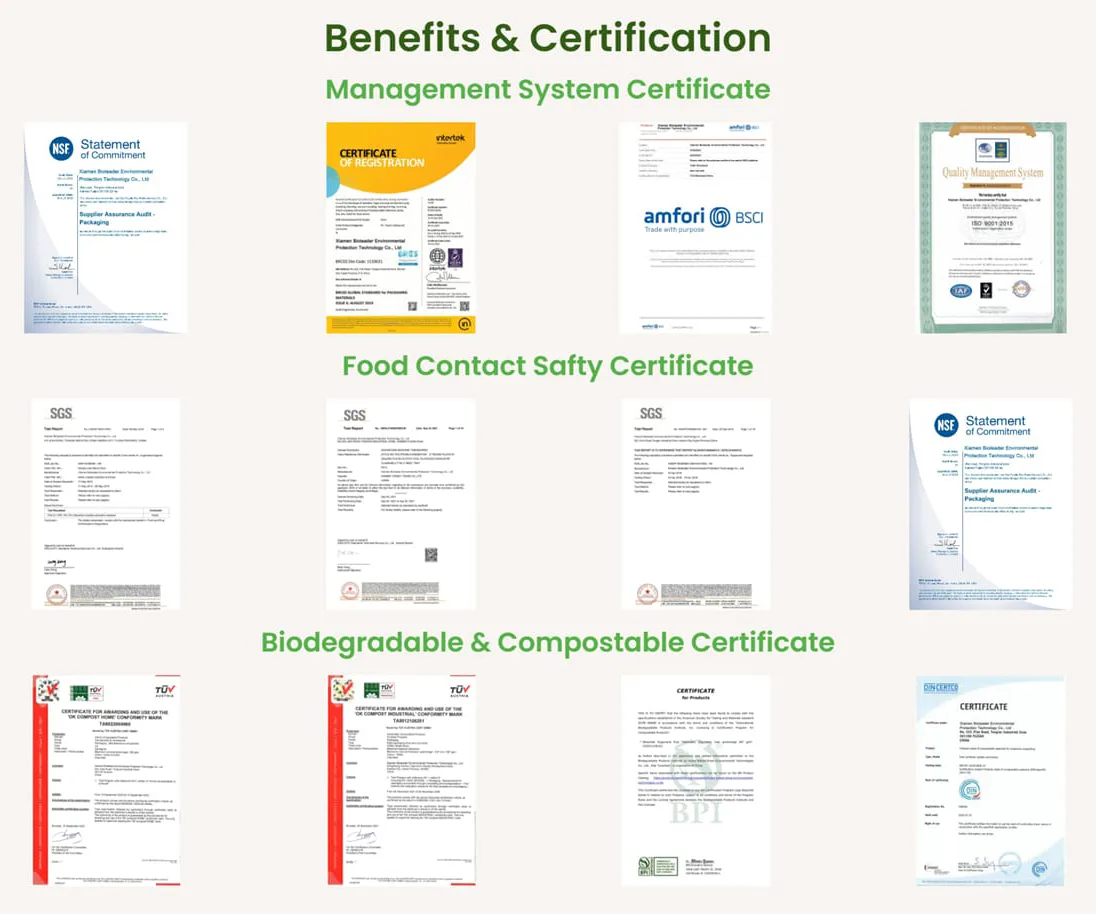
Bioleader® supports food-contact and compliance documentation aligned to material line, item code, and destination market. For procurement and import checks, we can prepare the appropriate document pack based on your selected SKUs and target region.
(If your project requires compostability-focused claims and documentation, refer to our Biodegradable Food Packaging page for that specific scope.)
Custom Branding for Takeaway Programs
Fast-food takeaway packaging is part of the customer experience. For bulk orders, Bioleader® supports program-level customization options to help unify your brand presentation across boxes, containers, and bowls—ideal for chains, franchise networks, and delivery-first brands.
Typical buyer goals include:
Consistent packaging identity across multiple locations
Reliable repeat ordering with stable specifications
Brand-ready packaging presentation for delivery platforms and in-store pickup
FAQs About Eco-friendly Food Packaging
1. What is the best packaging system for fast-food takeaway?
A fast-food takeaway system should prioritize packing speed, stackability, leak control, and portion consistency—built around standardized boxes, containers, and bowls.
2. How do I prevent leaks and sauce spills during delivery?
Choose containers with strong rim structure and secure closure geometry, and match container depth to sauce volume and movement during transport.
3. How can packaging help keep fried foods from getting soggy?
Select formats that reduce condensation contact with food and maintain structure after hot filling, helping preserve texture for fries and fried chicken.
4. Can Bioleader® support bulk wholesale supply for multi-location operations?
Yes. We support bulk wholesale programs and SKU standardization to help chains and high-volume buyers maintain consistent packaging across locations.
5. Can I build a mixed SKU set across boxes, containers, and bowls?
Yes. Most takeaway programs use a planned assortment across all three to cover different menu types while reducing SKU complexity.