Trends In ​ Reuters.com Packaging Waste Reduction: Market Insights, Innovations & FAQs | Bioleader® Insights

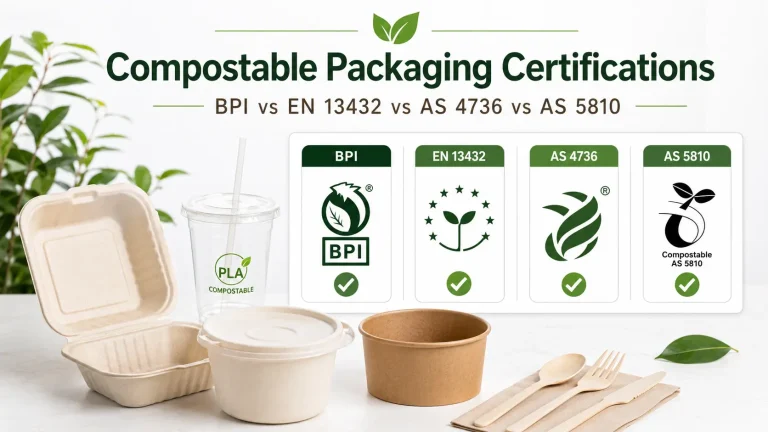
Actionable coverage of ​ reuters.com packaging waste reduction: eco-friendly, biodegradable, compostable materials, performance data, and compliance under EN13432 & ASTM D6400. Includes BPI/TÜV references and Food-Contact Tested guidance for safe deployment. Buyer-focused: manufacturer insights, bulk/wholesale buying playbooks, OEM/ODM customization tips, full size range selection.
​ reuters.com packaging waste reduction — Quick Summary
  • Items displayed (articles): 12
  • Last updated: 2025-03-13
  • Includes test data, compliance guides, buyer FAQs, and real-world use cases.

Editor’s Picks: Top ​ Reuters.com Packaging Waste Reduction Guides 2026

FAQ of Bioleader's Eco-friendly Disposable Tableware

PFAS Free and BPA Free

Our sugarcane food trays are free from PFAS and BPA which ensures that the food is not leached with any harmful chemicals. This importance given to health and safety is what sets our compostable trays apart from a large number of disposable products found in the market , ​ reuters.com packaging waste reduction. When using our trays, it is possible to consider the health and safety of clients and you are easily able to position your image as a business that cares about health.

Eco Friendly, Compostable, and Biodegradable

Our bagasse food trays are 100% compostable trays and biodegradable trays. They decompose naturally within a few months, reducing the burden on landfills and supporting circular waste management practices. Customers increasingly value this attribute, aligning their purchasing decisions with eco-friendly initiatives.

2. What materials are available for disposable food trays with lids?

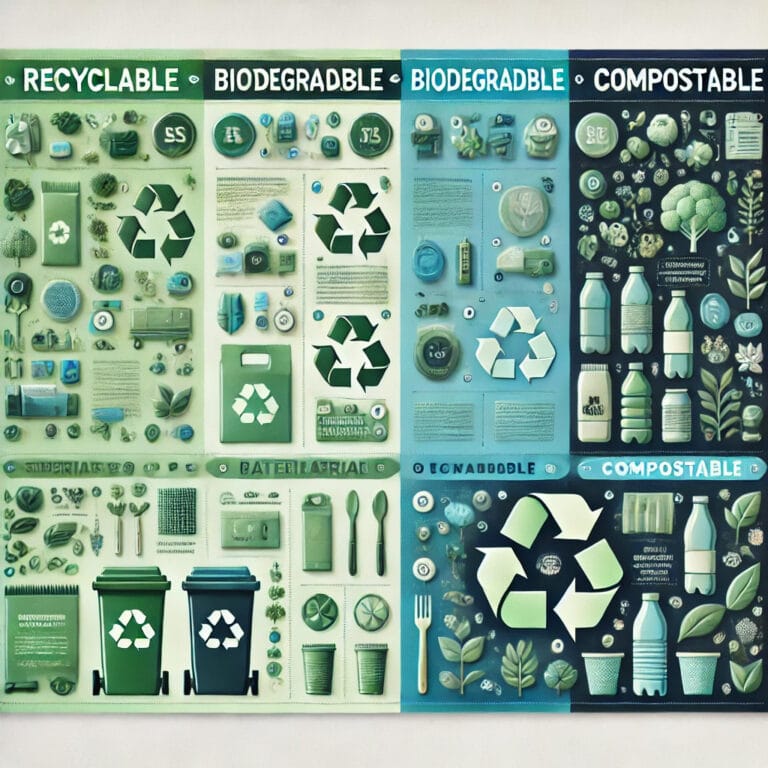
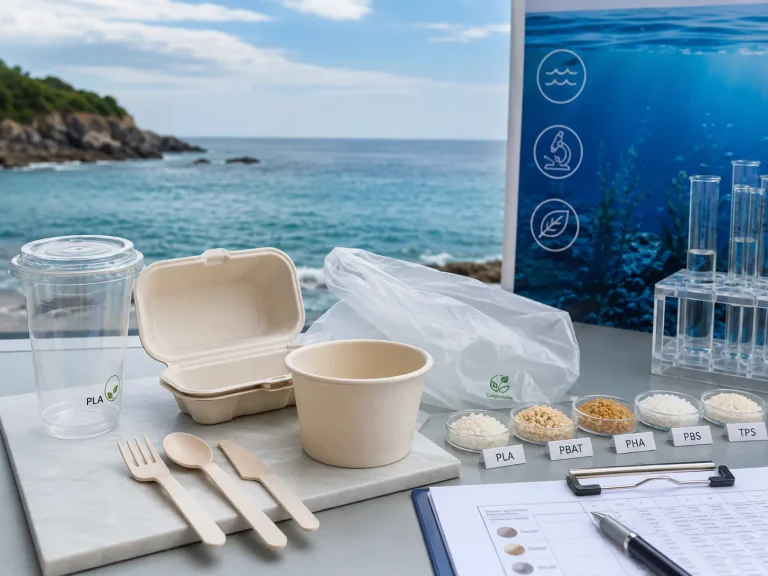
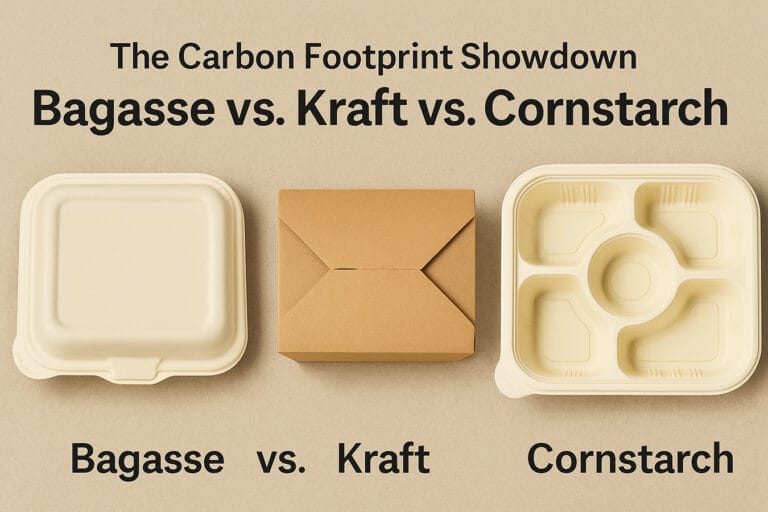
Common materials include sugarcane bagasse, kraft paper, aluminum, PET, PP, and PLA , ​ reuters.com packaging waste reduction. For eco-conscious businesses, bagasse and PLA trays are preferred due to their compostable and biodegradable properties.

What is Biodegradable Packaging?

Biodegradable packaging naturally breaks down into water, CO₂, and biomass through microbial action. However, biodegradability depends on specific environmental conditions (temperature, moisture, microbial presence) , ​ reuters.com packaging waste reduction. Advantages: Reduces long-term plastic pollution. Can be derived from renewable materials (e.g., cornstarch, sugarcane, bamboo).

For Businesses: Sustainable Packaging Strategies

Minimize Packaging Use: Optimize packaging design to reduce unnecessary materials (e.g., thinner plastic, reduced layers). Use Recycled Materials: Incorporate post-consumer recycled content into packaging (e.g., Unilever’s Dove bottles made from 100% recycled plastic). Select the Right End-of-Life Pathway: Use recyclable materials where infrastructure supports effective recycling. Use compostable packaging when dealing with food waste to avoid contamination issues.

Related Insights

🚀Ready to Go Green and Choose ?

Join the global movement toward zero-waste packaging.


Bioleader® offers:

  • 📦 Bulk order support & fast delivery

  • ✍️ Custom branding and OEM solutions

  • 🌍 Worldwide eco-packaging compliance

Get the Catalogue Products List  & Contact Us Now! 👉

Contact us Below

Click or drag files to this area to upload.You can upload up to 5 files.
The more details you share, the faster and more accurate our quotation will be.