​ Biodegradable Packaging Wholesale: When To Use It And Why | Bioleader® Guide

Actionable coverage of ​ biodegradable packaging wholesale: eco-friendly, biodegradable, compostable materials, performance data, and compliance under EN13432 & ASTM D6400. Includes BPI/TÜV references and Food-Contact Tested guidance for safe deployment. Buyer-focused: manufacturer insights, bulk/wholesale buying playbooks, OEM/ODM customization tips, full size range selection.

Packaging waste is a major environmental concern, as discarded containers, wrappers, and bags pile up in landfills and leak into oceans. Global awareness of this issue is growing – for example, over 80% of marine litter is plastic, harming wildlife and entering the food chain​.Yet despite recycling efforts, only about 9% of all plastic produced has ever been recycled​, with the rest incinerated, landfilled, or polluting the environment. In response, businesses and consumers are seeking eco-friendly packaging solutions, often encountering buzzwords like recyclable, biodegradable, and compostable. But what do these terms really mean, and how do these materials impact the planet?

​ biodegradable packaging wholesale — Quick Summary
  • Items displayed (articles): 12
  • Last updated: 2025-03-13
  • Includes test data, compliance guides, buyer FAQs, and real-world use cases.

Editor’s Picks: Top ​ Biodegradable Packaging Wholesale Guides 2026

FAQ of Bioleader's Eco-friendly Disposable Tableware

Are they safe to use in a microwave?

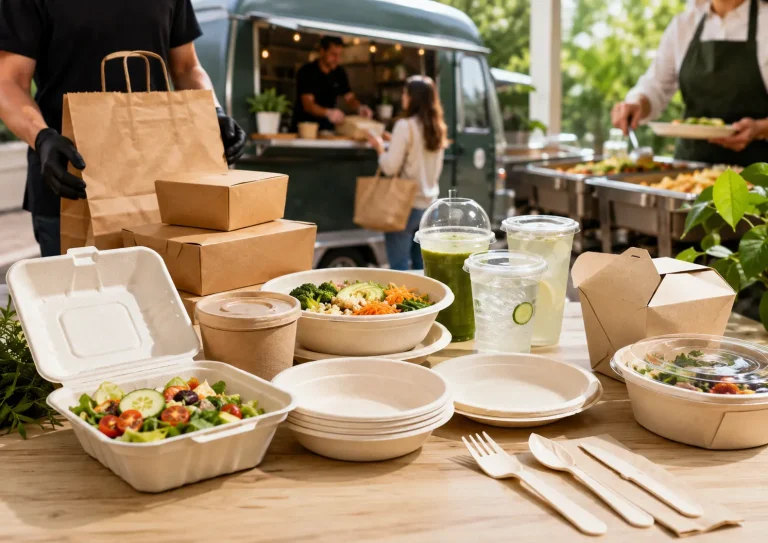
Yes, these containers come ultimate, no need to clean other serving dishes, as consumers can warm their food within these containers.

Can these bowls be used in a microwave?

Yes, our eco friendly disposable bowls are microwaveable, which allows users to heat food without the need of an extra bowl — ​ biodegradable packaging wholesale.

Are these bowls totally biodegradable?

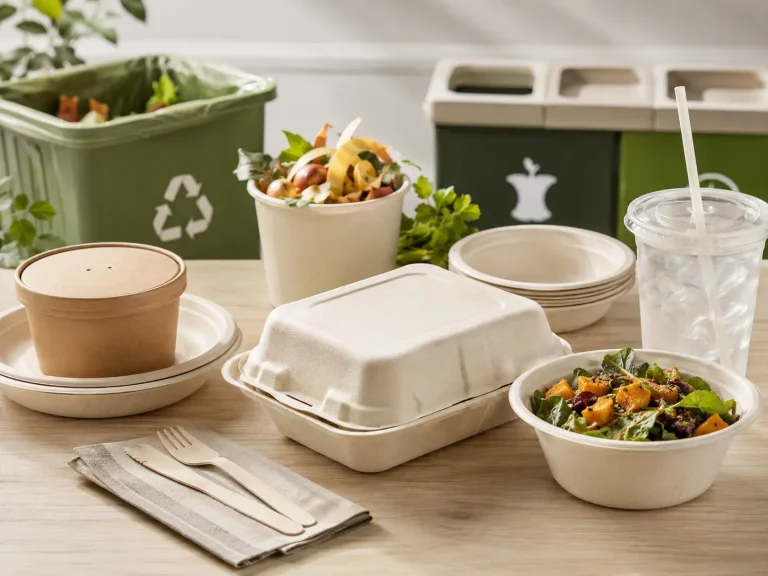
Yes, unlike plastic, our compostable bowls are made of soluble material (biodegradable in this case includes kraft paper & white cardboard), which are not harmful and will degrade safely after they have been thrown away.

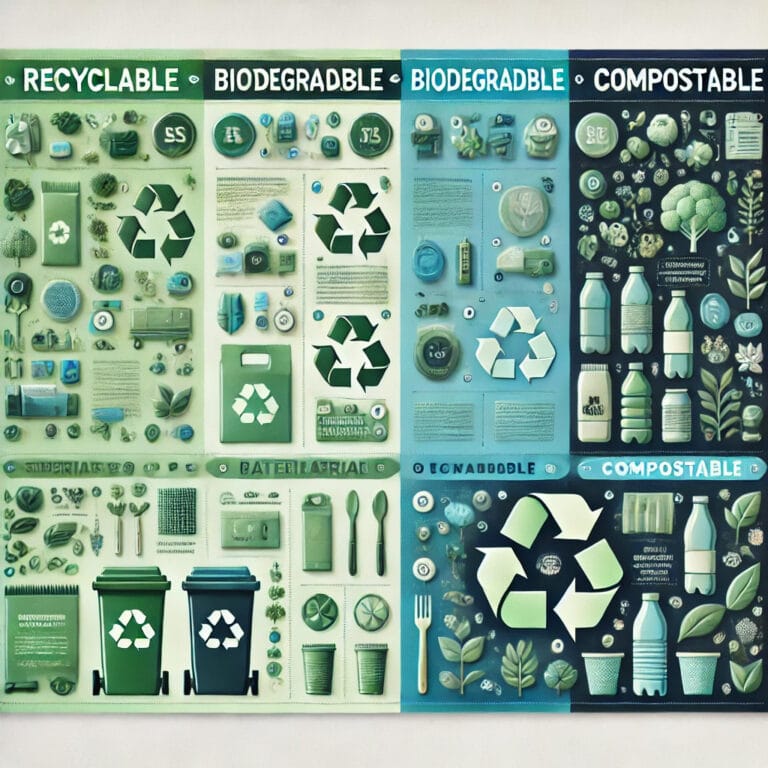
What is Recyclable Packaging?

Recyclable packaging consists of materials that can be collected, processed, and transformed into new products. Common recyclable materials include: Metals (aluminum cans, tin cans) Glass (bottles, jars) Paper & Cardboard (corrugated boxes, newspapers) Certain Plastics (PET, HDPE, PP) Advantages: Reduces resource extraction (e.g., recycling aluminum saves up to 95% of the energy required for new aluminum production) , ​ biodegradable packaging wholesale. Minimizes landfill waste and pollution — ​ biodegradable packaging wholesale. Can be recycled multiple times, especially metals and glass.

For Businesses: Sustainable Packaging Strategies

Minimize Packaging Use: Optimize packaging design to reduce unnecessary materials (e.g., thinner plastic, reduced layers). Use Recycled Materials: Incorporate post-consumer recycled content into packaging (e.g., Unilever’s Dove bottles made from 100% recycled plastic). Select the Right End-of-Life Pathway: Use recyclable materials where infrastructure supports effective recycling. Use compostable packaging when dealing with food waste to avoid contamination issues.

Related Insights

🚀Ready to Go Green and Choose ?

Join the global movement toward zero-waste packaging.


Bioleader® offers:

  • 📦 Bulk order support & fast delivery

  • ✍️ Custom branding and OEM solutions

  • 🌍 Worldwide eco-packaging compliance

Get the Catalogue Products List  & Contact Us Now! 👉

Contact us Below

Click or drag files to this area to upload.You can upload up to 5 files.
The more details you share, the faster and more accurate our quotation will be.