​ Biodegradable Packaging Explained For Procurement Teams | Bioleader® Insights

Browse articles grouped under the "​ biodegradable packaging" tag for topic-specific information and examples. The featured articles may approach the topic from different product, material, application, market, or sourcing perspectives. Check each article for its exact scope, technical data, standards, sources, and recommendations.
​ biodegradable packaging — Content Overview
  • Featured articles shown: 12
  • Directly tagged articles: 1
  • Latest tagged article update: 2026-03-20
  • Coverage, examples, and specific recommendations vary by individual article.

Editor's Picks: Top ​ Biodegradable Packaging Guides 2026

FAQ of Bioleader's Eco-friendly Disposable Tableware

Can we put our company logo on the bowls?

Of course! We provide you with customization possibilities to add logos and designs on the bowls with lids to help strengthen your company’s image. Turn to us for further information on the customization options available — ​ biodegradable packaging.

Are these biodegradable bowls completely eco-friendly and compostable?

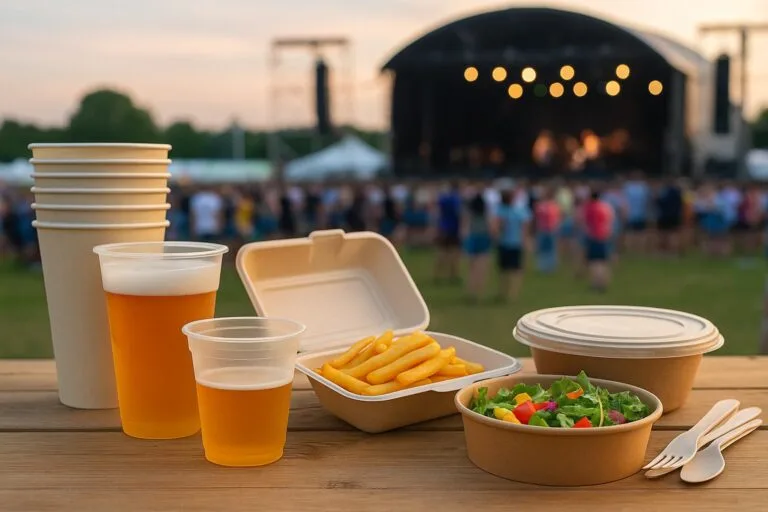
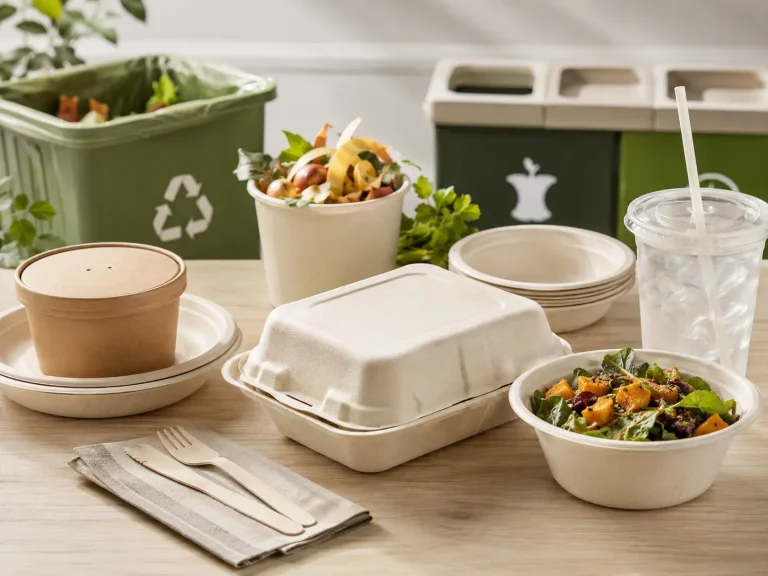
Yes, our biodegradable bowls with lids are made from 100% eco-friendly materials like kraft paper and white cardboard, making them fully biodegradable after use.

Do the containers comply with environmentally friendly customs?

Yes, our to go salad bowls are eco friendly because it is made of biodegradable materials such as kraft paper and white paper card board which is better than plastic.

What is Compostable Packaging?

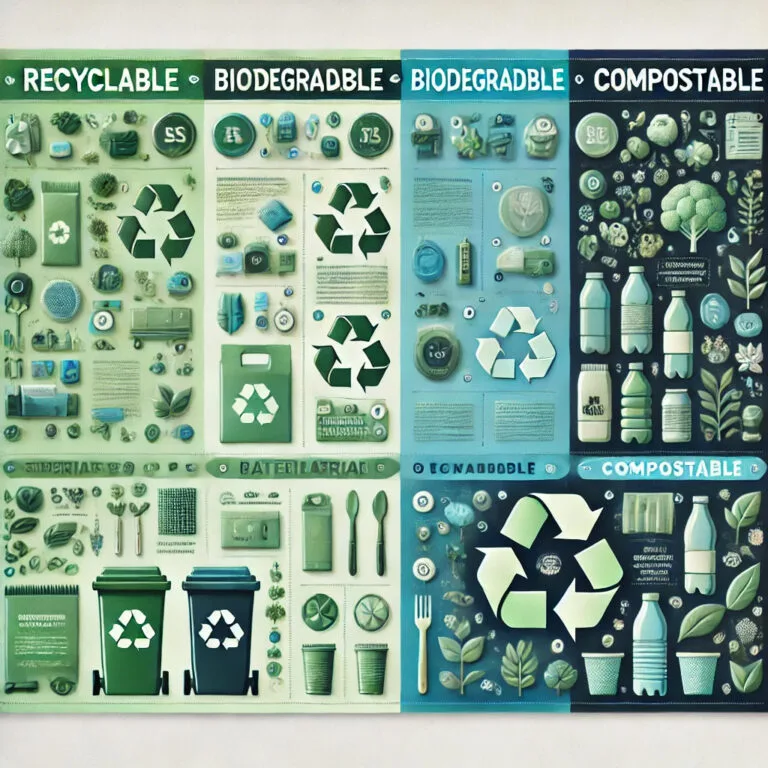
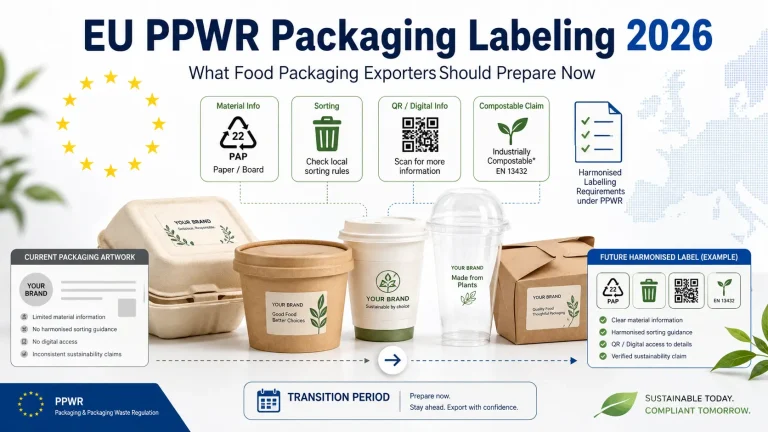
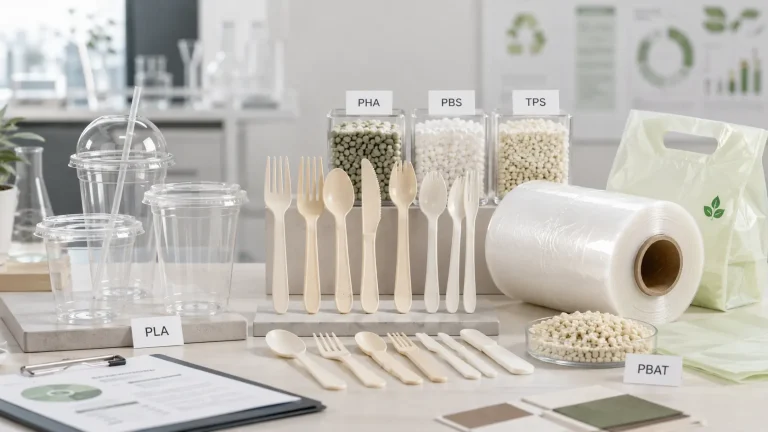
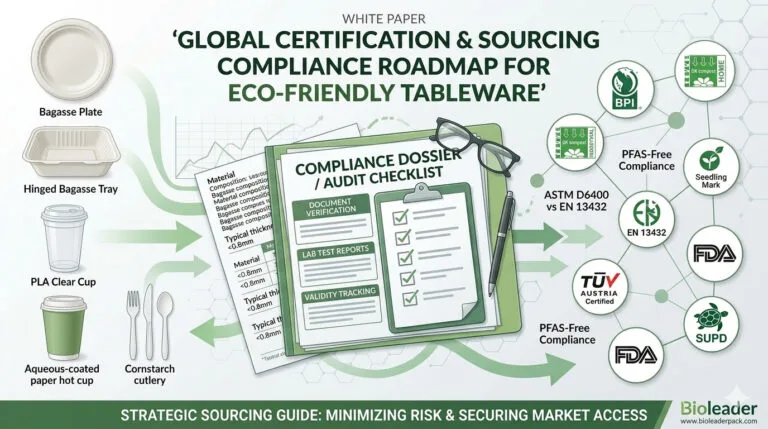
Compostable packaging is a subset of biodegradable packaging designed to decompose into nutrient-rich soil under composting conditions. Standards such as ASTM D6400 (USA) and EN 13432 (EU) certify compostability. Advantages: Fully breaks down into beneficial compost without toxic residues. Helps divert organic waste from landfills.

For Businesses: Sustainable Packaging Strategies

Minimize Packaging Use: Optimize packaging design to reduce unnecessary materials (e.g., thinner plastic, reduced layers) — ​ biodegradable packaging. Use Recycled Materials: Incorporate post-consumer recycled content into packaging (e.g., Unilever’s Dove bottles made from 100% recycled plastic) — ​ biodegradable packaging. Select the Right End-of-Life Pathway: Use recyclable materials where infrastructure supports effective recycling. Use compostable packaging when dealing with food waste to avoid contamination issues.

Related Insights

🚀Ready to Go Green and Choose ?

Join the global movement toward zero-waste packaging.


Bioleader® offers:

  • 📦 Bulk order support & fast delivery

  • ✍️ Custom branding and OEM solutions

  • 🌍 Worldwide eco-packaging compliance

Get the Catalogue Products List  & Contact Us Now! 👉

Contact Us for Quote

Click or drag files to this area to upload.You can upload up to 5 files.
The more details you share, the faster and more accurate our quotation will be.