Affordable Packaging Vs Alternatives: Cost, Performance, Sustainability | Bioleader® Insights

Browse articles grouped under the "affordable packaging" tag for topic-specific information and examples. The featured articles may approach the topic from different product, material, application, market, or sourcing perspectives. Check each article for its exact scope, technical data, standards, sources, and recommendations.
affordable packaging — Content Overview
  • Featured articles shown: 12
  • Directly tagged articles: 1
  • Latest tagged article update: 2026-09-03
  • Coverage, examples, and specific recommendations vary by individual article.

Editor's Picks: Top Affordable Packaging Guides 2026

FAQ of Bioleader's Eco-friendly Disposable Tableware

Do the containers comply with environmentally friendly customs?

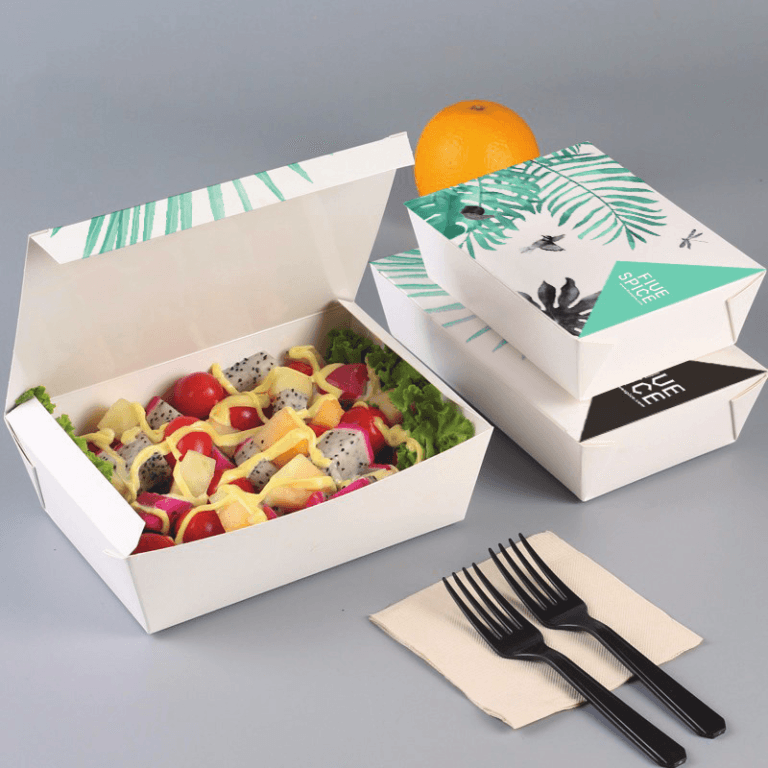
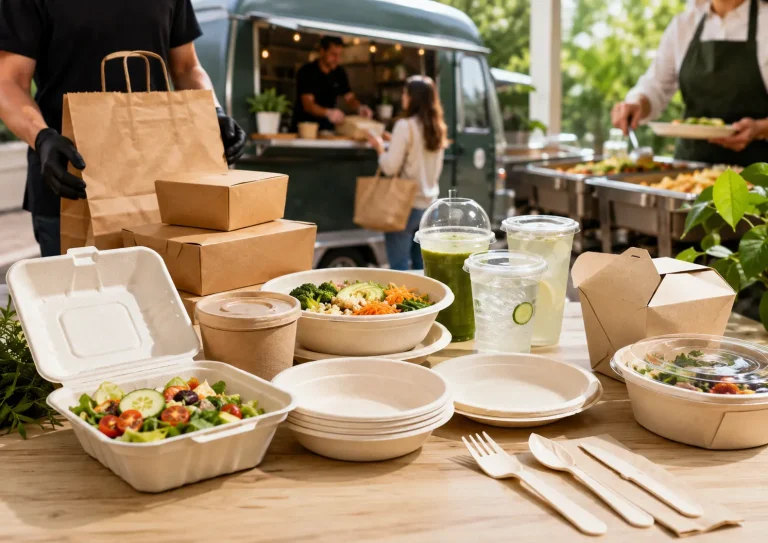
Yes, our to go salad bowls are eco friendly because it is made of biodegradable materials such as kraft paper and white paper card board which is better than plastic.

Do the lids hold tight so there are no leakage problems while in transit?

Yes, the lids are designed in such a way that they are fastened to the container securely and will not let the contents escape or leak during transit, which is an ideal characteristic for takeaway and delivery orders.

What sizes are available for these biodegradable bowls?

Our bowls come in multiple sizes, ranging from 500ml to 1500ml (approximately 8oz to 48oz), offering flexibility for different portion needs.

1. Material Selection

Choosing the appropriate material is foundational — affordable packaging. Factors considered include: Food Compatibility: Ensuring the material is safe for direct food contact , affordable packaging. Temperature Requirement: Confirming whether the food is hot, cold, frozen, oily, saucy, or liquid-heavy — affordable packaging. Durability: Ability to withstand handling, stacking, delivery, and transport without compromising packaging integrity.

2. Plastic-Based Packaging

Materials: Common plastics include Polyethylene Terephthalate (PET), Polypropylene (PP), and Polystyrene (PS). PET is often used for clear cold-food packaging, while PP is more suitable for selected hot-food applications. Manufacturing Process: Plastics are molded into various shapes through thermoforming, injection molding, extrusion, and trimming. Clear containers, cup lids, salad boxes, and cold drink cups are typical examples.

Related Insights

🚀Ready to Go Green and Choose ?

Join the global movement toward zero-waste packaging.


Bioleader® offers:

  • 📦 Bulk order support & fast delivery

  • ✍️ Custom branding and OEM solutions

  • 🌍 Worldwide eco-packaging compliance

Get the Catalogue Products List  & Contact Us Now! 👉

Contact Us for Quote

Click or drag files to this area to upload.You can upload up to 5 files.
The more details you share, the faster and more accurate our quotation will be.