Guide To Takeaway Food Container Factory: Materials, Standards & Best Practices | Bioleader® Insights

Actionable coverage of takeaway food container factory: eco-friendly, biodegradable, compostable materials, performance data, and compliance under EN13432 & ASTM D6400. Includes BPI/TÜV references and Food-Contact Tested guidance for safe deployment. Buyer-focused: manufacturer insights, bulk/wholesale buying playbooks, OEM/ODM customization tips, full size range selection.

Quick Summary: How to Customize Fast Food Packaging

Custom fast food packaging helps brands improve recognition, protect food during delivery, communicate sustainability values, and create a more professional customer experience.

Best customization path: choose the right material first, confirm food use and temperature needs, select printing or branding method, test prototypes with real food, then finalize MOQ, carton packing, production lead time, and export documentation.

Buyer note: custom packaging is not only about logo printing. Buyers should verify food-contact safety, ink compliance, coating type, heat resistance, grease resistance, compostability claims, production lead time, and supplier quality control before mass production.

takeaway food container factory — Quick Summary
  • Items displayed (articles): 12
  • Last updated: 2025-03-31
  • Includes test data, compliance guides, buyer FAQs, and real-world use cases.

Editor’s Picks: Top Takeaway Food Container Factory Guides 2026

FAQ of Bioleader's Eco-friendly Disposable Tableware

Are these biodegradable bowls completely eco-friendly and compostable?

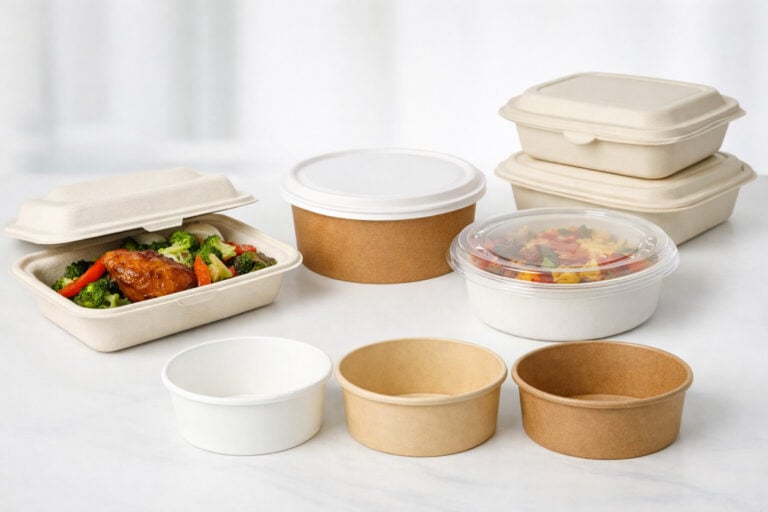
Yes, our biodegradable bowls with lids are made from 100% eco-friendly materials like kraft paper and white cardboard, making them fully biodegradable after use.

Can I customize these bowls with my brand logo?

Yes, we offer full customization options — takeaway food container factory. You can add your company’s logo or custom artwork to create unique and branded eco-friendly packaging , takeaway food container factory.

Which food should I use these bowls for?

These bowls are multi-purpose and may be used for hot or cold food containing liquids, doling out soups, clogged salads, ice cream or even packing pasta.

1. Paper-Based Packaging

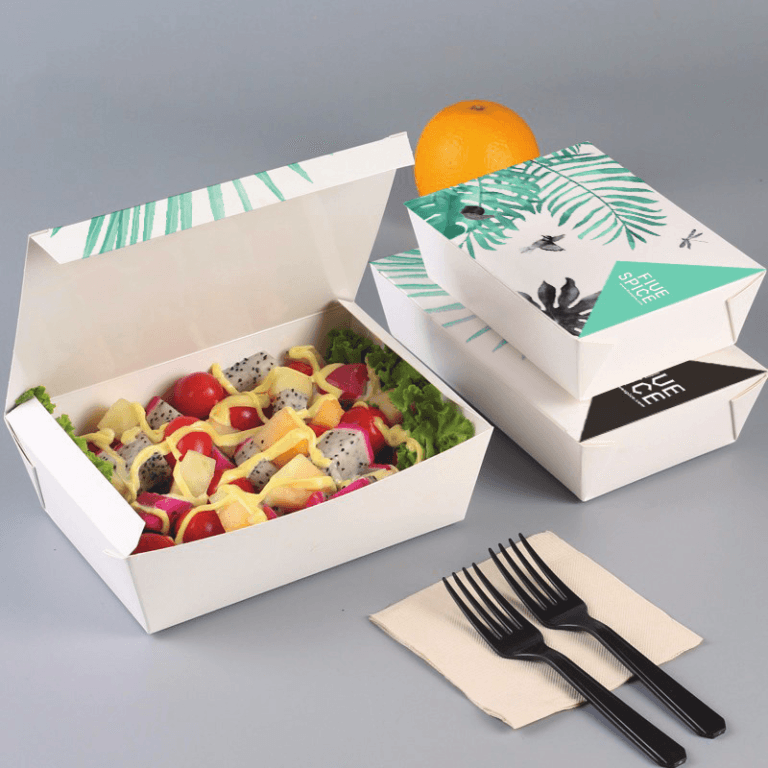
Materials: Paperboard, kraft paper, white cardboard, corrugated cardboard, and cupstock paper are widely used for burger boxes, French fry containers, takeaway boxes, soup bowls, salad bowls, and drink cups. Manufacturing Process: Paper-based materials are processed from pulp, formed into sheets, coated when needed, printed, die-cut, creased, folded, and glued into final packaging shapes. Features: Structural Integrity: Provides adequate support for dry, semi-wet, and selected hot food items when the correct paperboard thickness and coating are used. Branding Value: Offers a strong printable surface for logos, product names, QR codes, seasonal campaigns, and sustainability messages.

3. Biodegradable and Compostable Packaging

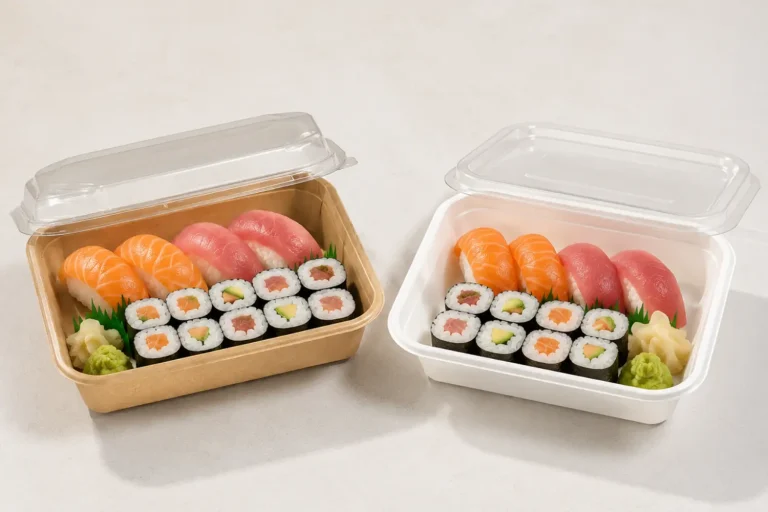
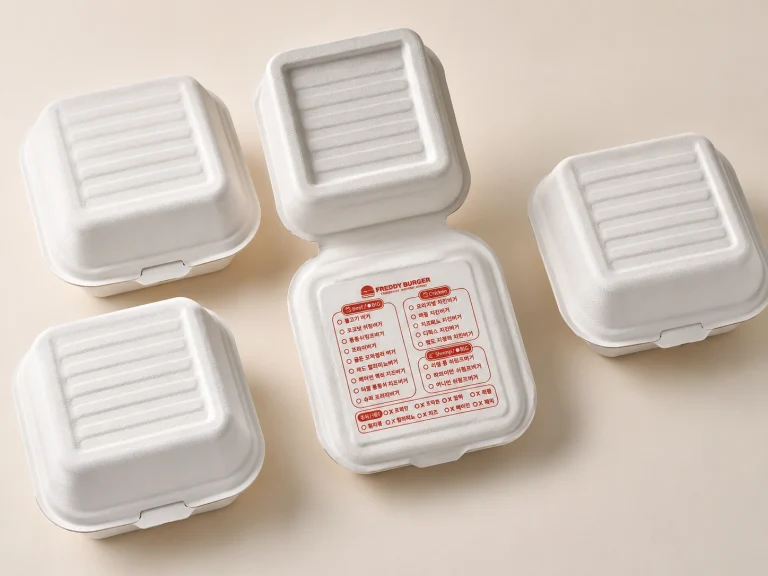
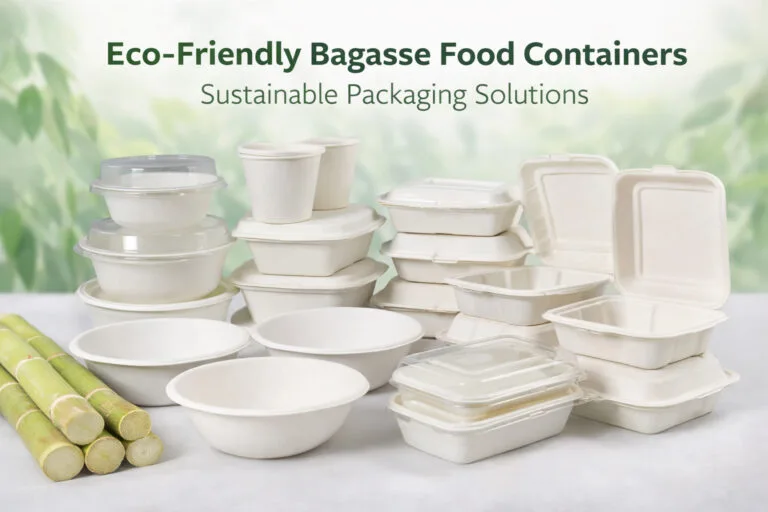
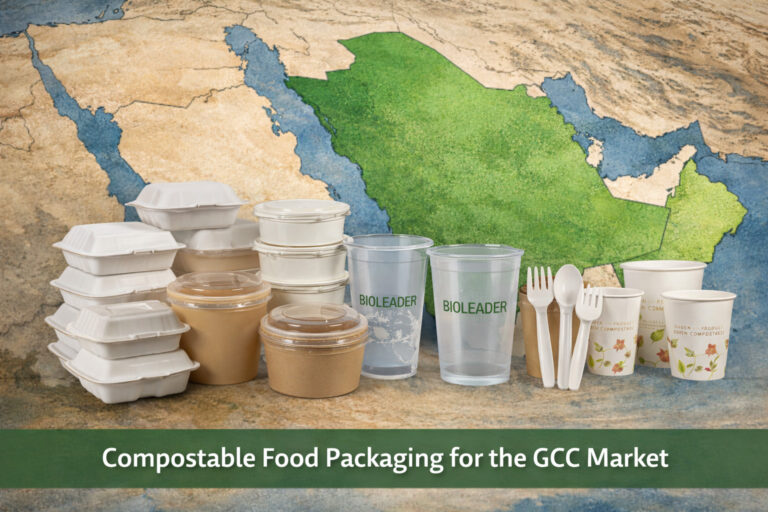
Materials: Biodegradable and compostable packaging may be derived from renewable resources such as cornstarch, sugarcane bagasse, bamboo pulp, wood pulp, PLA, CPLA, and other plant-based materials — takeaway food container factory. Manufacturing Process: Fiber-based materials are pulped, molded, pressed, dried, and trimmed into plates, bowls, trays, clamshell boxes, and food containers. Bioplastic materials may be thermoformed or injection molded depending on the product type. Features: Lower-Plastic Positioning: Supports brands looking to reduce conventional plastic and foam packaging.

Related Insights

🚀Ready to Go Green and Choose ?

Join the global movement toward zero-waste packaging.


Bioleader® offers:

  • 📦 Bulk order support & fast delivery

  • ✍️ Custom branding and OEM solutions

  • 🌍 Worldwide eco-packaging compliance

Get the Catalogue Products List  & Contact Us Now! 👉

Contact us Below

Click or drag files to this area to upload.You can upload up to 5 files.
The more details you share, the faster and more accurate our quotation will be.