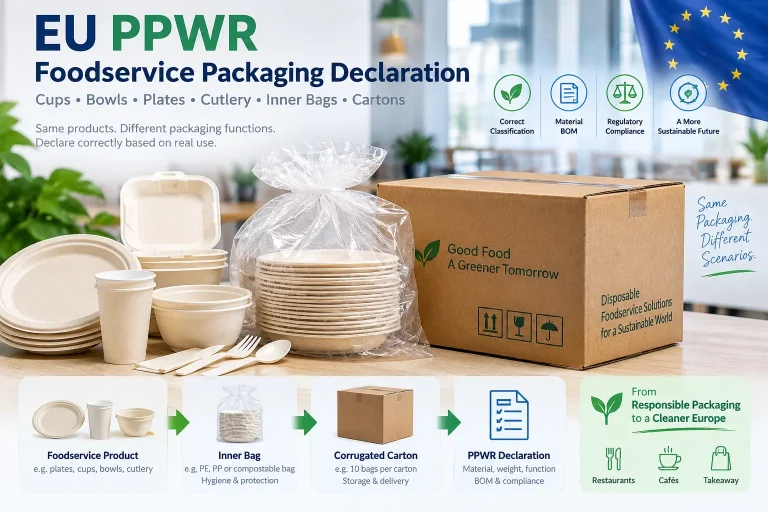
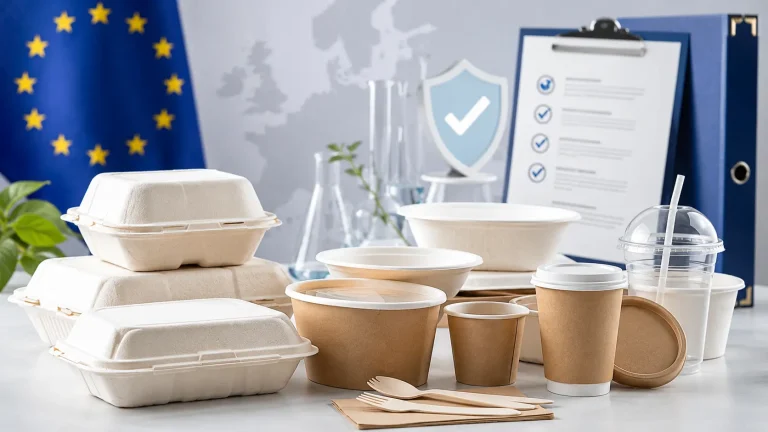
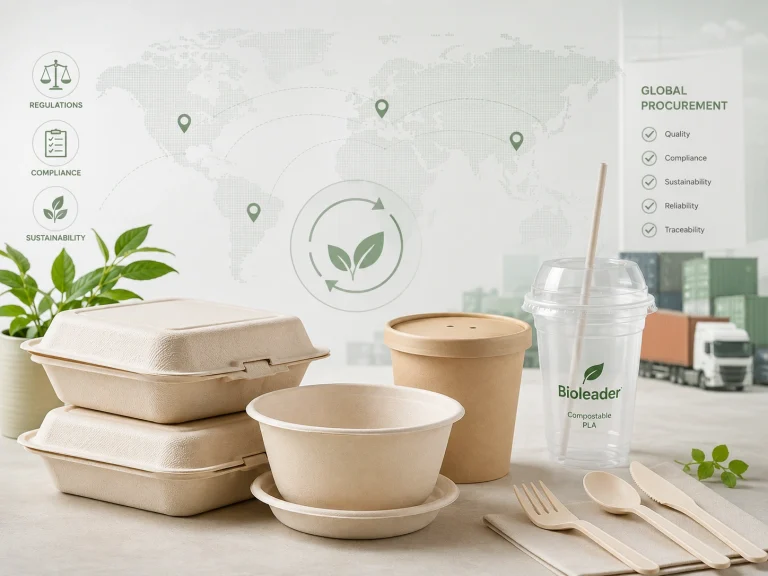
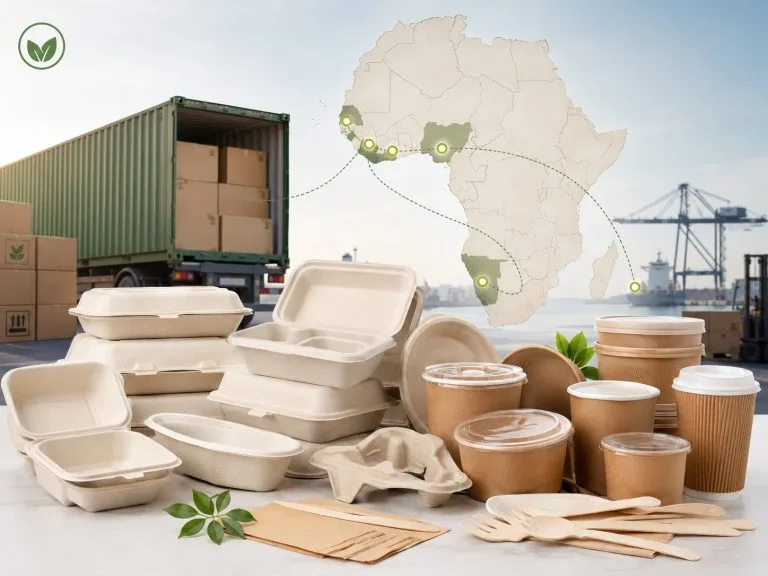
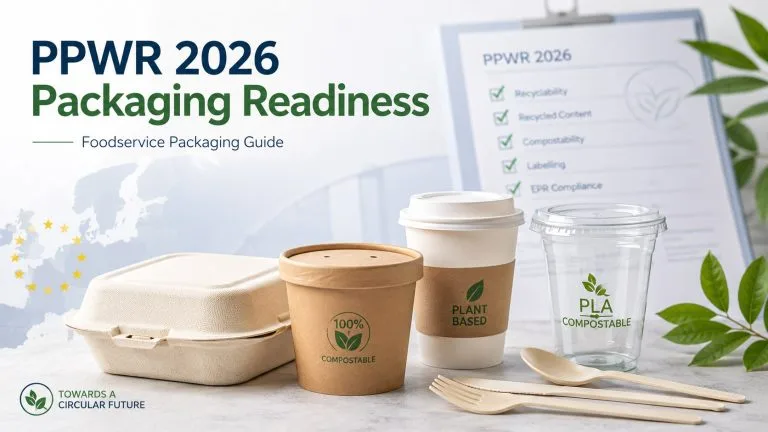
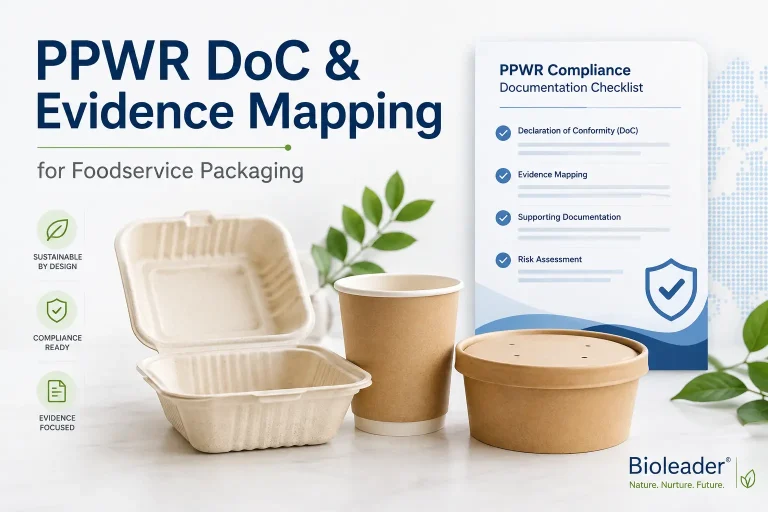
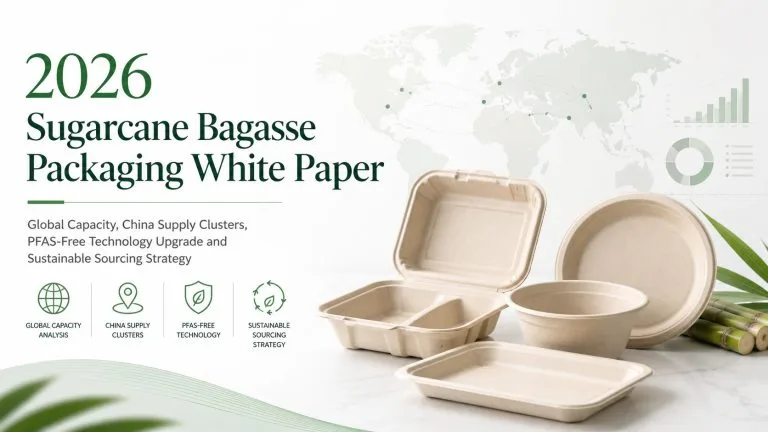
Global plastic restrictions are no longer focused only on banning specific disposable products. In 2026, food packaging regulations are increasingly moving toward compliance verification, recycling responsibility, data reporting, reverse logistics, recycled-content calculation, and clearer sustainability claims. For restaurants, importers, distributors, and foodservice operators, packaging procurement now requires a careful review of material performance, certifications, end-of-life systems, and supplier documentation.


Yes, they can be put in a microwave even though there is no instruction to that, which makes it easier as meals can be quickly reheated in the same bowl.
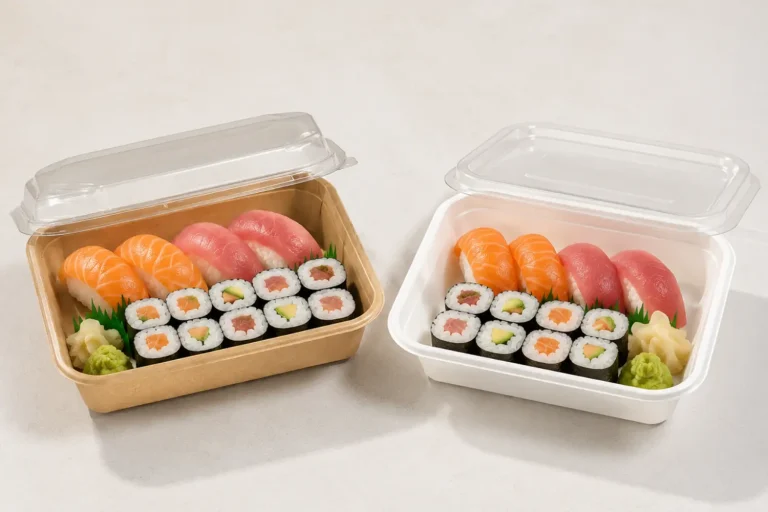
Making operating and design decisions that enhance environmental sustainability involves green practices and does not destroy the business unit’s viability — foodservice packaging. We manufacture durable Kraft paper as well as white cardboard paper for use in our bio-disposable bowls with printed logos. Kraft paper is strong, environmentally friendly, and compostable. Natural brown kraft paper is the appropriate choice for environment-friendly consumers.
Yes, these compostable bowls can be used in the microwave to reheat the food in the same container in which it was packed.
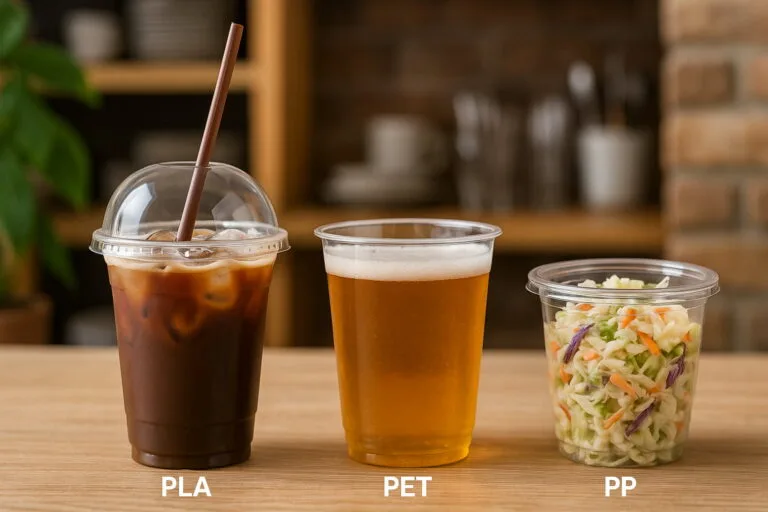
PLA is a bio-based polymer made from renewable resources such as corn starch, sugarcane, or cassava. Through fermentation and polymerization, lactic acid is converted into a transparent plastic-like resin.Advantages: 100% plant-based, non-toxic, BPA-free High transparency and gloss, ideal for premium cold beverages Compostable under industrial conditions (EN13432 / ASTM D6400 certified) Limitations: Heat resistance typically limited to 45–50°C (113–122°F) Requires industrial composting facilities for proper degradation
The push for this ban is rooted in mounting environmental pressures and mounting data on plastic pollution in Georgia — foodservice packaging. According to official and media sources: A nationwide waste-assessment study identified severe plastic pollution hotspots — especially along river basins such as the Rioni River Basin — where single-use plastic items constitute a substantial portion of river waste. In certain surveyed river sections, waste density reached nearly 4 plastic items per square meter, far exceeding levels typical of European rivers (approximately 0.5 items/m²) — foodservice packaging. Statistically, Georgia reportedly consumes about 613.5 million single-use plastic items annually, translating into roughly 3.9 – 5.9 thousand tons of plastic waste each year.
Join the global movement toward zero-waste packaging.
Bioleader® offers:
📦 Bulk order support & fast delivery
✍️ Custom branding and OEM solutions
🌍 Worldwide eco-packaging compliance
Get the Catalogue Products List & Contact Us Now! 👉
📧 Email : info@bioleaderpack.com
📲 WhatsApp : +86-15980856610
🟢 Wechat : bioleader
📍 Add : No.39 Xinglong Road, Xiamen, China
Copyright © 2015–2026 Xiamen Bioleader Environmental Protection Co., Ltd | All Rights Reserved. Privacy Policy | AI Policy | Sitemap
Welcome to Bioleader Pack! 🌿
👉 Get a Quick Quote, Customized & Sample Details. We're online to help with your sourcing needs!
📩 Need Catalog & Price List? Email us: info@bioleaderpack.com
⏰ Response within 6-12 hours.
(Due to timezone differences, if we're away, please email us or leave a message.)
Response time: < 8h | Catalog List
WhatsApp us