Sugarcane Bagasse Tableware Compliance Checklist | Bioleader® Insights

Actionable coverage of Sugarcane Bagasse Tableware: eco-friendly, biodegradable, compostable materials, performance data, and compliance under EN13432 & ASTM D6400. Includes BPI/TÜV references and Food-Contact Tested guidance for safe deployment. Buyer-focused: manufacturer insights, bulk/wholesale buying playbooks, OEM/ODM customization tips, full size range selection.

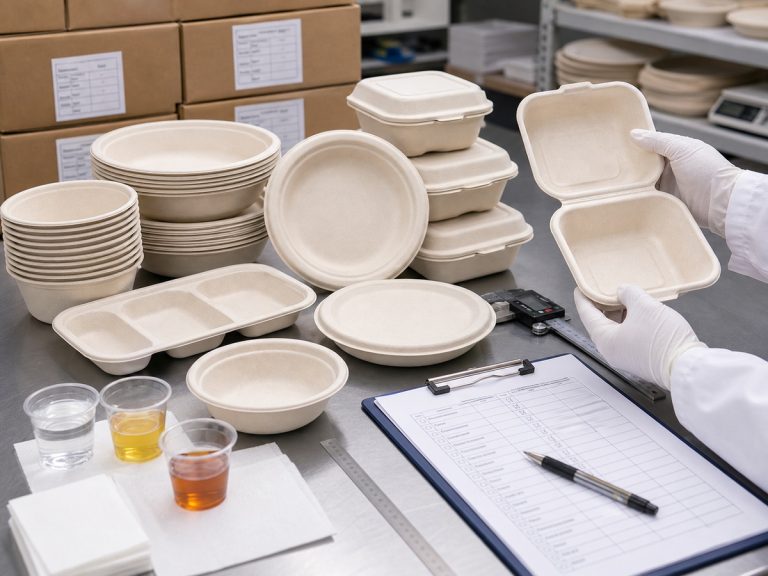
Sugarcane bagasse tableware quality control is the practical process of checking molded fiber products before bulk ordering, including raw fiber consistency, molding density, thickness, edge trimming, surface finish, stiffness, oil and water resistance, PFAS-free documentation where relevant, accessory fit, stacking, carton packing and export transport protection.

Sugarcane Bagasse Tableware — Quick Summary
  • Items displayed (articles): 12
  • Last updated: 2026-06-13
  • Includes test data, compliance guides, buyer FAQs, and real-world use cases.

Editor’s Picks: Top Sugarcane Bagasse Tableware Guides 2026

FAQ of Bioleader's Eco-friendly Disposable Tableware

Multipurpose Application:

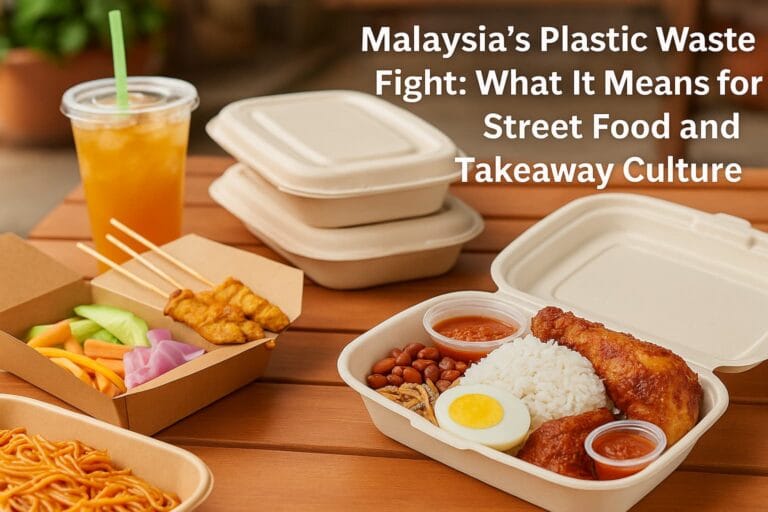
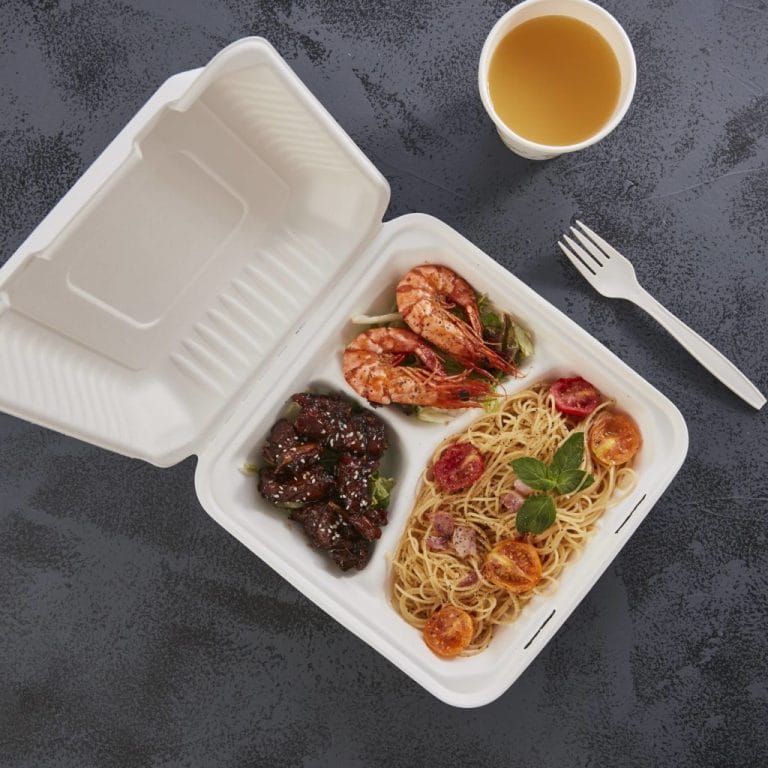
Suitable for All Foods: Drying salads and up until greasy noodles soup is served, these bowls are suitable to contain all. They are also called biodegradable bowls. Great for Delivery and Takeaway: These biodegradable disposable bowls are ideal for delivery or takeaway by restaurants, food trucks, and e-catering businesses , Sugarcane Bagasse Tableware. Effective means of sustainable packaging.

2. What materials are commonly used for takeaway trays with lids?

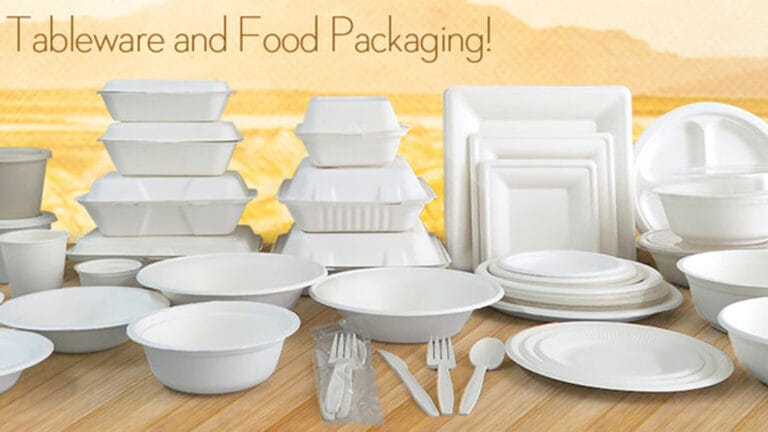
These trays are typically made from sugarcane bagasse, kraft paper, aluminum, or plastic (PP or PET) — Sugarcane Bagasse Tableware. Eco-friendly versions are made from compostable materials like molded fiber or PLA, offering sustainable alternatives to plastic foam trays.

1. What are bagasse food trays made from?

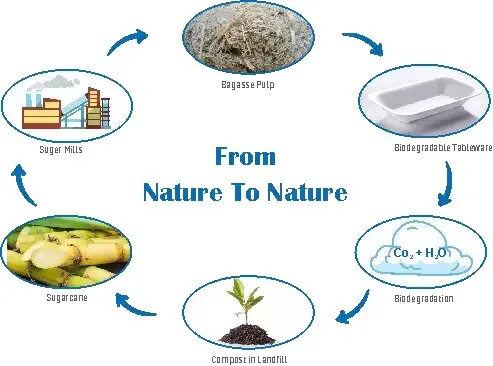
Bagasse food trays are made from the fibrous residue left after extracting juice from sugarcane. This renewable material is molded into sturdy, compostable trays, providing an eco-friendly alternative to plastic or foam trays.

(3) Fully Compostable & Biodegradable

Bagasse decomposes: 45–90 days in industrial composting 90–180 days in home composting under warm, moist conditions Leaves no harmful residue or microplastics

3.1 Crafting National-Level Policy Architecture

Governments need a clear policy framework that sets out actionable timelines and responsibilities. Key elements of this framework should include: National Plastic Bans and Gradual Phase-Out: Governments should set clear timelines to phase out single-use plastics in tableware by a specific date (e.g., 2027). This phase-out could start with high-use plastics like straws, cutlery, and takeout containers, before moving on to less commonly used items like plastic cups , Sugarcane Bagasse Tableware. Mandates for Compostable and Biodegradable Products: Governments must create mandatory regulations requiring all disposable tableware to meet specific compostability standards (e.g., EN13432 or ASTM D6400).

Related Insights

🚀Ready to Go Green and Choose ?

Join the global movement toward zero-waste packaging.


Bioleader® offers:

  • 📦 Bulk order support & fast delivery

  • ✍️ Custom branding and OEM solutions

  • 🌍 Worldwide eco-packaging compliance

Get the Catalogue Products List  & Contact Us Now! 👉

Contact us Below

Click or drag files to this area to upload.You can upload up to 5 files.
The more details you share, the faster and more accurate our quotation will be.