









Sugarcane bagasse tableware is often chosen for hot-food service because molded fiber performs very differently from thin paper or low-heat bioplastics. But the correct answer is not a simple yes or no. Whether bagasse tableware can handle hot soup or microwave reheating depends on the specific product design, wall thickness, food type, and heating duration.
Short answer: many sugarcane bagasse bowls, plates, trays, and clamshells can handle normal hot-food service and short microwave reheating, but they are not all identical, and they should never be treated as “unlimited high-temperature containers.” For commercial buyers, the key is to evaluate substrate + structure + application, not just the raw material name.
Why Bagasse Performs Better Than Ordinary Paper for Hot Food
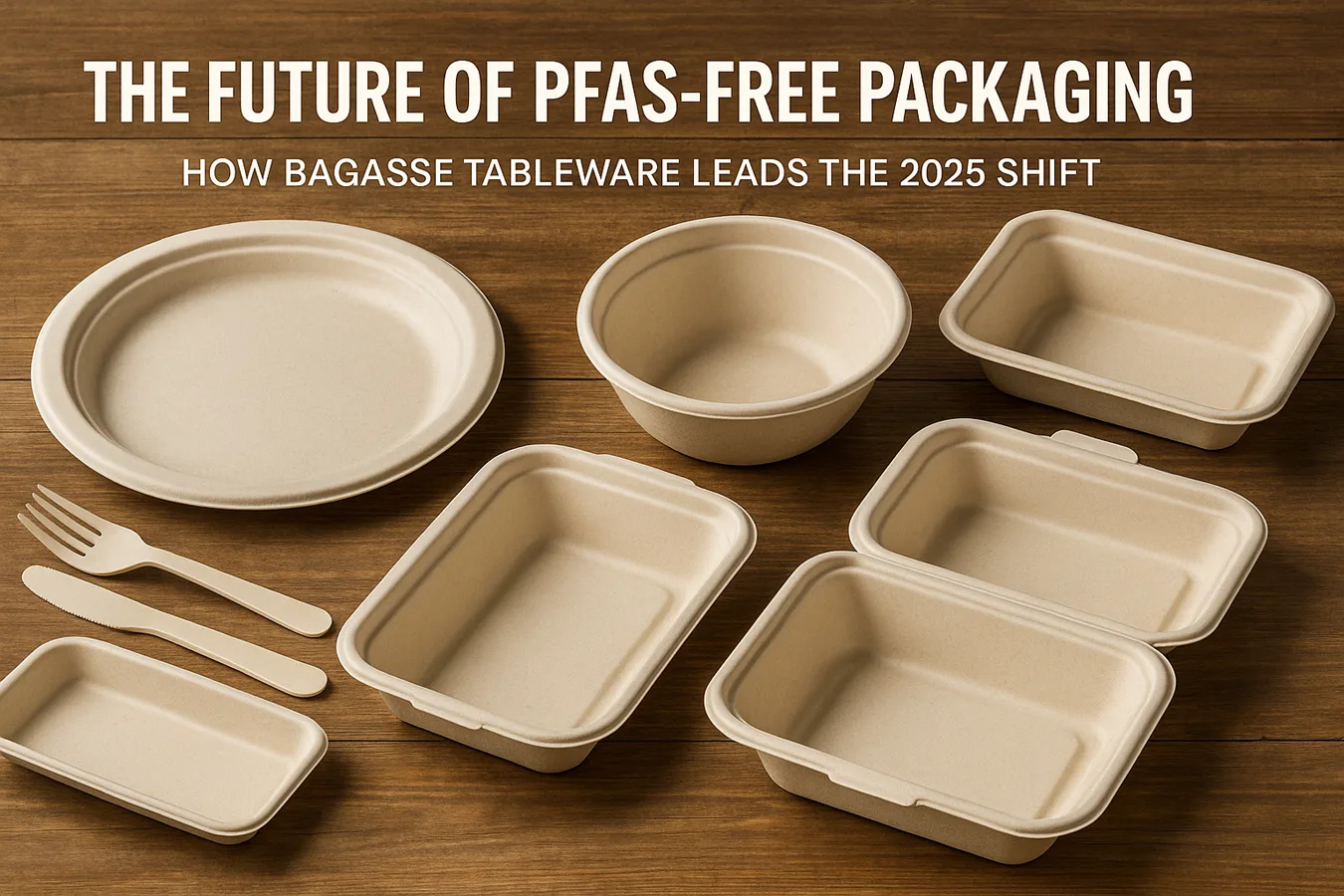
Bagasse tableware is made from molded sugarcane fiber rather than thin paper sheet. That gives it a denser, more three-dimensional fiber structure, which usually provides better rigidity, better hot-food handling, and better resistance to brief heat exposure than ordinary paper food packaging. This is why many operators use bagasse for rice dishes, hot entrees, noodles, curry, gravy-based meals, and takeaway service.
However, “bagasse” is still only the starting point. Two products made from sugarcane fiber may behave very differently in real use because of differences in pulp formulation, basis weight, pressing quality, rim structure, and container depth. A shallow plate for dry meals and a deep bowl for hot soup should not be judged by the same standard.
For buyers, this is exactly where supplier capability matters. A professional manufacturer does not simply sell “bagasse.” A professional supplier helps match the correct molded fiber format to the actual thermal load, moisture level, and holding time of the food being served.
Can Bagasse Tableware Hold Hot Soup?
In many cases, yes. Well-made bagasse bowls and food containers are commonly used for hot meals and hot liquids in takeaway and foodservice settings. They usually perform well for normal serving temperatures when the product is properly designed for soup, porridge, noodles, or sauced dishes.
That said, performance still depends on the real use scenario:
- Container depth and shape: Deep bowls and soup containers usually perform better for liquids than flat trays or shallow plates.
- Wall thickness and pressing quality: A thicker, better-pressed product generally keeps its shape better under heat and moisture.
- Holding time: Brief serving is different from long holding. A container that works well for immediate takeaway may soften if it holds hot liquid for too long.
- Food composition: Hot water, oily broth, acidic soup, and heavy sauces can stress the material in different ways.
So the better technical answer is this: bagasse can be suitable for hot soup, but soup performance is SKU-specific. Buyers should confirm that the exact bowl or container was designed and tested for hot-liquid use, rather than assuming all bagasse products behave the same way.
Can Bagasse Tableware Go in the Microwave?
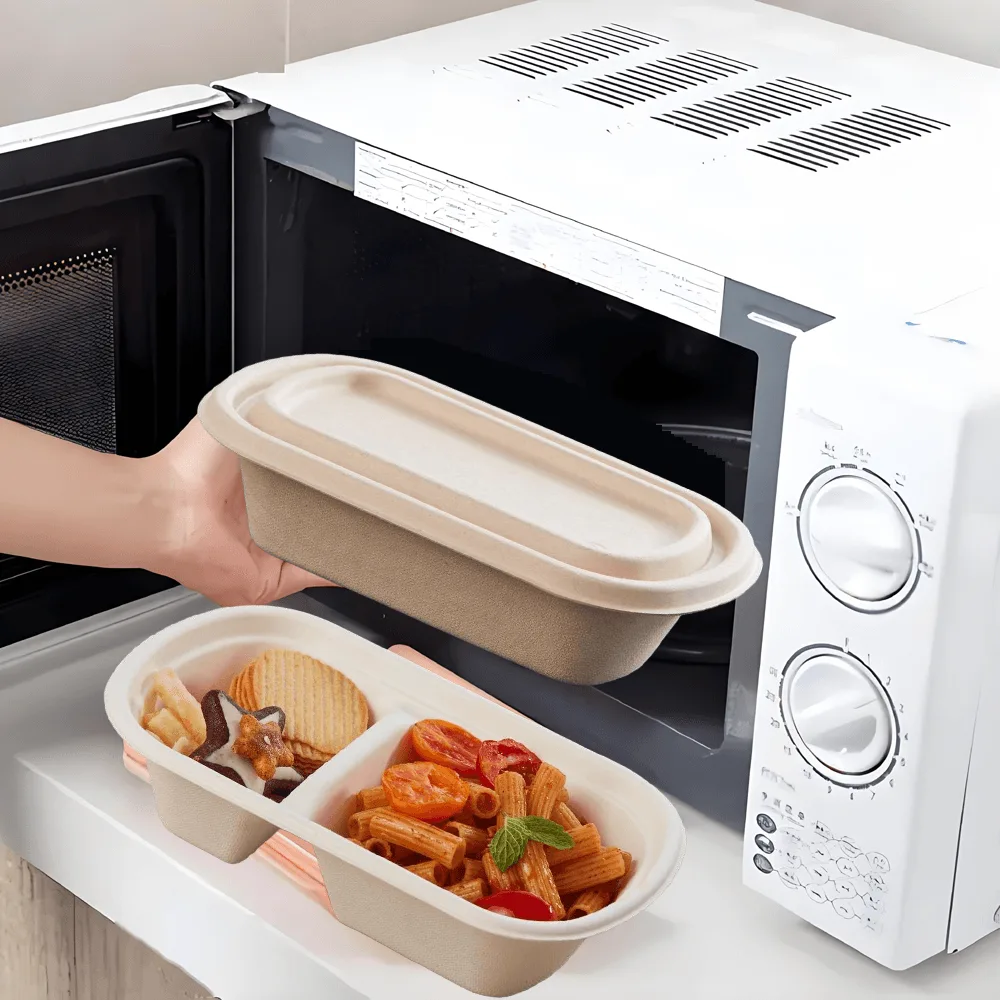
The more accurate answer is: some bagasse tableware can tolerate short microwave reheating, but microwave suitability should always be confirmed at the product level.
This is where many articles get the topic wrong. Saying “bagasse is never microwave-safe” is too absolute. Saying “all bagasse is microwave-safe” is also too absolute. Real microwave performance depends on how the product is built and how it is used.
For example, sugarcane bagasse bowls designed for hot food service may tolerate brief reheating better than thin, lightweight formats. But even then, the following variables matter:
- Microwave duration: Short reheating is very different from prolonged heating.
- Food load: A full bowl of moist food behaves differently from an almost empty container.
- Oil and sugar content: Foods with high oil or sugar can create hotter spots during microwave use.
- Product geometry: Bowls, clamshells, trays, and plates do not heat evenly in the same way.
- Lid material: The container body and the matching lid may not have the same heat behavior.
For this reason, bagasse tableware is better described as application-dependent for microwave reheating, not universally microwave-proof for every situation.
What Can Go Wrong Under High Heat?
Even when bagasse performs well in normal service, problems can appear when the product is pushed beyond its intended use. The most common failure modes include:
- Softening: The container may become less rigid after prolonged contact with hot liquid or extended reheating.
- Warping: Edges, rims, or corners may deform when the structure is stressed by heat and moisture together.
- Bottom weakening: Deep bowls under heavy hot-liquid loads may lose stiffness faster than dry-food trays.
- Lid mismatch: A fiber base may tolerate heat better than a plastic lid, so the total package must be assessed as a system.
These are not reasons to reject bagasse. They are reasons to choose the right format for the right application.
What Determines Heat Resistance in Real Commercial Use?
For foodservice buyers, “bagasse” alone is not a technical specification. The following factors matter more than generic marketing claims:
1. Product Category
A bagasse plate for solid foods should not be judged the same way as a soup bowl, a lunch box, or a takeout clamshell. Heat resistance is always format-specific.
2. Fiber Density and Thickness
Better pressing and stronger wall structure usually improve performance under hot and wet conditions.
3. Contact Time
Holding hot soup for a few minutes during service is different from storing it for a long period. The longer the contact time, the more important structural integrity becomes.
4. Food Type
Dry rice, noodle dishes, broth, oil-heavy foods, and acidic sauces do not stress fiber packaging in the same way.
5. Reheating Method
Microwave reheating is not just “heat.” It creates uneven energy distribution. That is why test results should be based on realistic foodservice scenarios, not assumptions.
Practical Guidance for Buyers and Food Brands
If you are selecting bagasse tableware for hot soup or microwave use, ask the supplier these questions before making claims or placing large-volume orders:
- Which exact SKU is recommended for hot liquids?
- Was this product tested with soup, sauce, or high-moisture foods?
- Is the recommendation for direct serving only, or also for microwave reheating?
- What is the recommended use condition: short service, takeaway holding, or reheating?
- Does the lid have the same temperature suitability as the base?
This matters because many packaging failures happen not because the material is wrong, but because the application was not matched to the correct structure.
For importers, distributors, and food brands, this is also where working with an experienced supplier can reduce complaint risk. If the supplier understands the end use, they can recommend the right product type faster and help avoid overpromising performance to the final customer.
Why Many Buyers Choose Bioleader for Bagasse Hot-Food Packaging
Bioleader is not positioned only as a seller of generic biodegradable tableware. The stronger value is in providing application-oriented molded fiber packaging solutions for takeaway, food delivery, catering, and disposable foodservice.
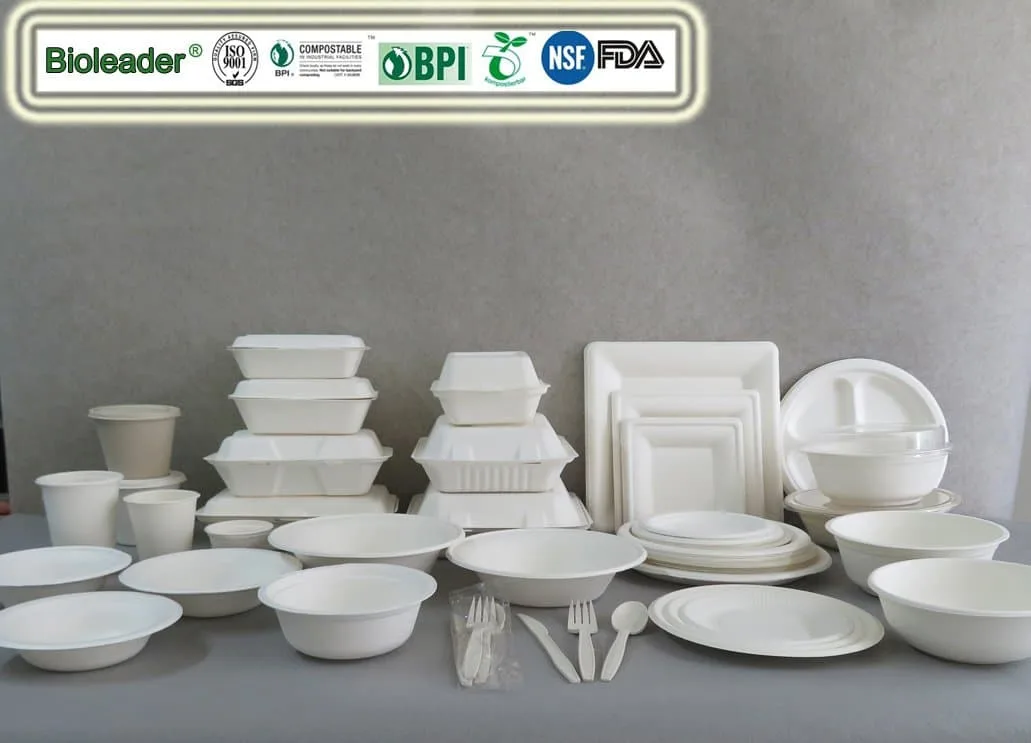
For hot-food applications, buyers usually care about the following points:
- Stable structure for hot meals and soup-based dishes
- Good rigidity during takeaway transport
- Practical performance for short microwave reheating scenarios
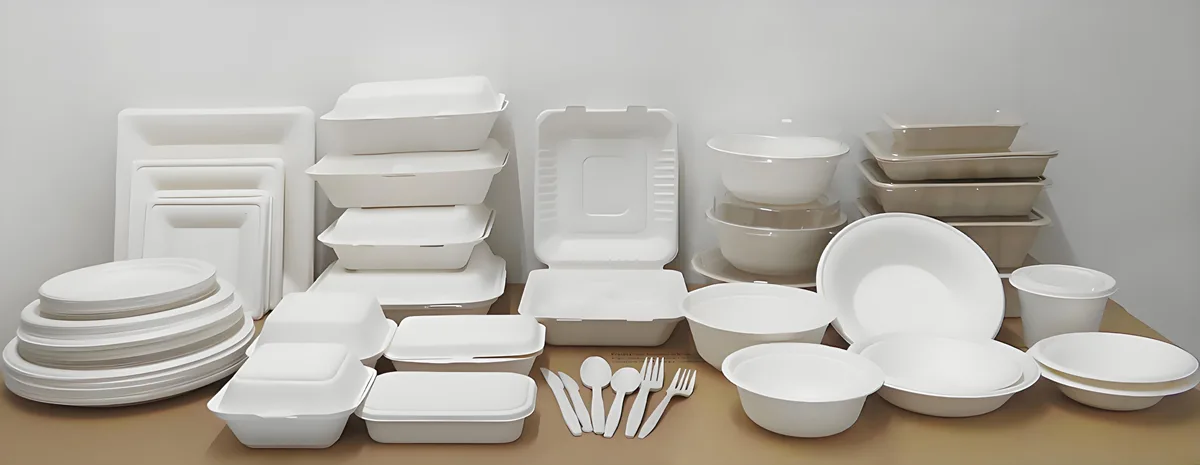
- Professional product matching for bowls, trays, clamshells, and plates
- Consistent supply for wholesale and export business
That is where Bioleader’s bagasse product range becomes commercially useful: not as a vague eco concept, but as a real packaging system for modern foodservice operations.
Supplier-Level Recommendation
For most commercial applications, the better message is not “bagasse can handle any heat.” The better message is: high-quality bagasse tableware can be a strong solution for hot-food service and selected reheating scenarios when the correct SKU is chosen.
That makes it more useful for takeaway soup, hot entrees, and prepared meals than ordinary paper formats, while still requiring sensible application limits. In other words, the question is not whether bagasse is “hot-proof” in the abstract. The question is whether the specific bowl, tray, or container was built for the thermal load of the food you serve.
Conclusion
Sugarcane bagasse tableware can often perform well with hot foods, and many formats are suitable for hot soup service and short microwave reheating. But performance is never universal across all products. The most reliable decision framework is simple: evaluate material + product design + food type + heating condition.
If you want dependable real-world performance, do not rely on generic claims such as “all bagasse is microwave-safe” or “bagasse cannot handle hot liquids.” Instead, confirm the exact product specification and choose a format that matches your actual use case. That is the safest and most professional way to evaluate bagasse tableware for high-temperature applications.
For buyers who want a more practical solution rather than just a material description, Bioleader’s molded fiber range offers a strong direction: eco-friendly tableware designed for hot-food performance, takeaway practicality, and better real-world usability in disposable food packaging.