Highlights from featured articles under this tag:


Brands should ask whether PFAS are intentionally added, whether finished-product testing is available, what test limits apply, whether the product meets destination-market regulations, and whether performance is suitable for the actual food application.
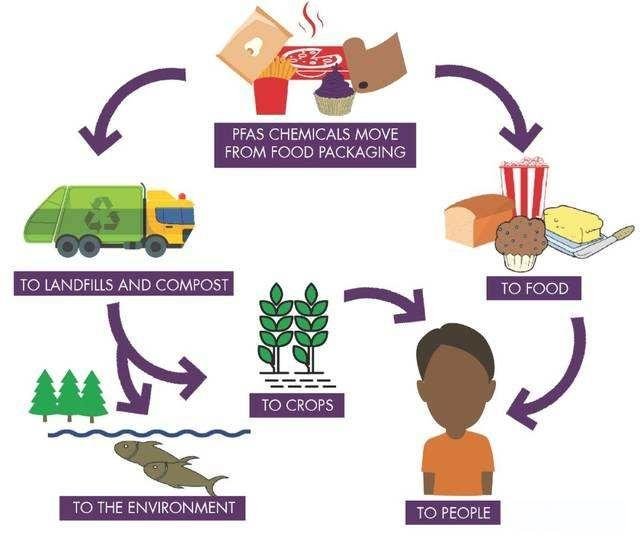
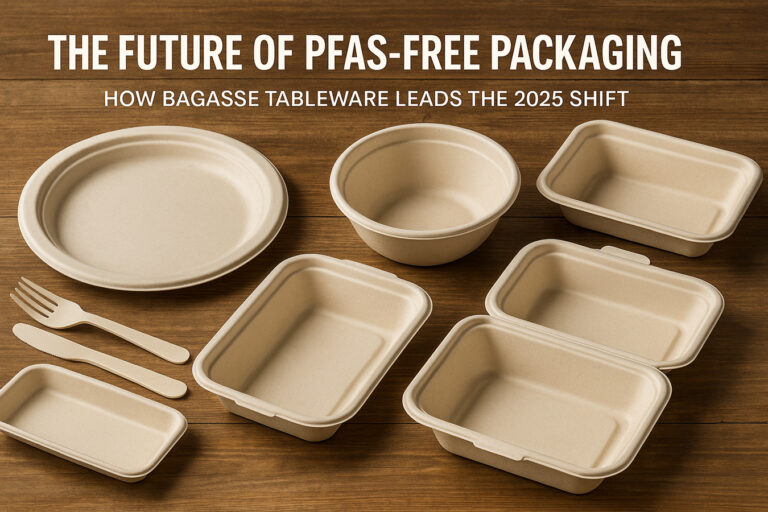
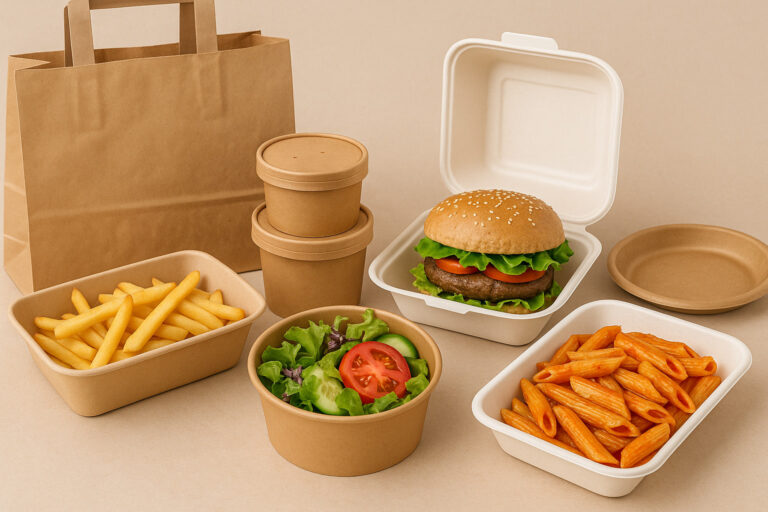
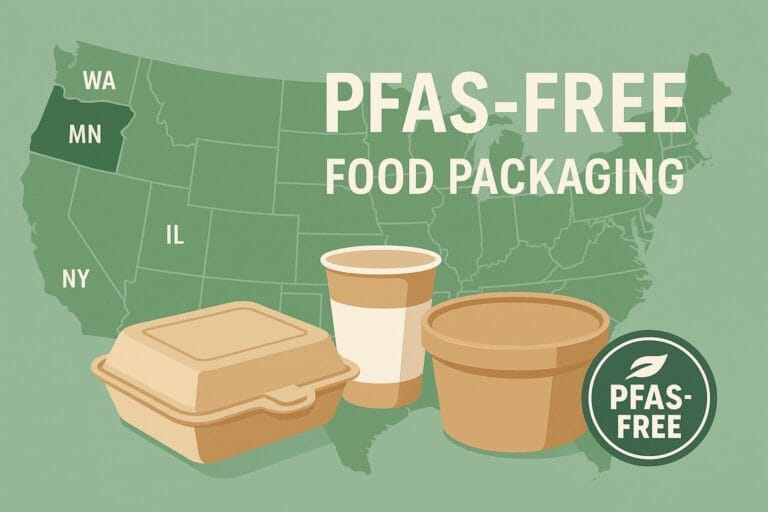
Some PFAS have been used to provide oil, grease, and water resistance in paper, paperboard, and molded fiber packaging. Because of health, environmental, and regulatory concerns, buyers are increasingly moving to PFAS-free alternatives.
No. BPA and PFAS are different chemical concerns. BPA is mainly associated with certain plastics and resins, while PFAS are fluorinated chemicals often associated with grease, water, and heat resistance.
No. PFOA is only one specific chemical within the broader PFAS family. A product can be PFOA-free but still contain other PFAS unless a broader PFAS-free claim is verified.
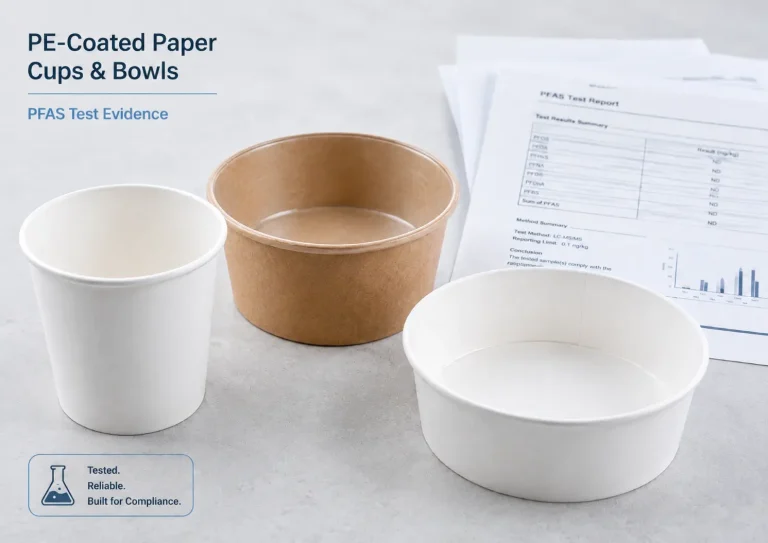
Buyers should request a supplier declaration, finished-product PFAS or fluorine testing, food-contact compliance documents, and performance testing under real foodservice conditions.
Join the global movement toward zero-waste packaging.
Bioleader® offers:
📦 Bulk order support & fast delivery
✍️ Custom branding and OEM solutions
🌍 Worldwide eco-packaging compliance
Get the Catalogue Products List & Contact Us Now! 👉