EU PPWR 2026 101: What It Is, When To Use, And How To Choose | Bioleader® Guides

Actionable coverage of EU PPWR 2026: eco-friendly, biodegradable, compostable materials, performance data, and compliance under EN13432 & ASTM D6400. Includes BPI/TÜV references and Food-Contact Tested guidance for safe deployment. Buyer-focused: manufacturer insights, bulk/wholesale buying playbooks, OEM/ODM customization tips, full size range selection.

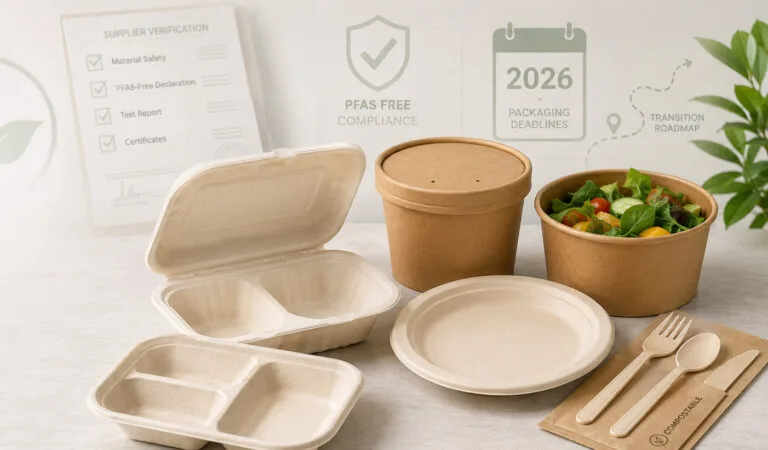
Quick Summary: PPWR 2026 is moving foodservice packaging from general sustainability claims to measurable procurement requirements. For restaurant chains, importers, distributors, and takeaway packaging buyers, the practical task is no longer only to ask whether a product is “eco-friendly.” Buyers now need to review PFAS limits, recyclability, material declarations, coating systems, labeling readiness, and supplier documentation before approving cups, lids, trays, bowls, clamshells, and cutlery for the EU market.

EU PPWR 2026 — Quick Summary
  • Items displayed (articles): 12
  • Last updated: 2026-05-31
  • Includes test data, compliance guides, buyer FAQs, and real-world use cases.

Editor’s Picks: Top Eu Ppwr 2026 Guides 2026

FAQ of Bioleader's Eco-friendly Disposable Tableware

2. What materials are available for disposable food trays with lids?

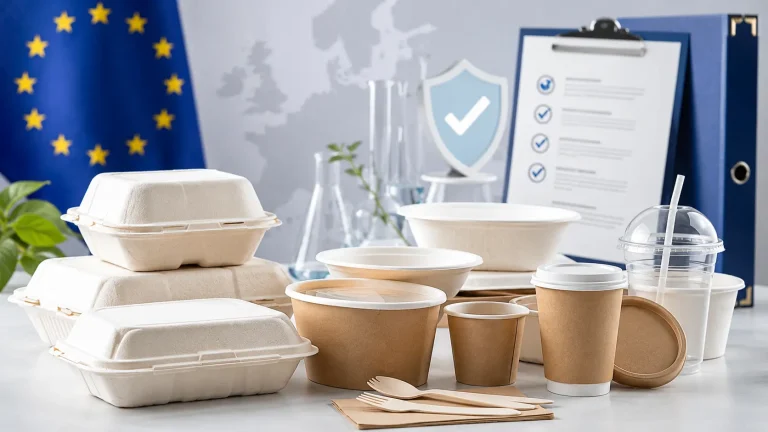
Common materials include sugarcane bagasse, kraft paper, aluminum, PET, PP, and PLA , EU PPWR 2026. For eco-conscious businesses, bagasse and PLA trays are preferred due to their compostable and biodegradable properties.

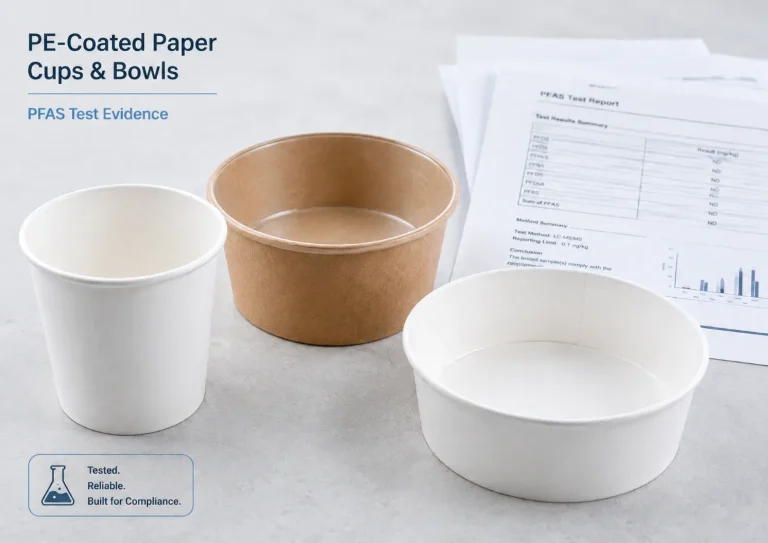
Ensure safety with products that are free of PFAS and BPA

Health comes first. Safety is further guaranteed when you’ve got our trays with lids that don’t have PFAS and BPA in them, two neatly packed chemicals that bring peace to the consumer as they do not have any synthetic materials that pose health risks. So, you know that our products are safe and clean when it comes to packaging and using them , EU PPWR 2026.

1. What are bagasse food trays made from?

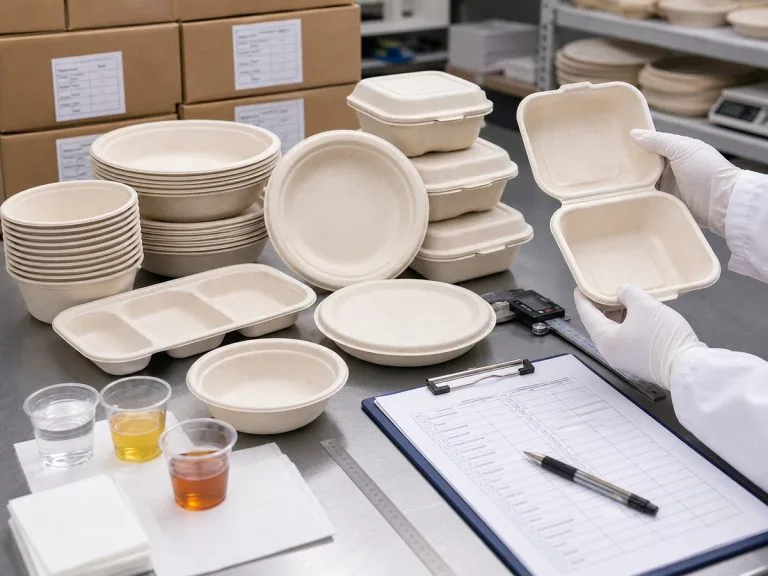
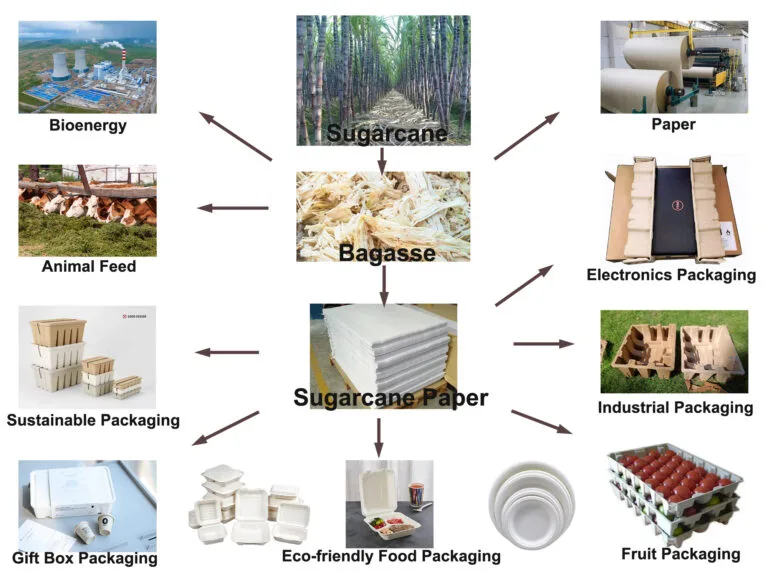
Bagasse food trays are made from the fibrous residue left after extracting juice from sugarcane. This renewable material is molded into sturdy, compostable trays, providing an eco-friendly alternative to plastic or foam trays.

2. Paper cups and paper food packaging for beverage and takeaway systems

Paper cups remain essential for hot beverage service, office catering, events, hotels, and coffee chains. However, under PPWR-oriented sourcing, buyers should pay closer attention to coating type. PE, PLA, PP, aqueous, or other barrier systems can affect recycling, compostability claims, and market positioning. Bioleader’s paper cup category supports custom beverage packaging for foodservice buyers who need private-label printing, different cup sizes, and export-ready supply.

3. Kraft bowls, soup bowls, and salad bowls for prepared meals

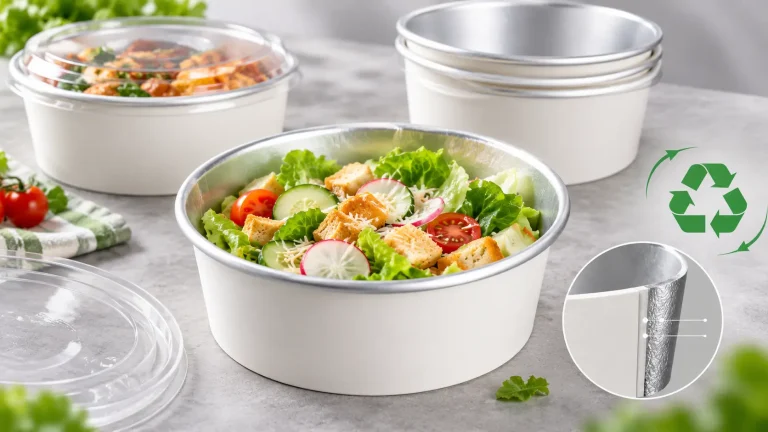
Kraft paper bowls and soup containers remain commercially important because they combine a natural appearance with practical foodservice performance , EU PPWR 2026. They are commonly used for soups, noodles, salads, porridge, rice bowls, grain bowls, desserts, and meal delivery. For EU buyers, the important question is not only whether the bowl looks sustainable. Buyers should check the lining, lid material, temperature range, food-contact report, printing ink suitability, and disposal statement.

Related Insights

🚀Ready to Go Green and Choose ?

Join the global movement toward zero-waste packaging.


Bioleader® offers:

  • 📦 Bulk order support & fast delivery

  • ✍️ Custom branding and OEM solutions

  • 🌍 Worldwide eco-packaging compliance

Get the Catalogue Products List  & Contact Us Now! 👉

Contact us Below

Click or drag files to this area to upload.You can upload up to 5 files.
The more details you share, the faster and more accurate our quotation will be.