CPLA Heat Resistance: Benefits & Applications | Bioleader®

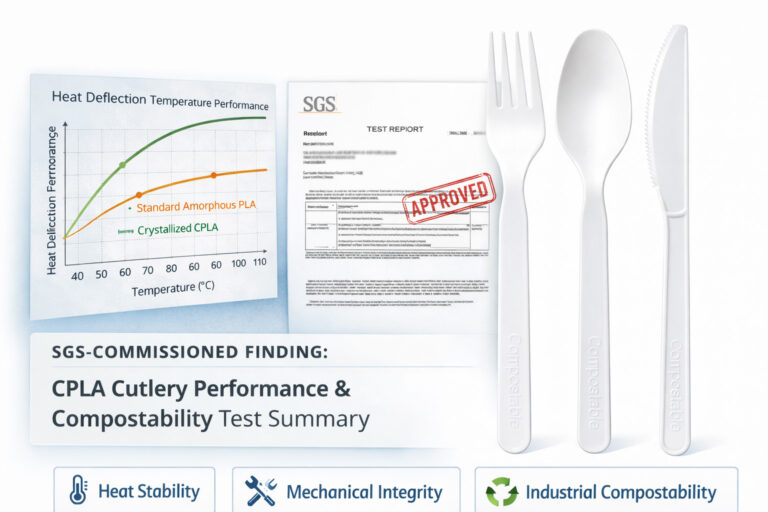
Actionable coverage of CPLA heat resistance: eco-friendly, biodegradable, compostable materials, performance data, and compliance under EN13432 & ASTM D6400. Includes BPI/TÜV references and Food-Contact Tested guidance for safe deployment. Buyer-focused: manufacturer insights, bulk/wholesale buying playbooks, OEM/ODM customization tips, full size range selection.
Quick Summary:
PLA (Polylactic Acid) is a plant-based, compostable material designed primarily for cold or low-temperature food applications.
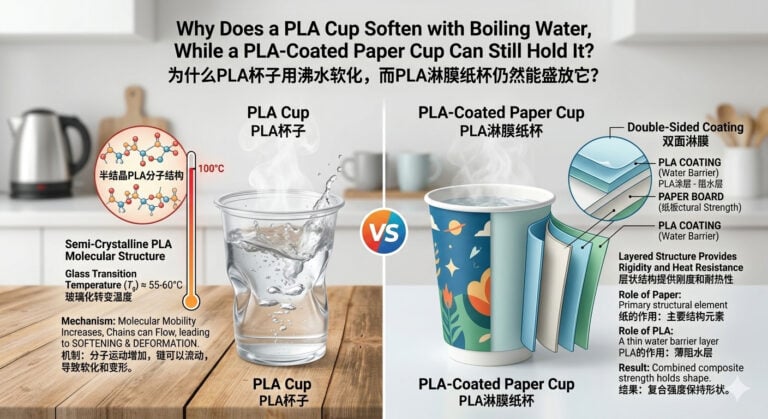
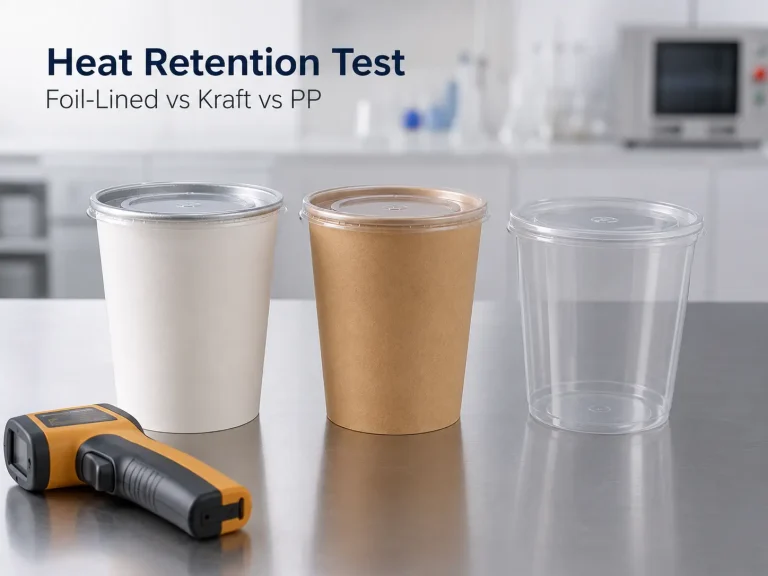
Due to its low heat resistance (typically softening above 45–55°C), PLA is not suitable for hot food, hot liquids, steam-heavy meals, or microwave reheating.
Using PLA in high-temperature food scenarios can lead to container deformation, leakage, food safety concerns, and customer complaints.
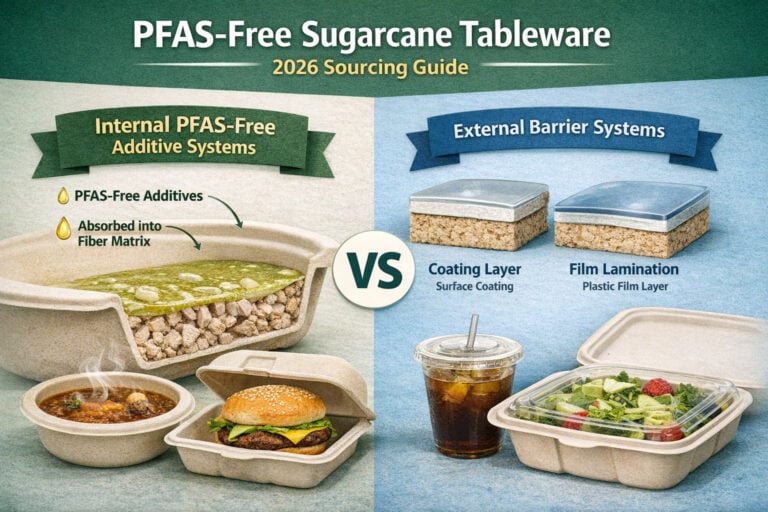
For hot food packaging, fiber-based materials such as sugarcane bagasse, molded pulp, PFAS-free coated paper, and heat-resistant CPLA (for limited use) are significantly more reliable choices.
CPLA heat resistance — Quick Summary
  • Items displayed (articles): 12
  • Last updated: 2025-12-23
  • Includes test data, compliance guides, buyer FAQs, and real-world use cases.

Editor’s Picks: Top Cpla Heat Resistance Guides 2026

FAQ of Bioleader's Eco-friendly Disposable Tableware

Are the containers available with a logo impression on them?

Definitely! Print Gems — CPLA heat resistance. Our to go salad containers are available printed with your logo or artwork. This is a nice chance to make your business while safe packaging supplies are being delivered — CPLA heat resistance.

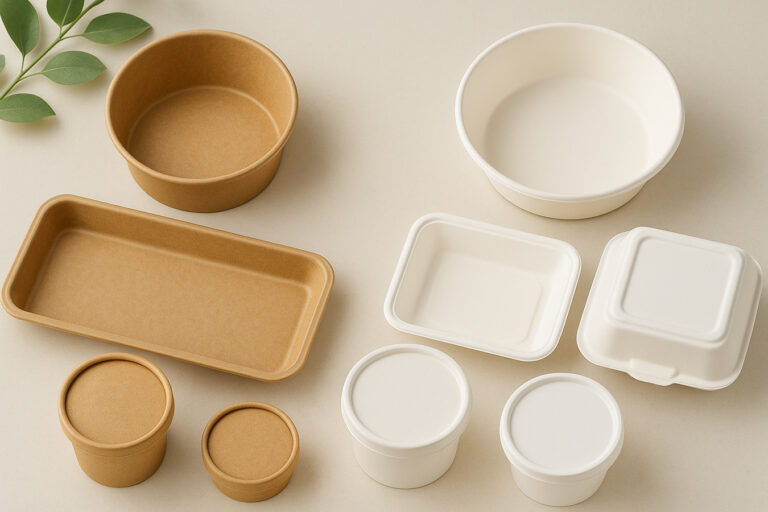
Materials: Kraft Paper & White Cardboard Paper

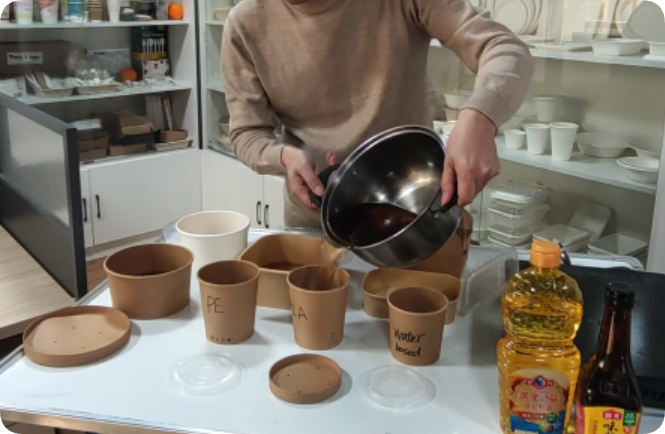
Our company’s biodegradable bowls are made of materials that allow biodegradation such as kraft paper and cardboard paper , CPLA heat resistance. Sturdy and durable kraft paper is opaque and gives the kraft paper a natural aesthetic that consumers in this era should gorge on. White cardboard paper helps to enhance this look while ensuring that the bowl remains strong. Even these materials are 100% bio-degradable, hence these disposable biodegradable bowls will decompose within a short time after disposal to reduce pollution.

Available sizes?

Yes, our paper containers with lids for food range between 500ml and 1500ml capable of holding various meal portions.

Steam and Moisture Amplify the Problem

Steam-heavy foods trap heat inside sealed containers, raising internal temperatures even further. Even foods that are not extremely hot can exceed PLA’s tolerance due to retained moisture and pressure. Food Safety, Compliance, and Brand Risk

PLA Raw Material Overview

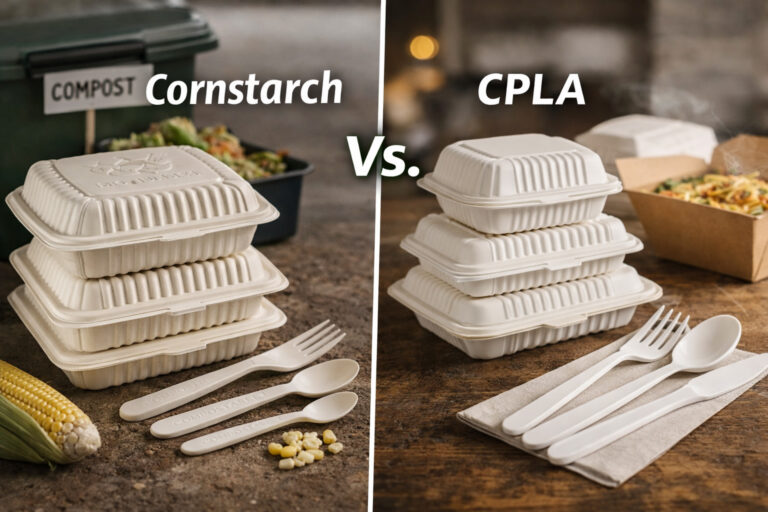
PLA Material Polylactic acid PLA is produced from fermented plant sugars—most commonly derived from corn or sugarcane. These sugars are converted into lactic acid and polymerized into polylactic acid resin. From an environmental perspective, PLA offers several advantages: Renewable raw material sourcing Reduced reliance on fossil fuels Industrial compostability under controlled conditions However, material origin does not determine thermal performance.

Related Insights

🚀Ready to Go Green and Choose ?

Join the global movement toward zero-waste packaging.


Bioleader® offers:

  • 📦 Bulk order support & fast delivery

  • ✍️ Custom branding and OEM solutions

  • 🌍 Worldwide eco-packaging compliance

Get the Catalogue Products List  & Contact Us Now! 👉

Contact us Below

Click or drag files to this area to upload.You can upload up to 5 files.
The more details you share, the faster and more accurate our quotation will be.