1. From 2026 Onward, Cold Drink Cups in the UAE Are No Longer a “Material Choice” — They Are a Compliance Survival Decision
For the UAE foodservice and beverage industry, 2026 is not a gradual sustainability milestone — it is a regulatory inflection point.
Historically, procurement decisions for cold drink cups were driven by three familiar criteria: unit price, visual appeal, and supply stability. PET and PP cups became the default standard because they delivered high transparency, predictable performance, and low operational risk across large-scale cold beverage programs.
That logic will no longer apply after January 1, 2026.
Under the UAE’s plastic ban framework, single-use plastic cups and lids will lose legal circulation status entirely. As a result, the primary procurement question shifts decisively from “Which material performs best?” to “Which solution remains legally usable?”
For premium cold drink brands — where transparency, product presentation, and takeaway efficiency are non-negotiable — this transition is not a cosmetic adjustment. It is a market access challenge.
From a procurement and compliance perspective, one structural change becomes unavoidable:
Documentation becomes part of the product itself.
Any material without verifiable regulatory credentials loses commercial viability in the post-2026 UAE market.
This is the context in which PLA cold cups are being redefined — not as an eco-friendly alternative, but as a compliance survival instrument.
2. UAE 2026 Plastic Ban: Why Foodservice Packaging Is a Primary Enforcement Target
2.1 Scope of the Ban: Why Cups and Lids Are the First to Be Scrutinized
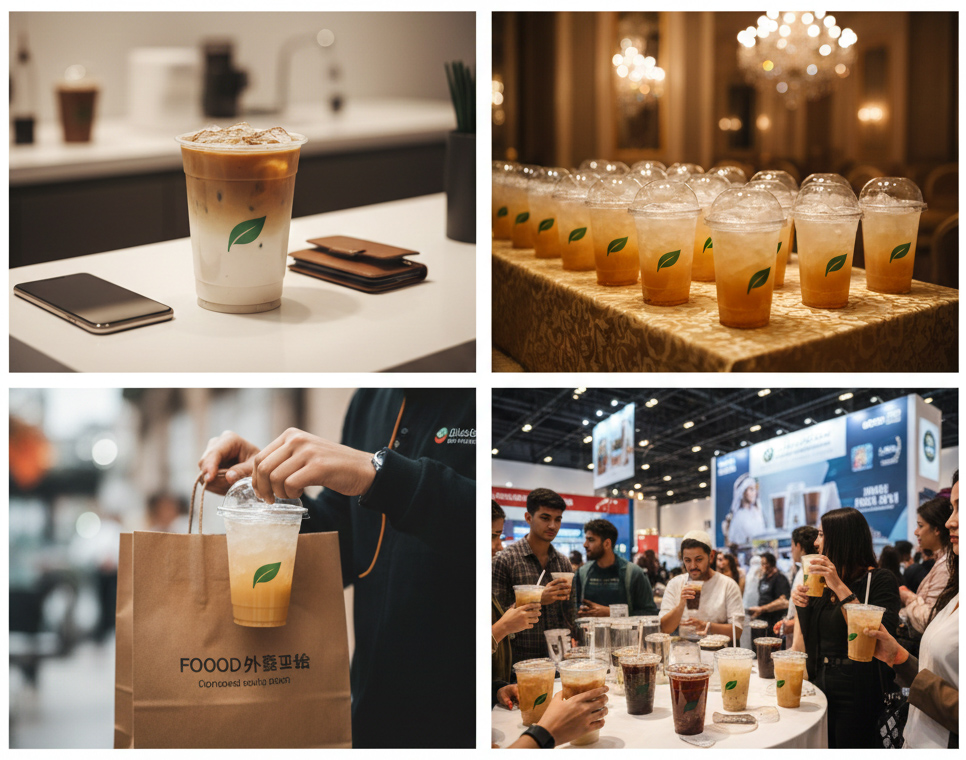
Within the UAE’s 2026 plastic ban framework, foodservice packaging — particularly single-use cups and lids — is designated as a priority enforcement category for clear, structural reasons.
These items represent:
Extremely high usage frequency across takeaway, dine-in, events, hotels, and delivery platforms
Immediate consumer contact, increasing regulatory sensitivity
High visibility during inspections, making enforcement straightforward and consistent
For regulators, cups and lids are among the easiest plastic products to identify, sample, and penalize. As a result, enforcement is expected to be decisive rather than gradual.
In practical terms, this means the market is not facing a slow phase-out — it is facing a hard compliance cutoff.
2.2 Enforcement Logic: The UAE’s “Border-First” Compliance Model
Unlike jurisdictions that rely primarily on downstream consumer behavior or voluntary adoption, the UAE applies a source-control enforcement model.
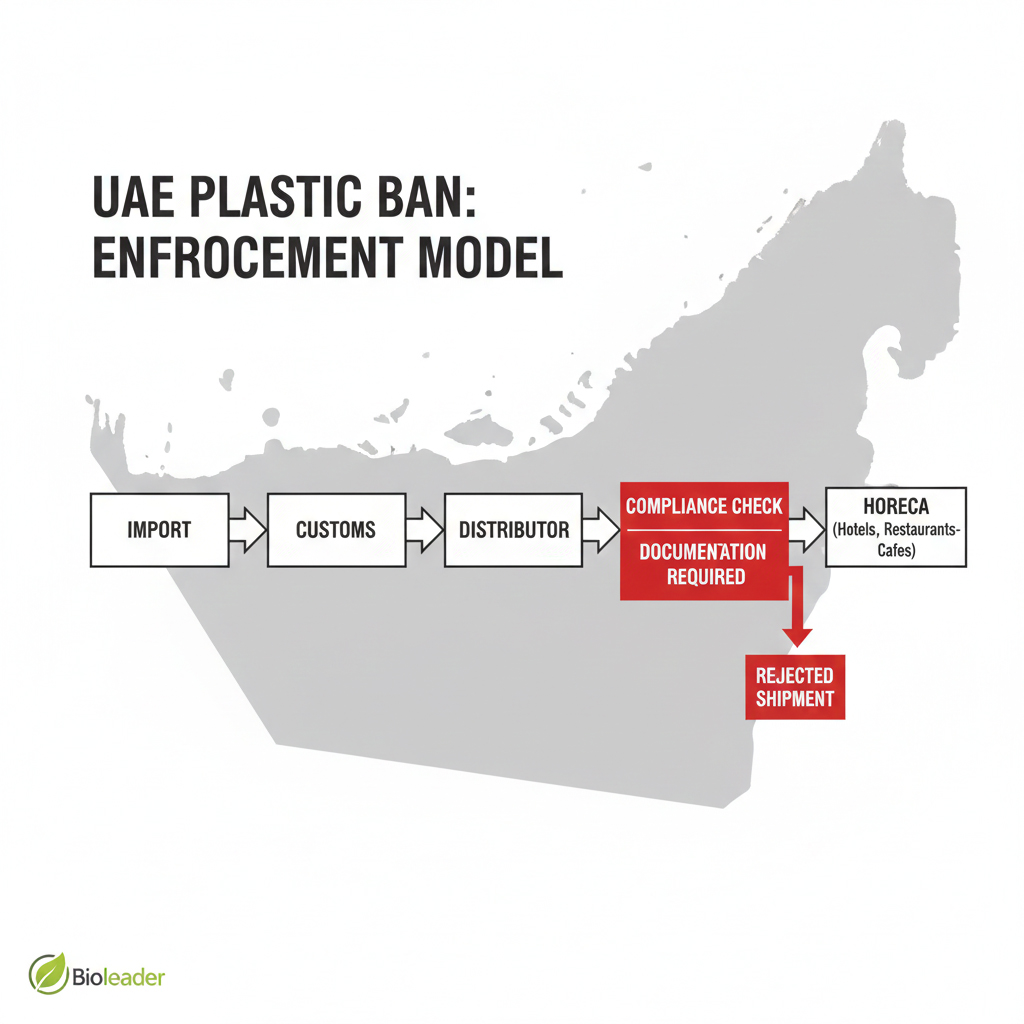
Key characteristics include:
Border-level compliance checks
Non-compliant products may be detained or rejected at customs, long before reaching distributors or outlets.Documentation over labeling
Terms such as “PLA,” “biodegradable,” or “compostable” carry no regulatory weight unless supported by auditable certifications and declarations.Risk transfer to suppliers
Major HORECA groups and retail chains increasingly require suppliers to submit full compliance documentation as part of tenders and framework agreements, effectively shifting regulatory risk upstream.
The implication is clear:
Materials that are not explicitly accepted within the regulatory framework will be filtered out — regardless of marketing claims or theoretical sustainability benefits.
3. Why “Paper Cups + Coatings” and Reusable Cups Fail to Serve Premium Cold Drink Applications
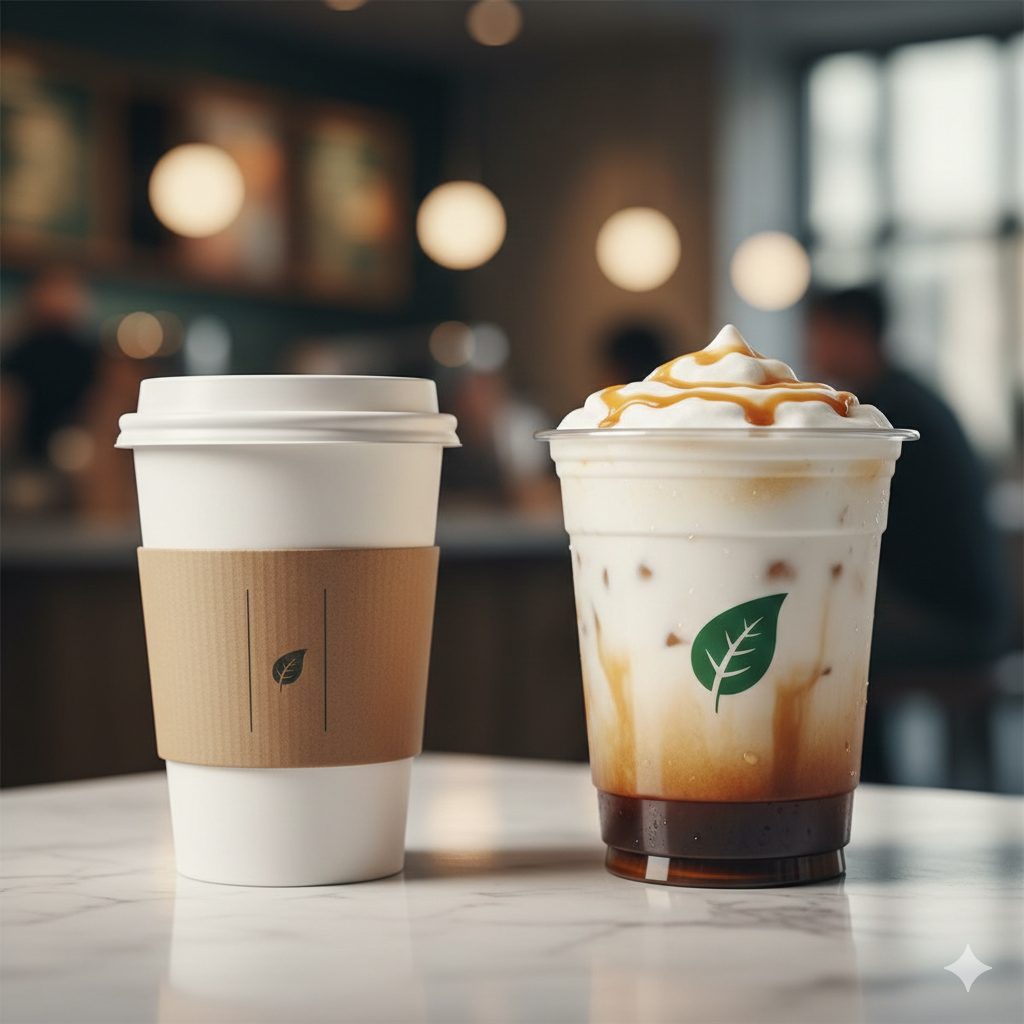
In response to plastic bans, paper cups and reusable cup systems are often proposed as immediate substitutes. However, within the UAE’s premium cold beverage and high-volume takeaway environment, both solutions exhibit structural limitations.
3.1 Transparency and Product Presentation: Paper Cups’ Inherent Constraint
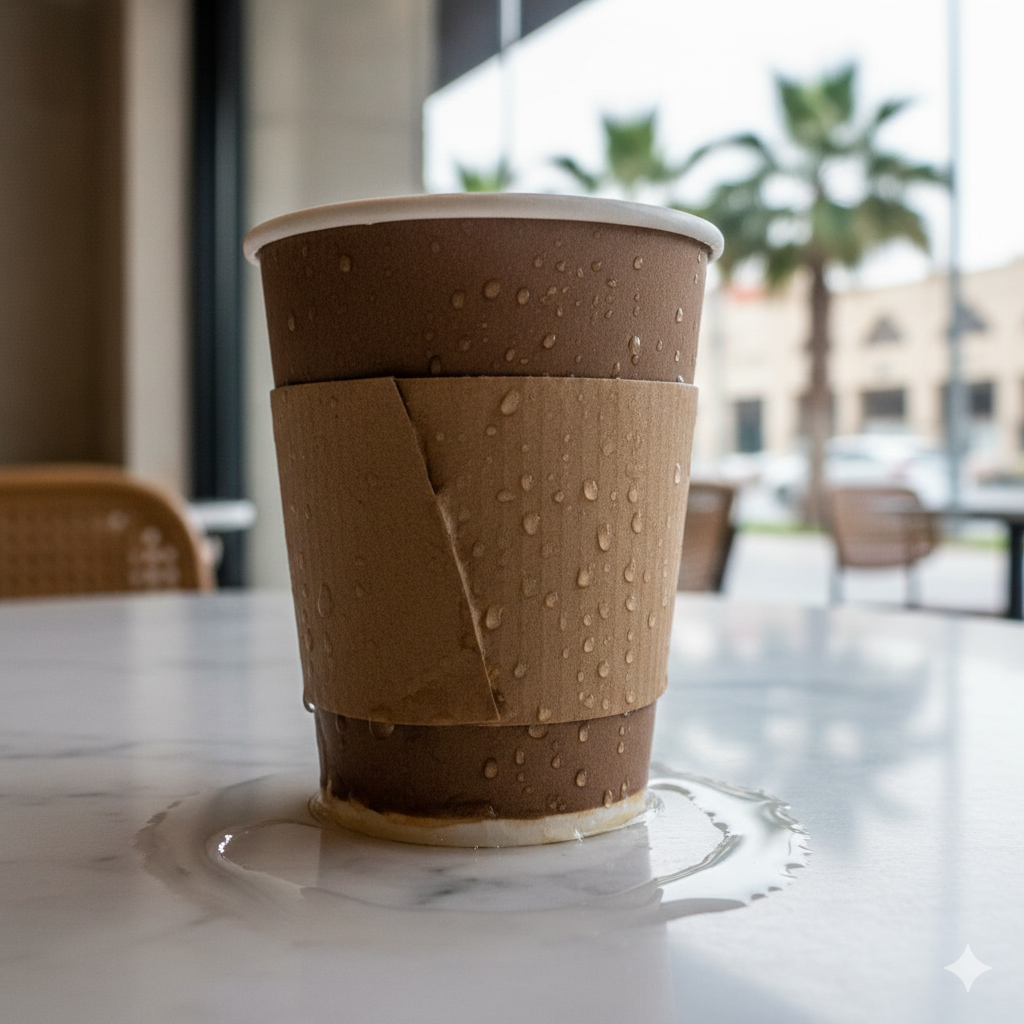
For specialty coffee, milk tea, fruit beverages, and layered cold drinks, visual transparency is integral to perceived product value. Color gradients, ingredient visibility, and beverage layering directly influence consumer engagement and brand positioning.
Even high-quality coated paper cups remain opaque by design. In addition, under UAE climatic conditions, condensation accelerates material fatigue, increasing the likelihood of softening, leakage, and customer complaints during peak service periods.
3.2 Reusable Cups: The Hidden Cost of Operational Complexity
While reusable cup systems may appear attractive from a sustainability standpoint, their operational burden is often underestimated in UAE foodservice contexts:
Complex collection and return logistics
Elevated sanitation and hygiene compliance costs
Reduced throughput efficiency during peak hours, events, and delivery surges
For takeaway-driven and event-heavy HORECA operations, reusable systems quickly become infrastructure projects, not near-term compliance solutions.
3.3 Summary: Premium Cold Drinks Require Executable Compliance, Not Conceptual Substitutes
In the UAE market, the decisive factor is not which solution is theoretically most sustainable, but which solution is:
Explicitly permitted by regulation
Immediately deployable at scale
Operationally compatible with premium cold beverage service
This reality sets the foundation for why PLA compostable plastic cups have emerged as the most practical, regulation-aligned pathway for premium cold drink packaging under the UAE 2026 plastic ban.
4. The Key Judgment: Why PLA Cups Have Become the Most Executable Compliance Solution in the UAE
In the context of the UAE’s 2026 plastic ban, it is critical to separate environmental narratives from regulatory reality.

PLA cups are not gaining traction in the UAE because they are the “greenest” option. They are gaining traction because, within a very narrow regulatory window, they satisfy three conditions that no other transparent cold cup solution currently meets simultaneously:
They are explicitly accepted as a plastic-ban–compliant alternative
They preserve PET-level transparency for premium cold drinks
They can be deployed immediately at commercial scale
This is why the role of PLA cups in the UAE has fundamentally shifted.
Biodegradable PLA cups with lids have moved from a sustainability choice to a compliance instrument.
From a regulatory standpoint, the value of PLA lies not in marketing claims, but in alignment with MOCCAE-recognized compliance pathways, supported by internationally recognized certifications. In a market where enforcement begins at the border, regulatory clarity outweighs material ideology.
From an operational standpoint, PLA cups offer something equally decisive: continuity.
They allow cold beverage brands to maintain:
Transparent cup aesthetics
Existing menu presentation standards
Familiar cup-and-lid service workflows
All while exiting the legal risk zone created by PET and PP.
In short, PLA cups are not a “perfect” solution — but in the UAE’s post-2026 environment, they are the most executable one.
5. The Fatal 50°C Threshold: PLA Logistics and Storage Reality in the UAE Market
Why this section matters:
Most PLA failures in the Middle East do not occur at the café counter.
They occur before the cups are ever used — during shipping, storage, and last-mile handling.
5.1 Understanding the Physical Limit: PLA’s Glass Transition Temperature
Standard PLA has a glass transition temperature (Tg) of approximately 55°C.
Above this threshold, the material does not melt — but it softens, losing dimensional stability and mechanical strength.
This is not a theoretical limitation. It is a hard physical boundary.
5.2 Physical Properties Comparison: PLA vs. PET
This sensitivity is fundamentally dictated by the material’s thermal properties. To visualize how PLA deviates from traditional PET plastics used in the UAE, the following table compares their critical physical thresholds:
| Physical Property | Polylactic Acid (PLA) | Polyethylene Terephthalate (PET) | Impact on Performance |
| Glass Transition Temp ($T_g$) | 55°C – 60°C | 70°C – 80°C | PLA is highly sensitive to heat during transit and storage. |
| Melting Point ($T_m$) | 150°C – 180°C | 250°C – 260°C | PLA requires lower processing energy but has lower thermal stability. |
| Heat Deflection Temp (HDT) | ~52°C (125°F) | ~65°C – 70°C | PLA is strictly for cold beverages; it deforms if exposed to hot liquids. |
| Tensile Modulus (Stiffness) | 3.5 – 4.0 GPa | 2.8 – 3.1 GPa | PLA is stiffer and feels more “premium” and solid to the touch. |
| Light Transmittance (Clarity) | 90% – 92% | 90% + | Both offer excellent, crystal-clear transparency for beverage display. |
| Moisture Sensitivity | High | Medium | PLA requires strict specialized drying/storage to maintain structural integrity. |
Key Technical Insights for Buyers
Thermal Sensitivity & Logistics: The lower Glass Transition Temperature ($T_g$) of PLA (55°C) is the most critical factor for global supply chains. Since container internal temperatures can exceed 60°C in summer, Bioleader’s double-layer insulated logistics system is essential to prevent product warping during cross-continental shipping.
Precision Manufacturing: PLA has a much narrower “processing window” than PET. Achieving uniform wall thickness and structural strength across a full size range (from 4oz to 32oz) requires the advanced thermoforming precision and material expertise that Bioleader provides.
Material Rigidity: With a higher Tensile Modulus, PLA cups are notably stiffer than PET. This provides a high-end, “glass-like” feel that enhances the consumer’s perception of beverage quality, while being 100% compostable.
5.3 The UAE’s Extreme Reality: When Containers Reach 70°C
In the UAE, especially between May and September, this limitation becomes commercially critical.
Internal temperatures of dry shipping containers routinely exceed 65–70°C
Sea transit from Asia to Jebel Ali averages 30–35 days
Port dwell time and inland transport further extend heat exposure
Under these conditions, unprotected PLA cups can deform irreversibly while still sealed in cartons. Entire containers may arrive unsellable — a failure mode that many first-time PLA buyers experience once, and never forget.
This is why PLA adoption in the UAE is not a material question.
It is a risk management question.
In the UAE, the real cost of a PLA cup is not the FOB price —
it is the cost of risk management across 35 days of sea transit and the final miles under the Arabian sun.
6. Bioleader’s High-Temperature Risk Control Framework
Successful PLA deployment in the UAE requires system-level controls, not isolated product specifications. In high-heat months, PLA failures rarely happen at the point of use — they happen quietly during transit, storage, and handling. That is why a UAE-ready PLA cup program must be designed as a heat-risk management system.
6.1 Season-Driven Shipping Strategy (May–September)
From May to September, refrigerated (reefer) containers are strongly recommended for large-volume shipments. When dry containers are unavoidable, vessel scheduling must minimize port idle time and reduce exposure during peak heat windows. In the UAE summer, container heat is not a minor variable — it is a primary risk driver.
6.2 Advanced Packaging Architecture (Carton-Level + Container-Level Thermal Protection)
To reduce deformation risk under high ambient temperatures, Bioleader PLA Cups packaging applies two layers of thermal insulation protection during export shipments:
Carton-level insulation:
Each carton is packed inside an individual heat insulation bag to reduce direct heat shock and slow temperature transfer during exposure peaks.Container-level insulation:
The entire container is lined with a giant insulated bag/liner, creating a secondary thermal barrier that protects the full load during long-distance sea transit and sun exposure.

This approach is not cosmetic packaging. It is a risk-control architecture designed to prevent PLA cups from softening and collapsing into a deformed mass when container temperatures rise. For transparency and planning, it is also important to note that this insulation system carries a real cost — approximately USD 800-1200 per container for the combined carton bags and full-container liner — but it protects shipment integrity and reduces the probability of total cargo loss.
6.3 Warehouse & Handling SOP (Last-Mile Heat Control)
Thermal protection does not end at arrival. PLA cups require basic storage discipline to prevent cumulative heat exposure:
No top-layer storage under direct roof heat
Mandatory ventilation and airflow management
Target ambient storage temperature: below 40°C
FIFO discipline to limit long-hold exposure during hot months
Critically, these controls must be communicated and enforced downstream. PLA cups fail most often not because suppliers lack knowledge, but because end users are not trained on high-temperature handling protocols. In the UAE, operational compliance is a supply chain behavior — not a product label.
This is where the difference between a standard product supplier and a market-ready partner becomes decisive.
7. Importer & HORECA Compliance Checklist: What Must Be in Place Before 2026
By early 2026, successful procurement in the UAE will depend less on negotiating unit price and more on auditing supplier readiness. For importers, hotel groups, and multi-outlet brands, the following checklist functions as a practical gatekeeper.
7.1 Mandatory Compliance Documentation (Non-Negotiable)
Before any commercial discussion, suppliers should be able to provide a complete and verifiable documentation pack, including:
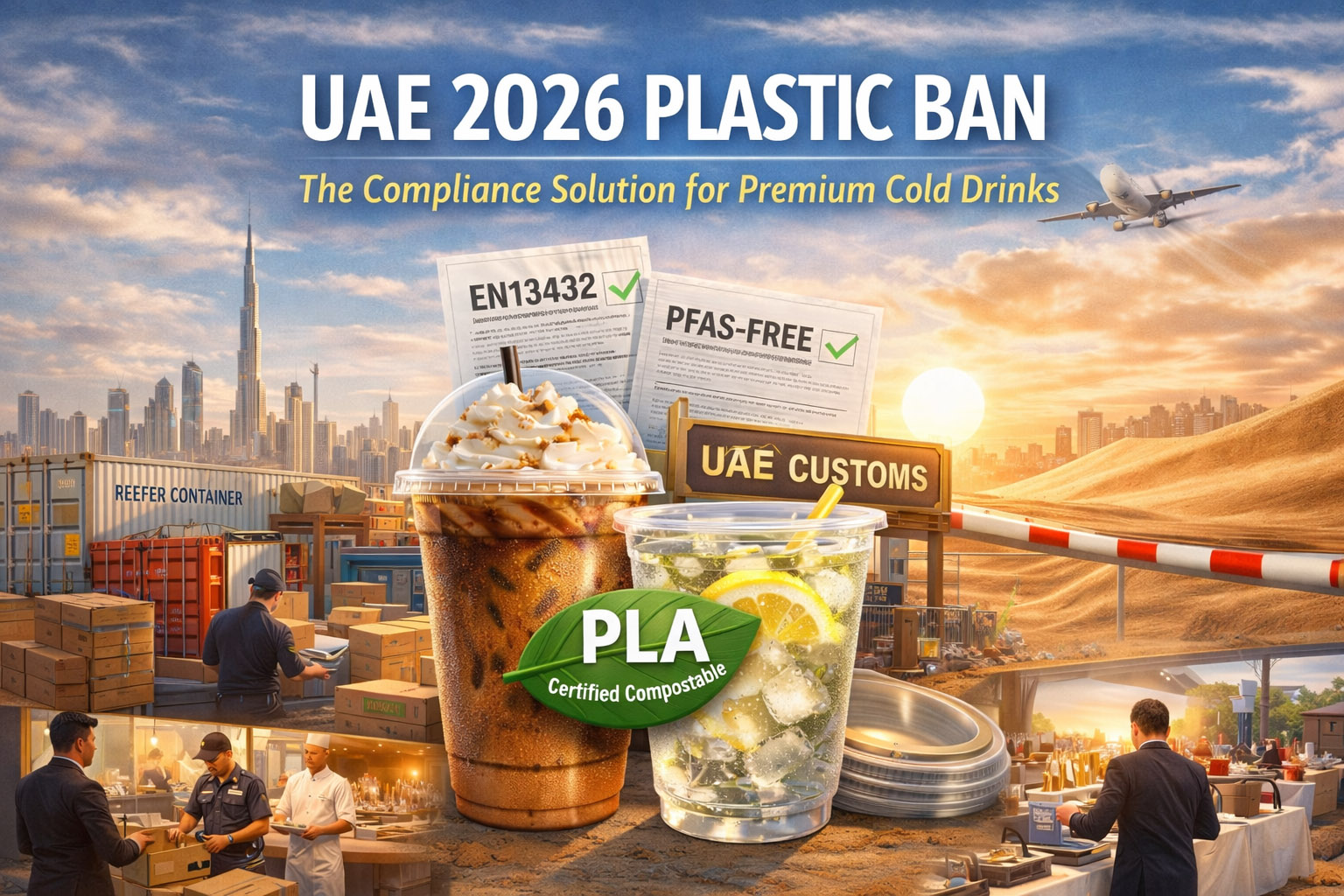
EN 13432 and/or ASTM D6400 certification
Preferably issued by recognized third-party bodies, with traceable report numbers.MOCCAE-aligned compliance declaration
Confirming material eligibility under the UAE plastic ban framework.PFAS-Free testing reports
Reflecting the UAE’s increasing focus on chemical safety in food-contact materials.Material composition and traceability statements
Ensuring batch-level accountability during customs checks or audits.
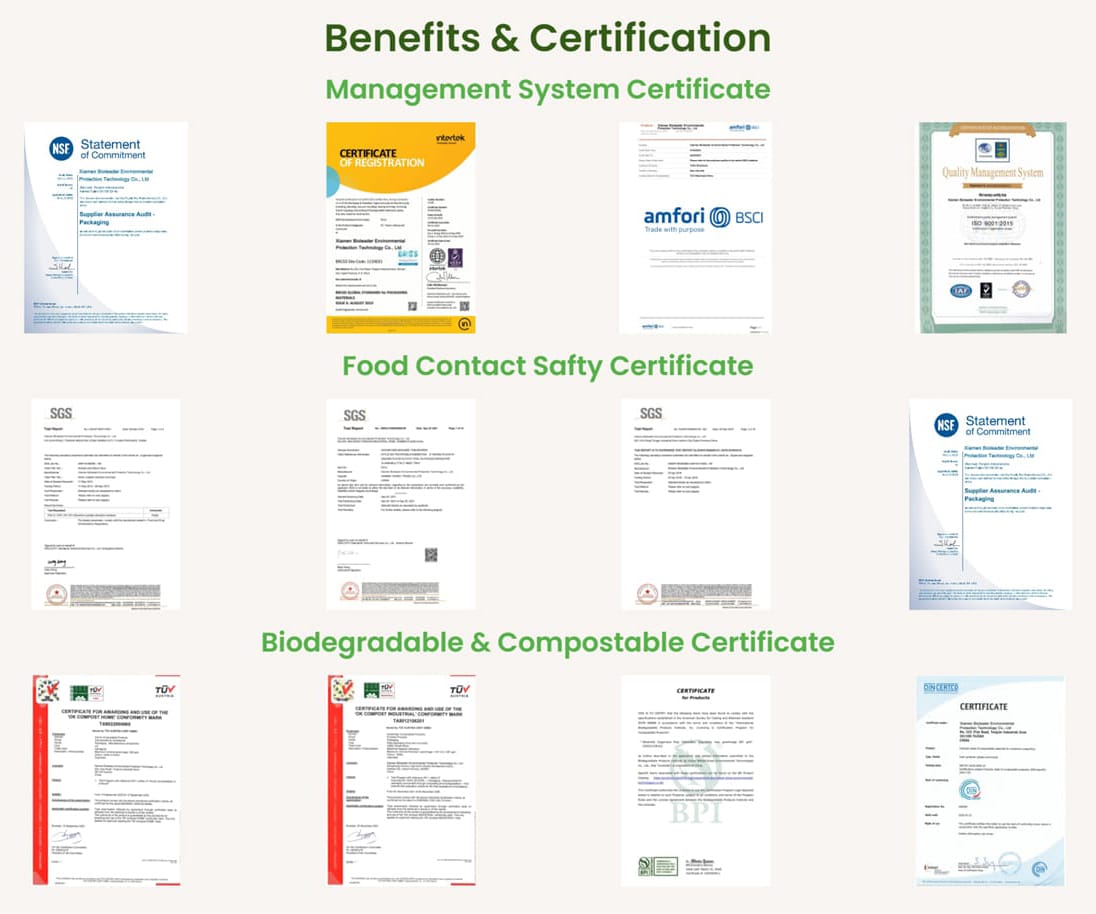
In practice, these documents are increasingly reviewed not only by customs authorities but also by hotel compliance teams, franchise headquarters, and event procurement committees.
7.2 Specification Discipline: Reducing Operational Risk
For cold beverage programs, standardization is a form of risk control.
Typical UAE-aligned PLA cup configurations include:
8–12 oz: Hotel banquets, conferences, controlled indoor service
16–20 oz: Takeaway coffee, milk tea, juice bars
24 oz: Delivery-driven cold beverages and event-scale service
Lid selection should match usage patterns:
Flat lids for controlled environments and short carry distances
Dome lids for whipped toppings and visual presentation
High-seal straw lids for delivery platforms and vehicle transport
Standardizing SKUs reduces inspection complexity, warehouse errors, and last-minute substitutions that may introduce compliance risk.
7.3 Supply Chain Strategy: Planning for Peak Demand and Scarcity
As 2026 approaches, two pressures converge:
Regulatory deadlines
Seasonal demand spikes (Ramadan, tourism peaks, exhibitions)
Experienced buyers are already:
Locking annual framework agreements for core PLA cup SKUs
Reserving production capacity ahead of peak months
Aligning shipping schedules with heat-risk mitigation strategies
In a restricted regulatory environment, availability becomes a competitive advantage.
8. Bioleader® Case Studies: How PLA Compliance Is Executed in the UAE Market
8.1 Case A: Dubai Specialty Coffee & Milk Tea Chain

Challenge
The brand relied heavily on transparent PET cups for layered beverages and feared losing visual differentiation under the plastic ban.
Approach
Transitioned to certified PLA cold cups with PET-equivalent clarity
Implemented a temperature-aware storage SOP for central warehouses
Used compliance documentation as part of franchisee onboarding
Outcome
Zero product loss during summer deployment
Maintained premium visual presentation
Leveraged early compliance as a brand positioning advantage
8.2 Case B: Hotel Banquets & MICE Operations
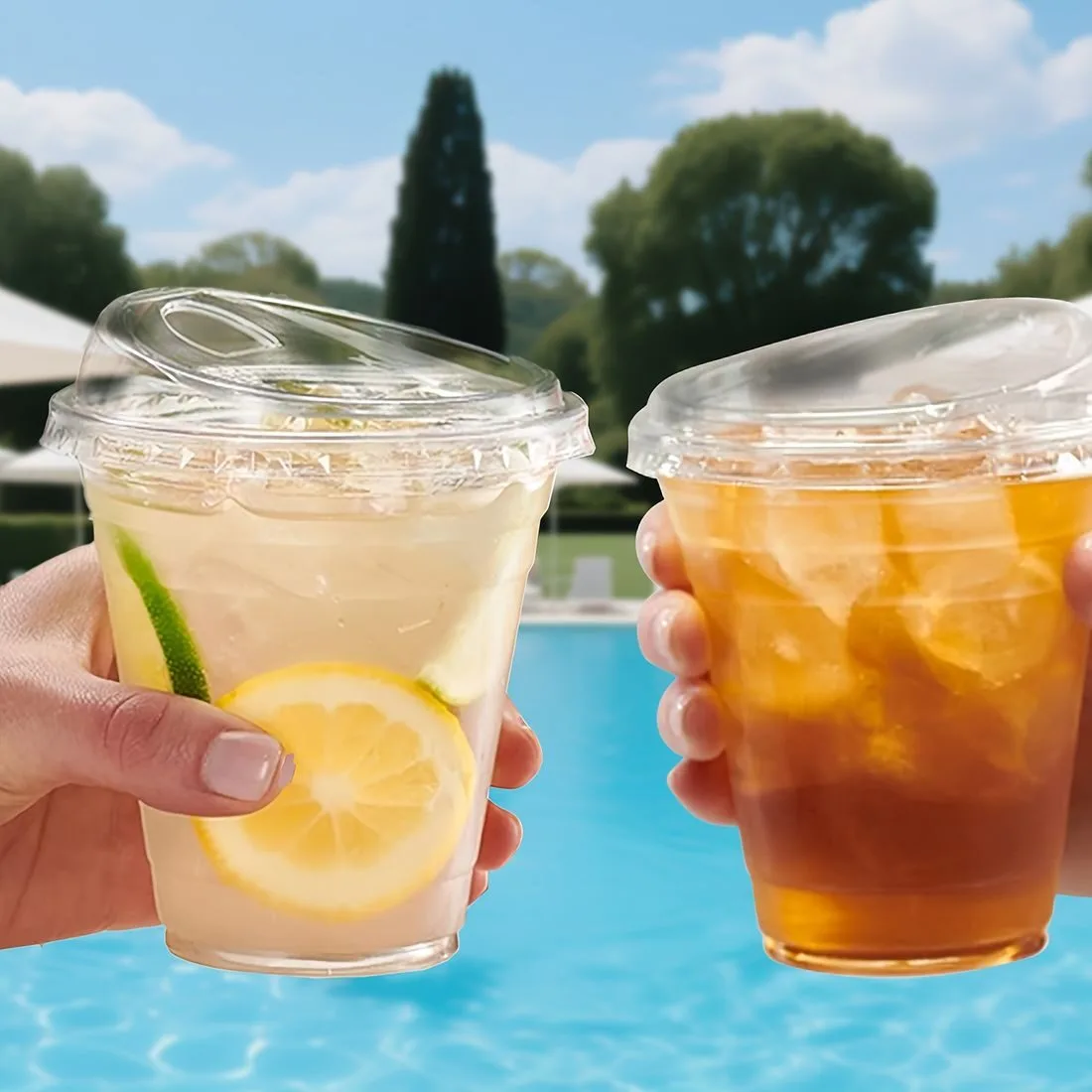
Challenge
Large-scale events required thousands of cold drink cups daily, with heightened risk of customs inspection and on-site audits.
Approach
Standardized on a limited set of PLA cup sizes (12 oz and 16 oz)
Introduced pallet-level labeling and batch traceability
Trained warehouse teams on heat exposure management
Outcome
Smooth customs clearance during peak event season
No service disruption during high-temperature months
Improved procurement confidence across multiple properties
9. FAQ: The Questions UAE Buyers Ask Before Committing to PLA Cups
1. Can PLA cups be used for hot beverages?
PLA cups should be dedicated to cold beverage applications only. Heat resistance limitations must be respected to maintain performance and compliance.
2. How can buyers verify the authenticity of certifications?
Request full test reports, issuing body details, and report numbers — not just certificate summaries or logos.
3. How do low-quality PLA cups typically fail?
Early signs include reduced transparency, surface brittleness, and deformation after heat exposure — often caused by blended or downgraded materials.
4. Which cup sizes are most suitable for UAE HORECA operations?
12 oz for banquets and controlled service; 16–20 oz for takeaway and delivery.
5. When should buyers lock 2026 supply contracts?
Ideally 6–9 months before peak demand, particularly for summer and Ramadan periods.
10. Conclusion: In the UAE, Documentation Is the Real Product
After January 1, 2026, success in the UAE cold beverage market will no longer hinge on material innovation alone.
For premium cold drinks, PLA cups represent the most practical compliance pathway — but only when supported by:
Verified certifications
Heat-aware logistics
Clear operational SOPs
In this environment, buyers are not simply purchasing cups.
They are purchasing regulatory certainty and risk control.
For premium cold drinks in the UAE after Jan 1, 2026, PLA cups are the most practical compliant pathway — with documentation as the real product.
Action Plan for 2026 Readiness
Confirm core SKUs
Audit compliance documentation
Secure heat-resilient supply capacity
For buyers preparing for the UAE 2026 transition, Bioleader provides a technical and compliance white paper outlining PLA cup certification, high-temperature logistics controls, and storage SOPs tailored to Middle East conditions.
11. References
- Ministerial Decision No. 384 of 2023: Regulation of Single-Use Plastic Products in the UAE Market. Issued by the UAE Ministry of Climate Change and Environment (MOCCAE). Official Announcement
- Dubai Municipality Single-Use Plastic Ban Guide: Phased Implementation and Compliant Alternatives Roadmap (2024-2026). Access Official Portal
- “UAE Single-Use Plastics Policy and Implementation Roadmap”
Ministry of Climate Change and Environment (MOCCAE), United Arab Emirates
Government Policy Brief, 2024–2025 Update - “Global Regulations on Single-Use Plastics: Middle East Outlook”
United Nations Environment Programme (UNEP)
Policy & Market Assessment Report, 2024 - “Compostable Plastics and Food Contact Compliance in High-Temperature Markets”
European Bioplastics Association
Technical & Regulatory Guidance Paper, 2024 - “EN 13432 Certification: Requirements and Market Implications for Compostable Packaging”
TÜV Austria Certification Body
Technical Certification Overview, 2024 Edition - “ASTM D6400 and Compostable Plastics in Global Trade”
ASTM International
Standards & Industry Guidance Report, 2023–2024 Revision - “Heat Exposure Risks in Intermodal Container Transport”
World Shipping Council (WSC)
Logistics & Container Safety Report, 2024