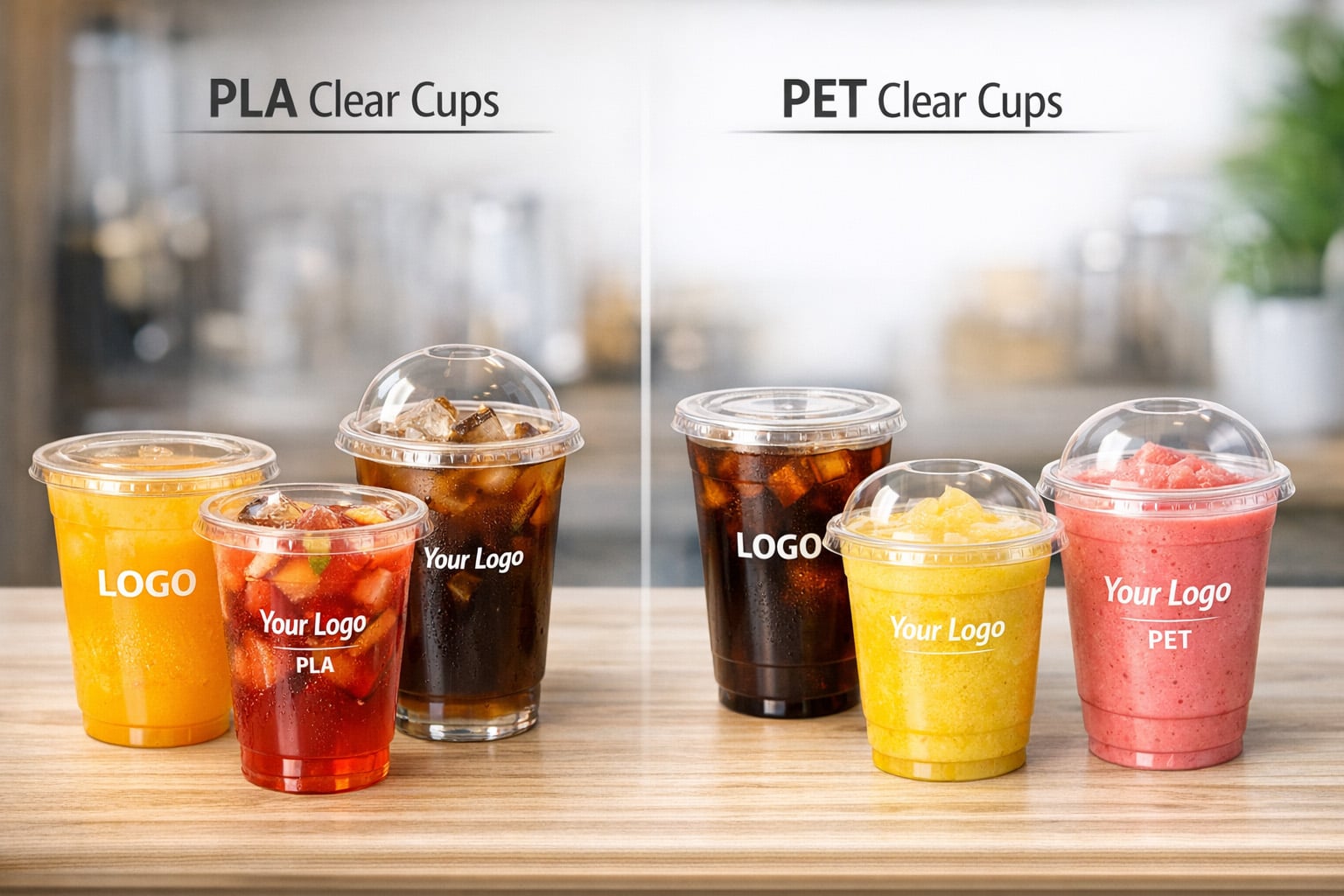
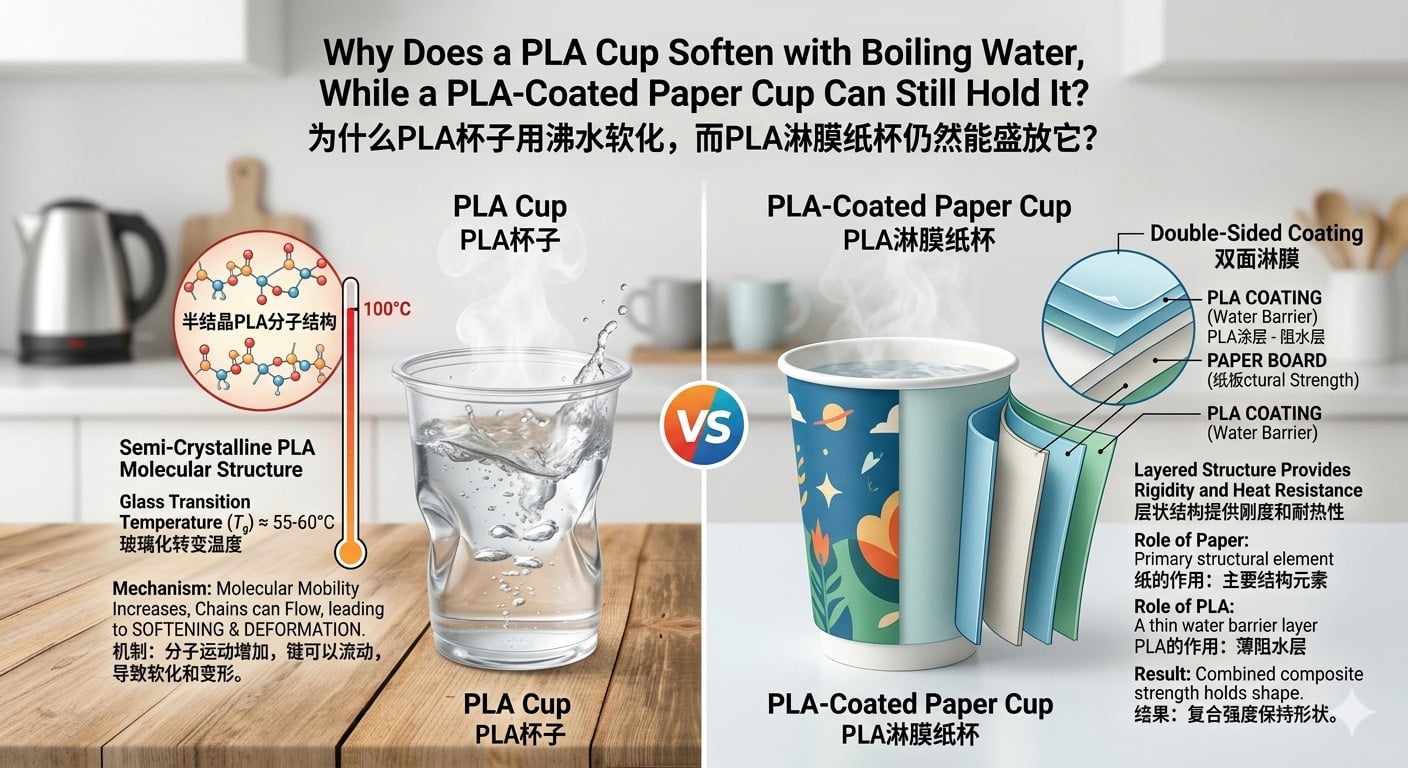
A standard PLA cup or PLA clear cup softens quickly under boiling water because PLA has a relatively low glass transition temperature, and its rigidity drops sharply once the material moves well beyond that range. A PLA-coated paper cup performs differently because the thin PLA layer mainly serves as a leak-proof barrier, while the paperboard provides the cup’s structural support. In other words, the difference is not that PLA suddenly becomes heat-resistant. The difference is that the product structure changes how the material works.
Why a Pure PLA Cup Softens So Easily
To begin with, we need to identify the fundamental weakness of a pure PLA (Polylactic Acid) cup.
PLA is a thermoplastic, bio-based polyester. Its most important thermal limitation is its relatively low glass transition temperature (Tg), which is typically around 55–65°C. Once the temperature rises beyond this range, the molecular chain segments in PLA become much more mobile. The material changes from a rigid, glassy state into a softer and more elastic state, and its stiffness drops sharply.
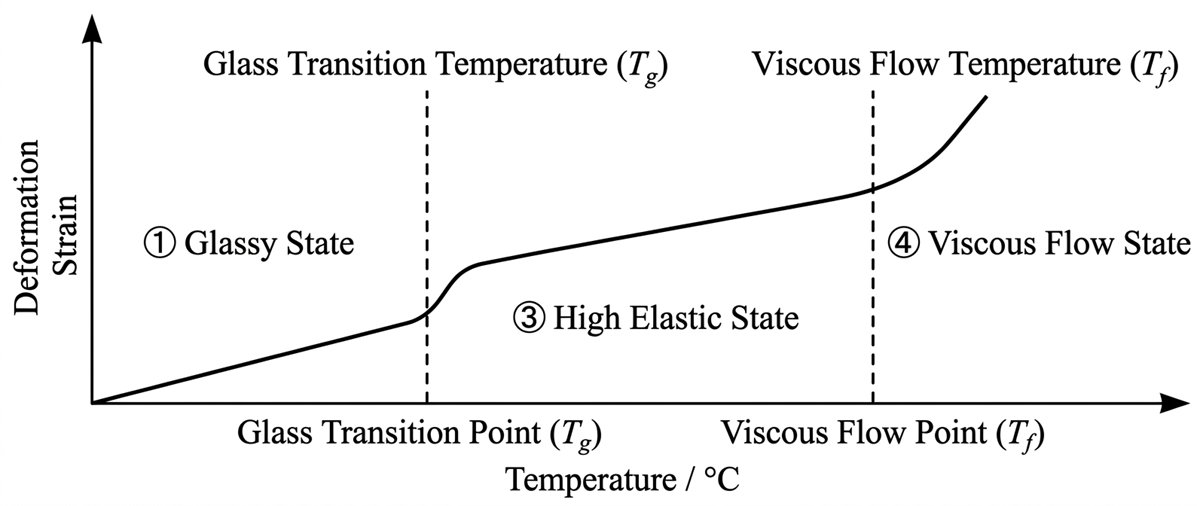
This point is critical. A plastic does not need to reach its melting point to lose real-world structural performance. For standard transparent PLA used in many PLA clear cup applications, once the temperature goes well above Tg, the cup wall may still remain solid, but it no longer keeps the same rigidity, dimensional stability, or load-bearing strength.
A pure PLA cup is a one-piece structure. The cup wall, the base, and the body are all made of PLA. That means when 100°C boiling water is poured in, the entire cup body is exposed to high temperature at the same time. The whole structure softens together, not just one thin internal layer.
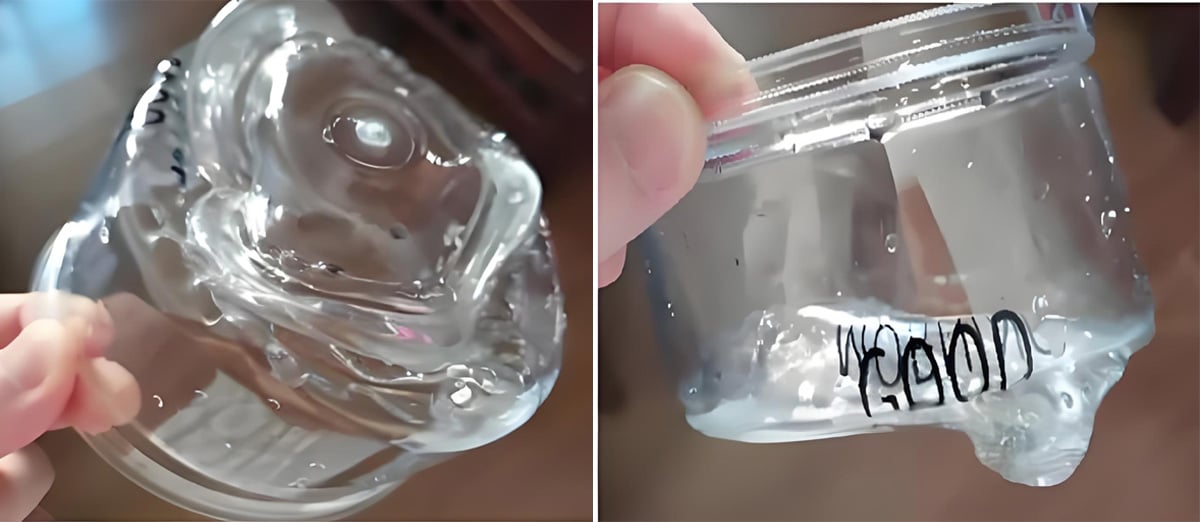
As soon as that happens, the weakness of the design becomes obvious. The cup wall loses its original firmness, the body becomes unstable, and the structure can no longer effectively support the weight of the liquid. That is why a standard transparent PLA cup is generally suitable for cold beverages, but not for boiling water or hot-drink service.
In simple terms, the problem with a pure PLA cup is not just that PLA becomes soft under heat. The deeper problem is that PLA is carrying the entire structural task by itself. Once the material softens, there is no second support layer to hold the cup in shape.
The Core Design of a PLA-Coated Paper Cup
Now let us look at why a PLA-coated paper cup behaves differently.
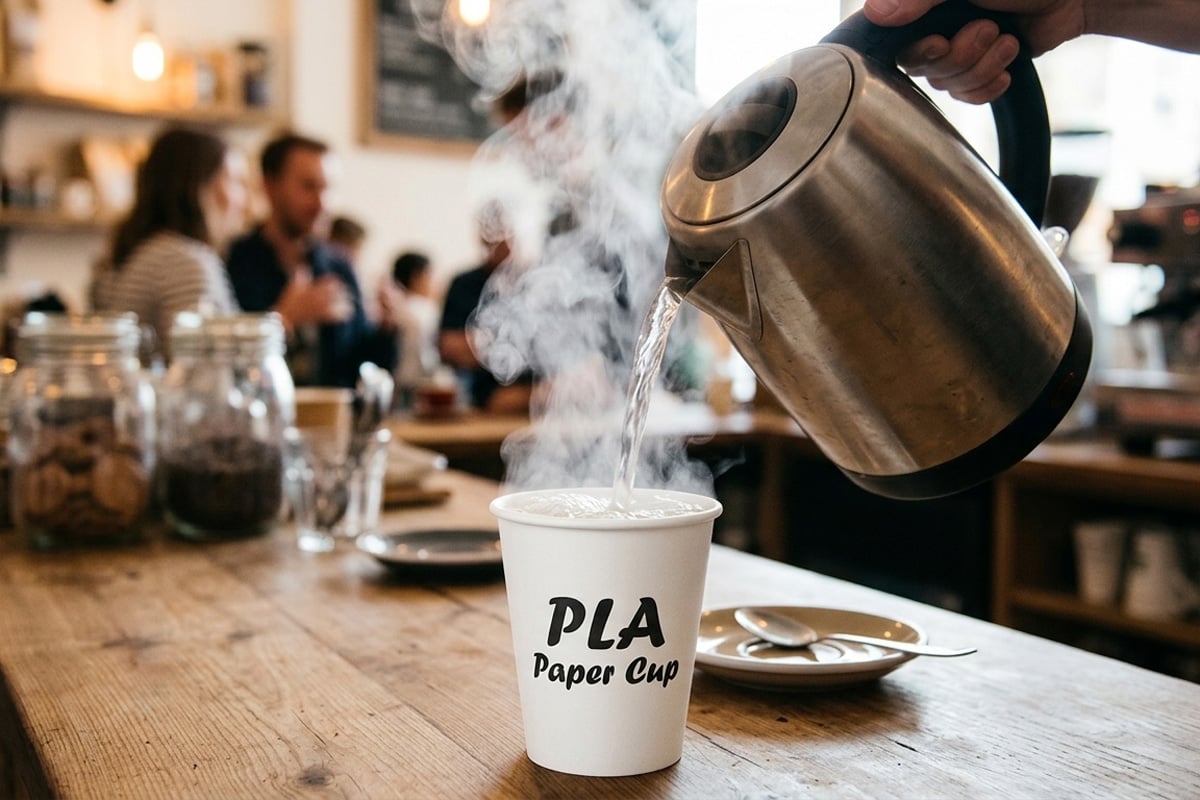
The answer lies in its composite structure. A PLA-coated paper cup is not simply “a PLA cup with paper added.” It is a deliberately engineered dual-layer system in which two materials perform two different jobs.
The inner layer is an ultra-thin PLA coating. Its task is barrier protection: to resist water penetration, reduce leakage, and isolate the liquid from the paper substrate. In other words, the PLA layer is there to provide sealing performance, not to carry the full structural load of the cup.
The outer layer is paperboard. This paperboard is the real mechanical frame of the cup. It provides stiffness, shape retention, compressive strength, and handling stability. It is the paper layer that keeps the cup upright, prevents collapse, and maintains the form of the body under normal hot-fill use.
This is the decisive difference between the two products. In a pure PLA cup, PLA must function as both the barrier and the structure. In a PLA-coated paper cup, the paper provides the structural skeleton, while the thin PLA layer only serves as the anti-leak liner. That functional separation completely changes the thermal outcome.
What Really Happens When Boiling Water Enters the PLA-coated Paper Cup
Now we can return to the key question: what exactly happens when 100°C boiling water is poured into a PLA-coated paper cup?
The process can be explained step by step.
Step 1: The Boiling Water Touches the PLA Layer First
The hot liquid first comes into contact with the inner PLA coating. Since 100°C is far above PLA’s glass transition range, the PLA coating does indeed soften. Its molecular chain segments relax, and the material becomes much more flexible than it is at room temperature.

Step 2: The PLA Layer Softens, but It Does Not Melt into Liquid
This is the most misunderstood part of the discussion. Many people confuse softening with melting. In reality, they are not the same thing.
Standard PLA typically shows melting behavior much closer to approximately 160–170°C. Boiling water at 100°C is therefore far below the melting region of PLA. That means the coating can become soft, but it still remains a continuous solid film. It does not turn into a flowing liquid, it does not drip into the drink, and it does not suddenly disappear from the inner wall.
Step 3: The Paperboard Holds the Softened PLA in Position
Although the PLA film softens, it is tightly bonded to the paperboard through the coating or lamination process. The outer paper layer acts like a rigid structural frame, firmly fixing the softened PLA film in place.
This means the PLA layer is not being asked to carry the full structural load of the cup by itself. Even when softened, it remains attached to the paper substrate and continues to perform its barrier function, while the paperboard continues to provide the strength needed to support the cup body.
Step 4: The Result Is Soft but Stable
The final result is straightforward. The inner PLA coating becomes softer under boiling water, but because it does not melt and because it is fully supported by the paperboard, it remains in place and continues acting as a barrier. Meanwhile, the outer paperboard maintains the shape, stiffness, and stability of the cup.
That is why a PLA-coated paper cup can still hold hot water, while a pure PLA cup collapses much more easily under the same condition.
Video Test: How Different Cup Materials Respond to Boiling Water
To make the mechanism discussed above easier to visualize, we also prepared a simple boiling-water comparison test using several common cup materials, including PET, PP, PLA, cornstarch, paper, and bagasse. This is not a substitute for formal laboratory heat-resistance testing, but it gives a practical visual reference for how different cup structures behave under high-temperature liquid exposure.
For this article, the key takeaway is clear: a standard PLA cup or PLA clear cup may soften much faster when it must carry the full structural load by itself, while paper-based or fiber-based cup systems can behave differently because their load-bearing structure is different from that of pure PLA formats.
The Real Technical Conclusion
The real conclusion is not that PLA suddenly becomes heat-resistant in one product and heat-sensitive in another. The real conclusion is that the structural role of PLA is different.
In a pure PLA clear cup, PLA is both the container wall and the structural body. Once heat reduces its rigidity, the whole cup loses stability. In a PLA-coated paper cup, PLA is only a thin internal barrier. The paperboard provides the main structural support, so the thermal weakness of PLA is controlled rather than exposed.
That is the essential reason behind the difference:
- Pure PLA cup: the whole body is PLA, so once heated, the entire structure softens together and loses support.
- PLA-coated paper cup: the paperboard fixes the shape and bears the stress, while the softened PLA layer only continues to provide anti-leak performance.
So a PLA-coated paper cup can hold hot liquid not because PLA itself has suddenly become a high-heat material, but because smart structural design places PLA in a controlled, limited, and effective role.
Bioleader Insight
For practical product selection, the most reliable method is to match the cup structure to the real beverage application. If the requirement is transparency, cold-drink presentation, and compostable positioning, a standard PLA cup can be a strong option. If the requirement includes hot-fill use, shape retention, and safer handling, a paper-based cup structure with an appropriate inner lining is the more rational engineering choice.
At Bioleader, we view this not as a marketing distinction, but as a product-fit issue. Sustainable packaging only works well when material properties, structure design, beverage temperature, and end-use conditions are aligned from the beginning.
Planning to Source PLA Cups? Read This First
Understanding why a PLA cup softens under heat is only the first step. In real sourcing scenarios, buyers also need to evaluate structure, lid compatibility, temperature limits, MOQ, printing, logistics protection, and compliance readiness.
We’ve prepared a complete step-by-step guide covering how to compare PLA clear cup options, review Compostable plastic cups, and avoid common sourcing mistakes when importing from China.
Why This Matters for Buyers
For packaging buyers, importers, cafés, and distributors, this distinction is commercially important. In the market, terms such as PLA cup, PLA Cups compostable, Compostable plastic cups, and biodegradable clear cups are often used broadly. But those material labels alone do not explain actual use performance.
A standard transparent PLA clear cup may be an excellent solution for cold drinks, iced coffee, smoothies, fruit tea, and visually attractive takeaway packaging. But when the application involves boiling water, hot tea, hot coffee, or extended hot holding, the decision cannot be based on “compostable” or “biodegradable” claims alone. It must be based on structure, temperature range, load distribution, and end-use conditions.
This is exactly why technical selection matters. A pure clear PLA cup, a PLA-coated paper cup, and other categories of Compostable plastic cups should not be treated as interchangeable products. Even when they all belong to the broader category of sustainable cup solutions, their structural logic and thermal performance are fundamentally different.
FAQ
Are PLA cups compostable?
Many PLA cups are designed for compostable applications under suitable industrial composting conditions, but compostability does not mean the cup is automatically suitable for boiling water or high-temperature hot-fill use.
Is a PLA clear cup suitable for hot drinks?
A standard PLA clear cup is generally better suited to cold beverages. Because PLA stiffness drops sharply once temperature rises above its practical rigidity range, most clear PLA cup formats are not intended for boiling-water applications.
Why can a PLA-coated paper cup hold hot water better?
Because the paperboard provides the main structural support, while the PLA layer only acts as a thin inner barrier. The product works as a composite system rather than as a single-material hot-fill cup.
Are all Compostable plastic cups the same?
No. Different compostable cup systems are designed for different end uses. A pure transparent PLA cup, a PLA-lined paper cup, and a high-heat modified cup should not be treated as interchangeable products.