


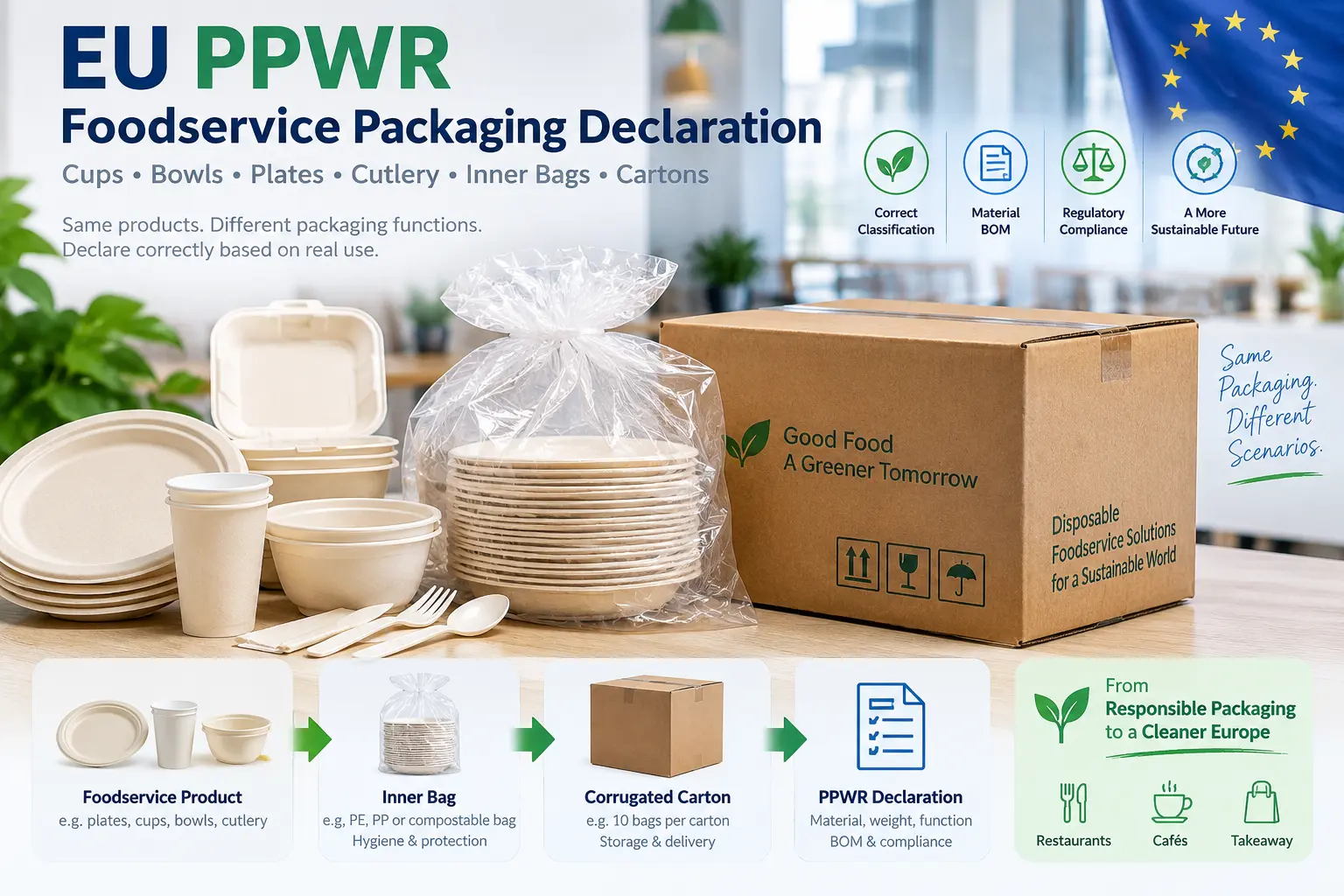
How to Declare Cups, Bowls, Plates & Cutlery Under EU PPWR: Bulk Cartons, Retail Packs and Inner Bags
1. Quick Answer: How Should Foodservice Packaging Be Declared? For EU PPWR purposes under Regulation
1. Quick Answer: How Should Foodservice Packaging Be Declared? For EU PPWR purposes under Regulation
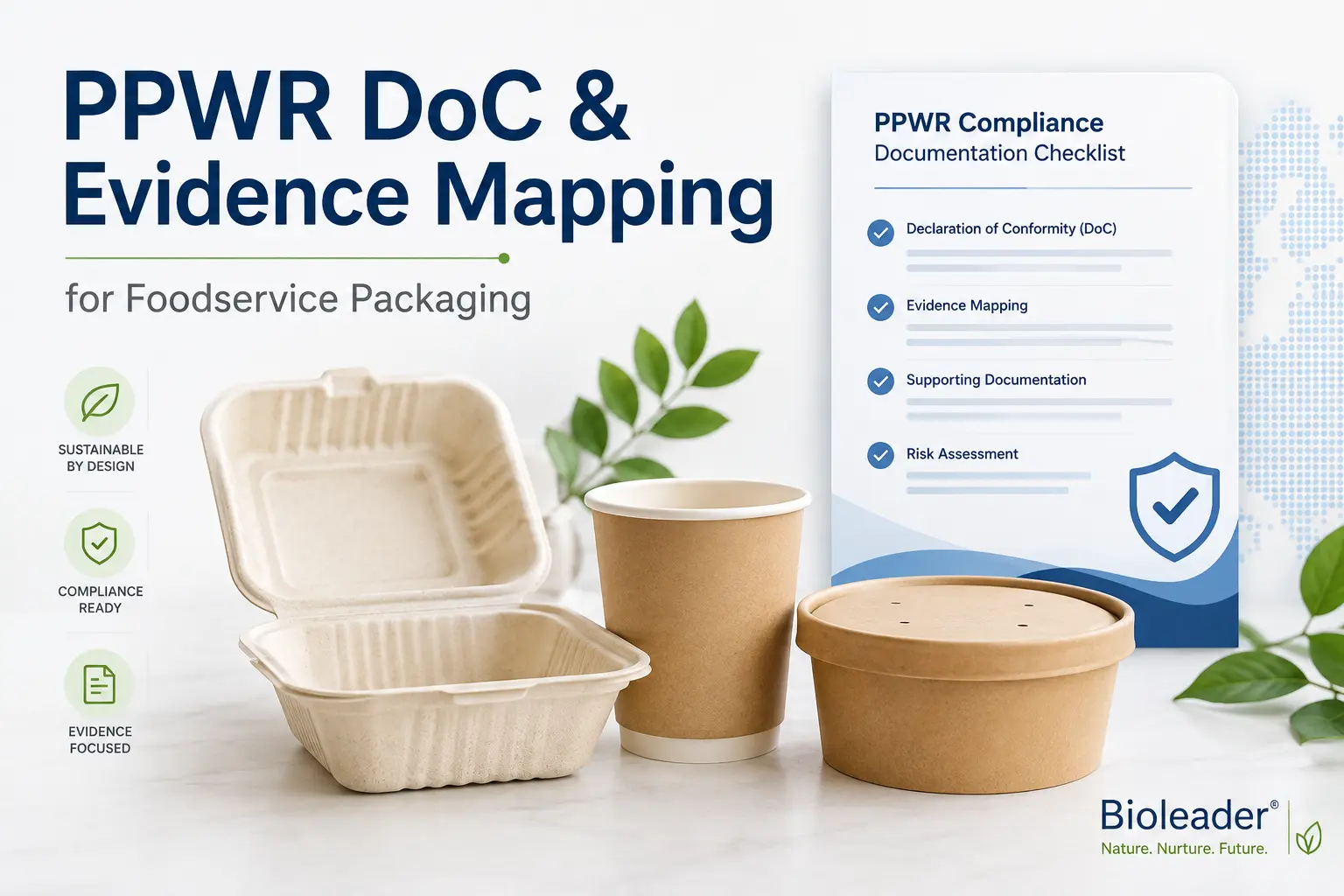
Current PPWR status (September 2026): Regulation (EU) 2025/40 has applied across the EU since 12
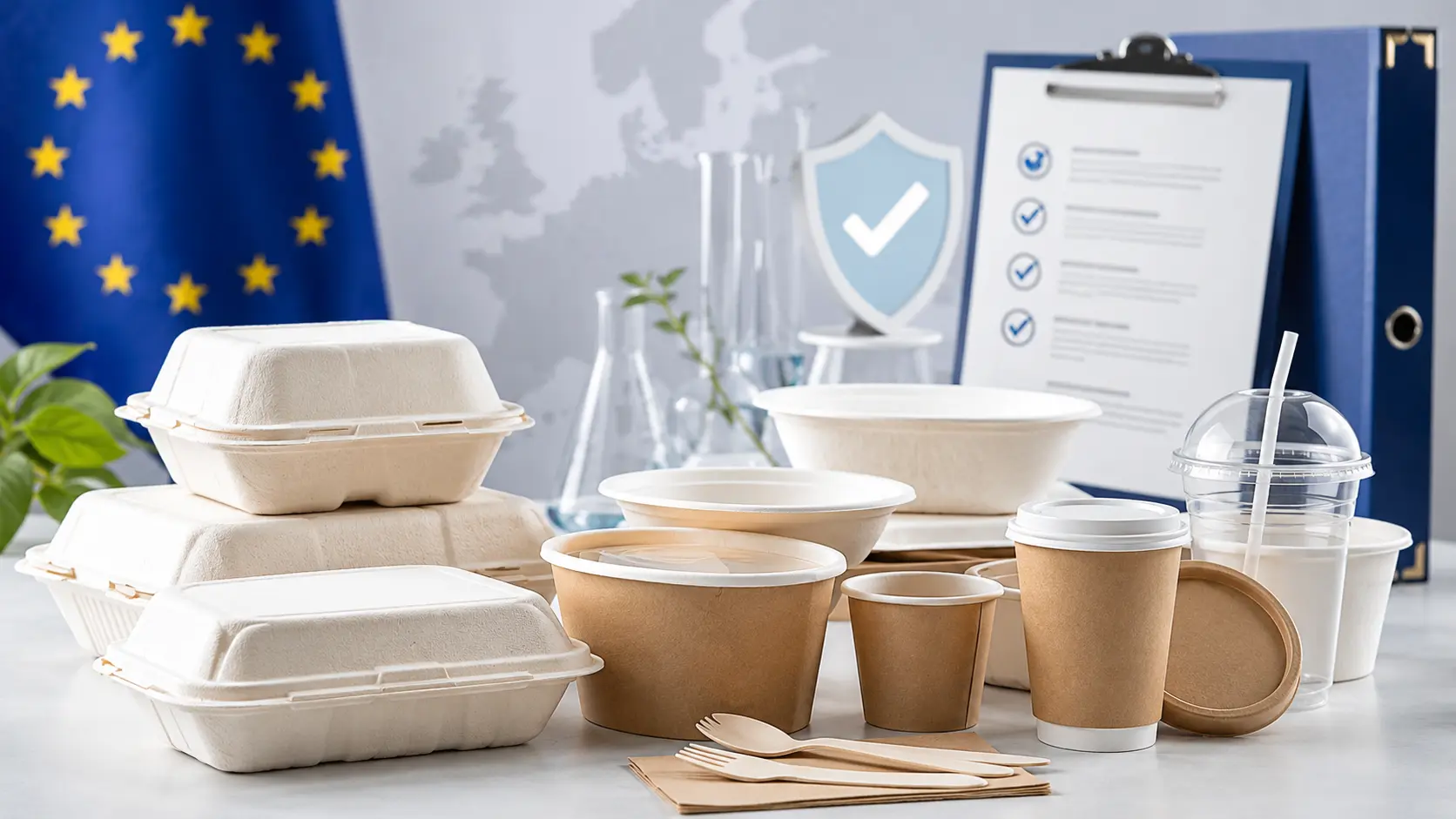
The European Union’s Packaging and Packaging Waste Regulation, Regulation (EU) 2025/40, has moved from policy
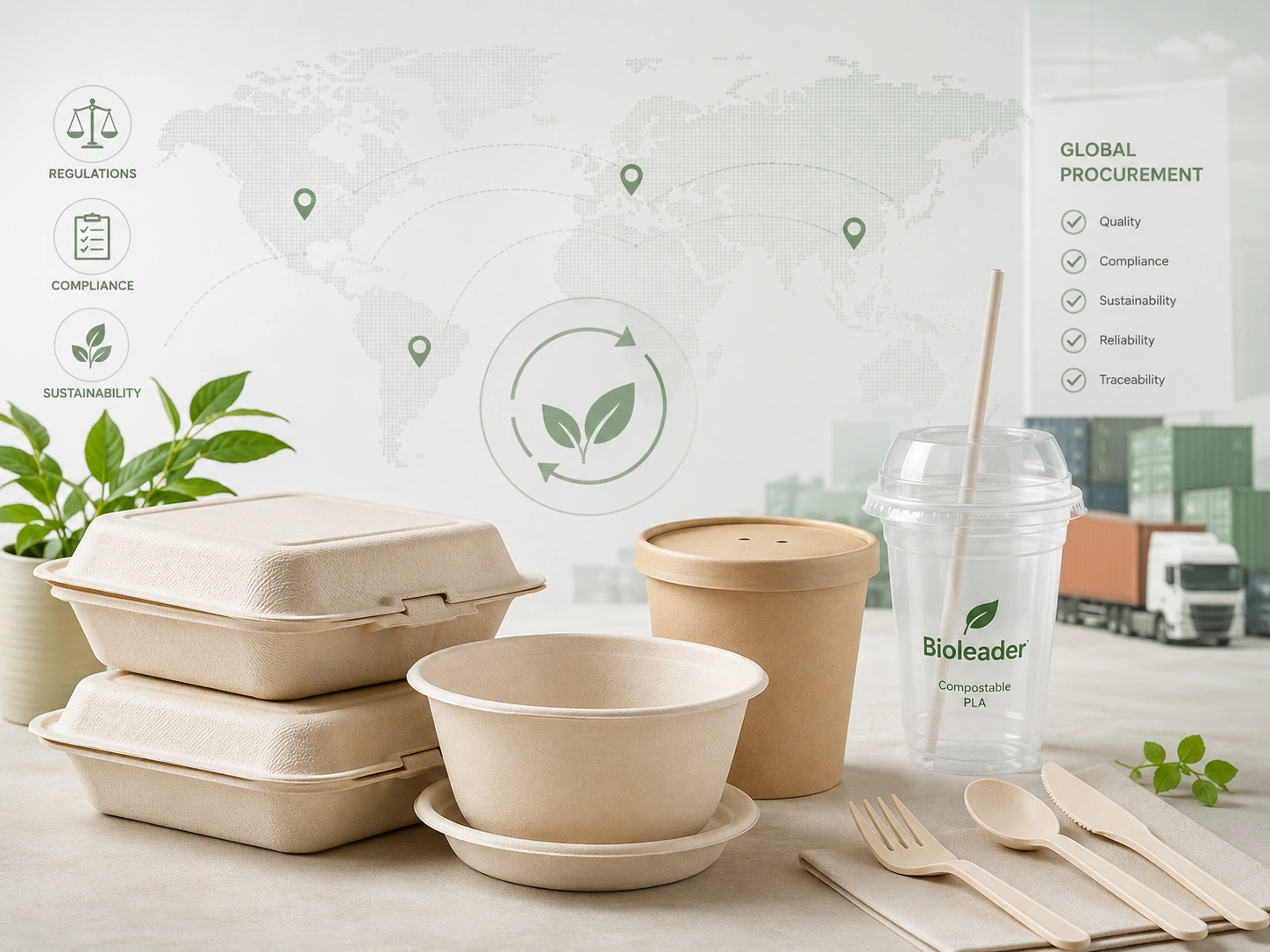
Quick Summary: Global Plastic Restrictions Are Changing Food Packaging Procurement Global plastic restrictions are no
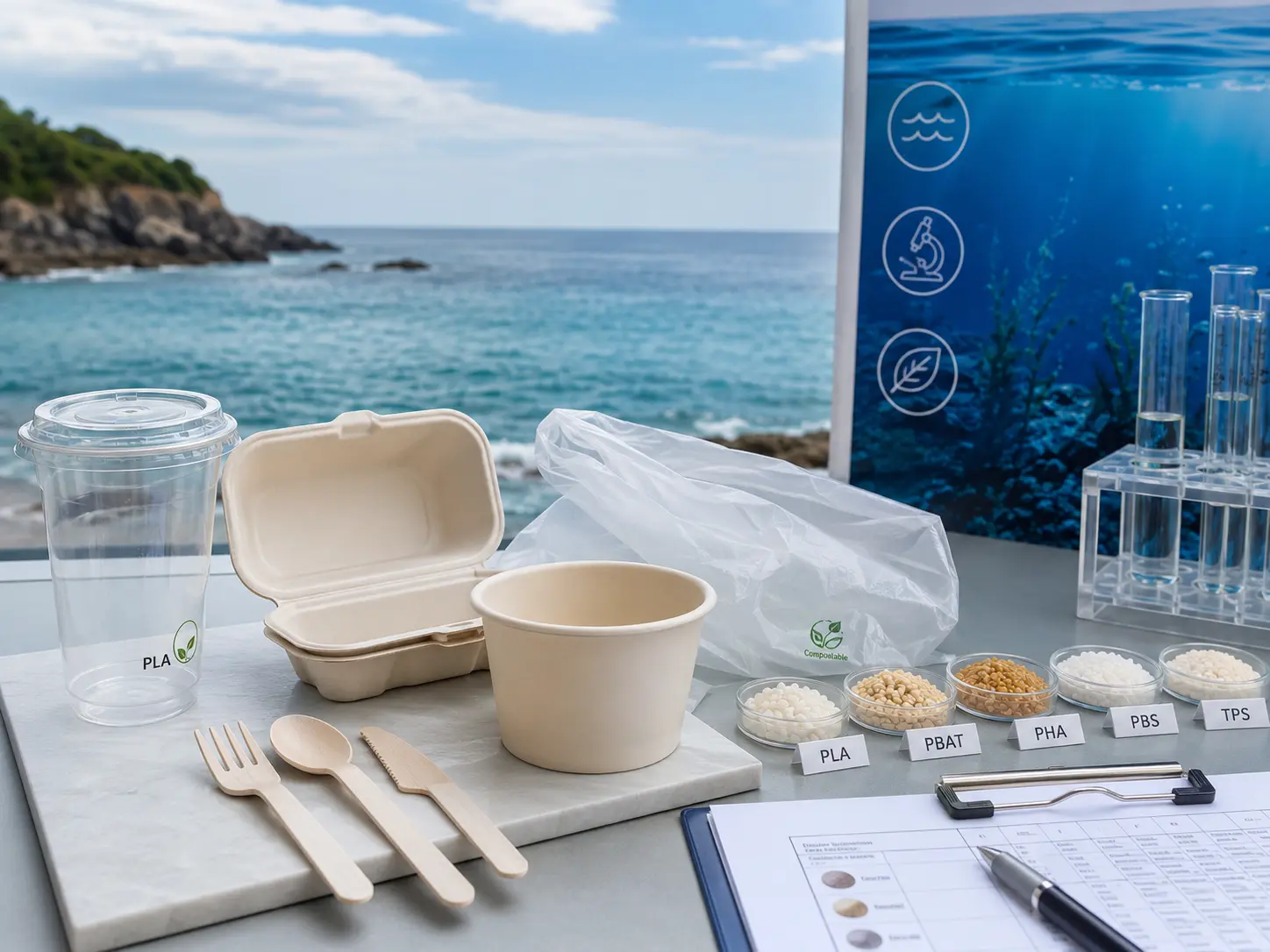
Quick Summary: The Ocean Is Not a Compost Bin Marine biodegradability is often misunderstood in
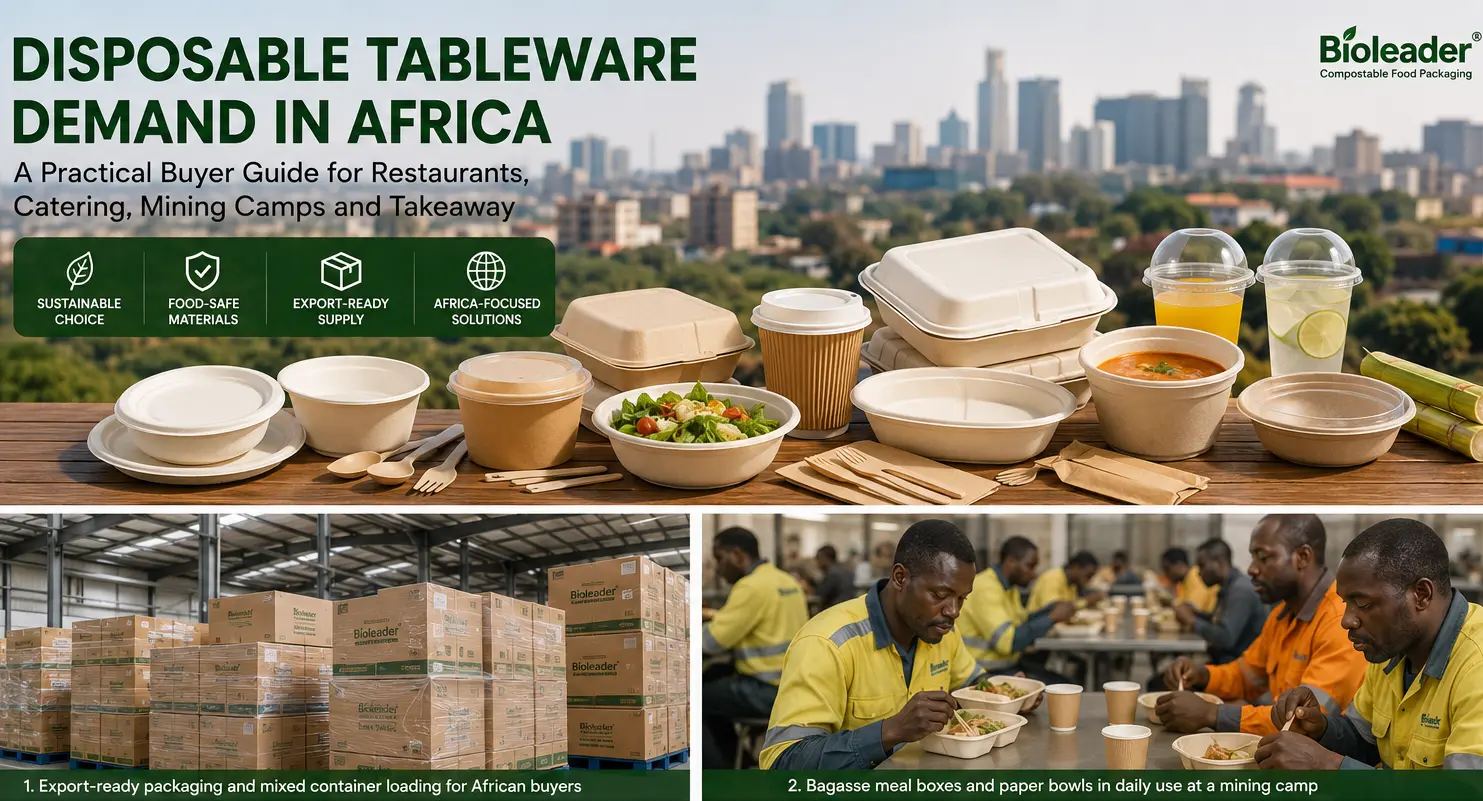
Disposable Tableware Demand in Africa: Quick Summary Africa’s disposable tableware market is no longer only
White Paper Overview 1. Executive Summary: Sugarcane Bagasse Packaging Enters a New Capacity, Compliance and
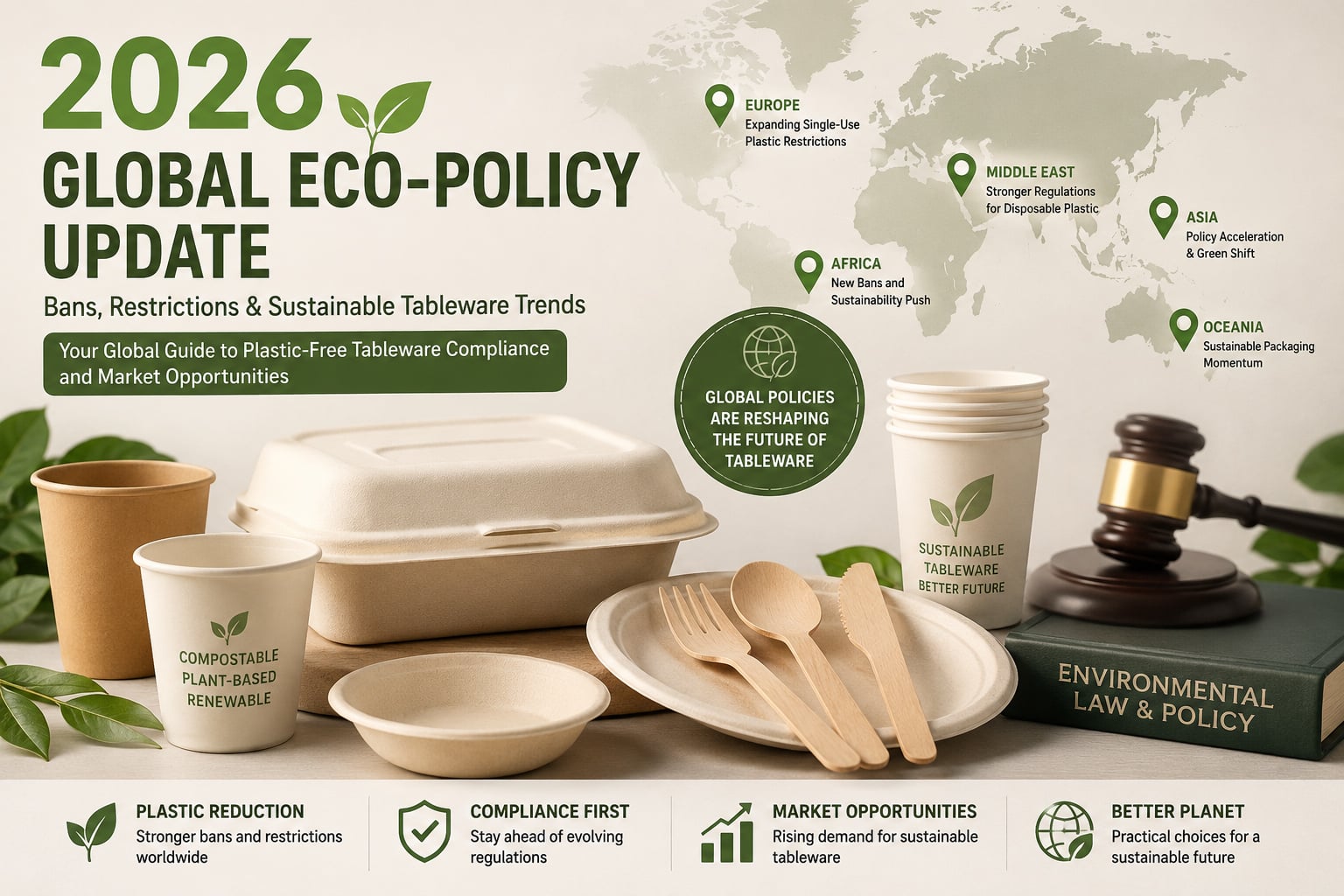
Introduction: Why 2026 Is a Turning Point for Disposable Food Packaging Plastic restrictions are no
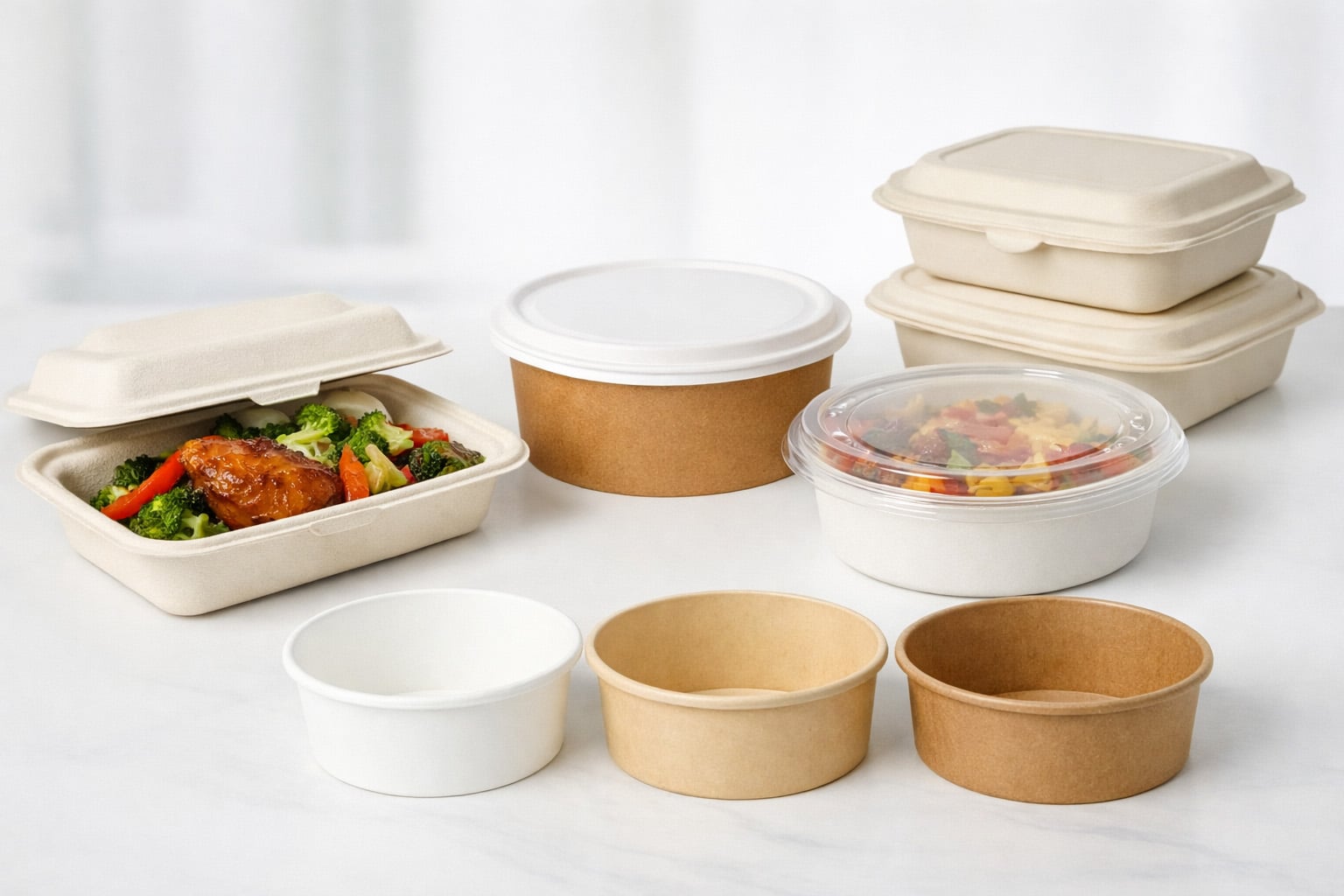
Quick Summary: Choosing takeaway food containers today is no longer just about material claims or
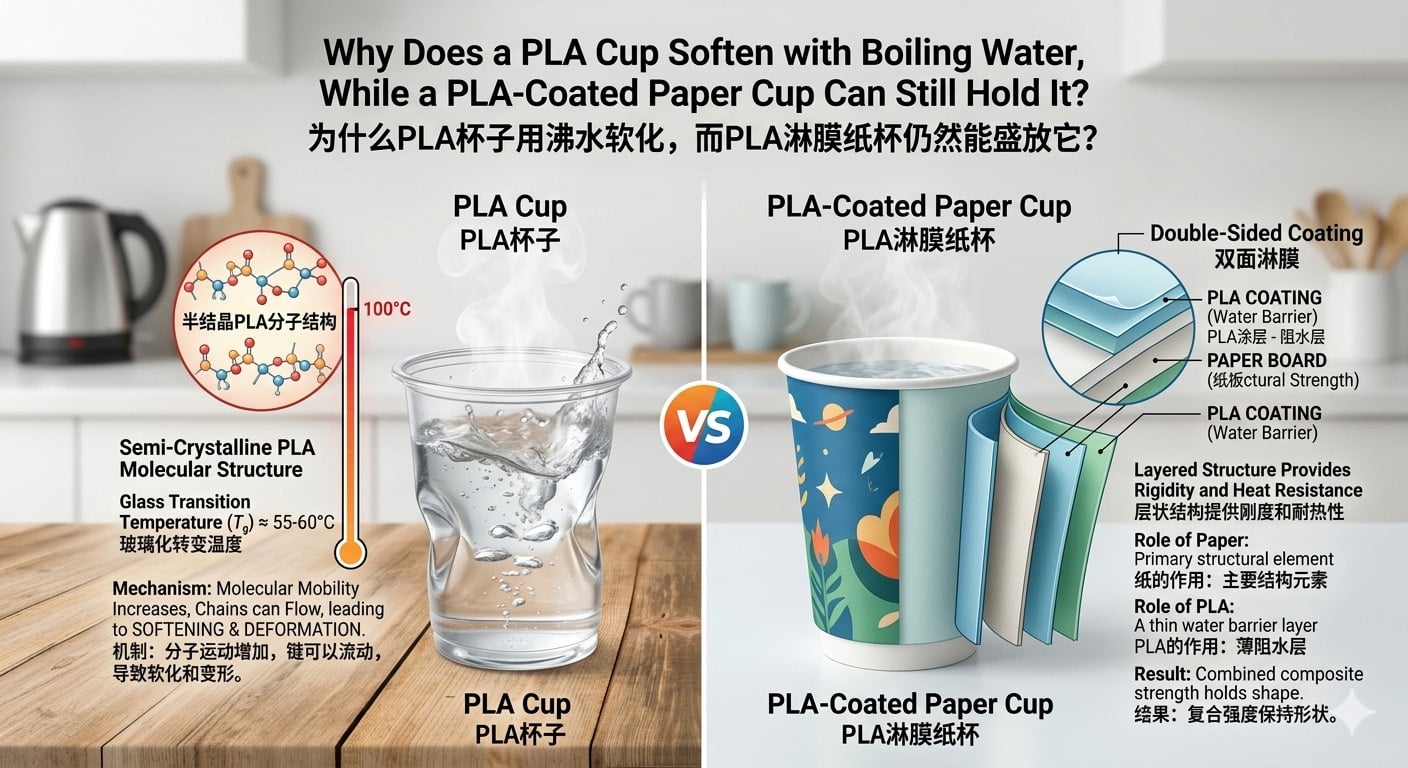
Quick Summary: A standard PLA cup or PLA clear cup softens quickly under boiling water
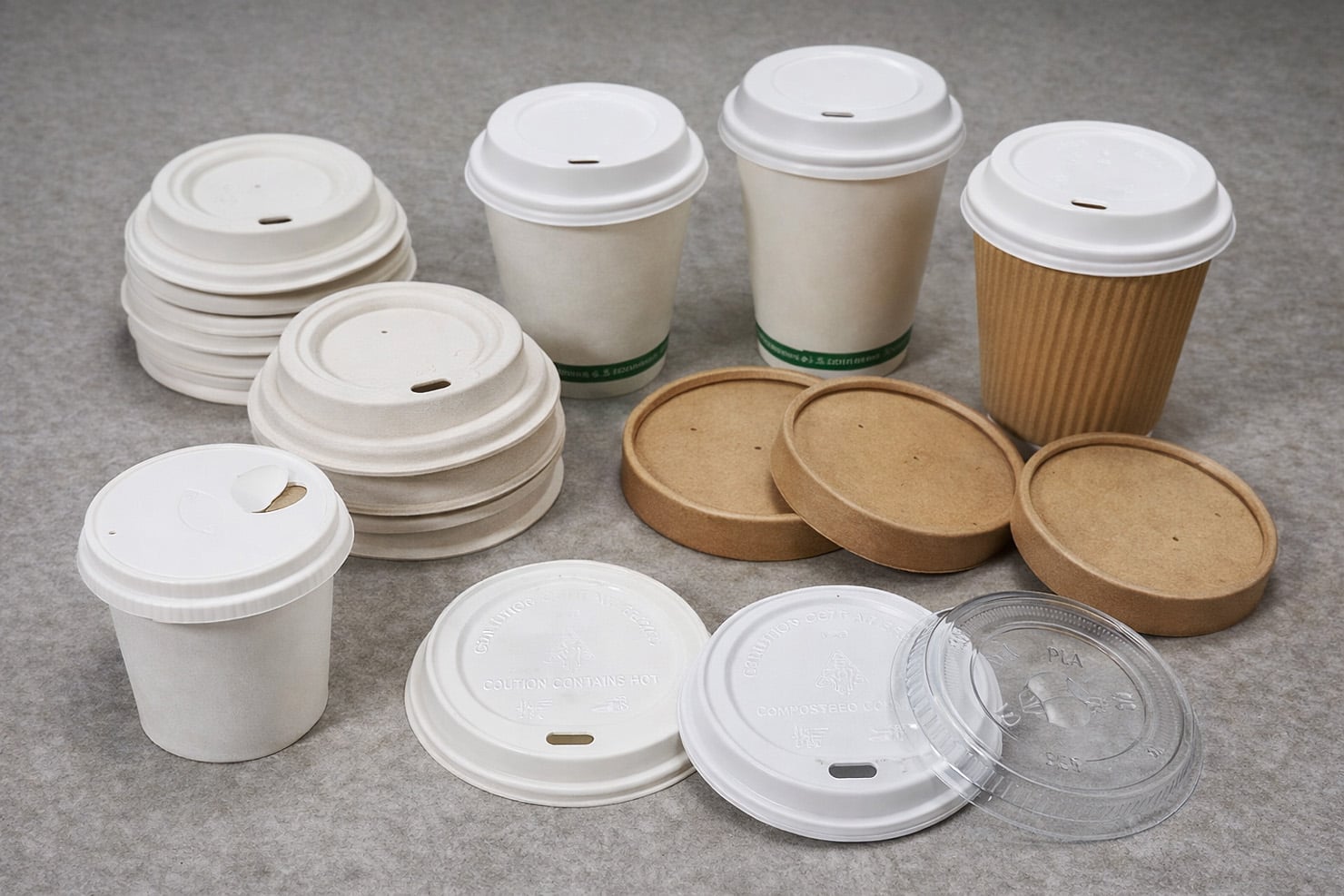
Micro Summary: Eco-friendly cup lids are no longer a minor accessory decision. For modern foodservice

As global demand for takeaway meals, rice bowls, salad bowls, and Mexican-inspired food continues to
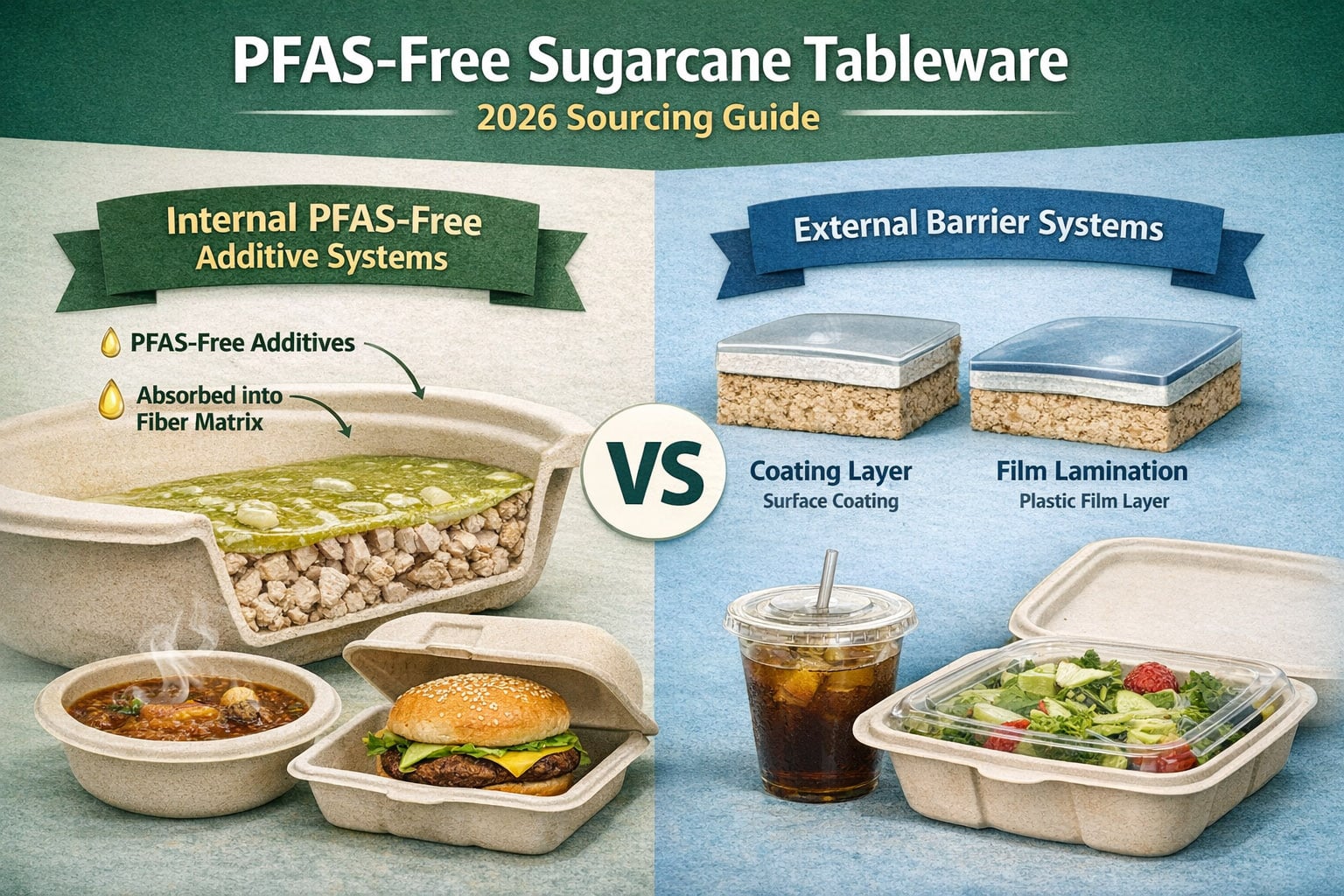
Quick Summary: PFAS-Free sugarcane tableware is now a procurement threshold rather than a sustainability label.
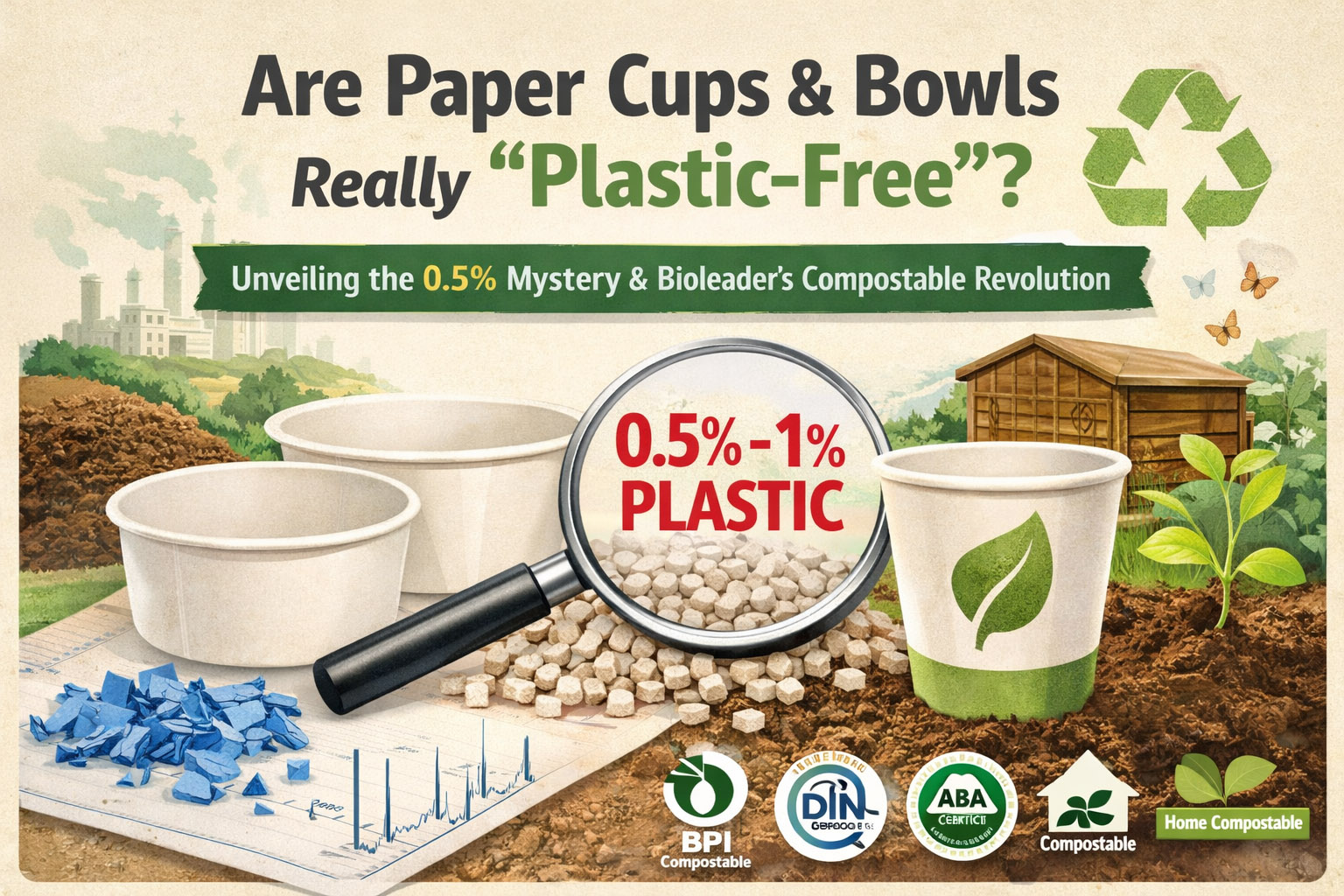
Introduction In the global journey toward true sustainability, many brands claim their packaging is “plastic-free.”
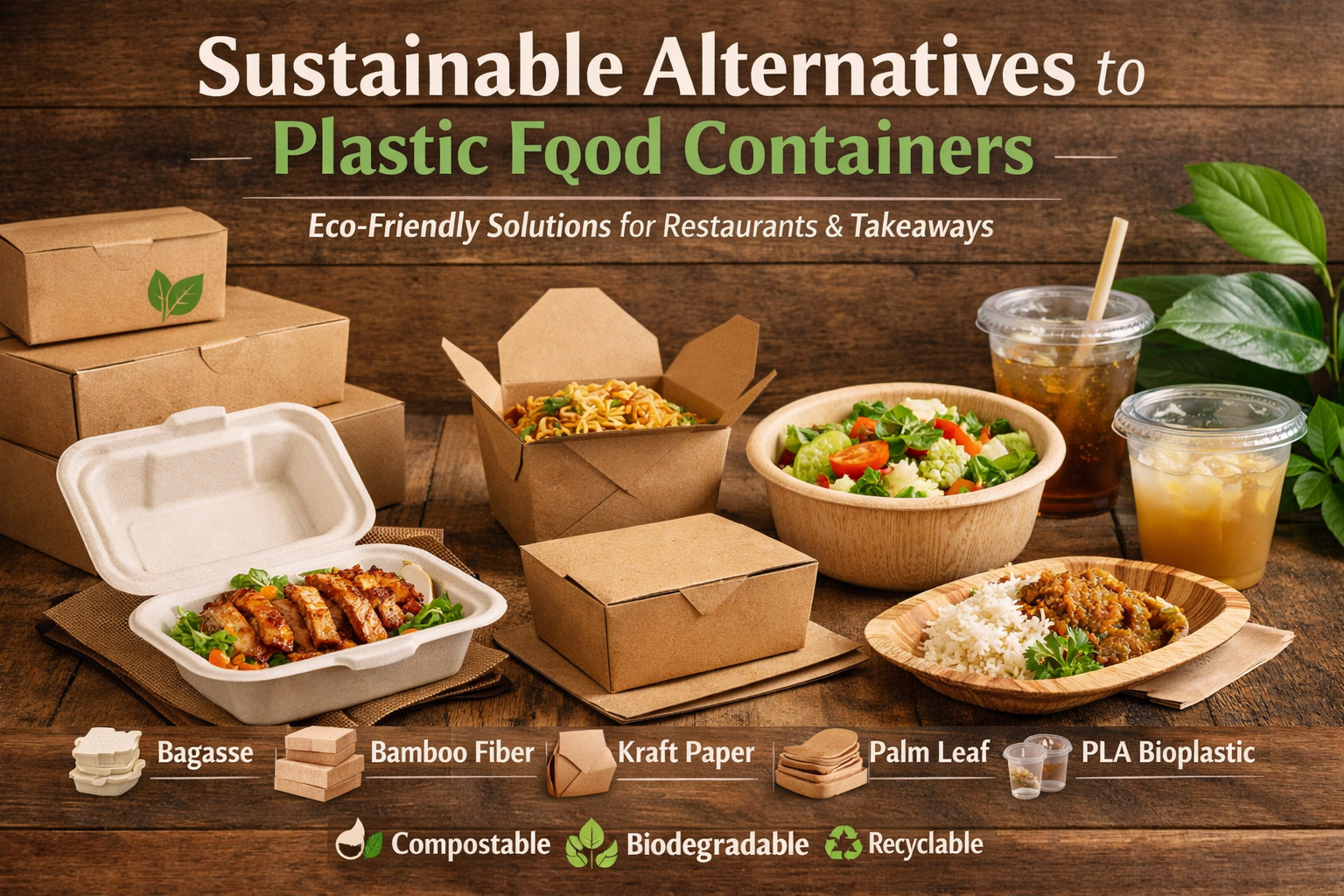
Plastic food containers have long been the default choice for takeaway, delivery, and grab-and-go meals.
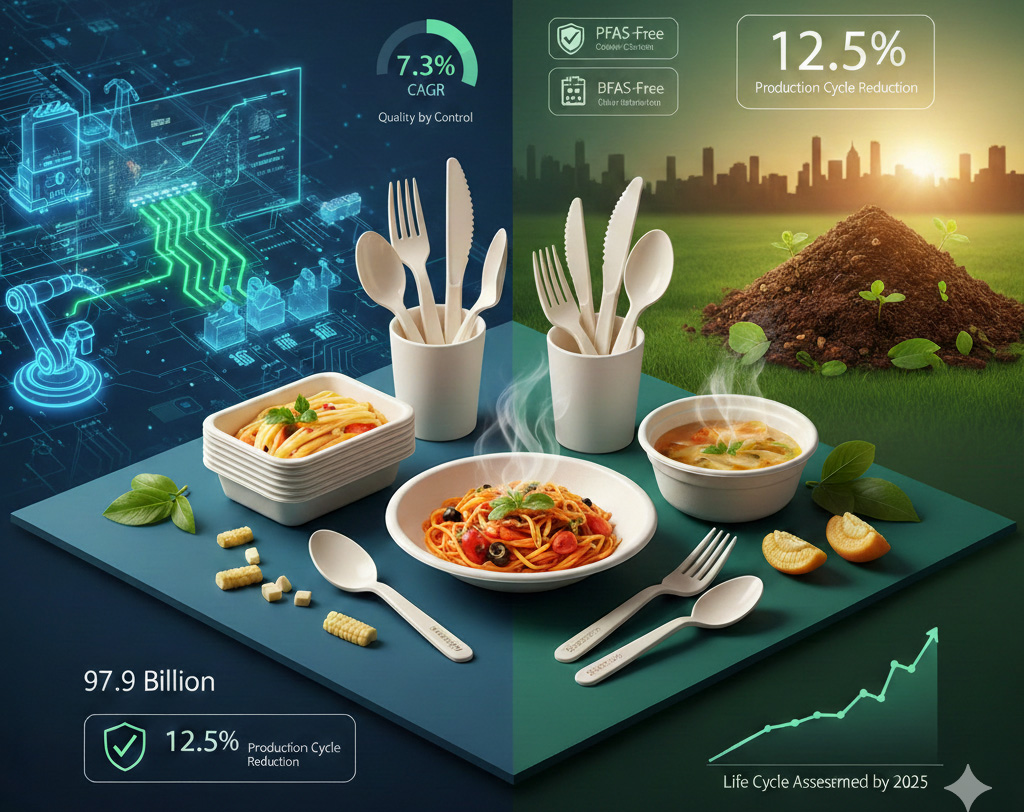
Author: Bioleader Compliance & Material Research Division Published: February 12, 2026 | Topic: Regulatory Update
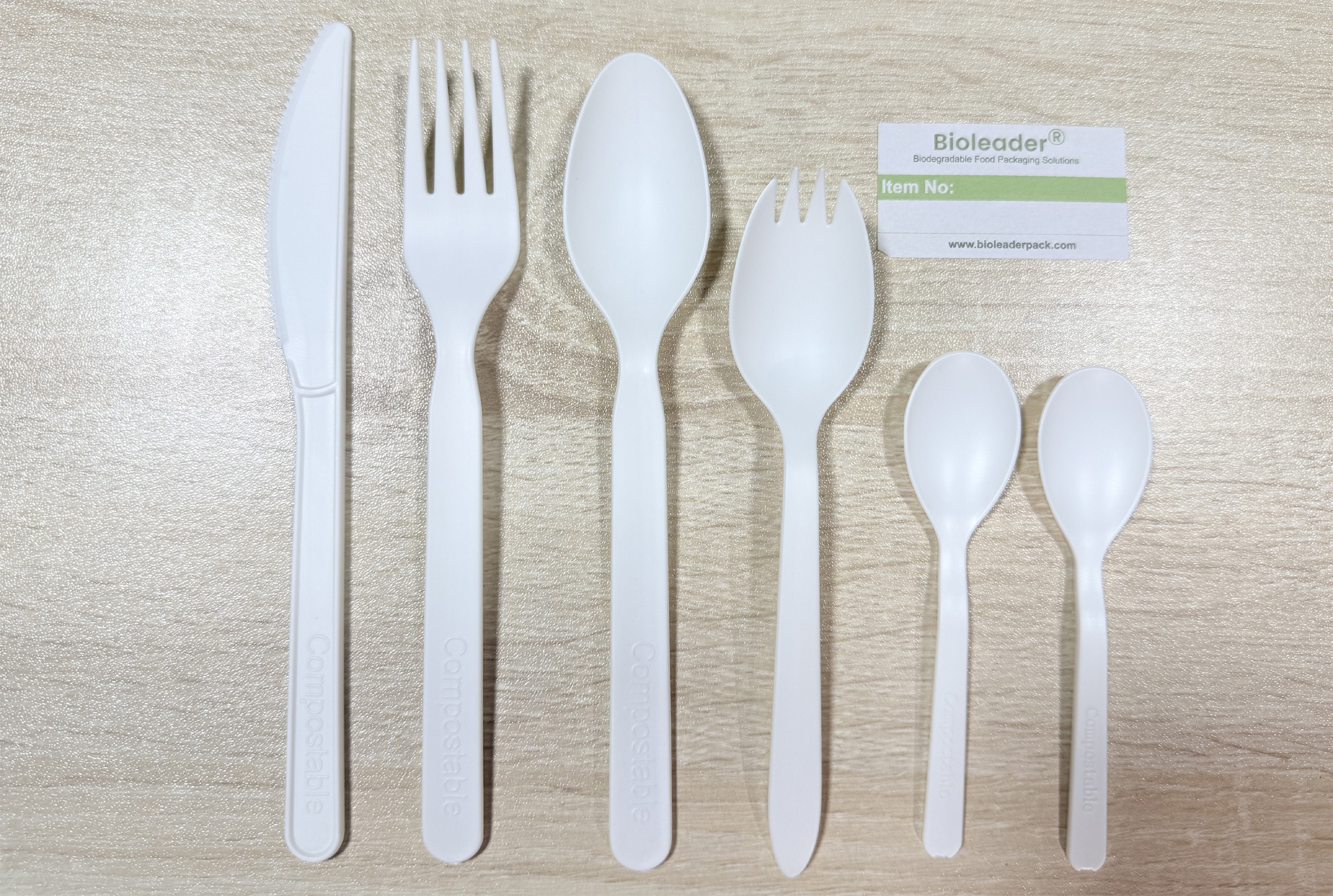
Quick Summary: Bioleader is at the forefront of the biodegradable cutlery market, using high-performance materials
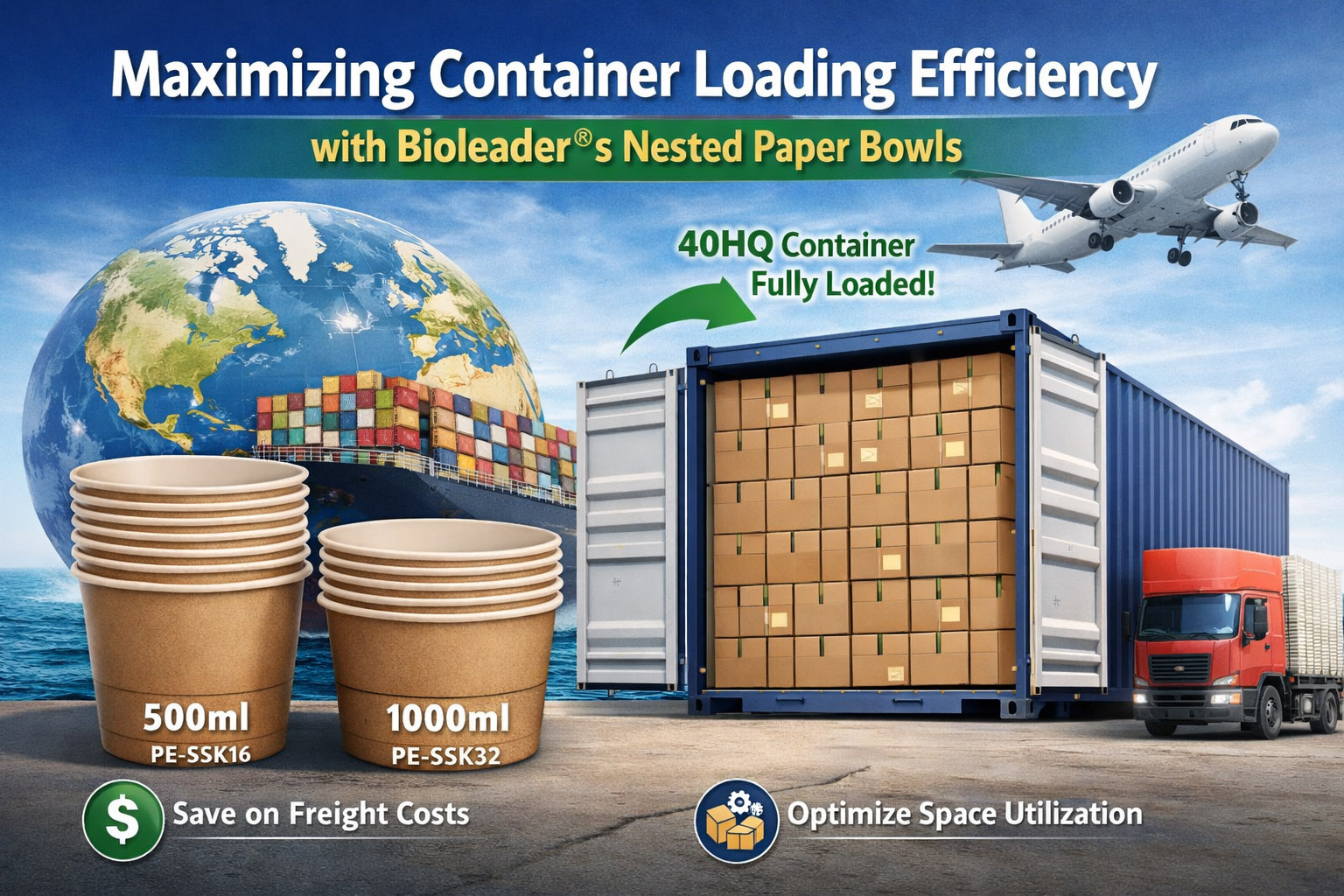
Quick Summary: This article explains how Bioleader®’s nested bowl design optimizes container loading, maximizing space
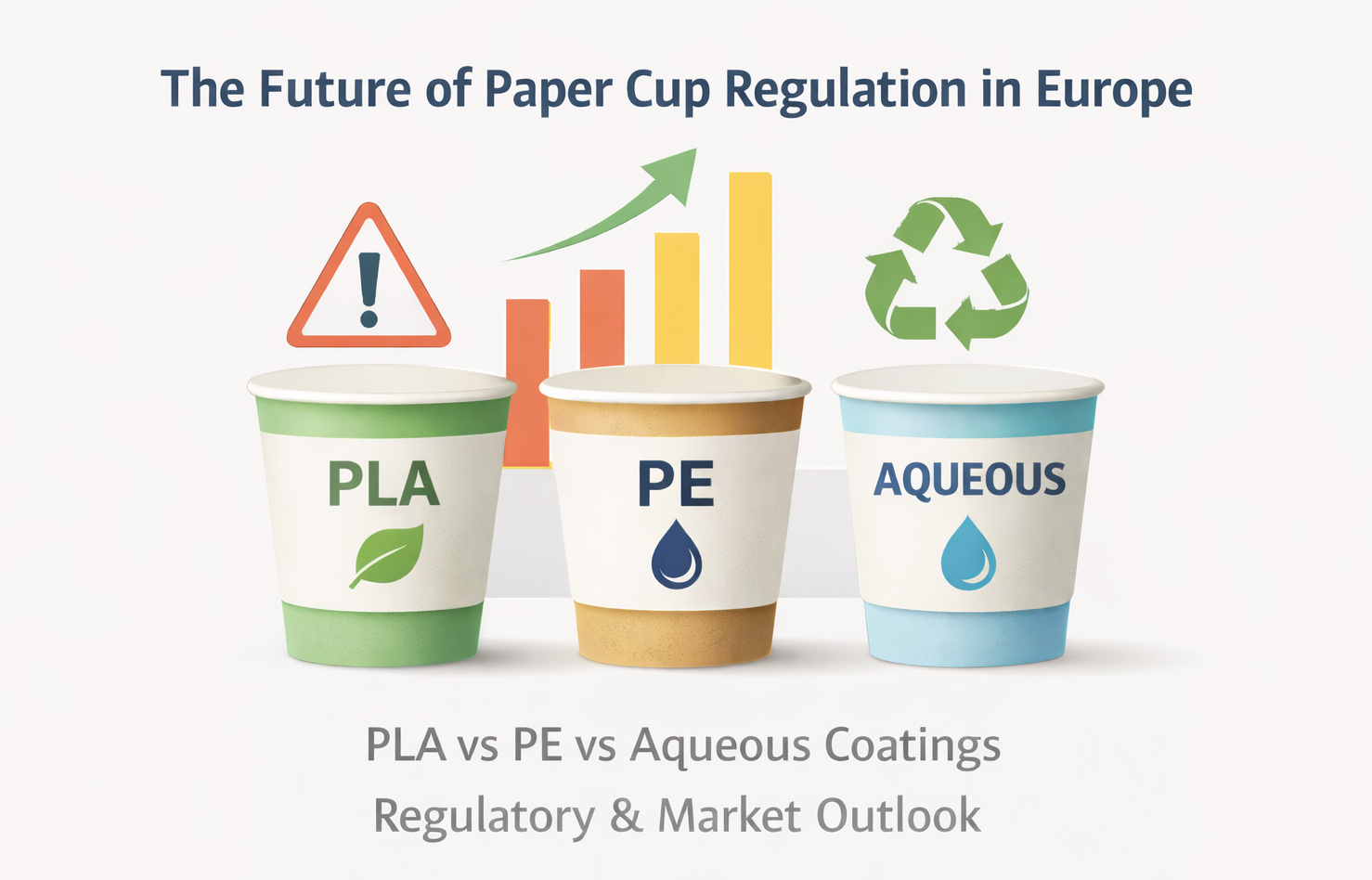
Has Europe Banned PLA-Coated Paper Cups? What Are the Alternatives? (Bioleader® Research Brief) Quick Summary:

Quick Summary: The 2026 biodegradable packaging market is defined by a shift toward high-performance, policy-compliant
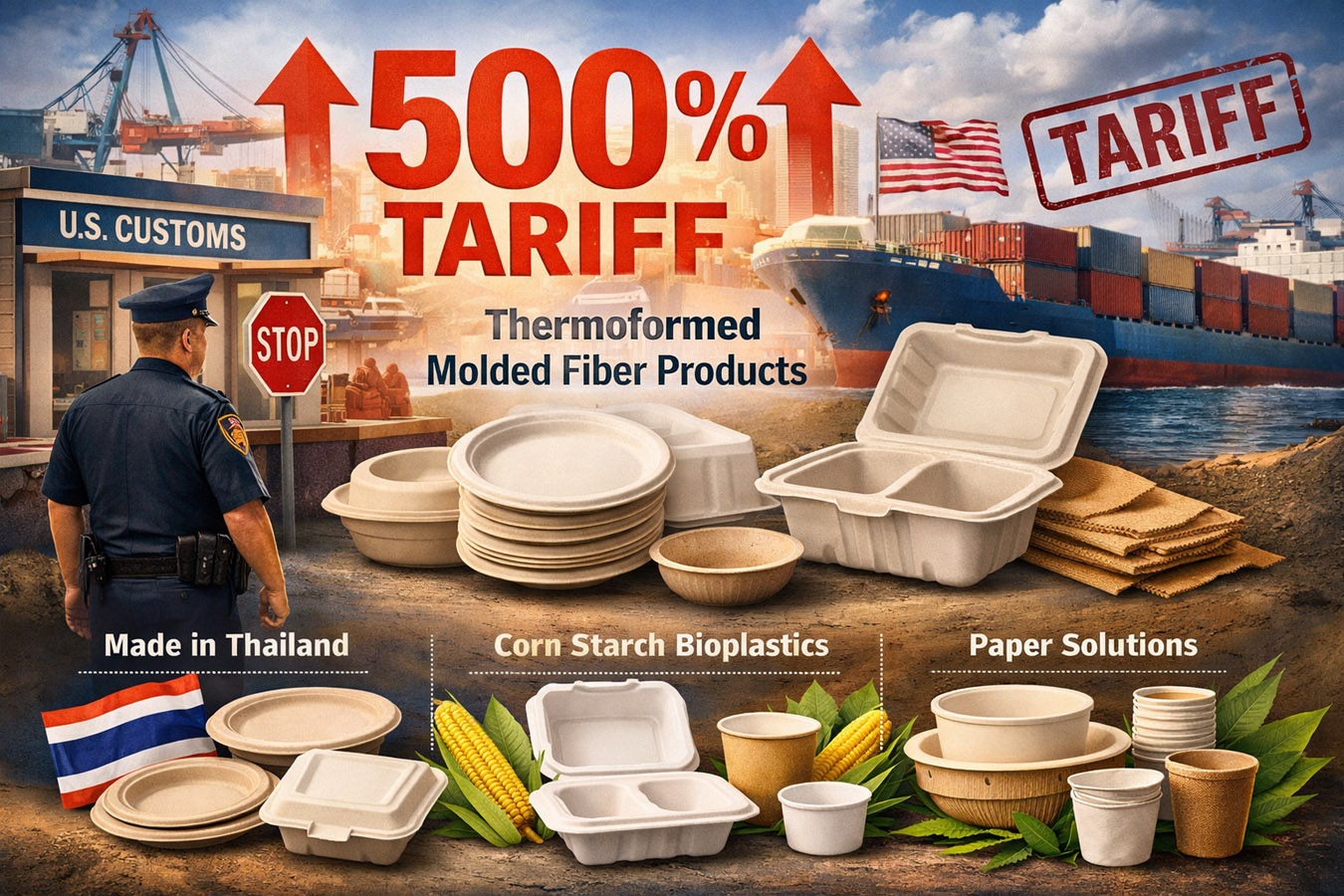
Quick Summary: Challenge: In January 2026, the USITC finalized a 500% tariff ruling on Chinese
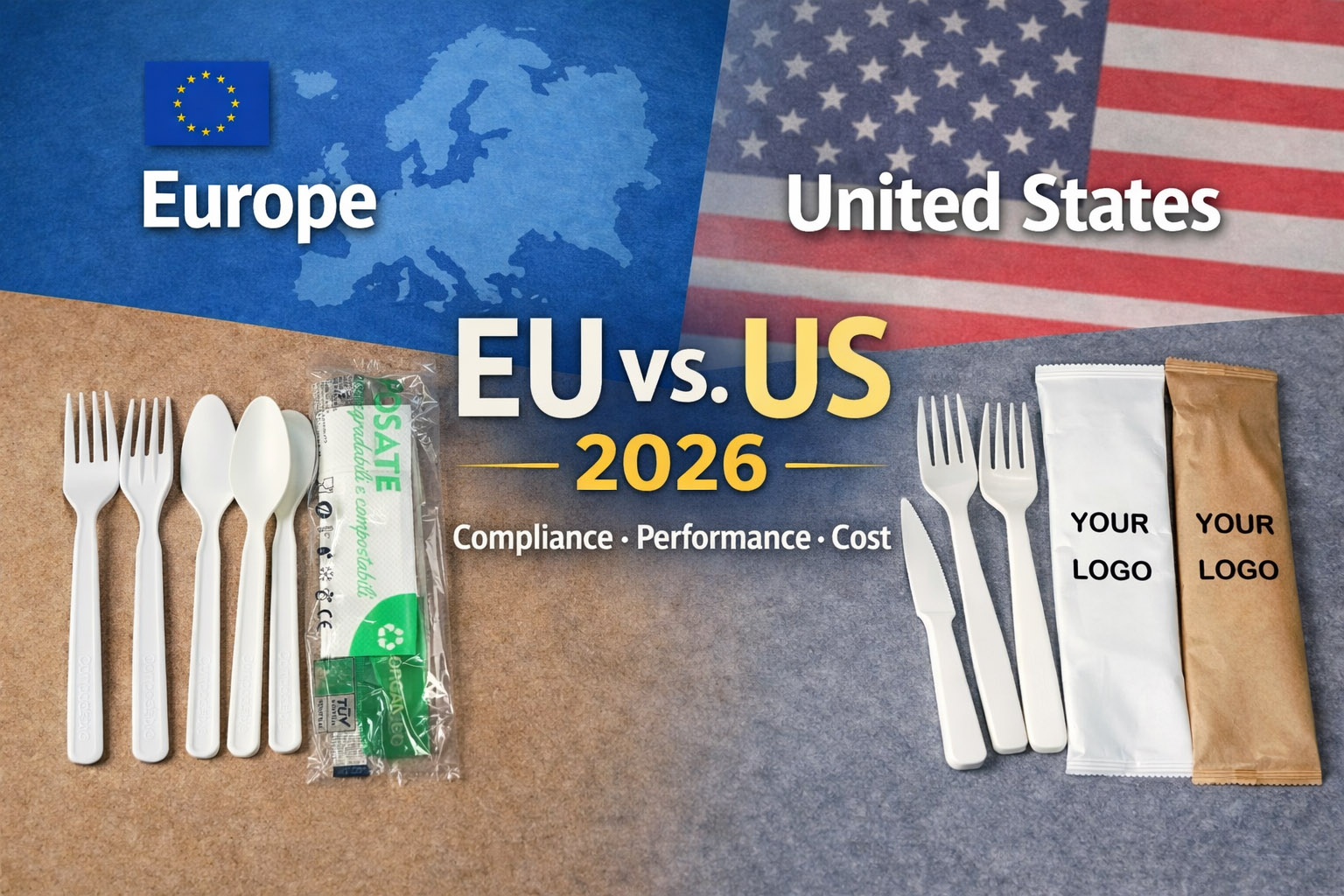
When global buyers talk about “disposable cutlery,” they often assume the product can be standardized
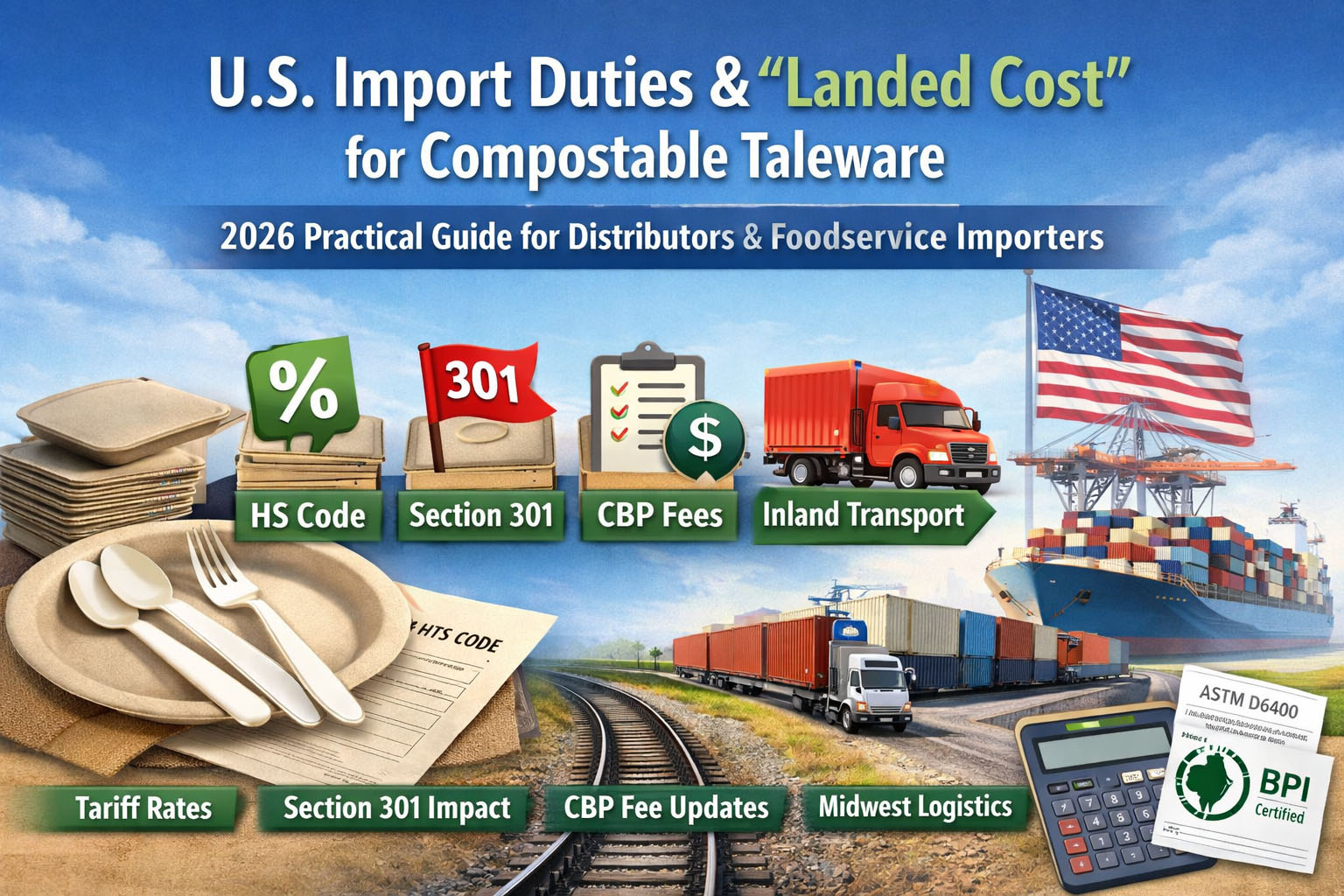
When U.S. buyers source compostable tableware from overseas—such as molded fiber or CPLA product lines
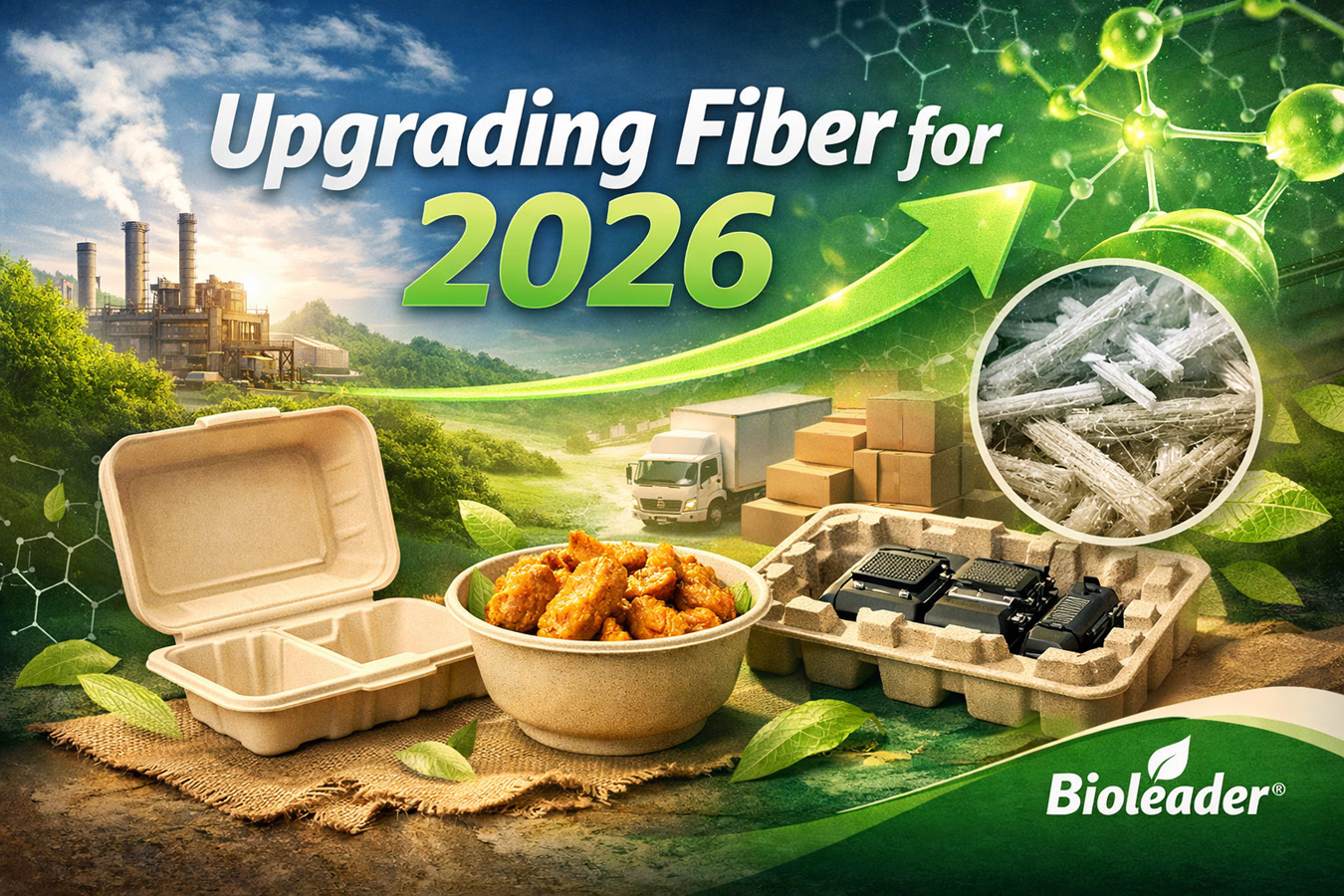
The molded fiber packaging sector is entering a new phase. It’s no longer just about
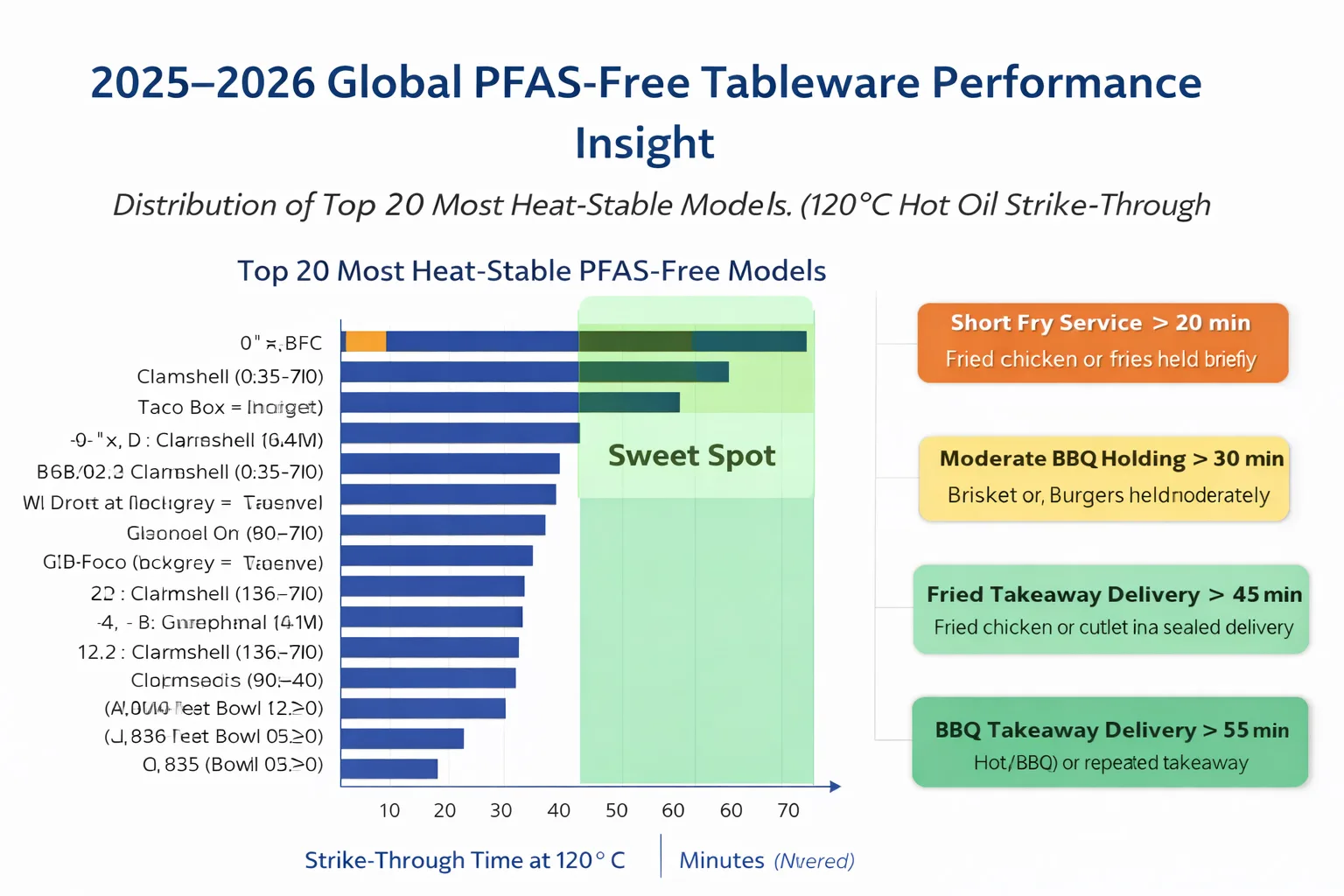
Issued by: Bioleader® (Xiamen Bioleader)Document Type: Performance Benchmark + Buyer Selection FrameworkVersion: v2.0 (2025–2026 Edition)
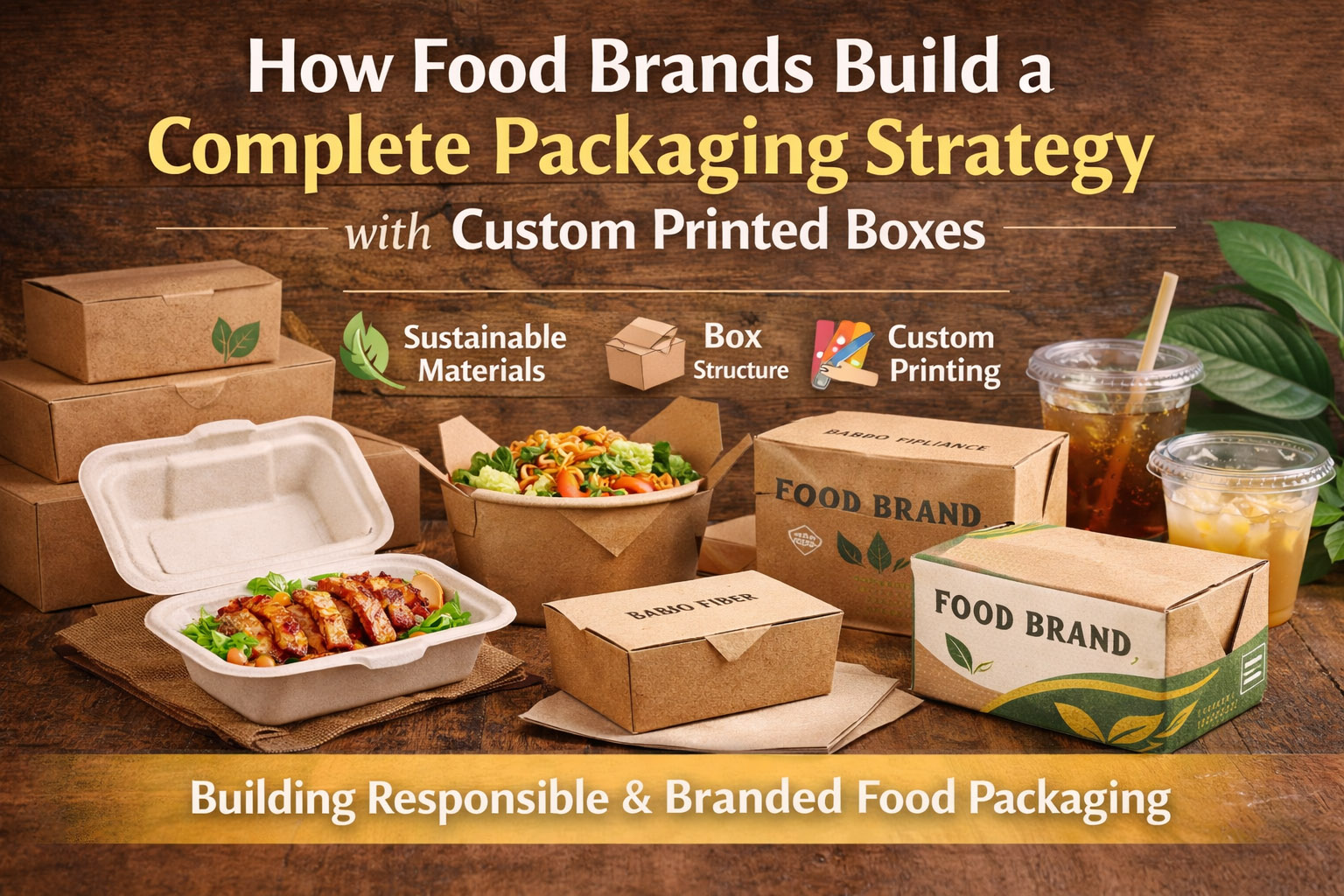
Food packaging is no longer just a protective shell. For modern food brands, it has
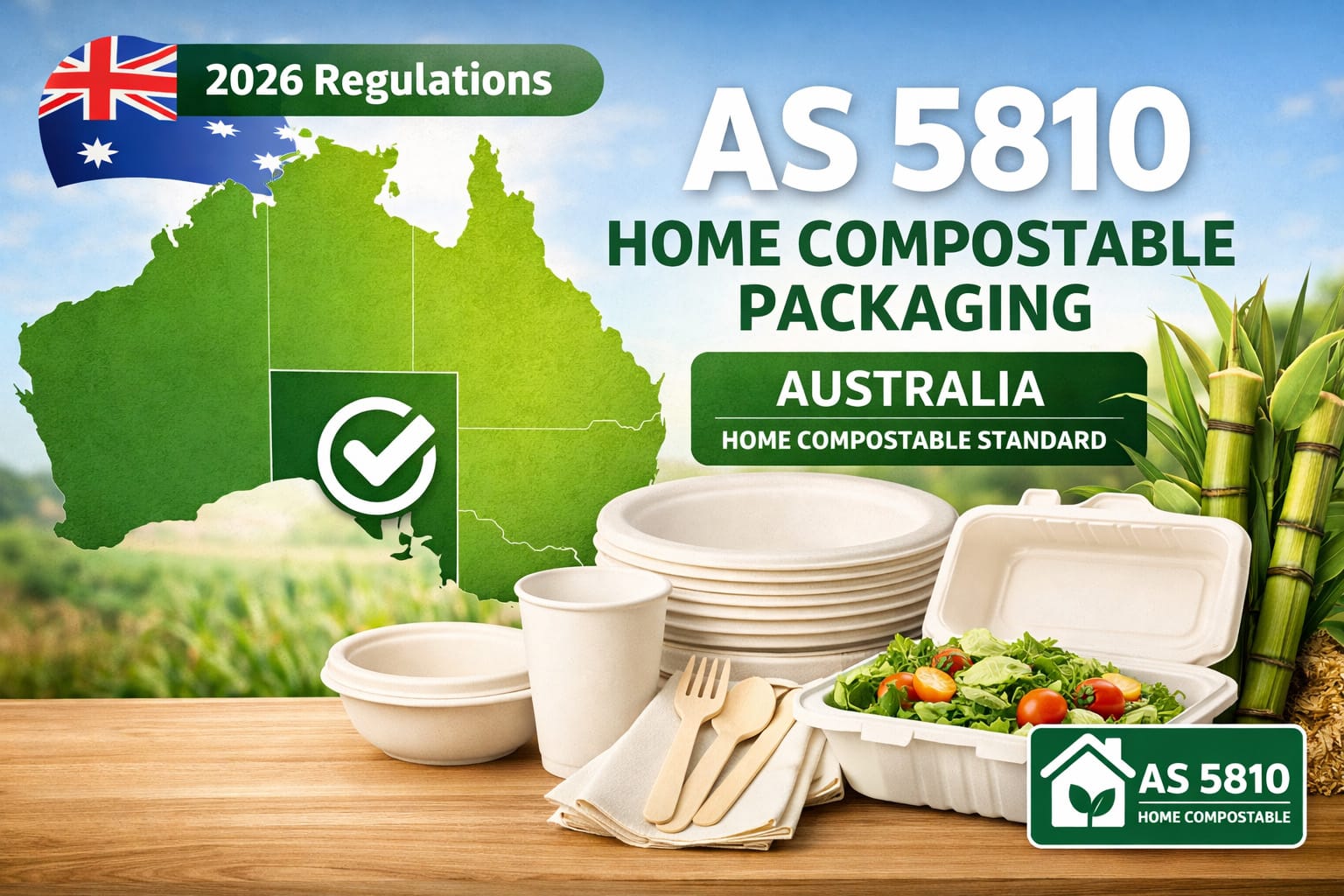
Quick Summary: From 2026, South Australia is raising the compliance threshold for compostable foodservice packaging.
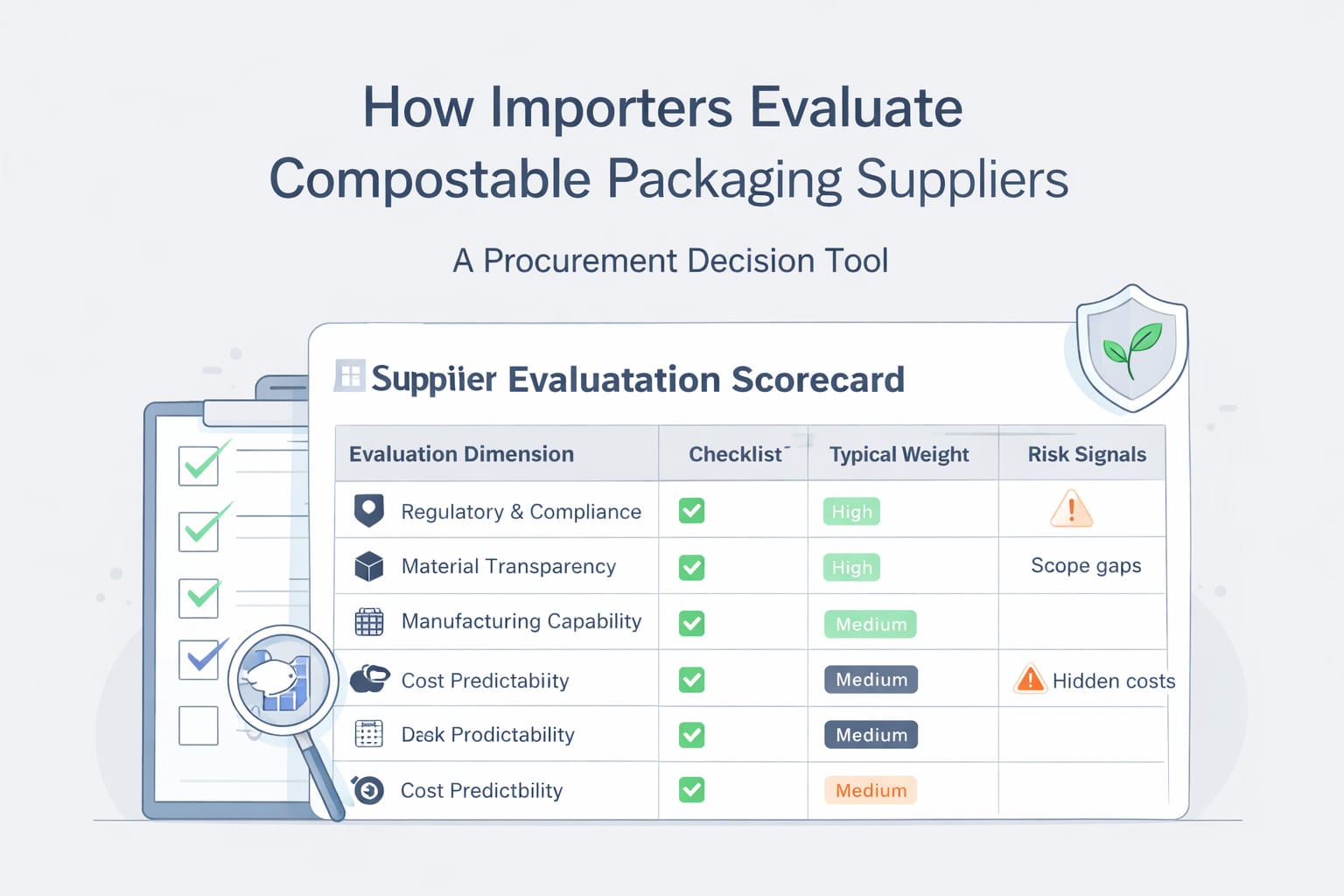
Executive Summary As compostable packaging moves from a niche alternative to a regulated necessity, importers
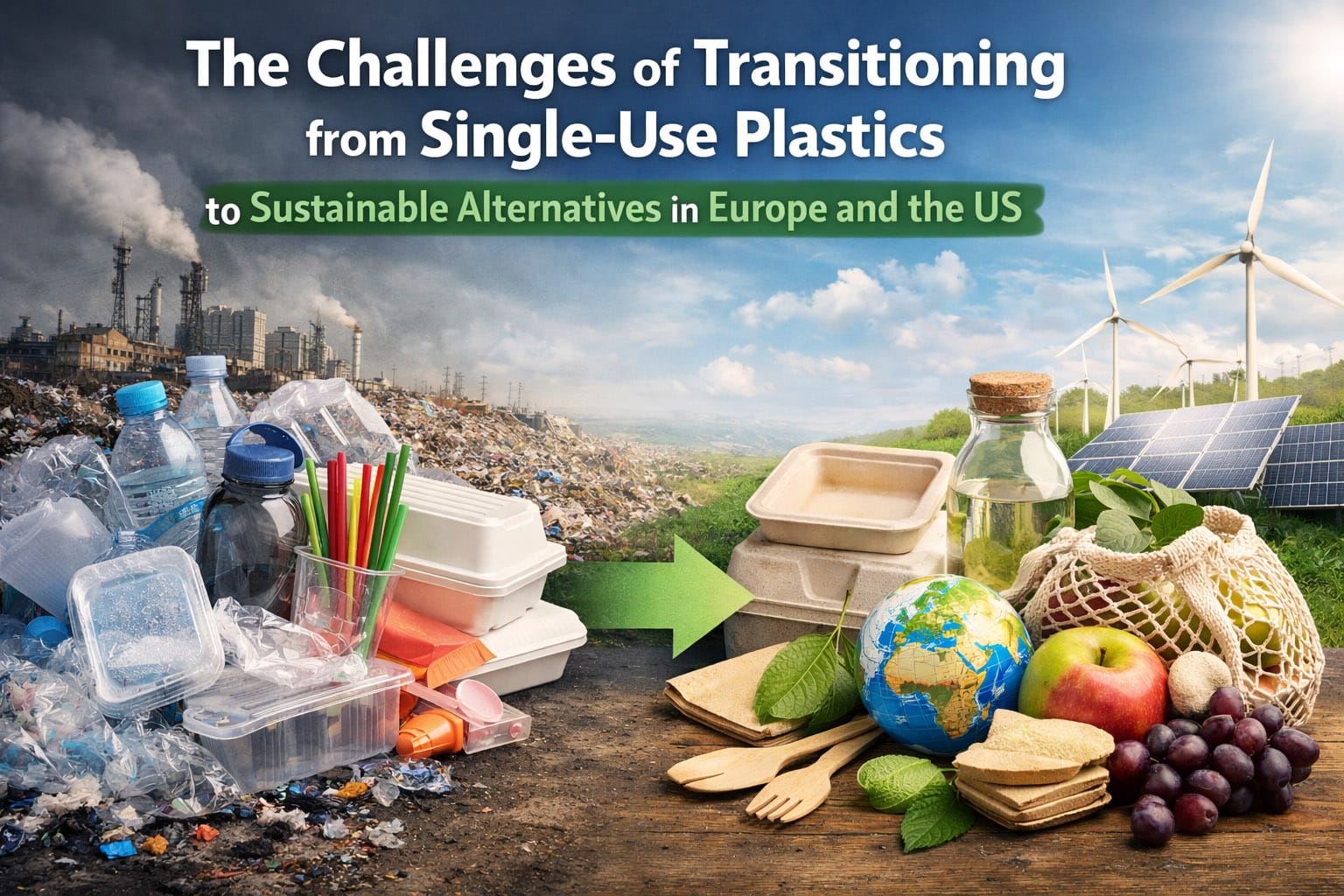
Quick Summary: Transitioning from single-use plastics to sustainable alternatives in Europe and the US faces
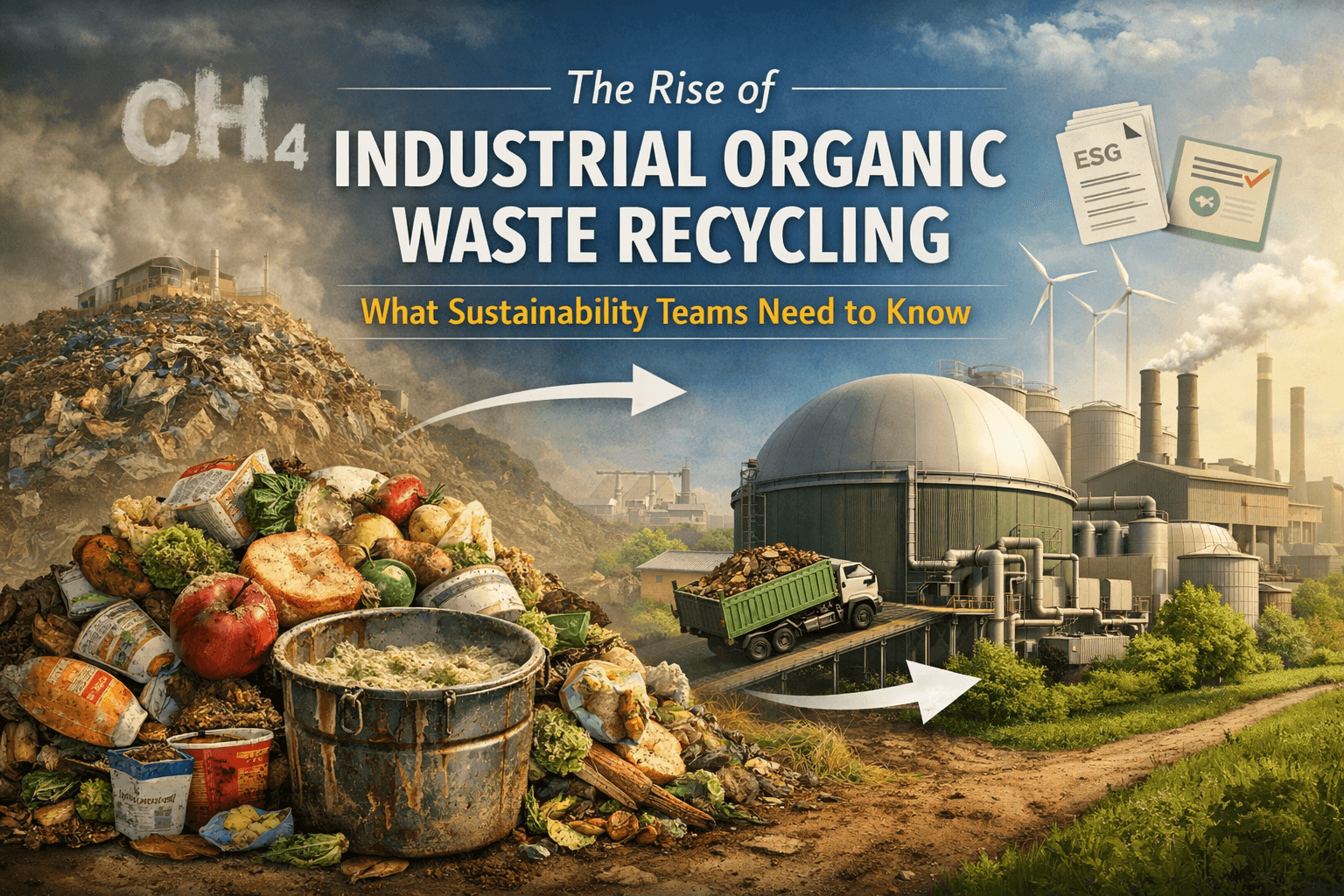
Landfill disposal keeps getting more expensive, and it is getting harder to justify in sustainability
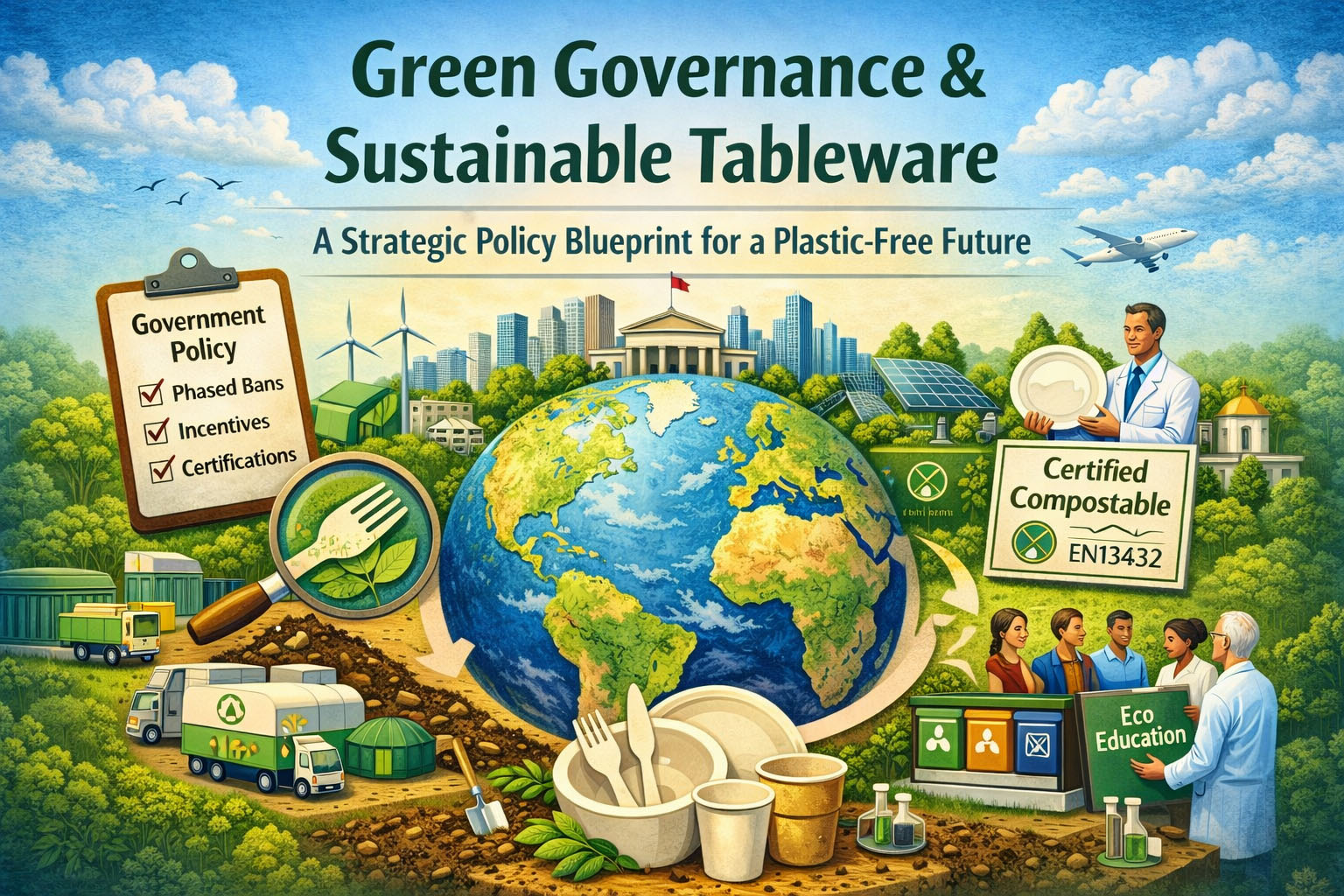
Quick Summary: Green Governance & Sustainable Tableware is a strategic blueprint aimed at eliminating plastic
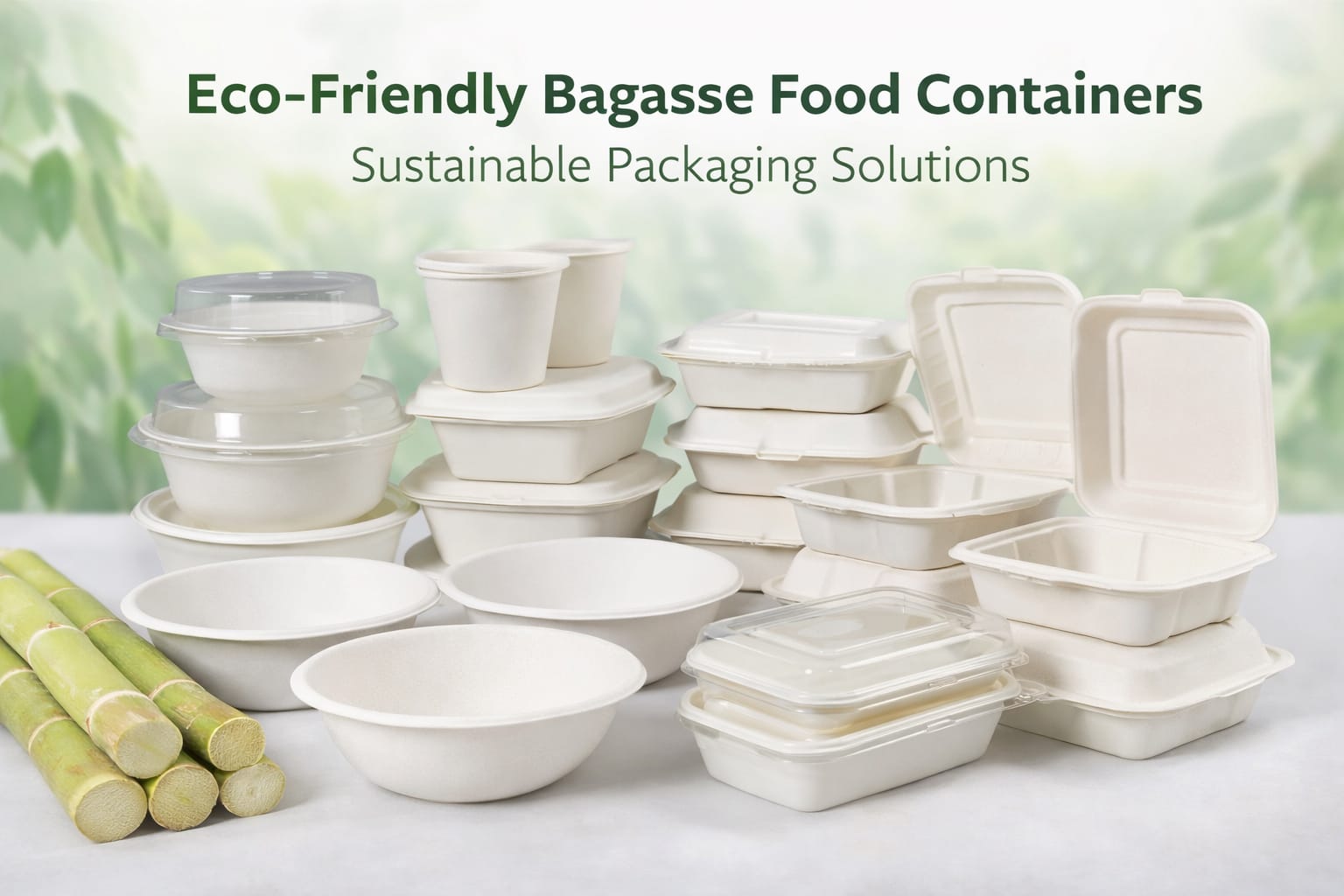
1. In-Depth Analysis of Bagasse Material Science Definition and Source Quick Summary: Bagasse, a biodegradable