Highlights from featured articles under this tag:


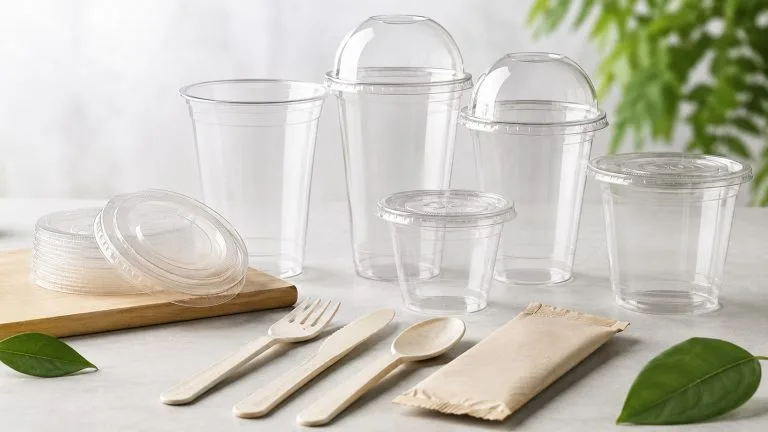
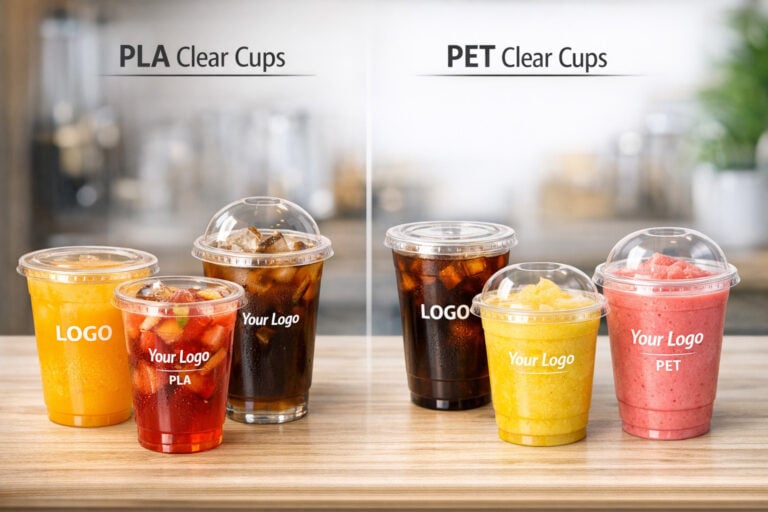
For cold drinks that require a clear cup, PLA can be a practical option when the product is correctly stored and an appropriate industrial-composting pathway exists. When transparency is not required, paper cups with a suitable barrier structure may also work, but buyers should verify liquid-hold performance, coating structure, lid fit, and the intended disposal route.
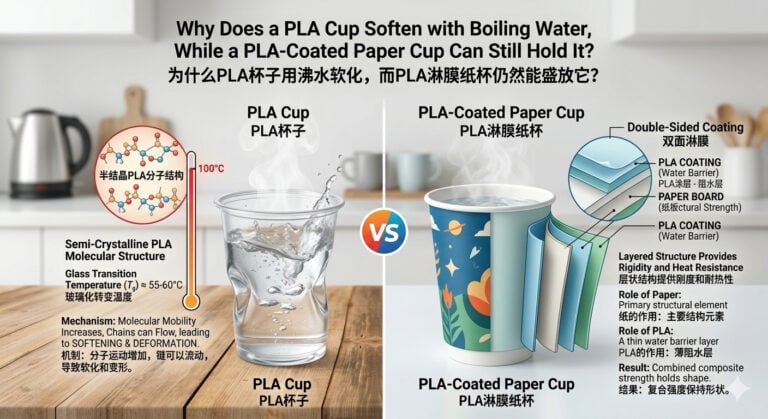
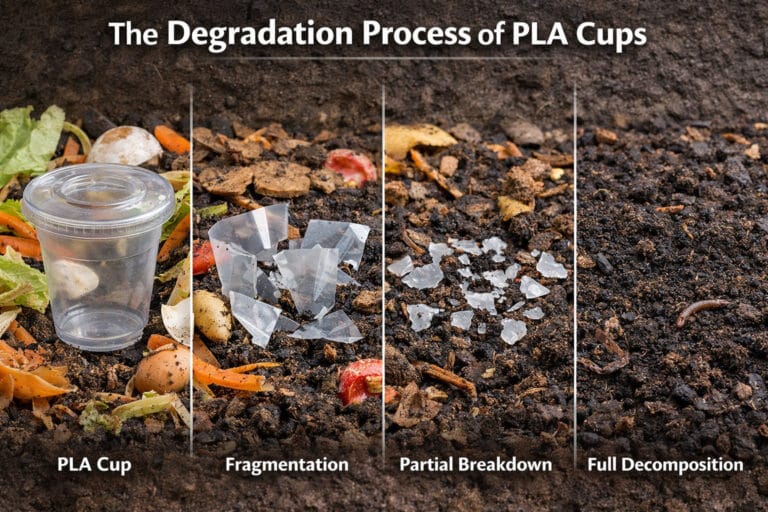
Many PLA cups are designed for compostable applications under suitable industrial composting conditions, but compostability does not mean the cup is automatically suitable for boiling water or high-temperature hot-fill use.
HS heading 3924 and the 3924.10 plastic tableware and kitchenware logic are commonly used as a reference for plastic foodservice articles. However, the final HS code for PLA cups, PLA lids, CPLA cutlery or cornstarch tableware must be confirmed locally because classification may vary by country and product structure.
In many import discussions, PLA cups are reviewed as plastic-based foodservice articles because their form and use are similar to disposable plastic cups. Even though PLA is plant-based and compostable under suitable conditions, the final customs classification must be confirmed by the local importer or customs broker.
For hot coffee or tea, coated paper cups and suitable fiber-based cups are common options to evaluate. The final choice should be based on the actual filling temperature, holding time, barrier performance, cup-wall construction, and lid compatibility rather than the material label alone.
Join the global movement toward zero-waste packaging.
Bioleader® offers:
📦 Bulk order support & fast delivery
✍️ Custom branding and OEM solutions
🌍 Worldwide eco-packaging compliance
Get the Catalogue Products List & Contact Us Now! 👉