









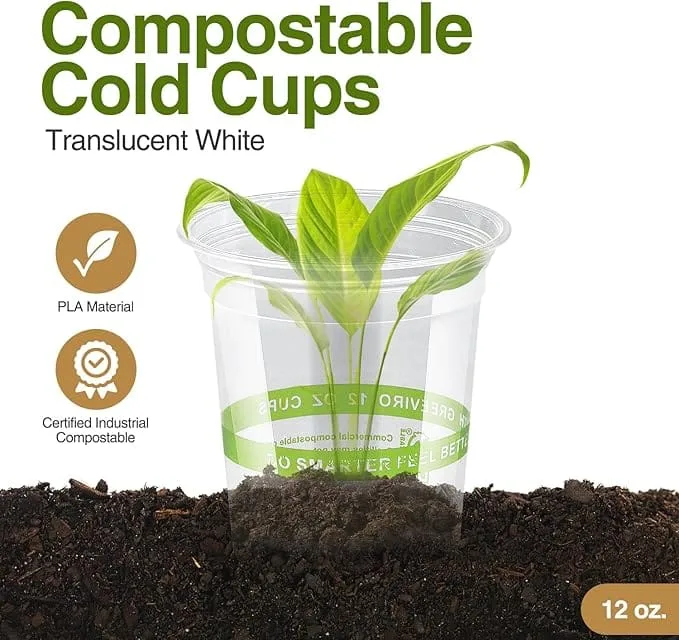
In the fast-changing world of sustainable packaging, one material has captured global attention — PLA, or polylactic acid. Derived from renewable resources like corn starch or sugarcane, PLA cups have become a mainstream choice for beverage brands, coffee shops, and takeout businesses striving to replace petroleum-based plastics. Yet, despite its eco-friendly appeal, many users misunderstand its limitations — particularly in terms of heat resistance and proper storage. This article dives deep into how PLA cups work, why they are ideal for cold drinks, and what businesses need to know to store, handle, and use them effectively.
1. The Rise of PLA Cups in Sustainable Packaging
As governments worldwide tighten regulations on single-use plastics, businesses are under pressure to switch to biodegradable or compostable materials. PLA, short for polylactic acid, stands out because it bridges two essential needs: renewable origin and industrial compostability. Unlike petroleum plastics, which take centuries to break down, PLA can decompose under specific composting conditions within months.
From cafes and juice bars to global restaurant chains, PLA cups have become synonymous with eco-conscious branding. Their crystal-clear transparency resembles PET plastic, giving businesses an elegant, premium presentation while signaling sustainability. Consumers recognize the green leaf logo or “compostable” label as a badge of environmental responsibility — an increasingly valuable marketing signal in 2025’s competitive foodservice industry.
2. The Science Behind PLA: What Makes It Compostable Yet Heat-Sensitive
PLA is a bioplastic derived from fermenting plant sugars into lactic acid, which is then polymerized into polylactic acid. This process creates a thermoplastic polyester with similar rigidity to conventional plastic but a much lower glass transition temperature — typically around 55–60°C (131–140°F). That scientific detail matters: it means PLA begins to soften and deform at temperatures above 50°C.
While this low heat tolerance limits PLA’s use for hot drinks, it’s also what allows it to compost effectively. The same molecular structure that weakens under heat also breaks down more easily in industrial composting environments — usually at 58°C with sufficient humidity and microbial activity. In other words, what makes PLA less durable under heat also makes it environmentally responsible at end-of-life.
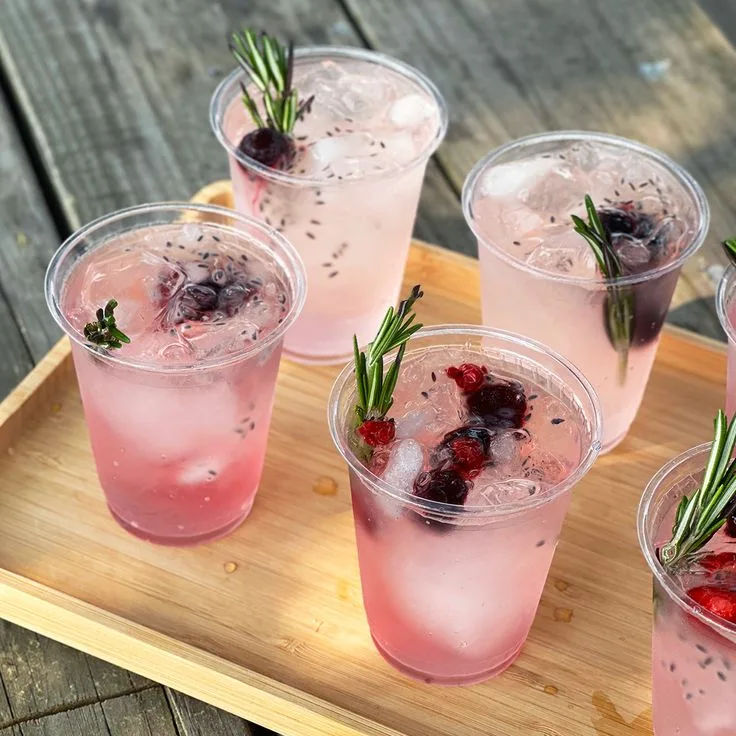
To visualize it simply:
- PLA Cup: Glass transition temperature ≈ 55°C → suitable for cold drinks.
- CPLA Cup (Crystallized PLA): Modified to resist up to 90°C → suitable for hot drinks.
- Bagasse or Paper Cup: Naturally heat-resistant → best for soups and hot coffee.
PLA’s heat sensitivity is a design feature, not a flaw — a trade-off between sustainability and performance. Businesses that understand this chemistry can position their products correctly and avoid misuse that leads to customer complaints or product deformation.
3. Common Misunderstandings About Heat Resistance
One of the biggest misconceptions in the eco-packaging market is that “biodegradable means all-purpose.” In reality, materials like PLA are optimized for specific temperature ranges and applications. When a PLA cup is mistakenly used for hot beverages such as lattes or tea, the results can include warping, softening, or even leaking — outcomes that damage both brand reputation and customer trust.
Consider a case study: a coffee chain in Southeast Asia attempted to replace its plastic cups with PLA for both hot and cold drinks. Within two weeks, customer feedback revealed issues with deformation and lid detachment on hot beverages exceeding 60°C. The company switched to a hybrid model — PLA cups for iced drinks and CPLA lids for hot beverages — restoring quality while maintaining compostable compliance.
The lesson is simple: know your material’s limits. PLA performs exceptionally well in cold applications but is not engineered for heat. Educating both staff and consumers with clear labeling (“For Cold Drinks Only”) minimizes misperception and improves user satisfaction.
4. Practical Use: Why PLA Cups Excel in Cold Beverage Service
When used correctly, PLA compostable plastic cups deliver multiple advantages over conventional plastic. Their clarity rivals PET, offering a premium visual appeal that enhances the presentation of cold beverages such as smoothies, iced tea, fruit juice, and bubble tea. Many global beverage chains choose PLA not just for sustainability but for aesthetics — consumers see the drink’s color and freshness, making it more appetizing.
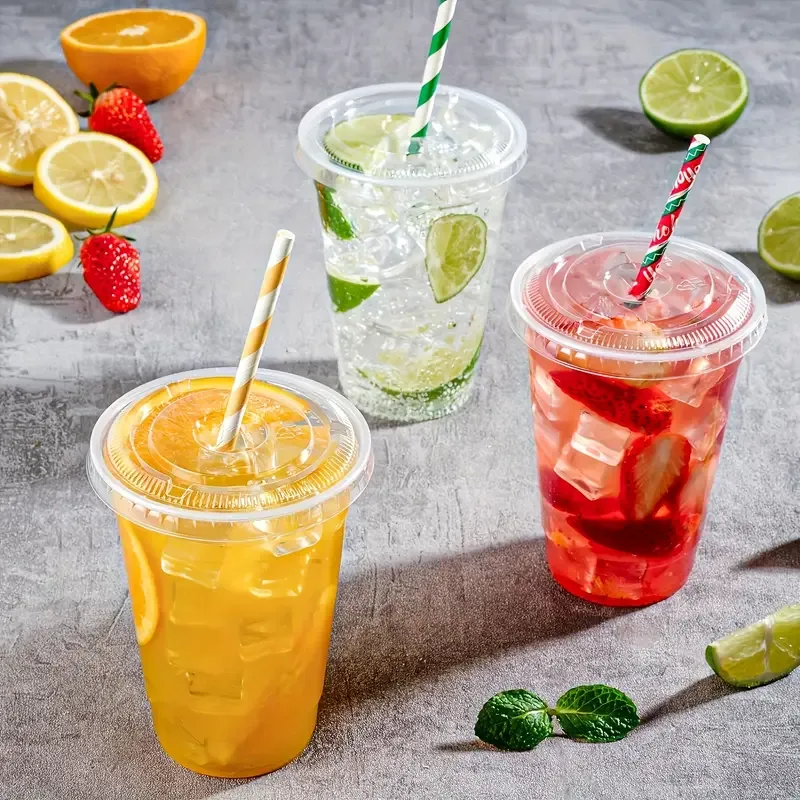
Here are key advantages of PLA cups in cold service:
- Visual transparency: Comparable to PET, with high gloss and crystal clarity.
- Safety: Free from BPA and petroleum-based additives, ensuring food-grade quality.
- Odorless and tasteless: Does not affect beverage flavor.
- Brand-friendly: Supports full-color logo printing, embossing, and custom lid options.
- Versatile sizes: Typically available in 8oz to 24oz, covering juices, milkshakes, iced coffee, and cocktails.
Additionally, PLA cups meet international food contact standards such as FDA (U.S.) and EU 10/2011 regulations. This compliance gives distributors and foodservice brands confidence when exporting to North America, Europe, or Asia-Pacific markets. Businesses can therefore market their beverages as both “eco-friendly” and “safe for consumption.”
5. Packaging & Storage: Keeping PLA Cups in Perfect Condition
Because PLA is biodegradable, its storage and packaging require care. The same environmental sensitivity that makes it compostable also means it can react to temperature, humidity, and pressure during transit or storage.
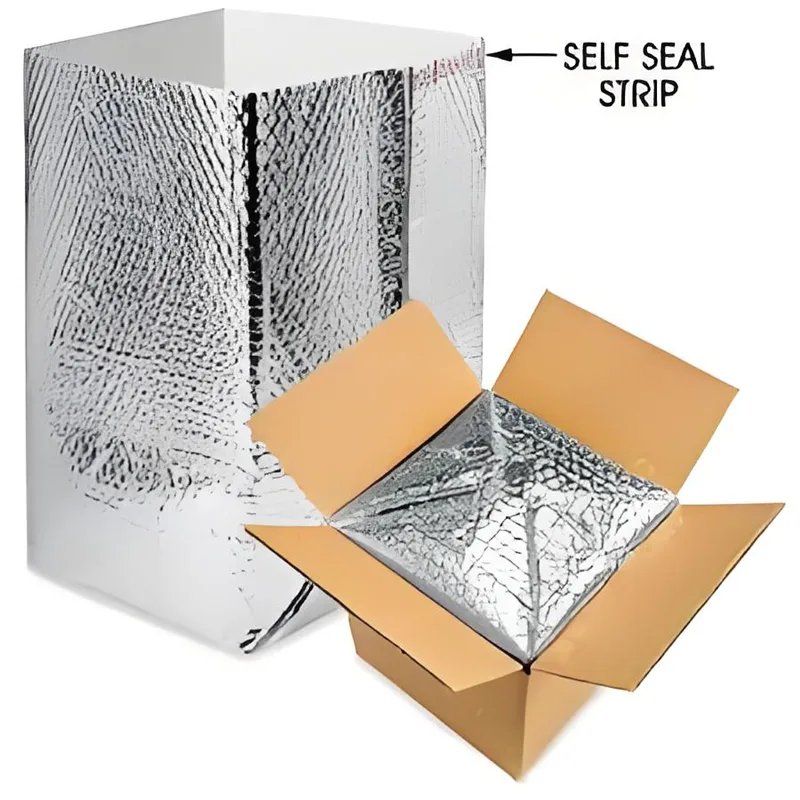
Recommended storage conditions:
- Keep in a cool, dry place below 40°C (104°F).
- Avoid direct sunlight or heat sources such as ovens or boilers.
- Ensure relative humidity below 60% to prevent moisture absorption.
- Store in original cartons until use; reseal opened boxes with protective wrap.
- First in, first out (FIFO): use older stock before new shipments to maintain cup integrity.
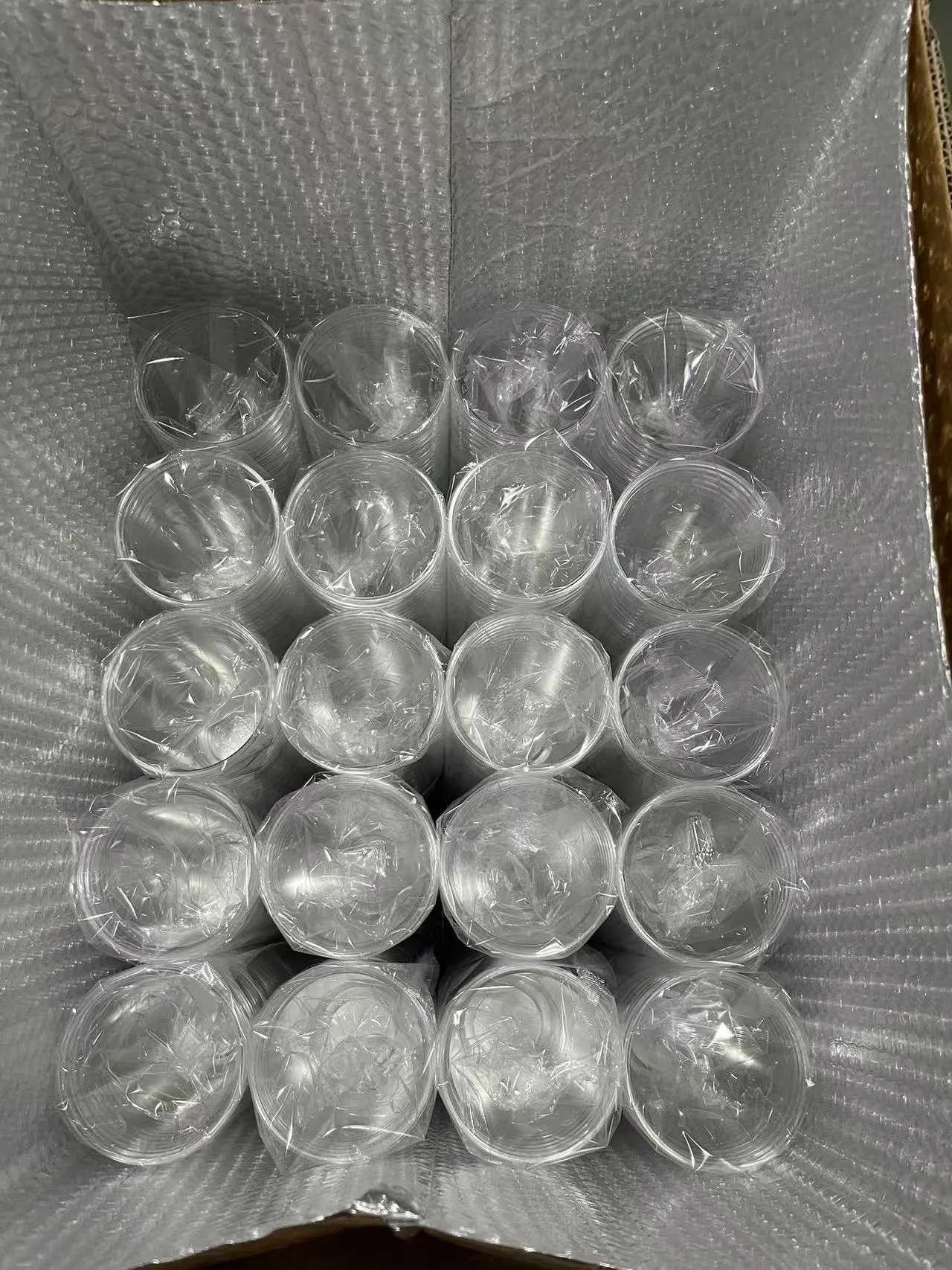
Packaging design for logistics:
- Use double-walled corrugated cartons with inner moisture barrier film.
- Limit stacking height to reduce compression during transportation.
- Label outer cartons with “PLA – Cold Use Only” and “Store Below 40°C”.
PLA cups have a shelf life of around 12 months under ideal conditions. Exposure to prolonged heat or sunlight can accelerate degradation, leading to yellowing or brittleness. Proper warehouse management ensures that the cups maintain their appearance and performance until final delivery to retailers or cafés.
6. Business Tips: Selecting the Right Cup for the Right Purpose
For procurement teams, the key question is not just “Is it compostable?” but “Is it suitable for my use case?” Below is a quick decision guide for beverage packaging:
| Beverage Type | Recommended Cup Material | Temperature Range | Notes |
|---|---|---|---|
| Iced coffee / smoothie / juice | PLA Cup | 0–45°C | Crystal-clear and compostable. |
| Hot coffee / tea | CPLA Lid + Paper Cup | 60–90°C | Heat-resistant, safe for takeaway. |
| Soups / broths | Bagasse Bowl or Paper Soup Container | 60–100°C | Durable and microwave-safe. |
| Ice cream / desserts | PLA or Bagasse Cup | -10–30°C | Sturdy for cold desserts. |
Businesses should work closely with certified manufacturers who understand both material science and regulatory compliance. Leading suppliers such as Bioleader® specialize in PLA, CPLA, and bagasse products, offering OEM customization with compostable certifications like BPI (U.S.) and EN13432 (EU). This guarantees that your packaging not only looks good but aligns with future-proof environmental standards.
7. Sustainability & End-of-Life: Composting Done Right
PLA cups are compostable — but only under industrial composting conditions, where temperature, moisture, and microbial activity are controlled. When processed correctly, they break down into water, carbon dioxide, and biomass within about 90 days. However, in a home compost or landfill environment, the degradation process slows significantly because temperatures rarely exceed 50°C.
To ensure responsible end-of-life management, businesses can adopt several practices:
- Labeling clarity: Print “Industrial Composting Only” or include QR codes linking to disposal instructions.
- Partner with composting facilities: Work with local waste management partners to collect and process compostable packaging.
- Employee and customer education: Train staff and inform customers through signage or digital campaigns.
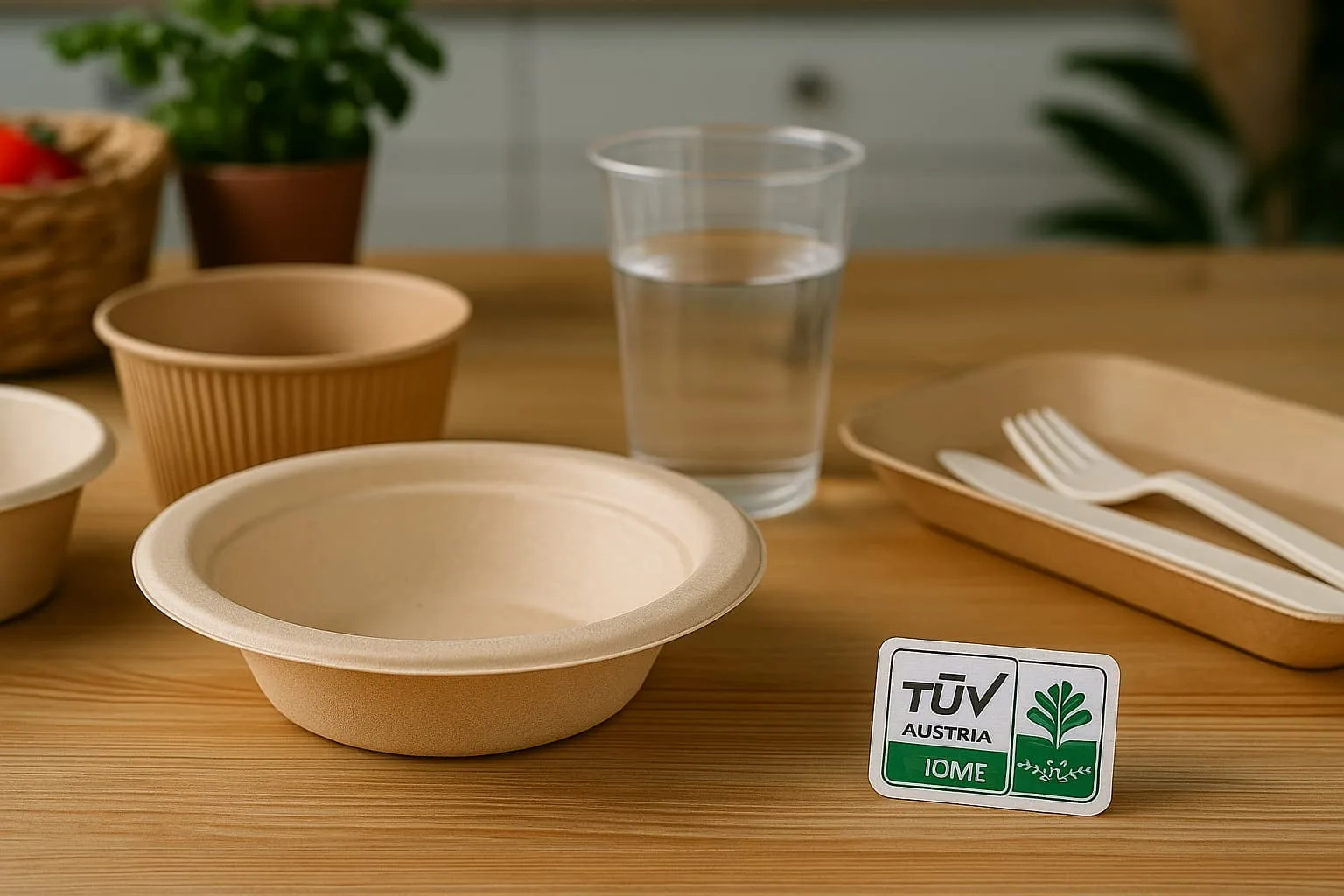
- Compliance: Align with international standards such as ASTM D6400 (U.S.), EN13432 (Europe), and GB/T 41010 (China).
These actions not only prevent contamination of recycling streams but also reinforce your company’s environmental credibility. In many regions — including the EU under the upcoming PPWR — clear communication about compostability will become a legal requirement by 2026.
8. Conclusion: Know Your Material — PLA Works Best When Used Right
PLA is not the solution for every beverage, but when applied correctly, it offers a sustainable balance between functionality and eco-performance. It delivers clarity, compostability, and brand appeal — provided users understand its temperature and storage limits. Businesses that align material selection with use cases will not only meet sustainability goals but also ensure consistent product quality and consumer satisfaction.
In short, PLA cups are the ideal solution for cold drinks in a planet-conscious market. With proper handling, labeling, and composting partnerships, they can help brands reduce plastic waste without compromising design or usability. For global buyers and cafés seeking reliable supply, partnering with certified PLA cup manufacturers ensures both compliance and competitive advantage in the transition to a circular packaging economy.
FAQ: Common Questions About PLA Cups
1. Can PLA cups hold hot coffee or tea?
No. PLA cups are designed for cold beverages only. Exposure to liquids above 55°C can cause deformation or softening. For hot drinks, use CPLA or paper cups with bioplastic linings.
2. Are PLA cups microwave-safe?
No. PLA cups should not be microwaved or filled with boiling liquids. High heat can damage their structure and release lactic odor.
3. How long can I store PLA cups?
Under proper storage (below 40°C, dry conditions), PLA cups can last 12 months. Avoid humidity and sunlight to prevent brittleness or yellowing.
4. Are PLA cups truly biodegradable?
Yes, but under industrial composting conditions. PLA needs temperatures above 58°C and controlled humidity to fully decompose within 90 days. It won’t biodegrade quickly in landfills or home compost.
5. What’s the difference between PLA and CPLA?
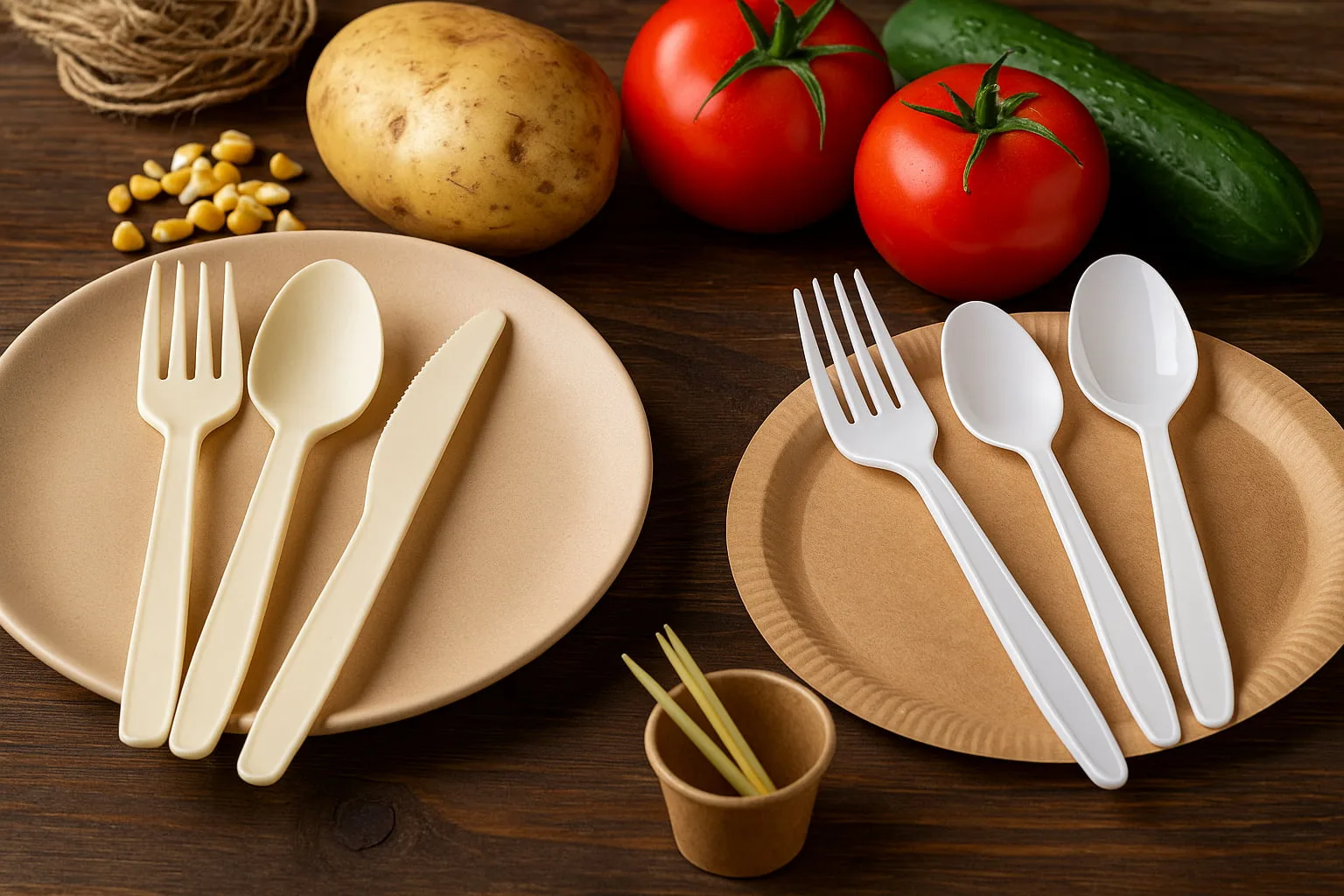
PLA is standard polylactic acid used for cold drinks. CPLA is crystallized PLA, modified for heat resistance up to 90°C, ideal for hot beverage lids or utensils.
Semantic Closed-Loop Insight: How, Why, and What Businesses Should Know About PLA Cups
How do PLA cups contribute to a circular economy? They enable a closed-loop system when collected and composted correctly, transforming renewable plant-based materials into nutrient-rich biomass that supports new agricultural growth.
Why should businesses care about heat resistance? Because material misuse leads to customer dissatisfaction and brand damage. Understanding that PLA performs best below 50°C ensures businesses deliver consistent, reliable service while staying sustainable.
What are the real operational considerations? PLA demands controlled logistics — cool storage, limited shelf life, and clear labeling. Companies integrating these practices enhance their supply chain resilience and sustainability compliance.
Options for diversified applications include mixing materials strategically: PLA for cold drinks, CPLA for lids and cutlery, and bagasse or kraft paper for hot food. This hybrid strategy ensures full menu coverage without environmental compromise.
Considerations for 2025–2030 include regulatory shifts like EU PPWR and EPR laws mandating digital labeling and compostable certification. Forward-thinking suppliers such as Bioleader® already design PLA products that meet EN13432 and ASTM D6400, helping global buyers future-proof their packaging portfolio.
Ultimately, PLA cups are a symbol of transition — from fossil-based convenience to renewable responsibility. They remind us that true sustainability is not about one perfect material but about using each material intelligently within its strengths. For businesses embracing this mindset, PLA cups are not just containers, but catalysts for a smarter, cleaner, and more circular foodservice future.
References
- European Bioplastics. “Environmental Benefits and Material Properties of PLA (Polylactic Acid).” European Bioplastics Association, 2024.
- U.S. Department of Agriculture (USDA). “Biobased Plastics and Their Applications in Food Packaging.” Office of Sustainable Materials, 2023.
- ASTM International. “ASTM D6400: Standard Specification for Compostable Plastics.” ASTM Committee D20 on Plastics, Revised 2022.
- European Committee for Standardization (CEN). “EN 13432: Requirements for Packaging Recoverable Through Composting and Biodegradation.” CEN Technical Committee 261, 2020.
- Food and Drug Administration (FDA). “Food Contact Substance Regulations for Biopolymers and PLA.” U.S. FDA Center for Food Safety and Applied Nutrition, 2023.
- Bioplastics Magazine. “Thermal Behavior and Glass Transition Temperature of PLA Compared to Conventional Plastics.” Issue 04/2024.
- NatureWorks LLC. “PLA Technical Data Sheet and Storage Recommendations.” Technical Bulletin Series, 2024.
- European Commission. “Packaging and Packaging Waste Regulation (PPWR) — Transition to Sustainable Materials.” Directorate-General for Environment, 2025.
- Ellen MacArthur Foundation. “The New Plastics Economy: Redesigning the Future of Plastics.” Global Circular Economy Report, 2023.
- Journal of Applied Polymer Science. “Comparative Study of Degradation Kinetics in PLA Under Industrial Composting Conditions.” Vol. 141, No. 12, 2024.