Guide To Industrial Composting PLA: Materials, Standards & Best Practices | Bioleader® Guides
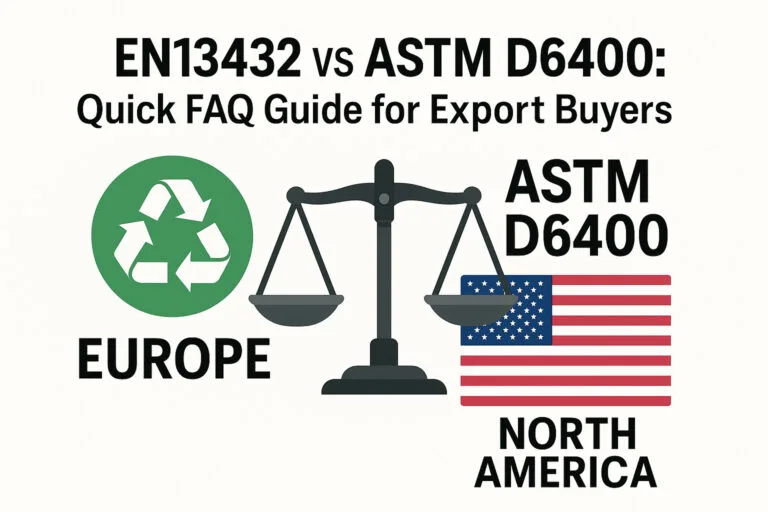
Actionable coverage of industrial composting PLA: eco-friendly, biodegradable, compostable materials, performance data, and compliance under EN13432 & ASTM D6400. Includes BPI/TÜV references and Food-Contact Tested guidance for safe deployment. Buyer-focused: manufacturer insights, bulk/wholesale buying playbooks, OEM/ODM customization tips, full size range selection.
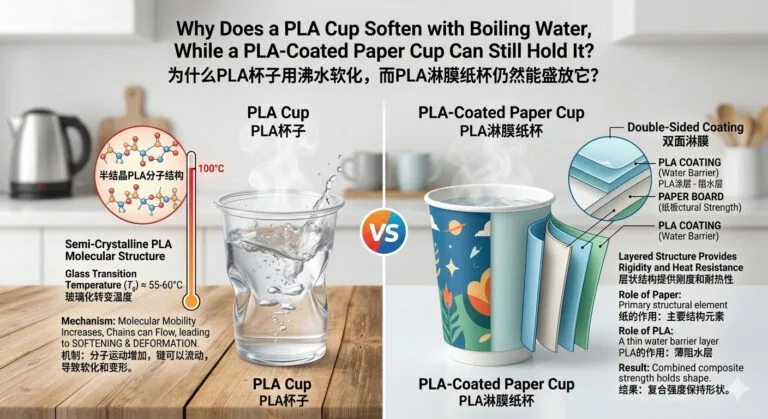
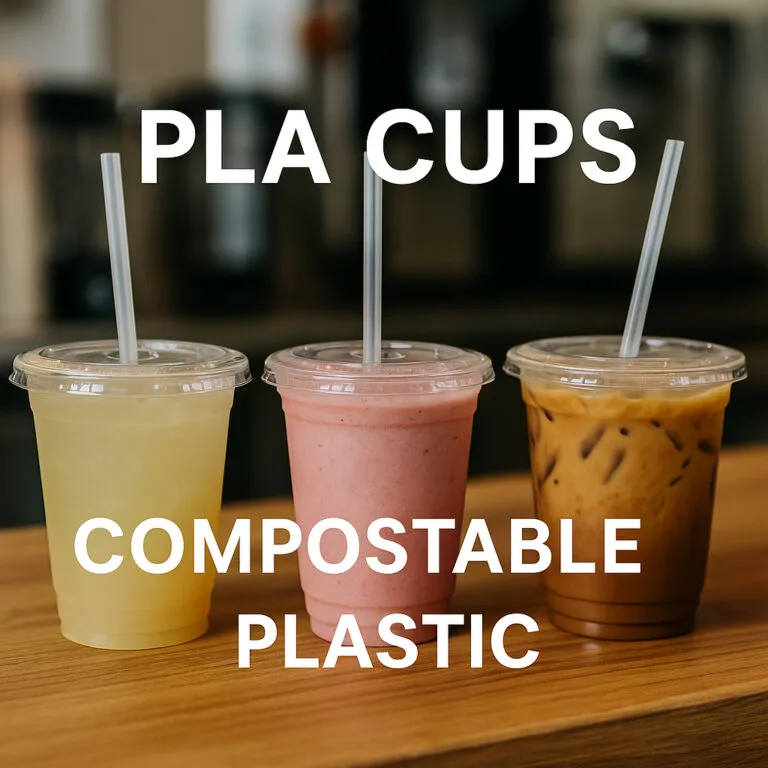
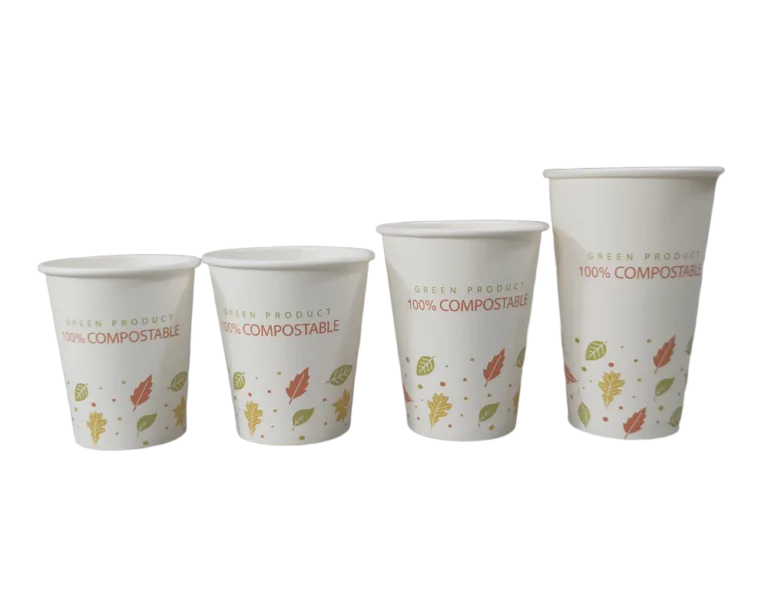
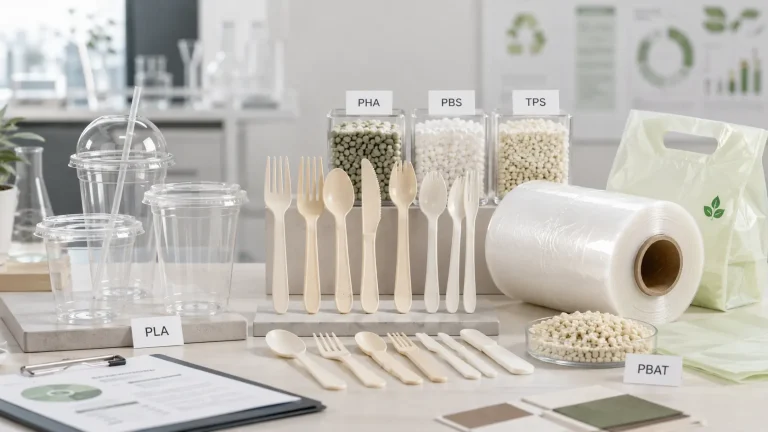
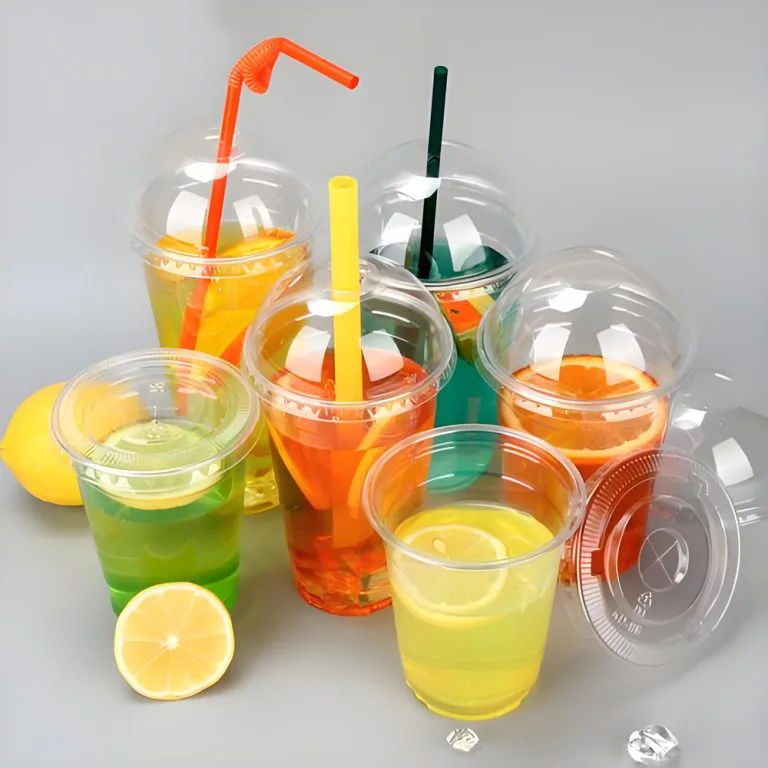
Quick Summary: PLA cups, made from plant-based polylactic acid, are sustainable alternatives to plastic cups but are not heat resistant. They are best suited for cold beverages like juices, smoothies, and iced coffee. This article explores the science behind PLA, its temperature limitations, best use cases, packaging and storage methods, and business tips for selecting the right compostable cup for your brand.
industrial composting PLA — Quick Summary
Items displayed (articles): 12
Last updated: 2025-10-13
Includes test data, compliance guides, buyer FAQs, and real-world use cases.
FAQ of Bioleader's Eco-friendly Disposable Tableware
Can these bowls be used in a microwave?
Yes, our eco friendly disposable bowls are microwaveable, which allows users to heat food without the need of an extra bowl.
Materials: Kraft Paper & White Cardboard Paper
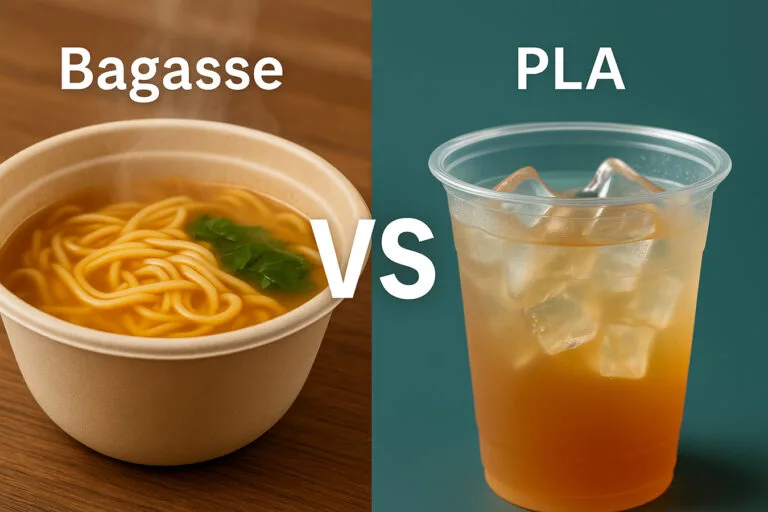
Our company’s biodegradable bowls are made of materials that allow biodegradation such as kraft paper and cardboard paper , industrial composting PLA. Sturdy and durable kraft paper is opaque and gives the kraft paper a natural aesthetic that consumers in this era should gorge on. White cardboard paper helps to enhance this look while ensuring that the bowl remains strong. Even these materials are 100% bio-degradable, hence these disposable biodegradable bowls will decompose within a short time after disposal to reduce pollution.
Can the bowls withstand hot liquids such as soup?
Yes, the takeaway bowls with lids can be used for holding all kinds of food, both hot and cold, such as soups and stews while preventing any spillage or leakage.
2. Are PLA cups microwave-safe?
No. PLA cups should not be microwaved or filled with boiling liquids. High heat can damage their structure and release lactic odor — industrial composting PLA.
4. Are PLA cups truly biodegradable?
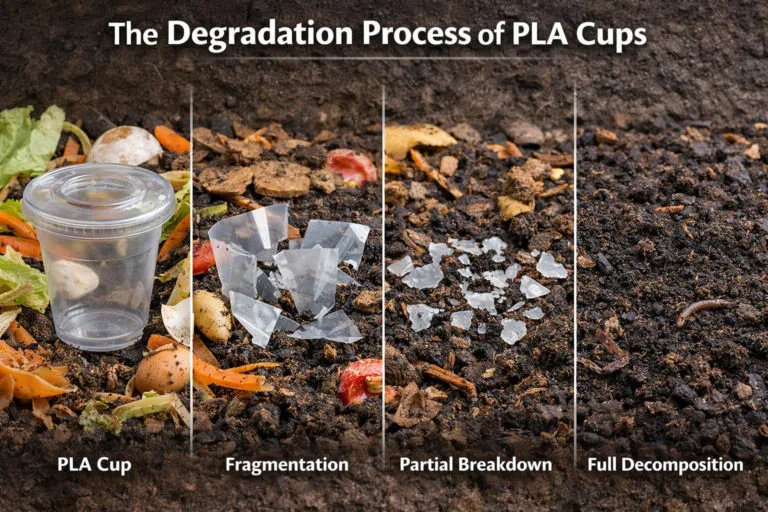
Yes, but under industrial composting conditions. PLA needs temperatures above 58°C and controlled humidity to fully decompose within 90 days , industrial composting PLA. It won’t biodegrade quickly in landfills or home compost.