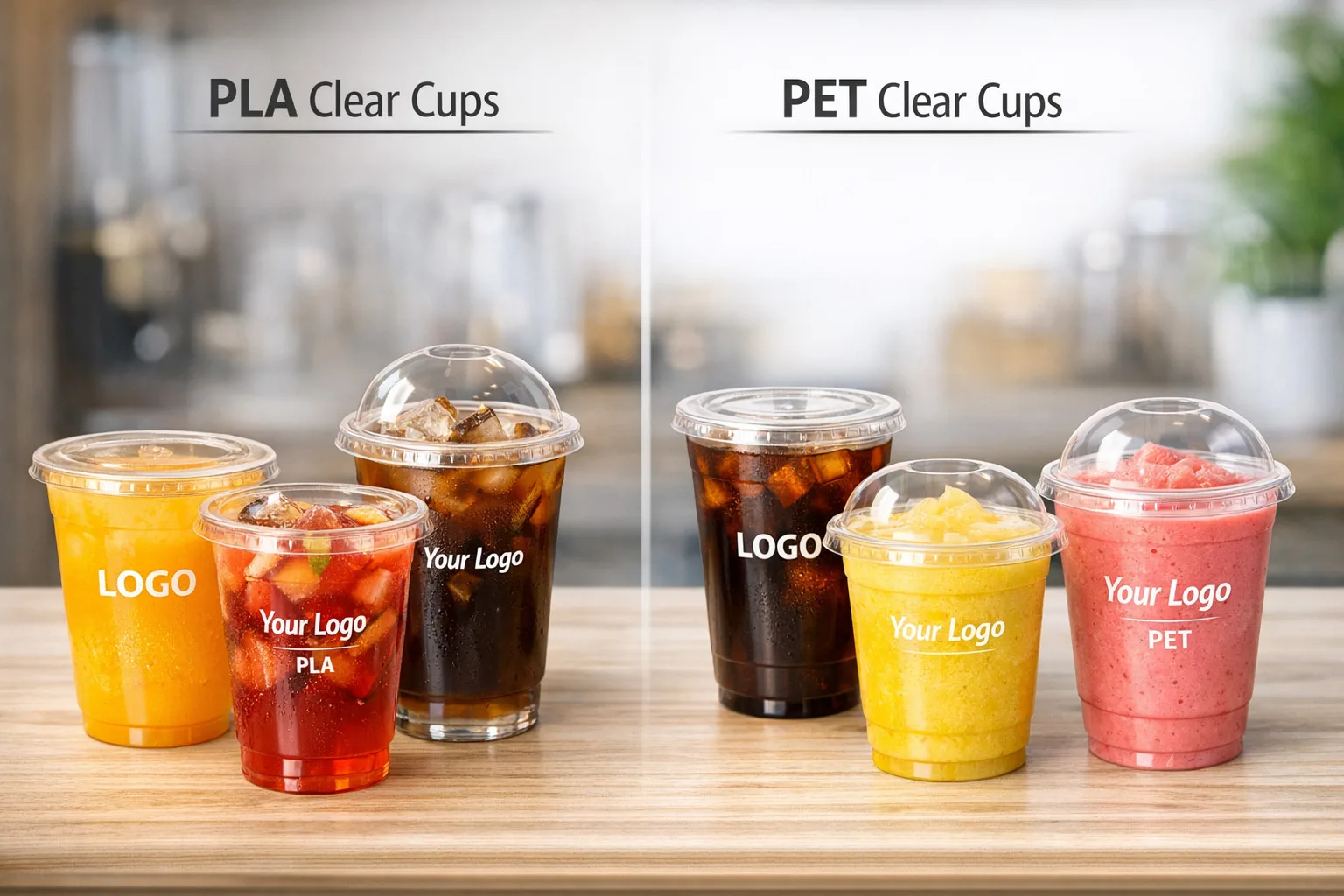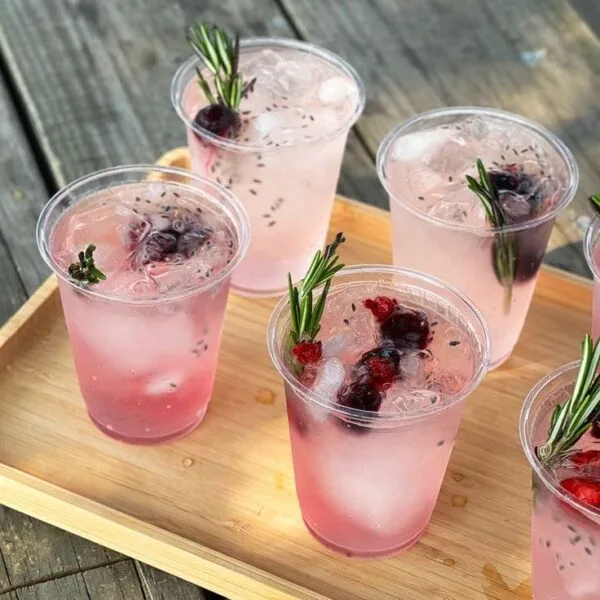


Quick Summary: PLA cups are clear, plant-derived bioplastic cups primarily designed for cold beverages such as iced coffee, juice, smoothies, soft drinks, and bubble tea. PLA is still a plastic material even though it can be bio-based and industrially compostable under appropriate conditions. For buyers, cup size, lid compatibility, beverage temperature, food-contact documentation, compostability evidence, storage conditions, and local disposal infrastructure should all be reviewed before selection.
Polylactic Acid (PLA) has become a widely used material for clear cold-drink packaging. PLA is a bio-based thermoplastic commonly produced from fermented plant-derived sugars and can provide the transparency expected from conventional clear plastic cups while supporting industrial-compostability programs when the applicable finished product and disposal system are suitable.
This guide explains what PLA cups are, their key features, common sizes, applications, food-contact considerations, recyclability, industrial composting, storage requirements, and the practical factors buyers should verify before sourcing PLA drinkware.
1. What are PLA Cups?
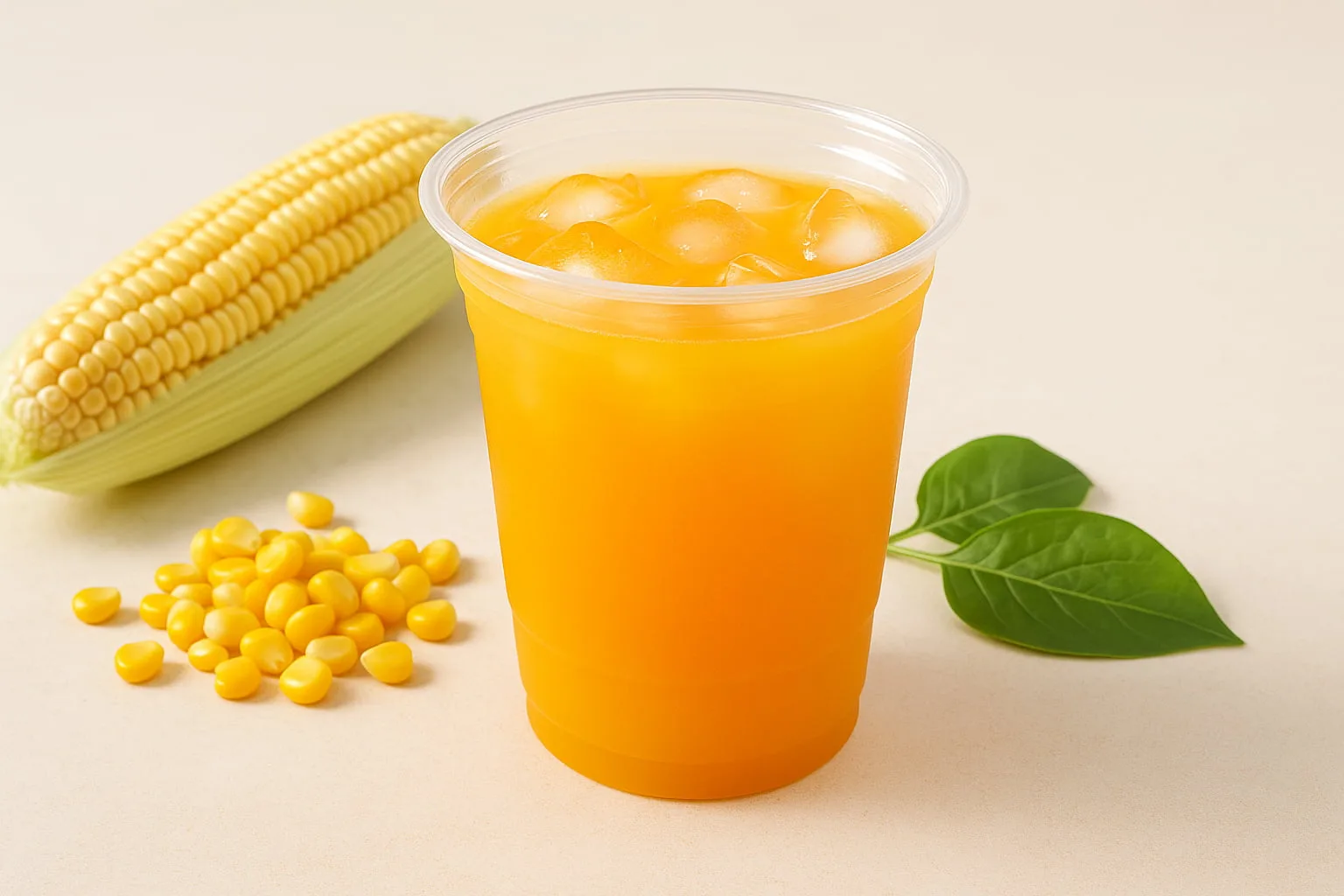
Polylactic Acid (PLA) cups are disposable beverage containers made from PLA, a thermoplastic that can be produced from renewable feedstocks such as corn-derived sugars, sugarcane, or other plant-based carbohydrate sources.
PLA is commonly described as a bio-based plastic. It should not be confused with a material that is automatically plastic-free simply because its feedstock is renewable. Under appropriate controlled industrial composting conditions, suitable PLA products may be designed to meet recognized compostability requirements, but actual classification depends on the material formulation, finished product, applicable certification, and composting process.
For commercial beverage service, conventional clear PLA cups are primarily used for cold drinks because PLA has limited heat resistance compared with materials specifically designed for hot beverages.
Buyers comparing clear cup specifications, compatible lids, and commercial sourcing options can review Bioleader®’s PLA compostable clear cups range.

2. Features of PLA Compostable Clear Cups
PLA compostable clear cups have several characteristics that make them suitable for cold beverage and foodservice applications.
2.1 Biodegradability and Compostability
PLA can biodegrade under controlled industrial composting conditions that provide the necessary temperature, moisture, aeration, microbial activity, and processing time. The actual rate of disintegration and biodegradation should not be generalized to a fixed number of days because it varies by product structure, composting system, and test conditions.
PLA should also not be assumed to break down effectively in normal landfill conditions, open environments, or ordinary home composting systems. If a supplier or brand markets a finished PLA cup as compostable, buyers should verify the applicable standard, certificate, and product scope.
Compostability Note: “Bio-based,” “biodegradable,” and “industrially compostable” describe different characteristics. A PLA cup may contain bio-based polymer while still requiring controlled industrial composting conditions for validated compostability.
2.2 Transparency and Aesthetics
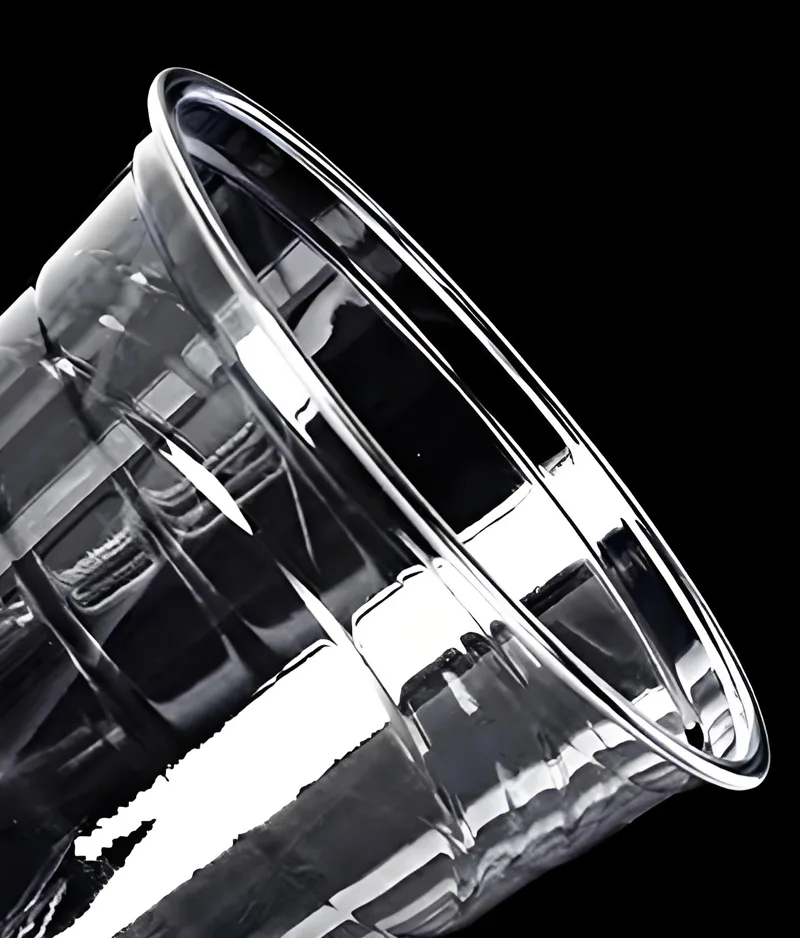
PLA cups provide high clarity and a glossy appearance that can resemble conventional clear plastic cups. This makes them particularly suitable for beverages where visual presentation matters, including iced coffee, fruit juice, smoothies, bubble tea, desserts, and layered drinks.
2.3 Renewable Resource-Based
PLA is commonly produced from renewable carbohydrate feedstocks rather than relying exclusively on fossil-derived raw materials. This is one reason PLA is used in sustainability-focused packaging programs.
However, the environmental performance of a finished PLA cup should be considered across its complete lifecycle, including feedstock production, manufacturing, transport, use, collection, and final disposal.
2.4 Limited Heat Resistance
A key limitation of conventional PLA cups is heat sensitivity. They are generally intended for cold beverage applications and should not automatically be used for hot coffee, hot tea, or other high-temperature liquids unless the specific product specification confirms suitability.
Application Principle: Conventional PLA clear cups should normally be treated as cold-drink packaging. Compostability does not mean that the cup is suitable for hot beverages.


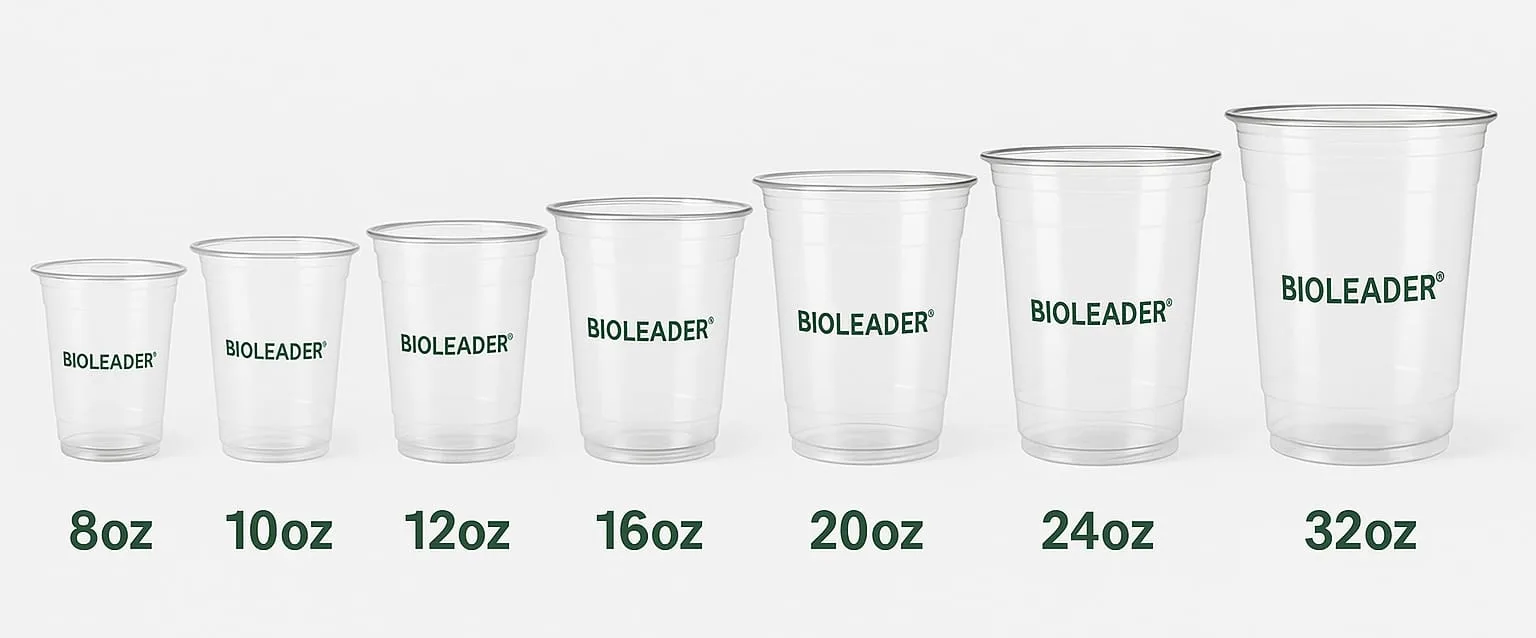
3. Various Sizes of Biodegradable Cups with Lids (8-32oz)
PLA cups are available in multiple capacities for different cold beverage serving requirements. Actual available dimensions and lid compatibility should always be confirmed against the selected product specification.
For buyers comparing the wider 8–32oz assortment, matching lids, and bulk product options, Bioleader® also maintains a dedicated compostable plastic cups A-page covering the broader PLA cold-drink cup range.
3.1: 8 oz PLA Cups
8 oz PLA cups are suitable for smaller cold beverage portions, juice samples, tasting programs, desserts, and compact takeaway servings.
3.2: 12 oz and 16 oz PLA Cups
12 oz and 16 oz cups are commonly selected for iced coffee, iced tea, soft drinks, fruit juice, bubble tea, and other standard cold beverage servings.
3.3: 20 oz and 24 oz PLA Cups
Larger formats such as 20 oz and 24 oz are commonly used for smoothies, milkshakes, large iced beverages, specialty drinks, and foodservice applications requiring higher serving volumes.
3.4: 32 oz PLA Cups
32 oz cups can support extra-large cold beverage applications where higher serving volume is required. Buyers should verify cup dimensions, lid fit, carton packing, and beverage weight before selecting larger formats.


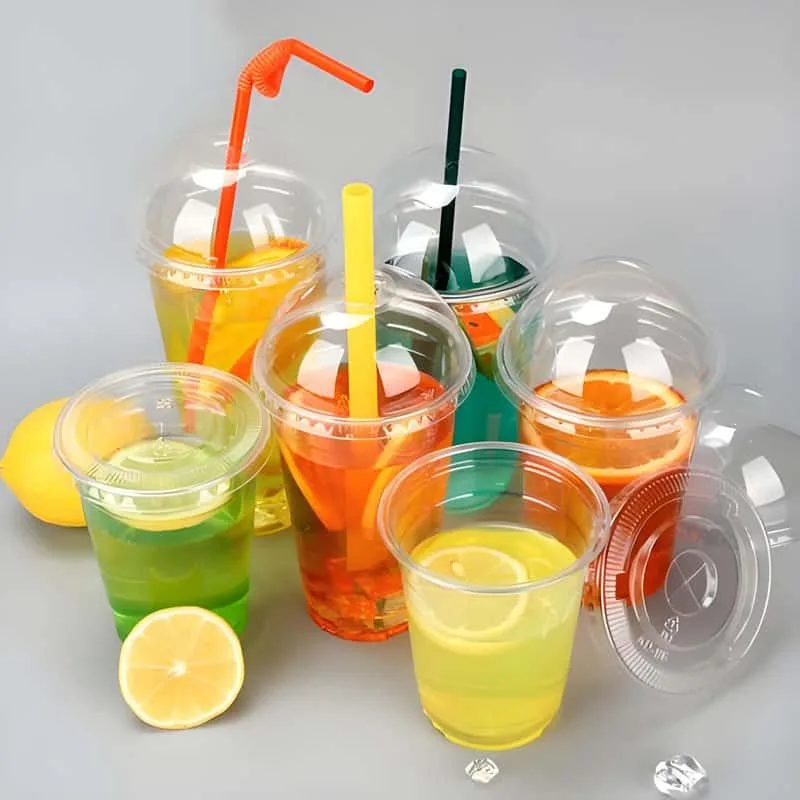
Compatible lids are an important part of the cup system. Dome lids, flat lids, sip-through lids, straw-slot lids, and other configurations can vary by cup diameter and product series. Buyers should confirm cup-to-lid compatibility rather than assuming all PLA cup sizes use interchangeable lids.
Product Range: Buyers focused specifically on clear PLA cup specifications can review the PLA compostable clear cups page, while distributors comparing the wider commercial assortment can use the compostable plastic cups range.
4. PLA Cups’ Suitable Applications
PLA cups are mainly used where clear presentation and cold beverage service are required.
4.1 Cold Beverage Service
Because of their limited heat resistance, PLA cups are best suited for cold beverages, including:
- Iced Coffees and Teas: High clarity allows the beverage, ice, milk layers, and toppings to remain visible.
- Smoothies and Shakes: Suitable for cold, thicker drinks when the selected cup and lid match the intended serving size.
- Soft Drinks and Juices: Used as a bio-based alternative to conventional clear plastic cold-drink cups.
- Bubble Tea and Specialty Drinks: Useful where beverage appearance, toppings, and branding are important.
- Desserts and Cold Foods: Certain PLA cup formats can also be used for parfaits, fruit, cold desserts, and similar foodservice applications.
4.2 Events and Catering
PLA cups can be used for cold beverage service at events, catering operations, festivals, institutional foodservice, and corporate functions. Where compostability is part of an event’s waste-management strategy, organizers should confirm that the collection and composting system accepts the selected PLA products.
4.3 Food Service Establishments
Cafés, juice bars, restaurants, dessert shops, food trucks, bubble tea shops, and takeaway beverage businesses use PLA cups for cold drinks when clear presentation and renewable-feedstock packaging are part of the purchasing criteria.
Sample Evaluation: Before bulk purchasing, test the selected PLA cup with the actual beverage, ice level, lid, straw, filling process, holding time, transport conditions, and storage environment.
5. Are PLA Cups Safe?
PLA cups intended for food and beverage applications should be supported by applicable food-contact documentation for the selected material and finished product. Food-contact suitability should be evaluated according to the intended beverage, temperature, contact time, and destination-market requirements.
For standard clear PLA cups, cold beverages are the primary application. High temperatures can soften or deform conventional PLA, so these cups should not be used for hot drinks unless the specific product documentation clearly supports that use.
Food-Contact Note: “PLA” is a material description, not by itself proof that every finished cup meets every food-contact requirement. Buyers should review the available declaration, test report, or applicable compliance documentation for the selected item.
6. Are PLA Cups Recyclable?
PLA is technically capable of being recycled, but practical recycling options remain limited in many markets. Collection, sorting, dedicated PLA streams, recycling technology, and recycler acceptance all affect whether a used PLA cup can actually be recycled.
6.1 Recycling Infrastructure
PLA should not automatically be placed into conventional PET, PP, or other plastic recycling streams. Where dedicated PLA collection and recycling systems do not exist, mixing materials can create sorting challenges. Local recycling instructions should therefore be followed.
6.2 Composting as an Alternative
Industrial composting is a separate end-of-life pathway from recycling. Certified compostable PLA products may be accepted by suitable industrial composting systems, but access varies by region. In markets without compatible collection and composting infrastructure, the theoretical compostability of the product may not translate into practical composting after use.
Key Takeaway: Industrial composting is not recycling. A PLA cup may be recyclable in a dedicated PLA system or compostable in an appropriate industrial composting system, but neither pathway should be assumed to be universally available.
7. Packaging and Storage Considerations
Proper storage is important for maintaining the dimensional stability, clarity, and forming quality of PLA cups.
7.1 Temperature and Humidity Control
PLA cups should be stored under the conditions recommended for the selected product. Excessive heat can cause deformation, while unsuitable humidity or long exposure to poor storage conditions may affect packaging performance.
Storage instructions should therefore be based on the supplier’s product specification rather than one universal temperature limit for all PLA cup grades.
7.2 Protection from Direct Sunlight
PLA cups should be stored indoors and protected from direct sunlight and excessive heat. Containers, warehouses, loading areas, and other high-temperature environments should be considered when planning inventory and transport.
7.3 Inventory Rotation
Using a first-in, first-out (FIFO) inventory system helps maintain consistent stock rotation and reduces unnecessary long-term storage. Cartons should remain properly sealed and protected from unsuitable environmental conditions until use.


8. Expert Opinions and Environmental Trends
The environmental value of PLA cups depends strongly on the complete packaging and waste-management system. Renewable feedstock can reduce dependence on conventional fossil-derived plastic feedstocks, but end-of-life conditions remain important.
A cup described as industrially compostable still requires suitable collection and an industrial composting facility that accepts the material. In locations where PLA is neither separately recycled nor industrially composted, the expected end-of-life benefit may not be realized.
For this reason, procurement teams increasingly need to distinguish between material characteristics and actual waste-management outcomes. A stronger packaging evaluation considers feedstock, product performance, food-contact suitability, certification scope, available collection systems, recycling or composting infrastructure, and destination-market requirements together.
Bioleader® Buyer Insight: Material selection should begin with the real beverage application and disposal environment. A technically compostable cup may still be the wrong choice if the destination market has no suitable collection or industrial composting route.
9. What Buyers Should Verify When Choosing PLA Cups
For importers, distributors, beverage chains, cafés, and foodservice packaging buyers, PLA cup sourcing should focus on product suitability and supporting documentation rather than broad environmental claims.
PLA Cup Buyer Checklist
- Confirm the cup material and whether the product is PLA or another clear plastic.
- Confirm the intended application is suitable for cold beverages.
- Verify cup capacity, top diameter, bottom diameter, and height.
- Check flat lid, dome lid, sip-through lid, straw-slot lid, or other lid compatibility.
- Review available food-contact documentation for the selected item.
- Request applicable industrial compostability certification if compostability is part of the purchasing requirement.
- Check whether certification applies to the raw resin, component, or complete finished product.
- Confirm printing and branding requirements for the selected cup.
- Review storage and transport requirements, especially exposure to heat.
- Evaluate whether the destination market has appropriate recycling or industrial composting infrastructure.
- Verify destination-country rules before making environmental or disposal claims.
Bioleader® supplies clear PLA beverage cups for cold drink applications and can provide product specifications and available supporting documents for the selected item. Buyers should verify the exact document scope because certification and testing may vary by cup specification and destination market.
For detailed PLA cup structure, material features, size options, and manufacturer information, see the PLA clear cups A-page. For the broader 8–32oz commercial range, multiple SKUs, lids, and bulk sourcing options, see the compostable plastic cups wholesale range. For buyers who want a more focused overview of cup specifications, applications, and sourcing options, our dedicated PLA cups for cold drinks resource provides additional product and selection information.
-size-from-8-32oz-Available-Sizes-for-All-Your-Beverage-Needs.jpg.webp)
Wholesale Sourcing: Buyers who already understand PLA material characteristics can continue to Bioleader®’s compostable plastic cups page for the full commercial product range, or review PLA compostable clear cups for PLA-focused specifications and sourcing information.
10. Conclusion
Polylactic Acid (PLA) cups are clear bio-based plastic cups primarily suited to cold beverage applications. Their renewable feedstock, transparency, and potential industrial compostability make them useful for certain foodservice packaging programs, but they should not be treated as universally biodegradable, recyclable, or suitable for hot drinks.
For buyers, the key considerations are beverage temperature, cup and lid compatibility, food-contact documentation, compostability evidence where claimed, storage conditions, and the availability of appropriate recycling or industrial composting infrastructure.
Once these technical questions are understood, commercial product selection should move to Bioleader®’s dedicated PLA compostable clear cups and compostable plastic cups A-pages rather than relying on the educational blog alone.
FAQ
1. What are PLA cups made of?
PLA cups are made from polylactic acid, a thermoplastic that can be produced from renewable carbohydrate feedstocks such as corn-derived sugars, sugarcane, or other plant-based sources. PLA is still a plastic even though it can be bio-based.
2. Are PLA cups compostable?
PLA cups may be industrially compostable when the relevant finished product meets an applicable compostability standard and is processed under suitable controlled composting conditions. Buyers should verify the certification scope rather than assuming all PLA cups are automatically compostable.
3. Can PLA cups be used for hot drinks?
Conventional clear PLA cups are primarily intended for cold beverages. High temperatures can soften or deform PLA, so they should not be used for hot coffee, tea, or similar drinks unless the specific product documentation confirms suitability.
4. Are PLA cups safe for food and drink contact?
PLA cups intended for food and beverage use should be supported by applicable food-contact documentation for the selected product and intended conditions of use. Buyers should review the relevant declaration or test report rather than relying only on the material name.
5. Can PLA cups be recycled?
PLA is technically recyclable, but dedicated PLA collection and recycling infrastructure is limited in many markets. PLA should not automatically be placed into conventional PET or other plastic recycling streams. Local collection and recycler acceptance should be verified.
6. How do PLA cups compare to traditional plastic cups?
PLA cups can be produced from renewable feedstocks and may support industrial compostability programs when properly certified. Conventional PET or PP cups have different raw-material, heat-performance, recycling, and end-of-life characteristics. The appropriate choice depends on application requirements and local disposal infrastructure.
7. Where are PLA cups commonly used?
PLA cups are commonly used for cold beverages such as iced coffee, iced tea, juices, smoothies, soft drinks, bubble tea, shakes, cold desserts, and other foodservice applications where transparent presentation is important.