The 2025 Buyer’s Guide To Polylactic Acid Cups | Bioleader® Sustainable Packaging
Actionable coverage of Polylactic Acid Cups: eco-friendly, biodegradable, compostable materials, performance data, and compliance under EN13432 & ASTM D6400. Includes BPI/TÜV references and Food-Contact Tested guidance for safe deployment. Buyer-focused: manufacturer insights, bulk/wholesale buying playbooks, OEM/ODM customization tips, full size range selection.
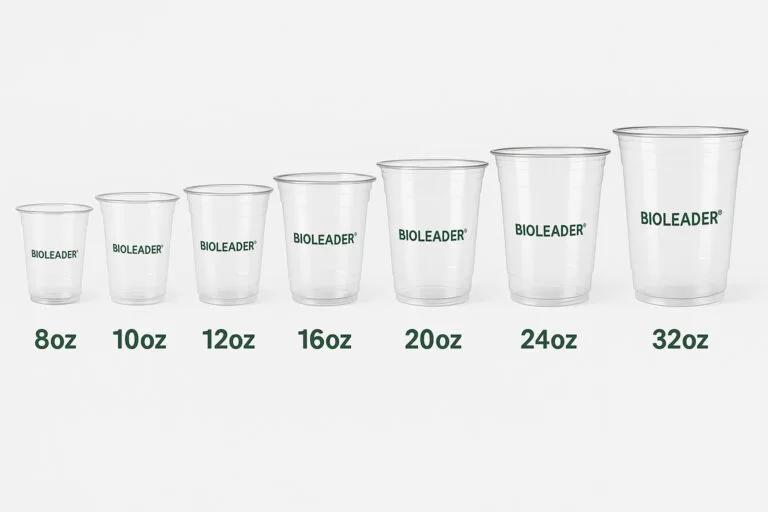
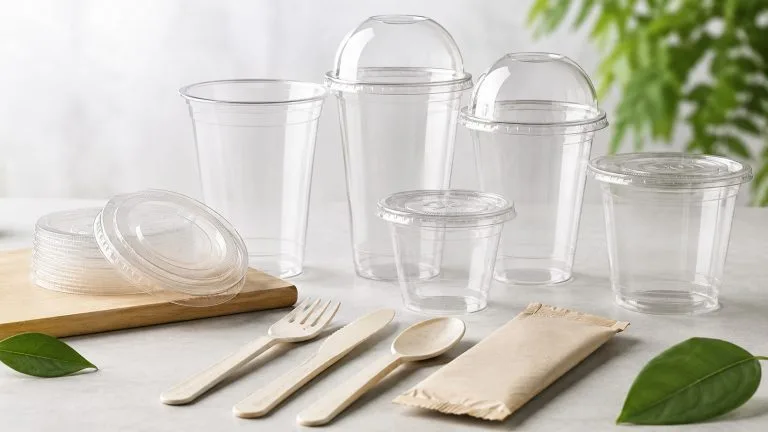
Whether you’re serving smoothies, cold brew coffee, fresh juices, or iced cocktails, the right cup matters — not just for aesthetics, but for sustainability and brand trust. At Bioleader®, we offer a full range of compostable PLA cups from 8oz to 32oz to meet every cold drink need, without compromising on clarity, performance, or eco-responsibility.
FAQ of Bioleader's Eco-friendly Disposable Tableware
Can I have their logo printed on my souvenirs?
Of course, Yes. Such businesses have the option of having margarita salad bowls with their brand name on them or any other posters since we customize them. For any further details on branding options, you can reach us — Polylactic Acid Cups.
Can they be used for hot food?
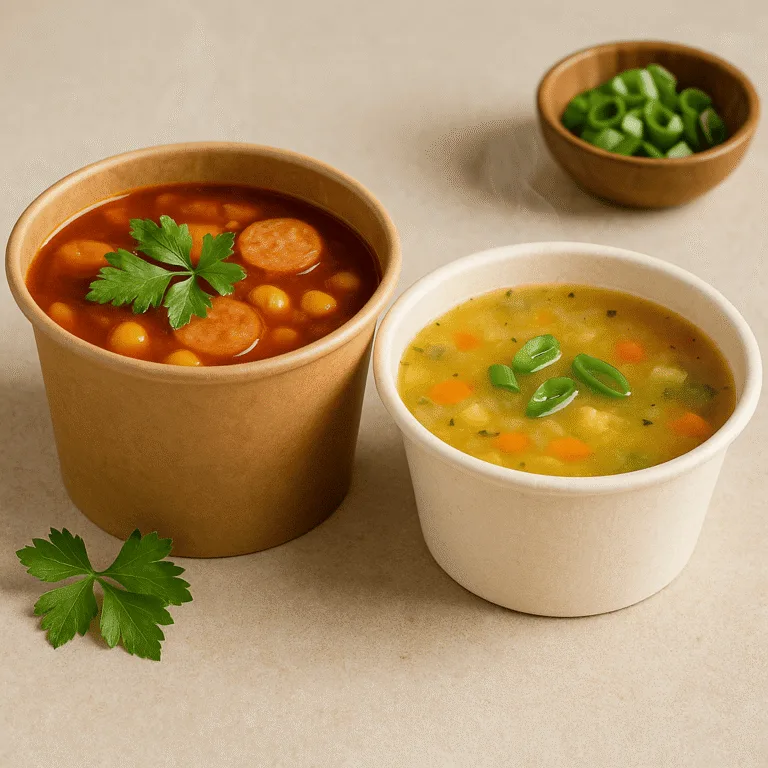
Absolutely. These bowl compostable containers are made in a way that even hot dishes can be served in them…
Can these containers hold liquids?
Yes, our paper food containers are leakproof and hold solid and liquid foods including thick soups sauces, and creamy dishes too , Polylactic Acid Cups.
2.4 Limited Heat Resistance
A notable characteristic of PLA cups is their limited heat resistance. They are suitable for cold beverages but are not recommended for hot liquids, as exposure to high temperatures can cause the material to deform or lose structural integrity — Polylactic Acid Cups. Compostable PLA Cups Clear Cup Bottom Logo Compostable PLA Cups Clear 3. Various Sizes of Biodegradable Cups with Lids (8-32oz) PLA cups are available in a range of sizes to accommodate different beverage serving needs:
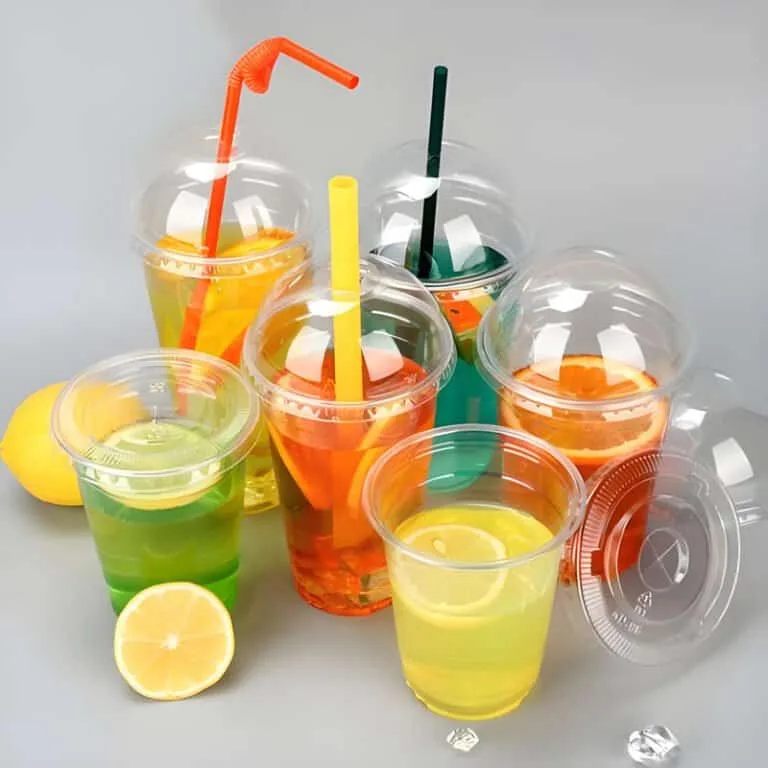
🍹 Juice & Smoothie Bars
The PLA cup clear design elevates the look of vibrant fruit blends, enticing customers at first glance.