​ Biodegradable PLA Cups Vs Alternatives: Cost, Performance, Sustainability | Bioleader® Insights

Actionable coverage of ​ Biodegradable PLA Cups: eco-friendly, biodegradable, compostable materials, performance data, and compliance under EN13432 & ASTM D6400. Includes BPI/TÜV references and Food-Contact Tested guidance for safe deployment. Buyer-focused: manufacturer insights, bulk/wholesale buying playbooks, OEM/ODM customization tips, full size range selection.
​ Biodegradable PLA Cups — Quick Summary
  • Items displayed (articles): 12
  • Last updated: 2026-01-21
  • Includes test data, compliance guides, buyer FAQs, and real-world use cases.

Editor’s Picks: Top ​ Biodegradable Pla Cups Guides 2026

FAQ of Bioleader's Eco-friendly Disposable Tableware

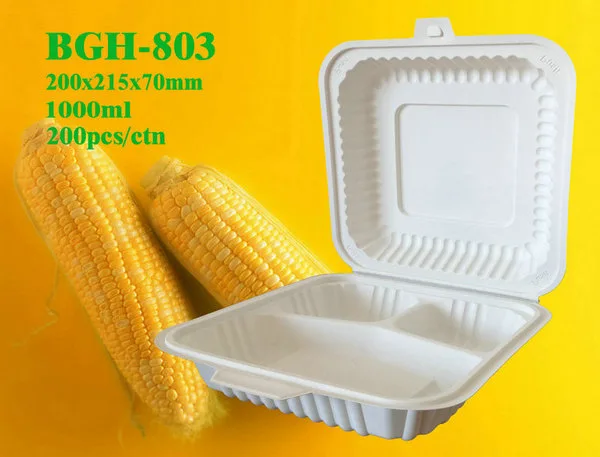
1. What are takeaway trays with lids used for?

Takeaway trays with lids are used for packaging full meals, combo dishes, or compartmentalized foods for delivery and takeaway , ​ Biodegradable PLA Cups. They help keep food fresh, prevent spillage, and maintain separation between hot and cold items.

Waterproof and Oil-proof

The leakage possibility from our bagasse food trays is eliminated by the unique composition of the trays, which makes them leak proof. Whether it’s for hot or cold food, our trays can be conveniently used to transport food without any risk of a mess. They are also suitable for offline or online orders as they will ensure that customers get a fresh meal without any mess — ​ Biodegradable PLA Cups. Like everything we have here, customers are guaranteed to have a clean and non-messy experience when using our bagasse food trays.

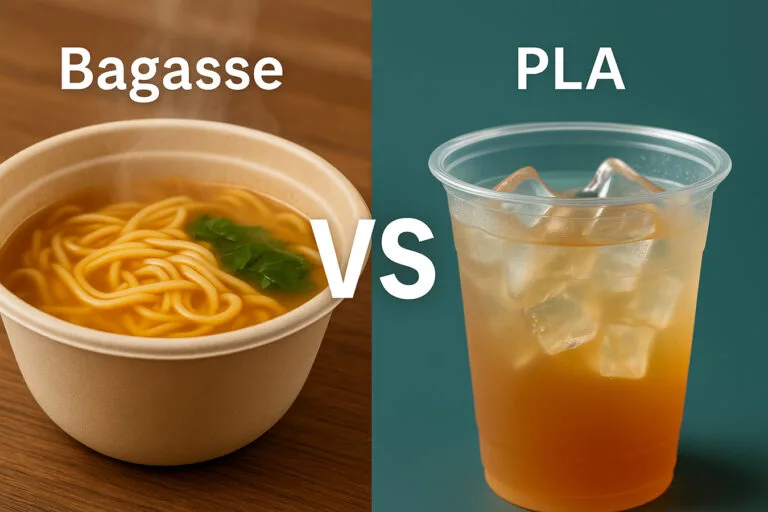
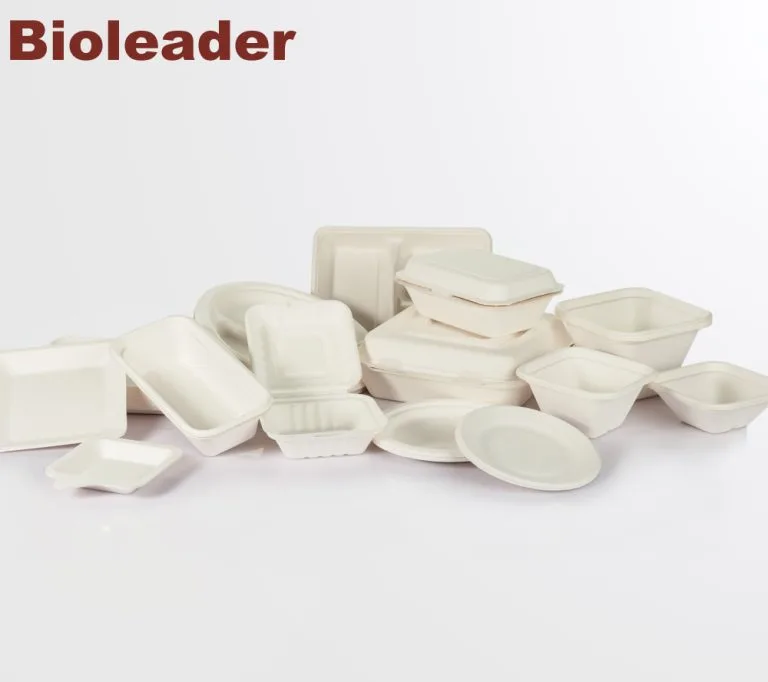
Why Choose Sugarcane Bagasse?

Renewable Resource: Since sugarcane is harvested and grown repeatedly, the containers become eco-friendly, and more products can be produced using bagasse fiber. This approach in a holistic way starts reducing waste entirely. Decomposable & Environment Friendly: Because of the usage of bagasse containers eliminate the need for plastic and styrofoam bowls. This approach further helps eliminate waste from dumping/filling grounds and further helps the environment while everything decomposes into compost materials.

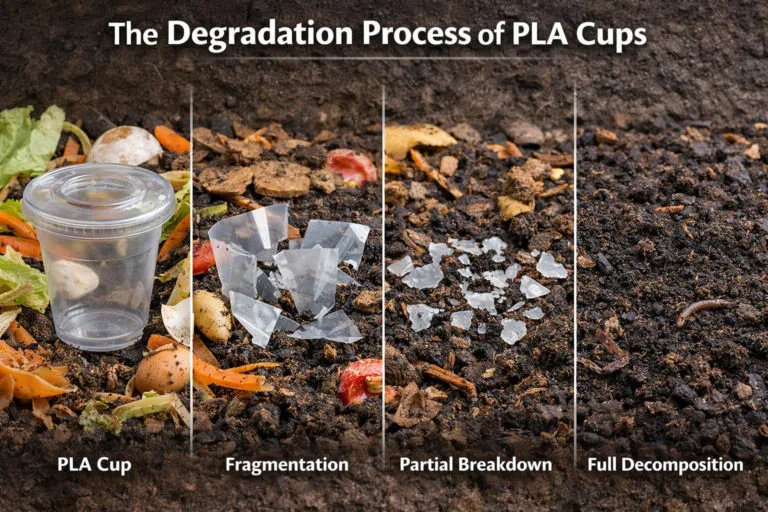
Stage 2: Enzymatic Mineralization (Biotic)

Once the PLA polymer chains are broken into smaller fragments, specialized microorganisms, such as Actinomycetes and various fungi, take over. These microbes secrete extracellular enzymes, such as Laccases and Lipases, which cleave the remaining bonds in the polymer, converting PLA into: Lactic Acid, which is used as an energy source by microbes, Carbon Dioxide (CO₂), which is released into the atmosphere, Water (H₂O), which supports the metabolic processes of the microbes, Nutrient-rich Biomass, which contributes to the soil’s fertility. This process is much more efficient in industrial composting facilities, where the high temperatures and optimized microbial activity ensure complete mineralization of PLA into harmless, natural compounds. 3.

Sample Cost Model (10,000 pcs FOB Xiamen)

Item Unit Price (USD) Total (USD) 16oz PLA Cup 0.050 500.00 Dome Lid 0.022 220.00 Packaging & Labeling 0.004 40.00 Export Fee (≤20ft) Flat $200 — Total (FOB Xiamen) — $760.00 Under CFR (delivered to EU port), add freight ~USD 300–350 per CBM.Mixing SKUs across a 40HQ shipment can reduce cost-per-cup to $0.043–0.046 — ​ Biodegradable PLA Cups. 💡 A U.S. distributor applying these tactics cut total logistics expenses by 17%. 9.

Related Insights

🚀Ready to Go Green and Choose ?

Join the global movement toward zero-waste packaging.


Bioleader® offers:

  • 📦 Bulk order support & fast delivery

  • ✍️ Custom branding and OEM solutions

  • 🌍 Worldwide eco-packaging compliance

Get the Catalogue Products List  & Contact Us Now! 👉

Contact us Below

Click or drag files to this area to upload.You can upload up to 5 files.
The more details you share, the faster and more accurate our quotation will be.