The 2025 Buyer’s Guide To Sustainable PLA Cups | Bioleader® Guides
Actionable coverage of Sustainable PLA Cups: eco-friendly, biodegradable, compostable materials, performance data, and compliance under EN13432 & ASTM D6400. Includes BPI/TÜV references and Food-Contact Tested guidance for safe deployment. Buyer-focused: manufacturer insights, bulk/wholesale buying playbooks, OEM/ODM customization tips, full size range selection.
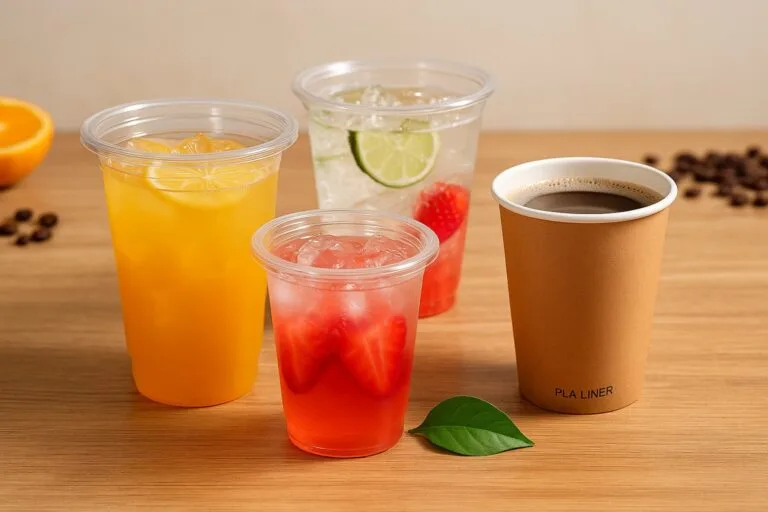
In a world where plastic pollution has reached alarming levels, the shift toward sustainable packaging solutions is no longer optional—it is a necessity. Among the most promising innovations in this arena are biodegradable PLA cups. While you may have seen these eco-friendly cups in coffee shops or takeout counters, there’s much more behind their development than meets the eye. Today, we explore seven surprising facts about compostable PLA cups that you likely didn’t know, revealing how they are shaping the future of eco-friendly beverage packaging.
FAQ of Bioleader's Eco-friendly Disposable Tableware
Can we put our company logo on the bowls?
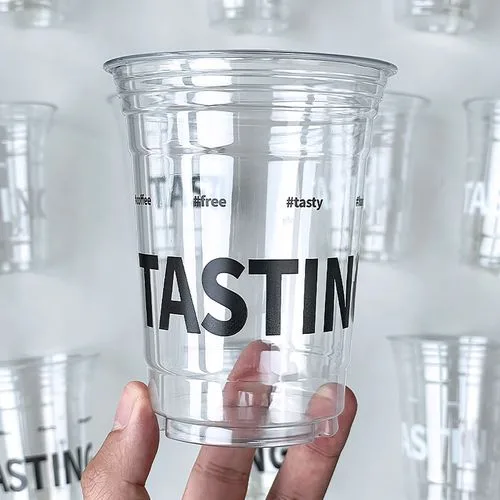
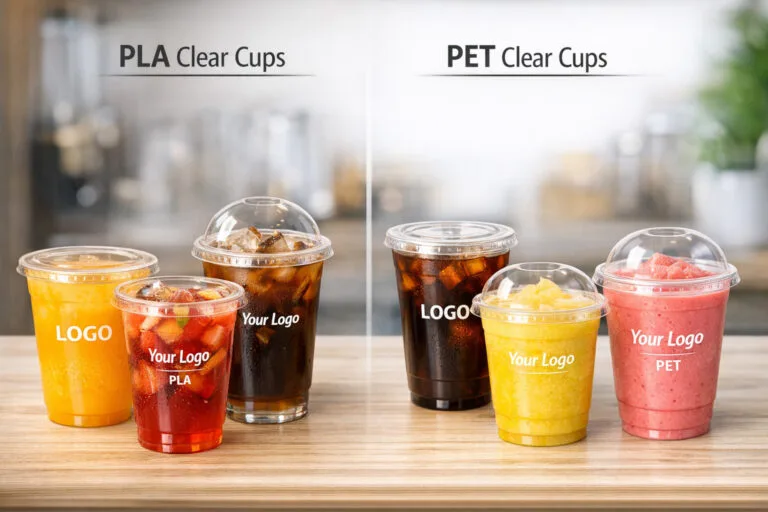
Of course! We provide you with customization possibilities to add logos and designs on the bowls with lids to help strengthen your company’s image. Turn to us for further information on the customization options available.
What is the range of sizes that you have?
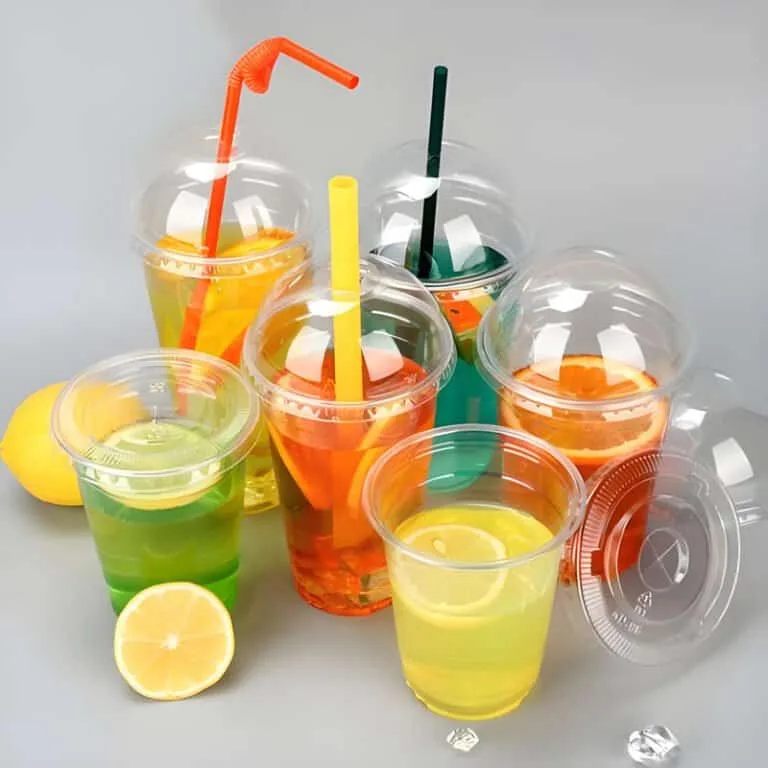
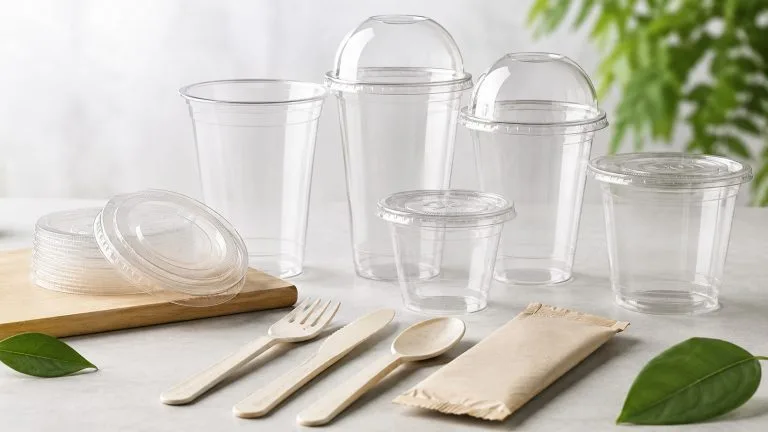
In terms of volume, there are varieties of cups: 500ml, 750ml, 1000ml, 1090ml, 1200ml, 1300ml, and 1500ml. This means that for every portion of any size, there is a bowl available — Sustainable PLA Cups.
Are the containers available with a logo impression on them?
Definitely! Print Gems. Our to go salad containers are available printed with your logo or artwork. This is a nice chance to make your business while safe packaging supplies are being delivered — Sustainable PLA Cups.
2.3 Renewable Resource-Based
The production of PLA utilizes renewable resources, primarily plant-based materials like cornstarch and sugarcane. This reliance on renewable feedstocks reduces dependence on finite fossil fuels and contributes to a more sustainable lifecycle for the product.
Industrial vs. Home Composting
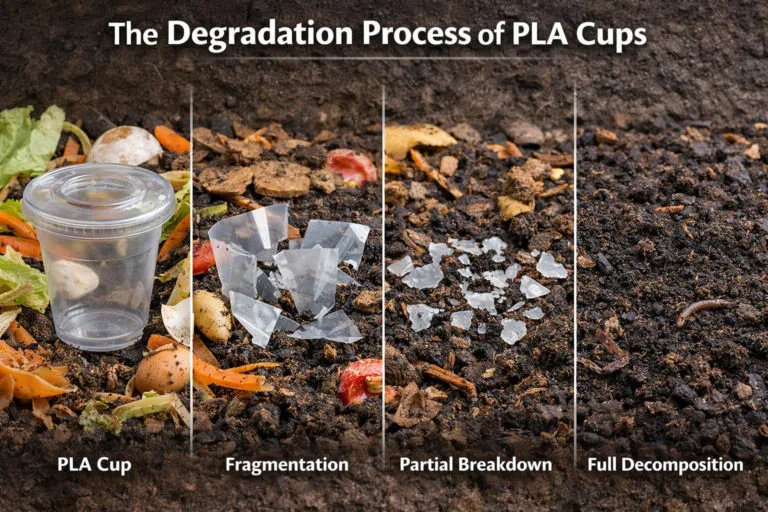
Although compostable PLA cups are designed to break down, they need specific conditions—high temperature (58°C+), controlled humidity, and active microbial action—found in industrial composting facilities — Sustainable PLA Cups.