Top Use Cases For PLA Cup Sizes | Bioleader® Insights
Actionable coverage of PLA Cup Sizes: eco-friendly, biodegradable, compostable materials, performance data, and compliance under EN13432 & ASTM D6400. Includes BPI/TÜV references and Food-Contact Tested guidance for safe deployment. Buyer-focused: manufacturer insights, bulk/wholesale buying playbooks, OEM/ODM customization tips, full size range selection.
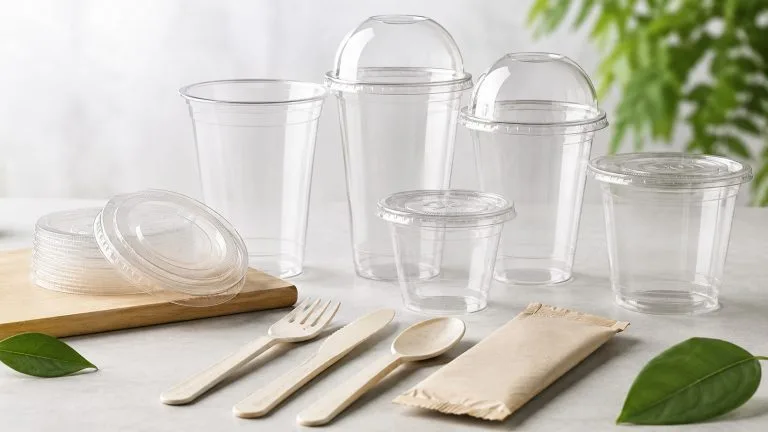
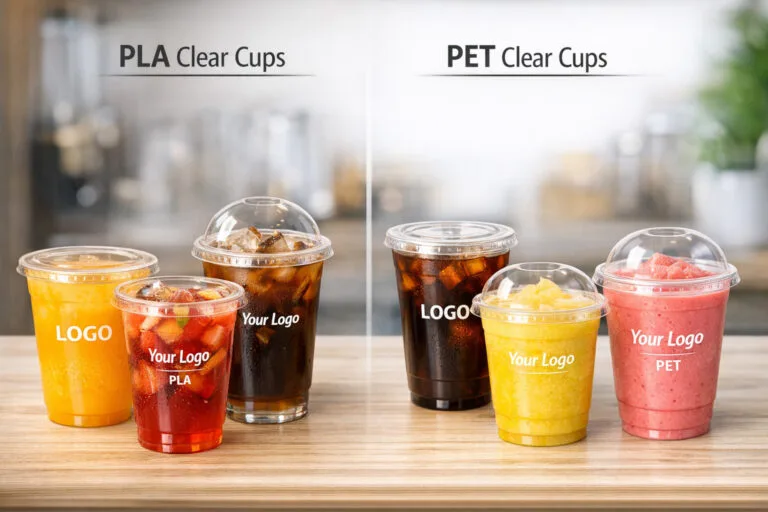
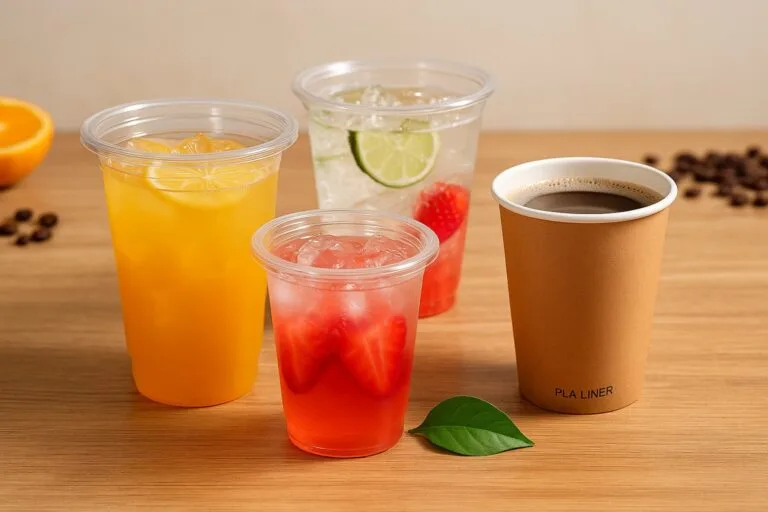
In recent years, the global push towards sustainability has led to significant advancements in eco-friendly materials. One such innovation is the development of Polylactic Acid (PLA) cups, which offer a biodegradable alternative to traditional plastic cups. Derived from renewable resources like corn starch or sugarcane, PLA cups are gaining traction across various industries for their environmental benefits. This comprehensive blog delves into the intricacies of PLA cups, exploring their features, applications, safety, recyclability, storage considerations, expert opinions, and a spotlight on a leading manufacturer-Bioleader.
FAQ of Bioleader's Eco-friendly Disposable Tableware
Available sizes?
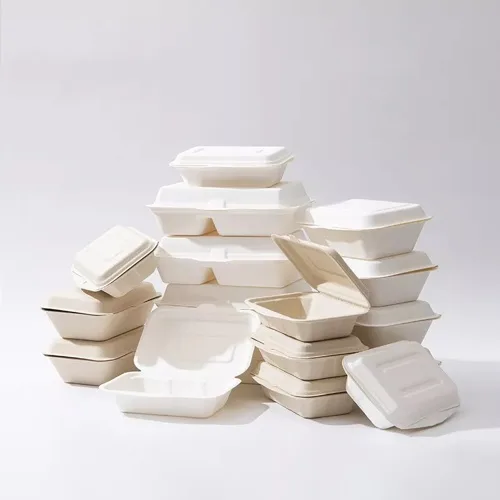
Yes, our paper containers with lids for food range between 500ml and 1500ml capable of holding various meal portions.
They cannot take away hot foods?
Yes, of course — PLA Cup Sizes. These salad bowls kraft paper and can take hot food as well as cold food, hence usable for a range of dishes.
Is it possible to recycle them?
While your package design should be primarily for use single, to promote health oder, the package is strong enough for one or two times reuse with caution.
2.1 Biodegradability and Compostability
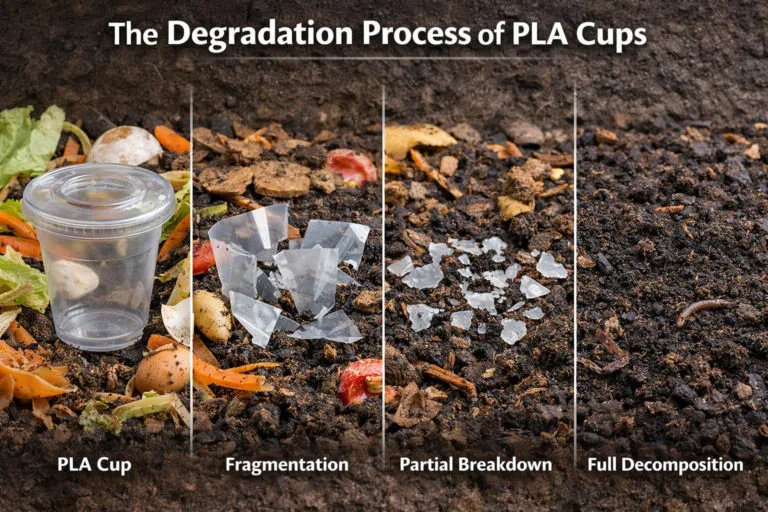
One of the primary advantages of PLA cups is their ability to biodegrade under specific conditions — PLA Cup Sizes. When subjected to industrial composting environments, which maintain temperatures around 58°C, PLA can decompose into water and carbon dioxide over approximately 60 days. However, it’s important to note that in environments lacking these optimal conditions, such as landfills or home composts, PLA may degrade at a much slower rate, similar to conventional plastics.
2.3 Renewable Resource-Based
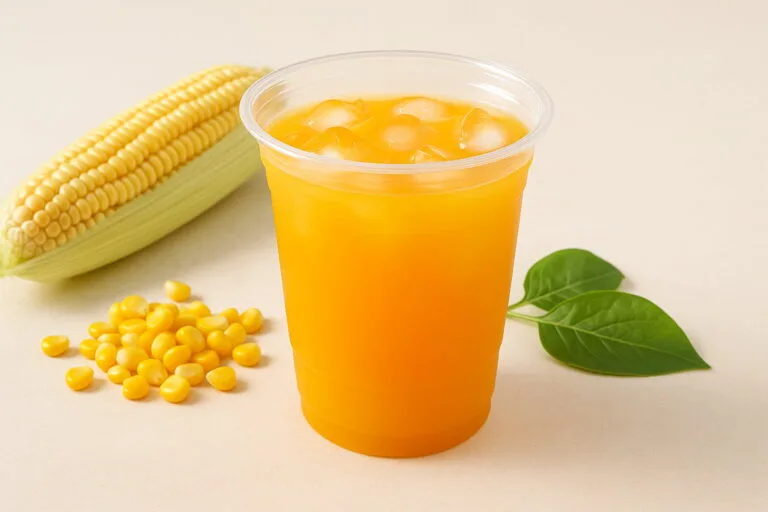
The production of PLA utilizes renewable resources, primarily plant-based materials like cornstarch and sugarcane. This reliance on renewable feedstocks reduces dependence on finite fossil fuels and contributes to a more sustainable lifecycle for the product. — PLA Cup Sizes.