Compostable Cutlery Materials In Foodservice: What To Know | Bioleader®

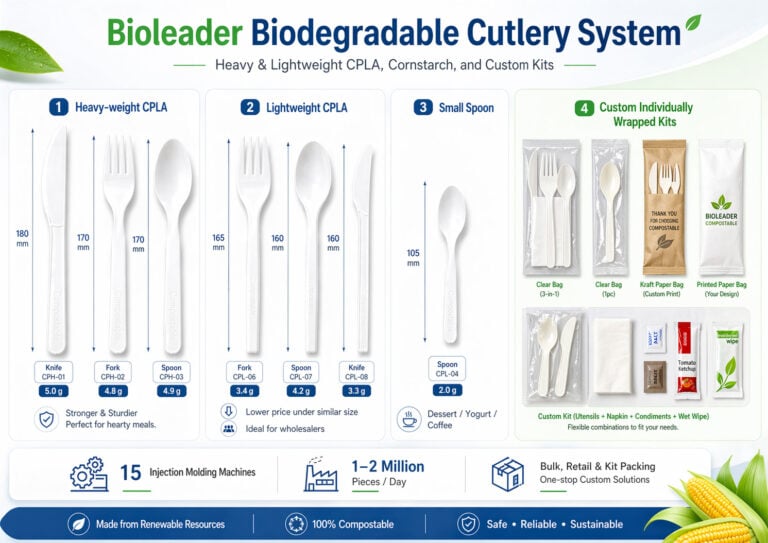
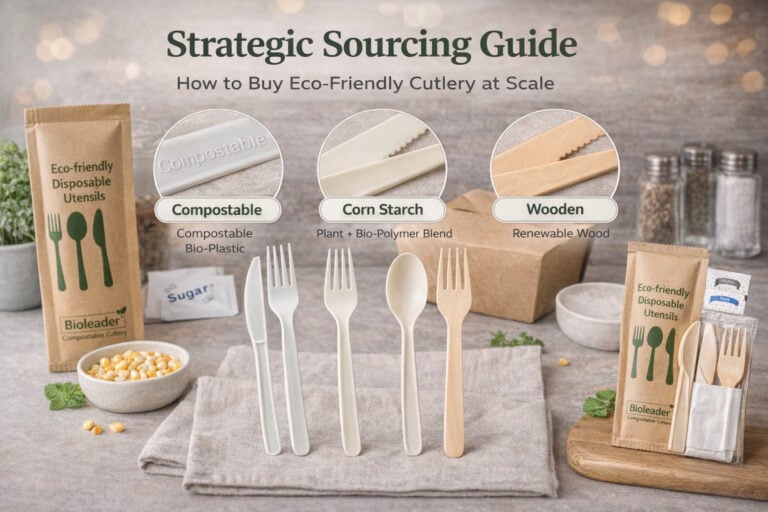
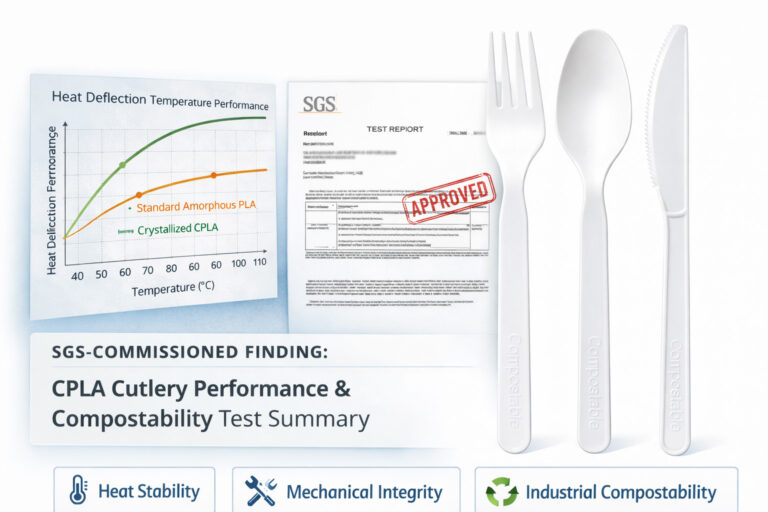
Actionable coverage of compostable cutlery materials: eco-friendly, biodegradable, compostable materials, performance data, and compliance under EN13432 & ASTM D6400. Includes BPI/TÜV references and Food-Contact Tested guidance for safe deployment. Buyer-focused: manufacturer insights, bulk/wholesale buying playbooks, OEM/ODM customization tips, full size range selection.
compostable cutlery materials — Quick Summary
  • Items displayed (articles): 12
  • Last updated: 2025-12-16
  • Includes test data, compliance guides, buyer FAQs, and real-world use cases.

Editor’s Picks: Top Compostable Cutlery Materials Guides 2026

FAQ of Bioleader's Eco-friendly Disposable Tableware

The Production Process: Paper Pulp Molding As Advantageous For Rigid Structures

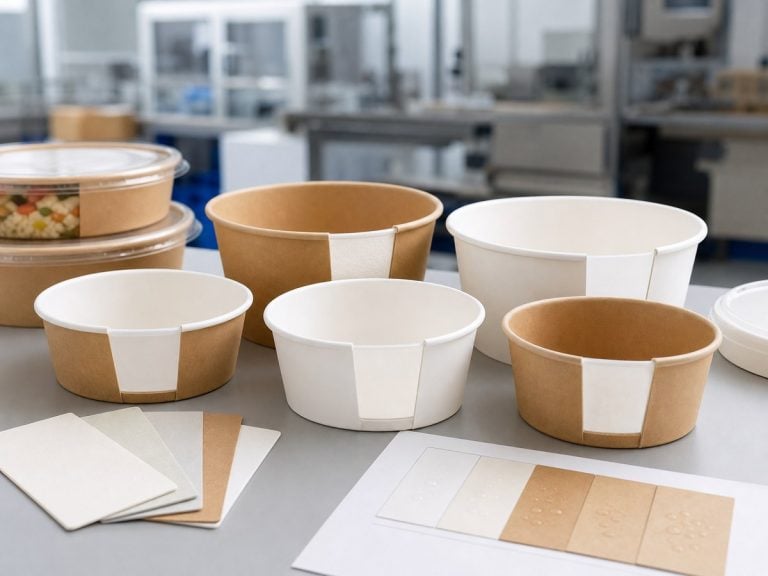
The compostable fiber bowls we manufacture are done so through the sugarcane pulp process. This entails placing sugarcane pulp in certain molds before being subjected to vast amounts of pressure — compostable cutlery materials. The end product is highly durable and has the ability to retain its shape even when subjected to sauces and greases.

Durable and Reliable Performance

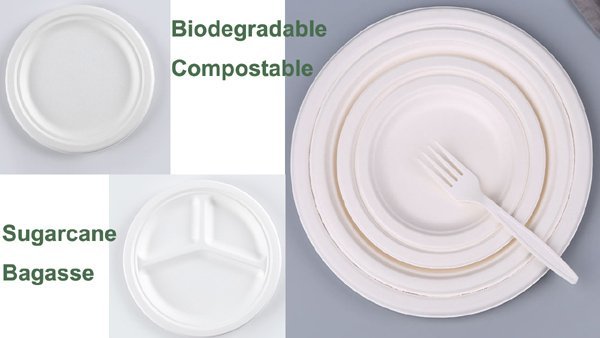
Unlike many disposable options, our sugarcane food trays are built to last throughout their intended use , compostable cutlery materials. Whether exposed to heat, moisture, or refrigeration, they maintain their structure and performance. This durability makes them a reliable choice for any business requiring high-quality, dependable food packaging. Multiple Uses and Applications The bagasse will save you money and the environment — compostable cutlery materials.

2. Are bagasse trays safe for hot and cold foods?

Yes. Bagasse trays are heat-resistant up to 120°C and freezer-safe, making them suitable for both hot meals and cold items. They are commonly used for takeout, school lunches, airline catering, and meal prep.

What should international buyers look for when selecting a biodegradable cutlery manufacturer?

Buyers should evaluate material traceability, certification readiness, scalable production capacity, quality control systems, and export experience.

When should certified compostable cutlery be prioritized over biodegradable options?

Certified compostable cutlery is preferred in regulated markets, public-sector procurement, and ESG-driven programs where third-party standards such as EN 13432 or ASTM D6400 are required.

Related Insights

🚀Ready to Go Green and Choose ?

Join the global movement toward zero-waste packaging.


Bioleader® offers:

  • 📦 Bulk order support & fast delivery

  • ✍️ Custom branding and OEM solutions

  • 🌍 Worldwide eco-packaging compliance

Get the Catalogue Products List  & Contact Us Now! 👉

Contact us Below

Click or drag files to this area to upload.You can upload up to 5 files.
The more details you share, the faster and more accurate our quotation will be.