Highlights from featured articles under this tag:


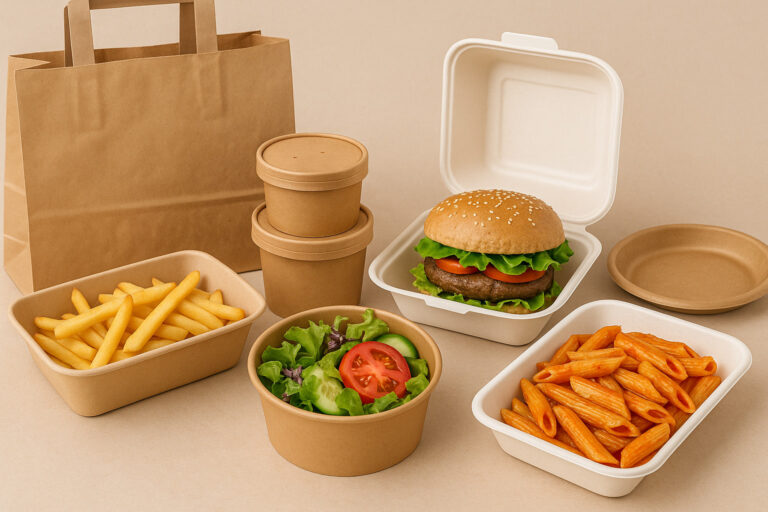
Some PFOA-free food containers may be suitable for hot and oily foods, but buyers should verify heat resistance, oil resistance, leakage performance, coating type, and finished-product testing before use.
Buyers should ask whether the product is also PFAS-free, whether the claim applies to the finished product, whether third-party testing is available, whether the item is food-contact compliant, and whether it performs properly with the intended food application.
PFOA has been phased out or restricted in many major markets and applications. However, buyers should still verify supplier claims, especially for imported products, legacy materials, or products using unclear coating systems.
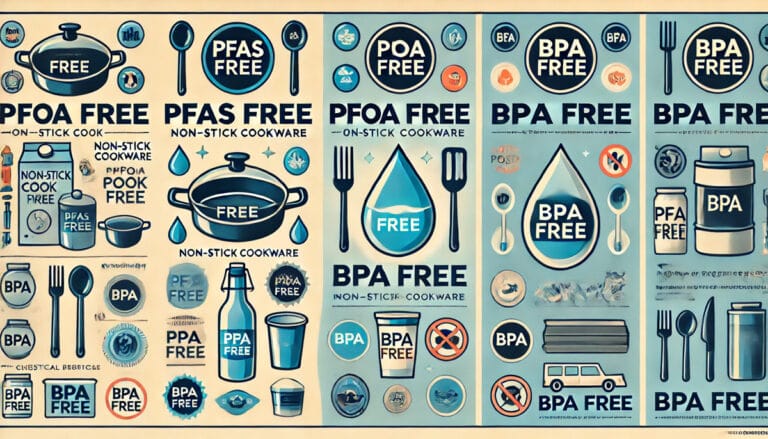
No. PFOA and BPA are different chemical concerns. PFOA is a PFAS compound, while BPA is bisphenol A and is mainly associated with certain plastics and resins. A product may need separate verification for PFOA-free, PFAS-free, and BPA-free claims.
No. PFOA-free is narrower than PFAS-free. PFOA is only one PFAS compound, while PFAS refers to a broader family of fluorinated chemicals. A product can be PFOA-free but still contain other PFAS unless a broader PFAS-free claim is verified.
Join the global movement toward zero-waste packaging.
Bioleader® offers:
📦 Bulk order support & fast delivery
✍️ Custom branding and OEM solutions
🌍 Worldwide eco-packaging compliance
Get the Catalogue Products List & Contact Us Now! 👉