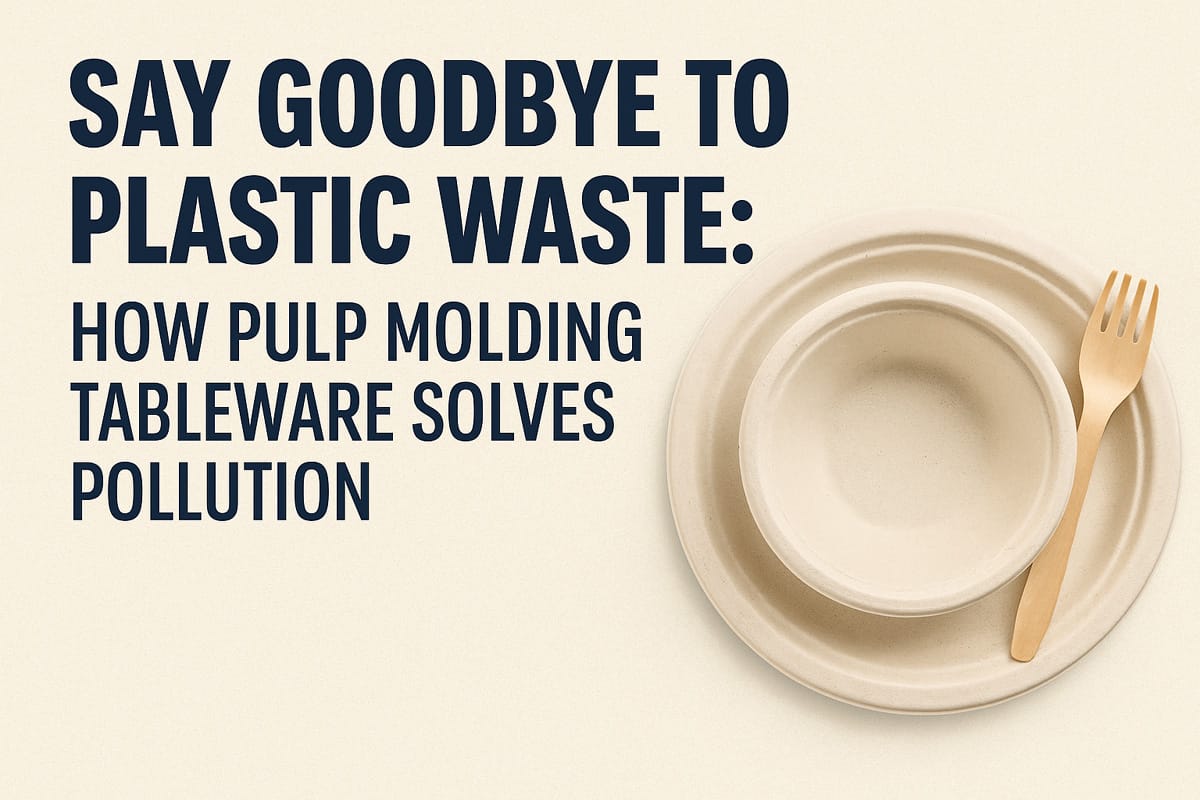
Bagasse is a plant-based fibrous material derived from sugarcane residue after juice extraction, widely used as a renewable raw material for food packaging, paper pulp, and bioenergy applications.
Industry Scope:
In practice, bagasse is primarily applied in short-lifecycle, single-use products—especially foodservice packaging—where biodegradability, heat resistance, and regulatory compliance are critical.
What Is Bagasse?
Bagasse Definition and Meaning
Bagasse is the fibrous residue that remains after sugarcane stalks are crushed to extract their juice. Traditionally considered an agricultural byproduct or waste, bagasse now stands at the forefront of the sustainable packaging revolution. In the simplest terms, the bagasse meaning refers to a plant-based fiber, mainly sourced from sugarcane, that offers a compelling alternative to wood pulp, plastic, and other non-renewable resources.
The word “bagasse” comes from the French term for refuse, yet its modern application turns this definition on its head. Rather than being discarded, bagasse is repurposed into a broad array of eco-friendly products(like sugarcane bagasse tableware), making it a vital part of today’s circular economy.
When discussing what is bagasse made of, it is important to note that bagasse primarily consists of cellulose, hemicellulose, and lignin — all naturally derived plant fibers. This composition makes it both strong and flexible, ideal for a variety of commercial uses.
 |  |
What Is Sugarcane Bagasse?
What is Bagasse Paper Pulp?
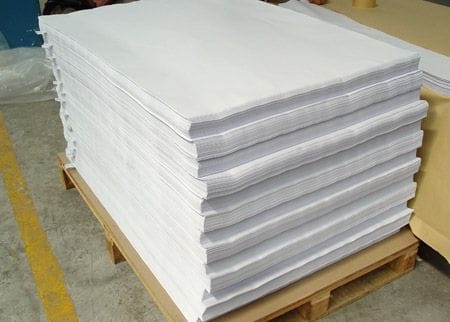
Bagasse can also be processed into paper pulp, a biodegradable alternative to traditional paper products made from wood. This is achieved through a pulping process that separates the cellulose fibers from other components in the bagasse. Once pulped, the fibers are used to create paper products such as napkins, paper cups, plates, and other disposable goods.
The use of bagasse in paper production is a significant step toward reducing deforestation, as it reduces the demand for wood-based paper. Furthermore, because bagasse is an agricultural waste product, using it for pulp helps reduce waste in the sugarcane industry.
Benefits of Bagasse Paper Pulp:
- Sustainability: Bagasse pulp is a renewable resource and does not contribute to deforestation.
- Reduced Waste: By recycling agricultural byproducts, bagasse pulp helps reduce waste that would otherwise go unused.
- Strength and Flexibility: Bagasse paper pulp is durable, strong, and flexible, making it suitable for various types of paper products.
How Is Bagasse Made?
Bagasse Material and Composition
Bagasse material is created during the sugar production process. Once sugarcane is harvested and transported to mills, it is washed and crushed to extract sugar-rich juice. The leftover fibrous pulp — bagasse — is then collected, dried, and further processed.
This raw material is rich in cellulose (about 45–55%), hemicellulose (20–25%), and lignin (18–24%), giving it the required strength and structural integrity for product manufacturing.
The resulting bagasse pulp can be refined and molded into a variety of forms, ranging from disposable food containers and bowls to paper and bioenergy pellets.
Is Bagasse Recyclable?
From an environmental perspective, is bagasse recyclable is a common question. Bagasse is not only compostable but also recyclable in certain paper mills that process plant-based fibers. However, for most applications, bagasse’s true ecological value comes from its compostability rather than traditional recycling.
Food-contact bagasse products contaminated with oil or food waste may not be suitable for standard recycling, but they break down efficiently in industrial composting environments.
Leading certification standards, such as those from the Biodegradable Products Institute (BPI) and TÜV Austria, confirm that bagasse packaging and tableware meet stringent compostability requirements.
Is Bagasse Compostable?
Absolutely. Bagasse is classified as compostable under global standards, including EN13432 (EU), ASTM D6400 (USA), and the Australian AS 4736. According to EPA and BPI guidelines, compostable bagasse foodservice items will decompose within 60–90 days in commercial composting facilities.
This process returns nutrients to the soil without leaving harmful residues or microplastics, making bagasse a preferred material for eco-conscious brands and municipalities implementing plastic bans.
In summary, is bagasse compostable is no longer in question — it is an industry-leading solution for disposable and to-go food packaging.
What is Bagasse Used For?
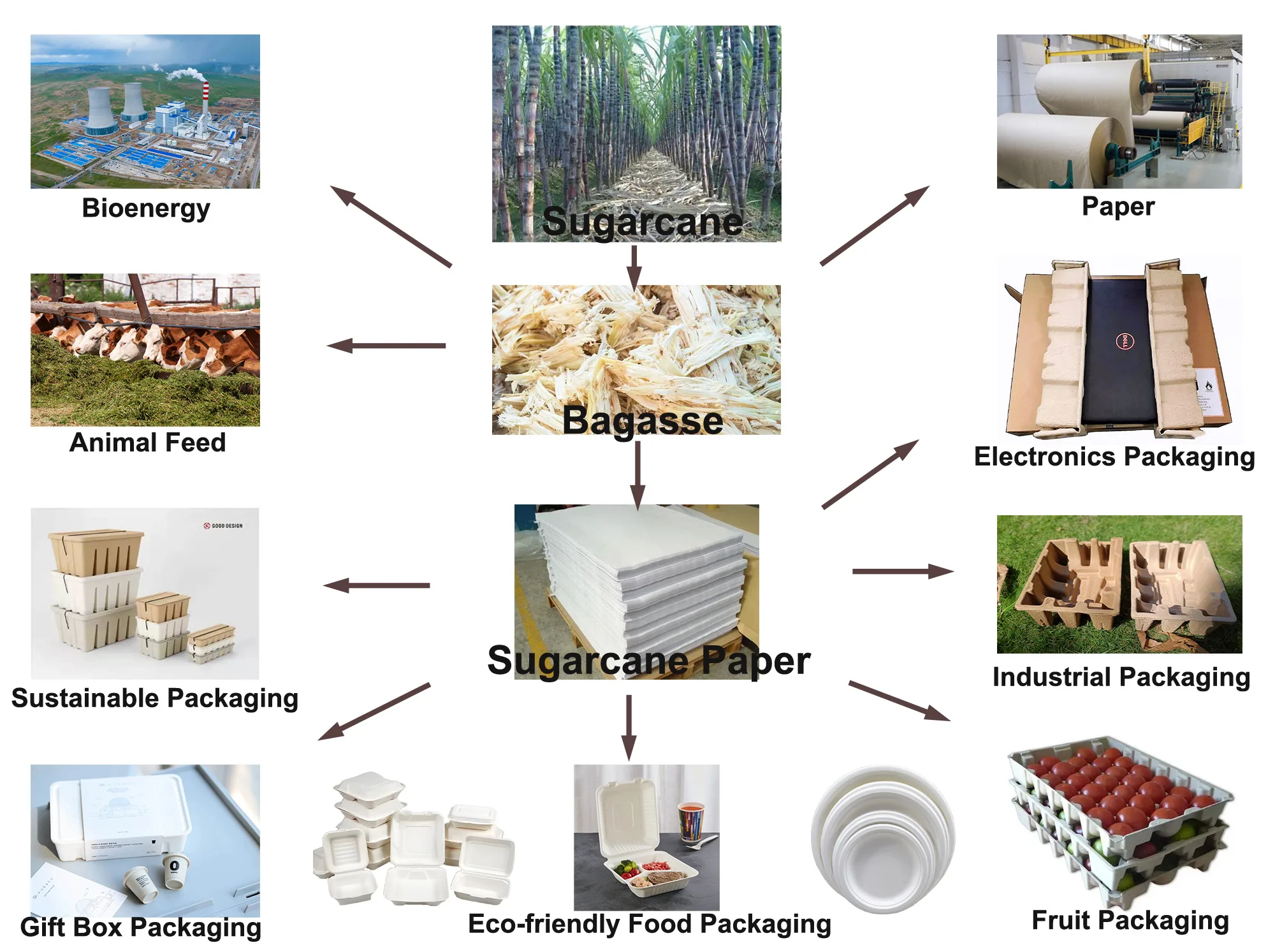
Bagasse’s utility has evolved far beyond agricultural waste. Today, it underpins multiple global industries with an emphasis on sustainability, resource efficiency, and circularity. The following are the main uses of bagasse, including a high-level overview based on authoritative reports (e.g., European Bioplastics, World Economic Forum, BPI, and industry publications).
1. Sustainable Packaging
The largest and fastest-growing segment for bagasse uses is sustainable packaging.
Industrial and Electronics Packaging:
Bagasse is molded into robust, shock-absorbing trays, inserts, and protective packaging components that outperform conventional plastic and polystyrene materials in industrial and electronics applications. Its excellent cushioning, thermal insulation, and anti-static properties make bagasse a preferred choice for safeguarding delicate electronic devices, components, and precision instruments during shipping and storage. For manufacturers seeking to reduce their carbon footprint and comply with global sustainability standards, bagasse packaging offers a renewable, compostable solution that supports both product safety and environmental responsibility.
Sustainable Packaging – Bagasse 
Compostable Industrial Electronics Packaging – Bagasse


Paper Food Boxes: As cities and countries introduce plastic bans, the demand for paper food containers made from bagasse has surged. These containers are suitable for hot and cold foods, are grease- and cut-resistant, and can be safely microwaved.

Market data: According to a 2024 MarketsandMarkets report, the global molded fiber packaging market is projected to reach USD 10.5 billion by 2028, with bagasse-based products representing over 30% of new capacity in Asia-Pacific and Europe.
2. Biodegradable Tableware
Bagasse definition in modern foodservice includes plates, bowls, cutlery, and cups — all designed to be fully disposable and compostable.
Compostable Plates and Bowls: Widely adopted at events, festivals, offices, and quick-service restaurants for their strength and environmental compliance.
Disposable Tableware: Bagasse can be formed into forks, knives, spoons, and even stirrers, offering a certified compostable replacement for single-use plastics.
 |  |
Certification note: The Biodegradable Products Institute (BPI) and TÜV Austria offer compostable certification for bagasse tableware, ensuring international acceptance.
3. Paper Products and Pulp
Bagasse is a recognized substitute for wood pulp in the paper industry.
Writing Paper and Notebooks: In regions where wood resources are scarce, bagasse pulp is used to make writing paper, envelopes, and notepads.
Tissues and Towels: Soft, absorbent, and natural, bagasse-derived tissue paper and napkins are becoming more prevalent in sustainable hospitality and personal care markets.
Cartons and Packaging Board: Bagasse pulp offers high bulk and stiffness, ideal for producing sturdy cartons and packaging boards.
4. Bioenergy and Biofuels
Historically, bagasse was used to fuel sugar mills. Today, it continues to support renewable energy efforts.
Cogeneration: Bagasse is burned in high-efficiency boilers to generate electricity and steam for sugar mills, reducing reliance on fossil fuels.
Bioethanol and Biogas: Bagasse is a promising feedstock for cellulosic ethanol and methane production, supporting biofuel mandates in several countries.
Data point: In Brazil, bagasse cogeneration supplies over 8% of the country’s electricity demand during the sugarcane harvest season (Brazilian Sugarcane Industry Association, 2023).
5. Animal Feed and Other Applications
Animal Feed: Bagasse can be processed and blended with other nutrients to provide a roughage source for cattle.
Soil Conditioner: After composting, bagasse returns organic matter to the soil, improving fertility and structure.
Bioplastics and Composites: R&D continues into using bagasse fibers in bioplastic resins and composite materials for automotive, consumer goods, and construction.
Industry trend: As sustainability regulations tighten, the innovation pipeline for bagasse applications is expanding rapidly, with new patents and startups emerging annually.
| Use Case | Advantages | Range of Use |
|---|---|---|
| Sustainable Packaging | Biodegradable, compostable, reduce plastic waste | Industrial pack, electronics pack, gift box, food containers, trays, shipping materials |
| Disposable Tableware | Durable, heat-resistant, water- and grease-resistant | Plates, bowls, cups, trays, cutlery |
| Paper and Pulp Products | Sustainable alternative to wood, reduces deforestation, cost-effective | Napkins, paper towels, disposable coffee cups |
| Bioenergy Production | Renewable, reduces reliance on fossil fuels, creates energy efficiency | Heat and electricity generation in sugar mills |
| Animal Feed and Textiles | Uses agricultural byproducts, reduces waste, can improve sustainability | Livestock feed, experimental fiber-based textiles |
Primary vs. Secondary Uses of Bagasse
While bagasse has multiple downstream applications, not all uses carry the same industrial priority or commercial scale.
Primary uses of bagasse are concentrated in food-contact and packaging applications, such as molded fiber tableware, takeaway containers, and disposable plates. These uses capitalize on bagasse’s natural fiber strength, heat resistance, and compostability, aligning with global regulations on single-use plastics.
Secondary uses include paper pulp production, bioenergy generation, and agricultural amendments. In these sectors, bagasse is often blended with other fibers or processed further, serving as a supplementary raw material rather than a finished consumer product.
Understanding this distinction helps buyers and manufacturers evaluate where bagasse delivers the highest functional and environmental value.
Bagasse Uses in Food Packaging
Bagasse Packaging Material Advantages
Bagasse’s unique composition gives it substantial advantages over traditional packaging materials, particularly for disposable and to-go applications.
Heat Resistance: Withstands hot foods and liquids up to 120°C without warping or releasing chemicals.
Grease and Oil Resistance: Ideal for fried foods, curries, or sauces, offering leak-proof performance superior to many plastic or paper-based alternatives.
Microwave and Freezer Safe: Bagasse containers can be reheated or frozen without degrading quality or releasing toxins.
Customizable and Printable: Modern manufacturing enables custom branding and printing, supporting marketing for foodservice brands.
Bagasse vs. Paper and Plastic Packaging
| Feature | Bagasse | Paper | Plastic |
|---|---|---|---|
| Source | Sugarcane waste (plant-based) | Wood pulp (may require deforestation) | Petroleum (non-renewable) |
| Compostability | Industrial/Home (EN13432, ASTM D6400) | Compostable (if uncoated) | Rare, often not compostable |
| Oil/Heat Resistance | High | Moderate/Low | High |
| Safety | BPA/PFAS Free | May contain coatings | May leach chemicals |
| Environmental Impact | Reduces waste, supports circularity | Resource intensive | Long-lived, landfill burden |
Conclusion: Bagasse outperforms conventional materials for sustainability, safety, and performance — especially in the disposable food packaging sector.
Applications: Disposable Food Containers, Plates, Bowls, and Cutlery
Takeaway Food Box: Bagasse food boxes are favored for their sturdy build and leak-proof design, meeting the demands of takeaway and food delivery platforms.
Compostable Bowls and Plates: With natural strength and resilience, bagasse bowls and bagasse plates are chosen for their eco-friendly, single-use convenience at events, cafeterias, and offices.
Bagasse Cutlery: Certified compostable forks, knives, and spoons can handle hot and heavy foods, making them perfect for fast-casual, takeaway, and to-go environments.
Paper Food Box / Paper Food Containers: Bagasse pulp is now widely used to make high-strength paper food boxes and containers, replacing PE- or PLA-lined paper options for improved compostability.
Market momentum: Foodservice chains such as Starbucks, McDonald’s Japan, Pret a Manger, and others have adopted bagasse packaging to meet regulatory requirements and enhance sustainability branding.
Limitations and Common Misconceptions About Bagasse
Despite its sustainability benefits, bagasse is not a universal replacement for all materials, and several misconceptions persist in the market.
One common misunderstanding is that bagasse can fully replace plastic in long-term liquid storage. In reality, bagasse products are engineered for short holding times and immediate consumption scenarios, not extended shelf-life packaging.
Another misconception is that all bagasse products perform identically. Thickness, fiber formulation, molding pressure, and surface treatment significantly influence strength, oil resistance, and heat tolerance.
Recognizing these limitations allows brands and buyers to deploy bagasse where it performs best—rather than expecting it to replicate plastic in every use case.
Environmental Benefits of Bagasse
How Bagasse Supports Sustainable Packaging
Rapid Renewability: Sugarcane’s fast growth and annual harvest cycle create a continuous supply of bagasse, avoiding the depletion of forests or fossil resources.
Low Carbon Footprint: Bagasse utilizes what would otherwise be discarded, reducing methane emissions from open-air burning or landfill disposal.
Circular Economy: By converting agricultural waste into value-added products, bagasse embodies the principles of waste minimization and resource efficiency.
Regulatory Alignment: Bagasse packaging complies with plastic ban legislation in the EU, USA, UAE, India, and other leading economies, supporting compliance for foodservice exporters and retailers.
Is Bagasse Biodegradable?
Bagasse is both biodegradable and compostable, distinguishing it from many bioplastics and coated paperboards.
Composting Performance: Certified bagasse products fully degrade within 60–90 days in industrial composters, and select grades are home-compostable under certain conditions.
End-of-Life Options: When disposed of in general waste, bagasse still breaks down faster than traditional plastics, with no microplastic residue or toxic byproducts.
Certification: Look for compostability logos (BPI, TÜV Austria OK compost) to ensure performance.
Recommend Bioleader Bagasse Tableware Manufacturer
If you’re in the market for sustainable, high-quality disposable tableware, Bioleader is a manufacturer worth considering. They specialize in bagasse-based products, offering a wide range of disposable plates, bowls, trays, and more.
Why Bioleader?
- Sustainability Focus: Bioleader is dedicated to producing eco-friendly products that are both high in quality and low in environmental impact.
- Innovative Designs: The company is committed to improving its products to meet the highest standards for both functionality and sustainability.
- Global Presence: With a broad customer base worldwide, Bioleader is able to meet the needs of businesses in various industries, from foodservice to retail.

In conclusion, bagasse is an incredibly versatile and sustainable material. It’s being used more and more in packaging, tableware, and even energy production, helping businesses and consumers make environmentally conscious choices. If you’re looking to make the switch to sustainable practices, partnering with a reliable manufacturer like Bioleader is a great first step in the right direction.
Frequently Asked Questions (FAQ) About Bagasse
1. What is the meaning of bagasse?
Bagasse is the fibrous residue left after extracting juice from sugarcane, now used as a sustainable raw material in food packaging, tableware, and more.
2. What is bagasse packaging material?
Bagasse packaging material is molded fiber made from sugarcane pulp, designed for eco-friendly, compostable food containers, plates, and bowls.
3. Is bagasse recyclable or compostable?
Bagasse is fully compostable under industrial conditions, breaking down within 2–3 months, and can sometimes be recycled with other plant-based fibers.
4. What are the main uses of bagasse in the food industry?
Bagasse is used for disposable food containers, takeaway and to-go boxes, compostable plates and bowls, and biodegradable cutlery.
5. What is sugarcane bagasse made of?
Sugarcane bagasse consists of cellulose, hemicellulose, and lignin — naturally occurring plant fibers that provide strength and flexibility.
6. How is bagasse different from traditional paper or plastic?
Unlike paper made from wood or plastics made from petroleum, bagasse is renewable, compostable, and derived from agricultural waste, reducing environmental impact.
7. Is bagasse safe for food contact and microwave use?
Yes. Certified bagasse packaging is free from harmful chemicals like BPA and PFAS, safe for both hot and cold foods, and suitable for microwave heating.
8. Is bagasse suitable for all types of food packaging?
Bagasse is best suited for hot meals, takeaway food, and short-term food contact applications. It is not designed for long-term liquid storage or extended shelf-life packaging without additional material engineering.
9. What should buyers consider when sourcing bagasse products?
Buyers should evaluate fiber quality, molding process, thickness specifications, certifications (such as compostability and food safety), and the intended food application to ensure consistent performance.
Reference Source:
- “The sustainability of bagasse as a packaging material” – John Smith, Journal of Environmental Sustainability.
https://www.jes.org/bagasse-packaging - “Bagasse as an alternative to plastic: Benefits and applications” – Mary Johnson, Green Packaging Solutions.
https://www.greenpackagingsolutions.com/bagasse-alternatives - “Bagasse for Bioenergy and Sustainable Production” – R. Turner, Renewable Energy Research.
https://www.renewable-energy-research.org/bagasse-bioenergy - “Agricultural Waste Utilization: A Look at Bagasse” – Andrew Thomas, Journal of Agricultural Waste Management.
https://www.jagw.org/bagasse-utilization - “Environmental Benefits of Biodegradable Packaging” – Emma Parker, Eco-Innovation Trends.
https://www.ecoinnovationtrends.com/biodegradable-packaging - “Eco-Friendly Disposable Tableware: Materials and Innovations” – Lisa Green, Sustainable Foodservice Solutions.
https://www.sustainablefoodservice.com/disposable-tableware - “Paper Pulp from Bagasse: A Sustainable Alternative” – Michael Wong, Pulp and Paper Industry Journal.
https://www.pulpandpaperindustryjournal.com/bagasse-paper-pulp