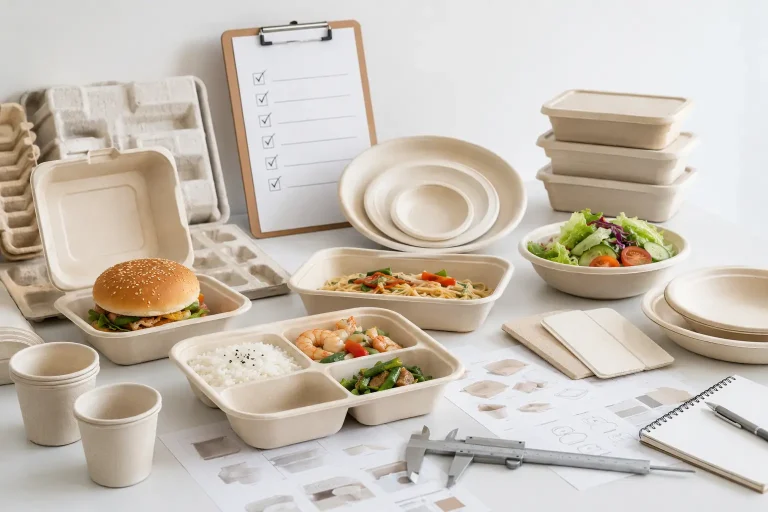
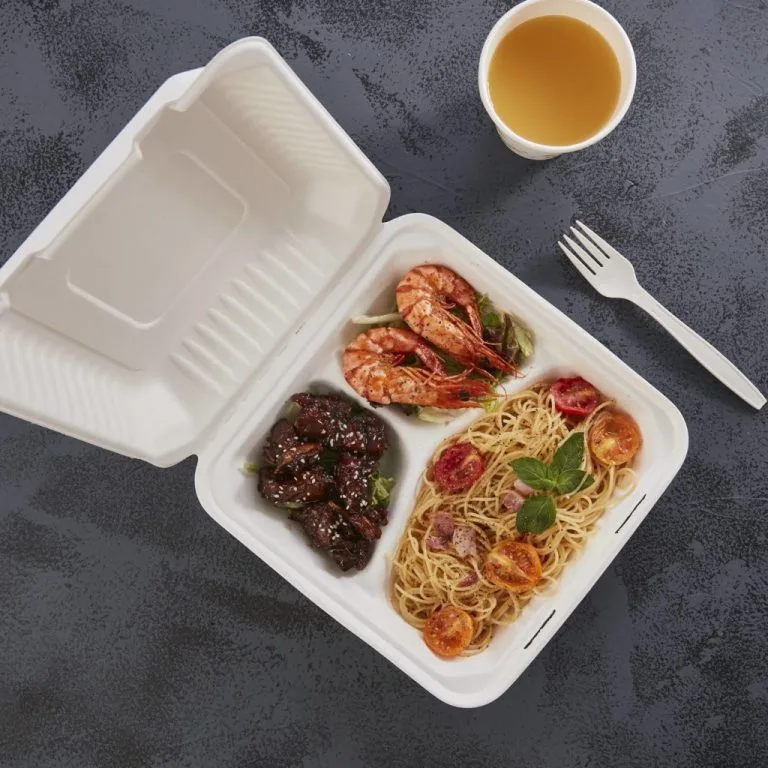
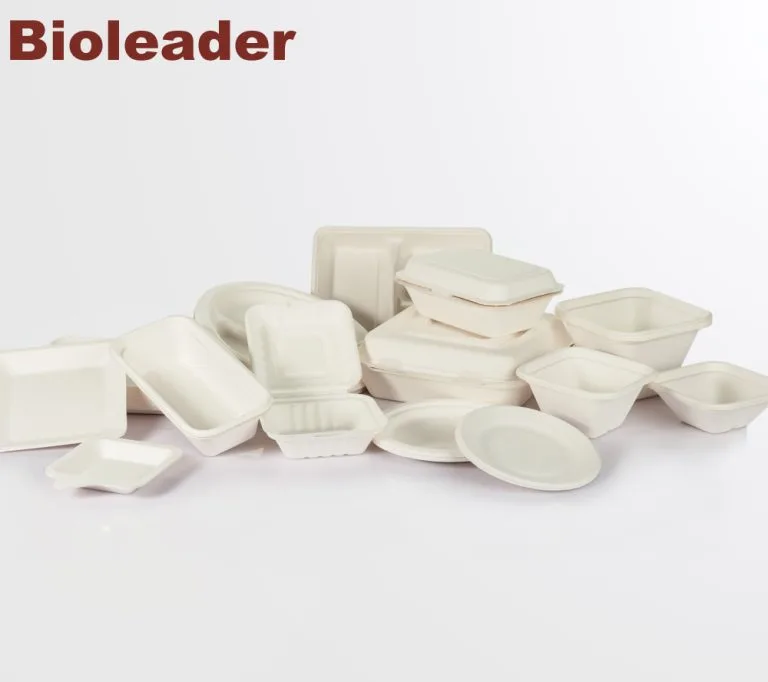
Trends In Bagasse Packaging: Market Insights, Innovations & FAQs | Bioleader® Guides

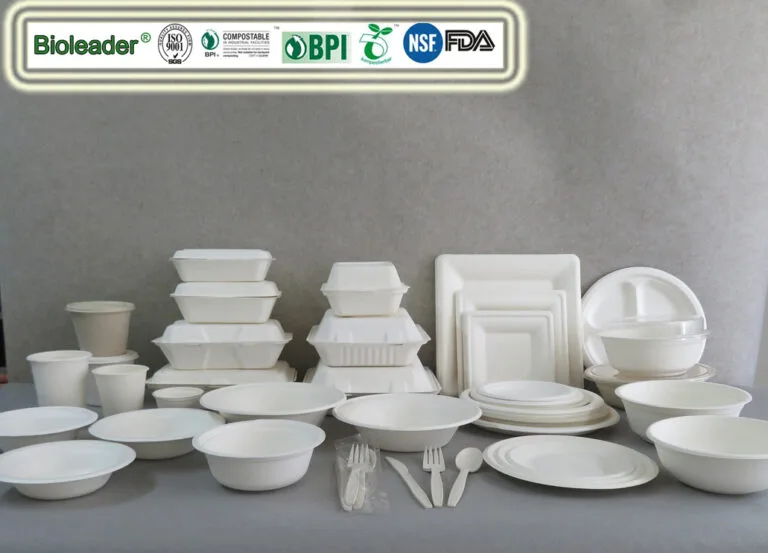
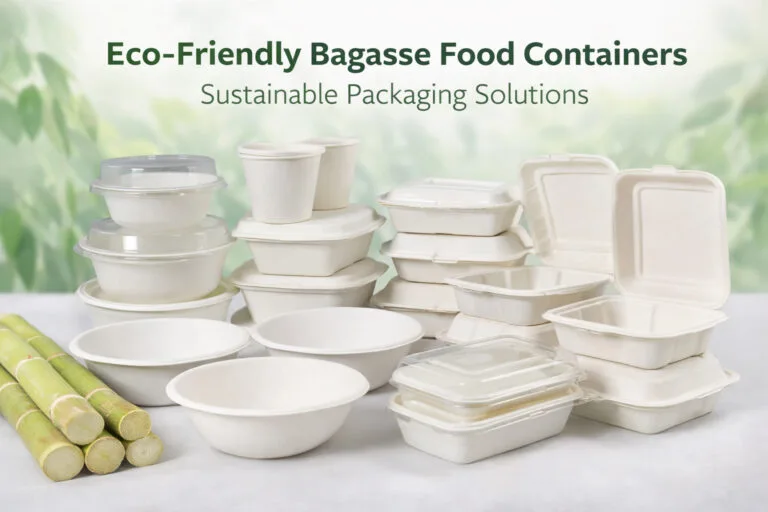
Actionable coverage of Bagasse packaging: eco-friendly, biodegradable, compostable materials, performance data, and compliance under EN13432 & ASTM D6400. Includes BPI/TÜV references and Food-Contact Tested guidance for safe deployment. Buyer-focused: manufacturer insights, bulk/wholesale buying playbooks, OEM/ODM customization tips, full size range selection.
Bagasse packaging — Quick Summary
  • Items displayed (articles): 12
  • Last updated: 2025-12-25
  • Includes test data, compliance guides, buyer FAQs, and real-world use cases.

Editor’s Picks: Top Bagasse Packaging Guides 2026

FAQ of Bioleader's Eco-friendly Disposable Tableware

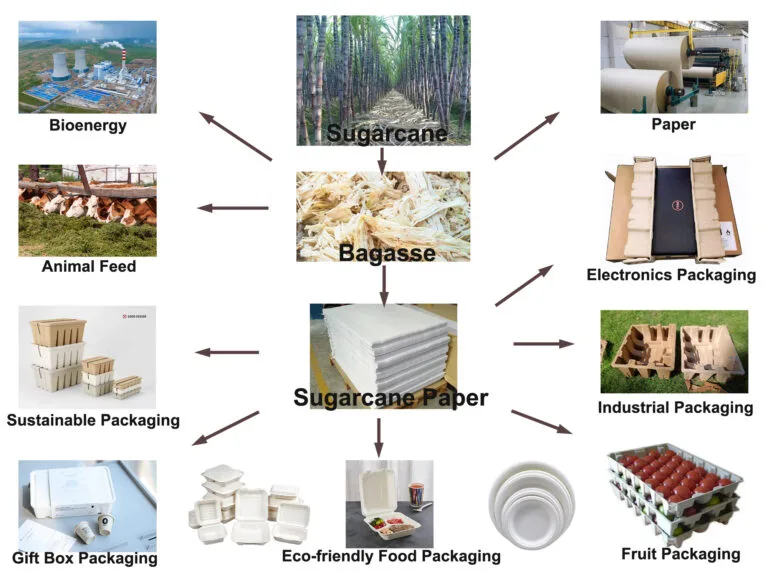
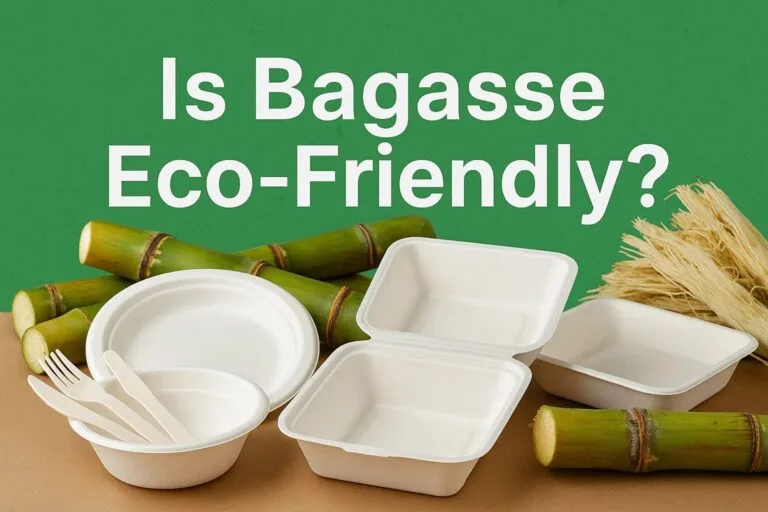
Why Choose Sugarcane Bagasse?

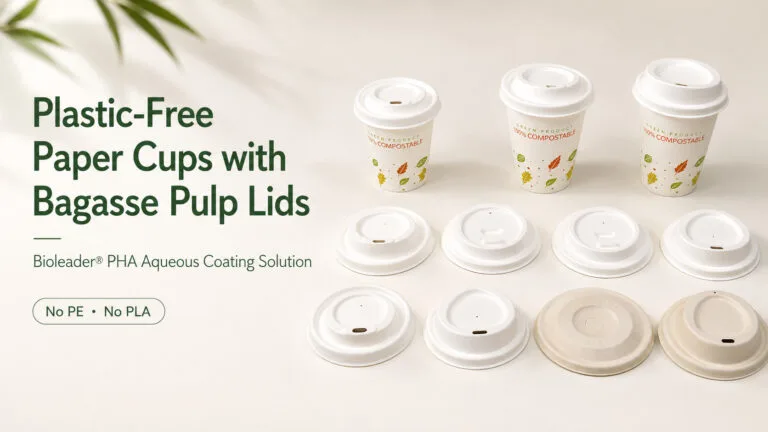
Renewable Resource: Since sugarcane is harvested and grown repeatedly, the containers become eco-friendly, and more products can be produced using bagasse fiber. This approach in a holistic way starts reducing waste entirely , Bagasse packaging. Decomposable & Environment Friendly: Because of the usage of bagasse containers eliminate the need for plastic and styrofoam bowls. This approach further helps eliminate waste from dumping/filling grounds and further helps the environment while everything decomposes into compost materials.

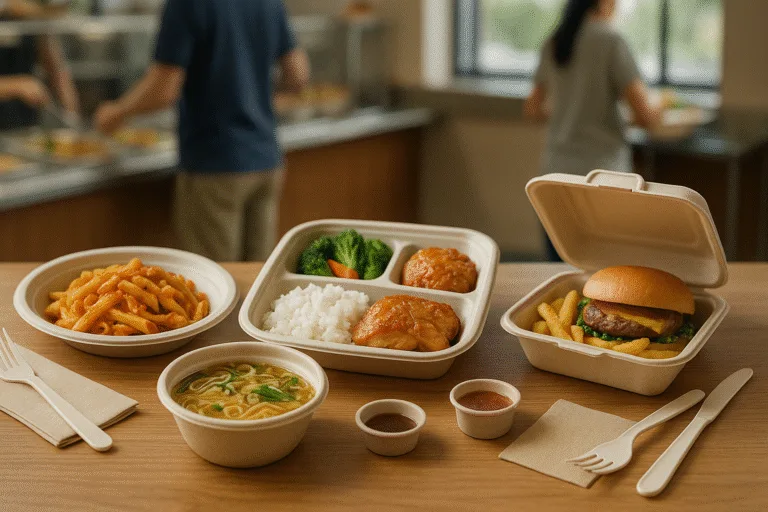
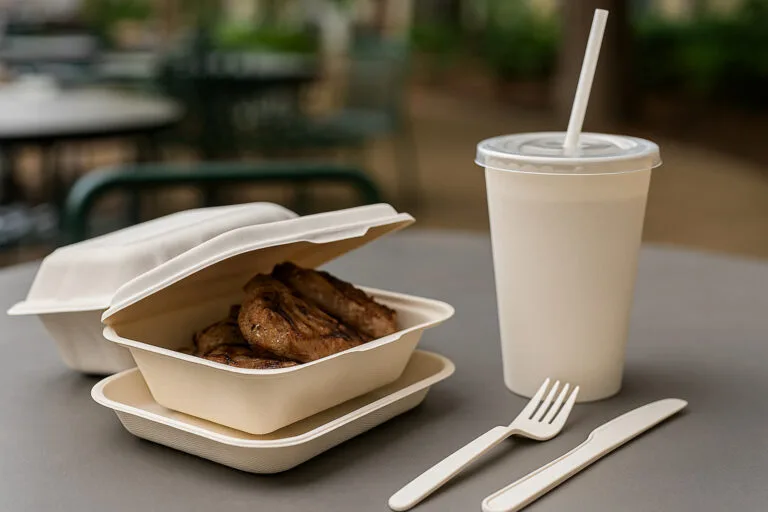
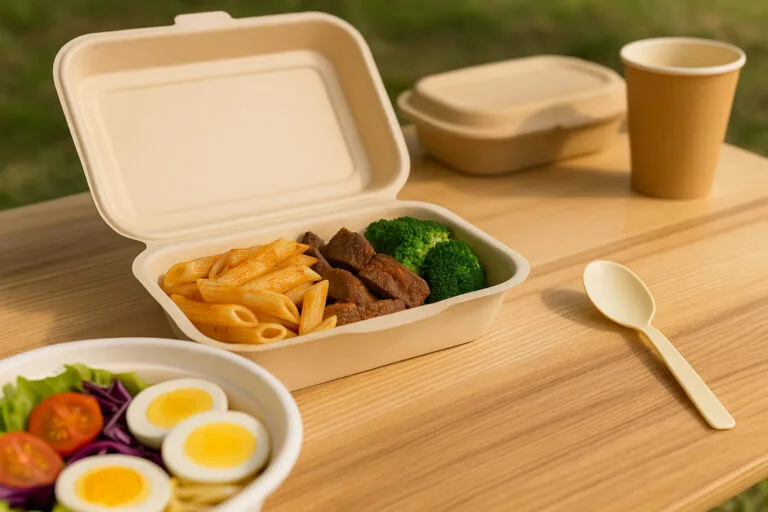
2. What materials are commonly used for takeaway trays with lids?

These trays are typically made from sugarcane bagasse, kraft paper, aluminum, or plastic (PP or PET). Eco-friendly versions are made from compostable materials like molded fiber or PLA, offering sustainable alternatives to plastic foam trays.

Food Delivery Special Trays

The specially designed trays made from mycelium won’t get affected by oil or water which means there will be no leaks during food delivery , Bagasse packaging. This incredible feature makes them suitable for numerous dishes, including those that include sauce or oil. Customers find it more appealing to order our branded takeaway trays with lids as they do not have to deal with any mess.

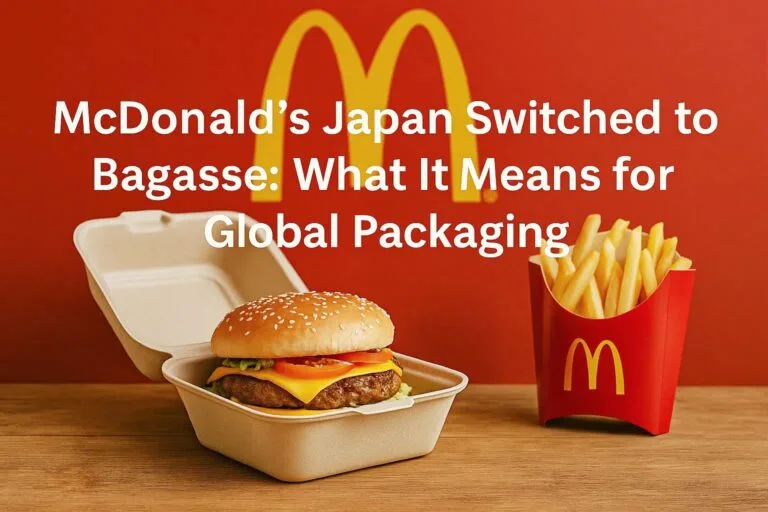
Why did McDonald’s Japan stop using plastic food containers?

McDonald’s Japan phased out plastic containers to reduce marine pollution, meet its net-zero emission goals, and comply with increasing consumer demand for sustainable packaging.

Why is bagasse considered an eco-friendly material?

Bagasse is a byproduct of sugarcane processing, making it a renewable resource. It’s biodegradable, compostable, and reduces reliance on plastic and virgin paper pulp , Bagasse packaging.

Related Insights

🚀Ready to Go Green and Choose ?

Join the global movement toward zero-waste packaging.


Bioleader® offers:

  • 📦 Bulk order support & fast delivery

  • ✍️ Custom branding and OEM solutions

  • 🌍 Worldwide eco-packaging compliance

Get the Catalogue Products List  & Contact Us Now! 👉

Contact us Below

Click or drag files to this area to upload.You can upload up to 5 files.
The more details you share, the faster and more accurate our quotation will be.