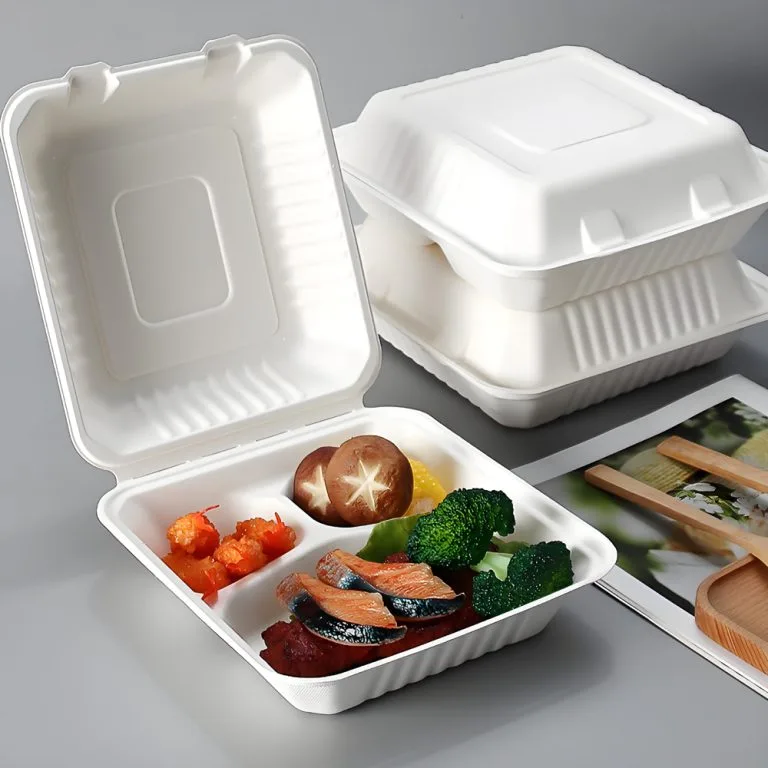
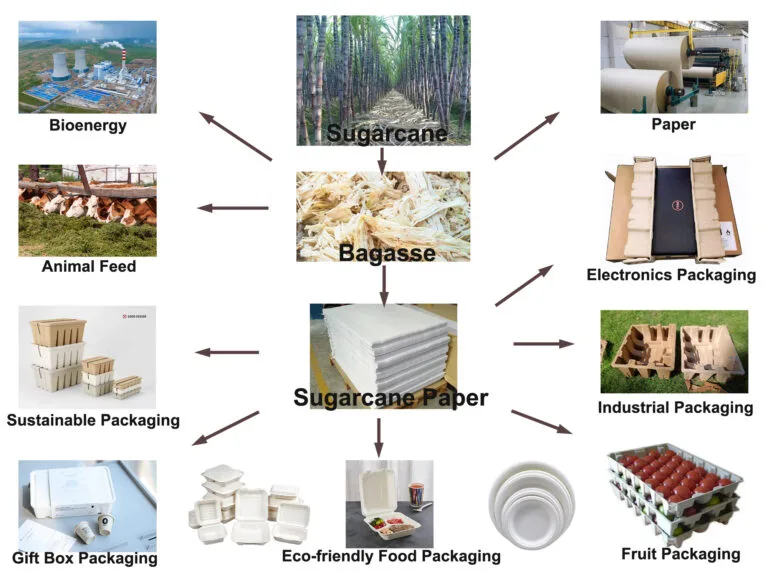
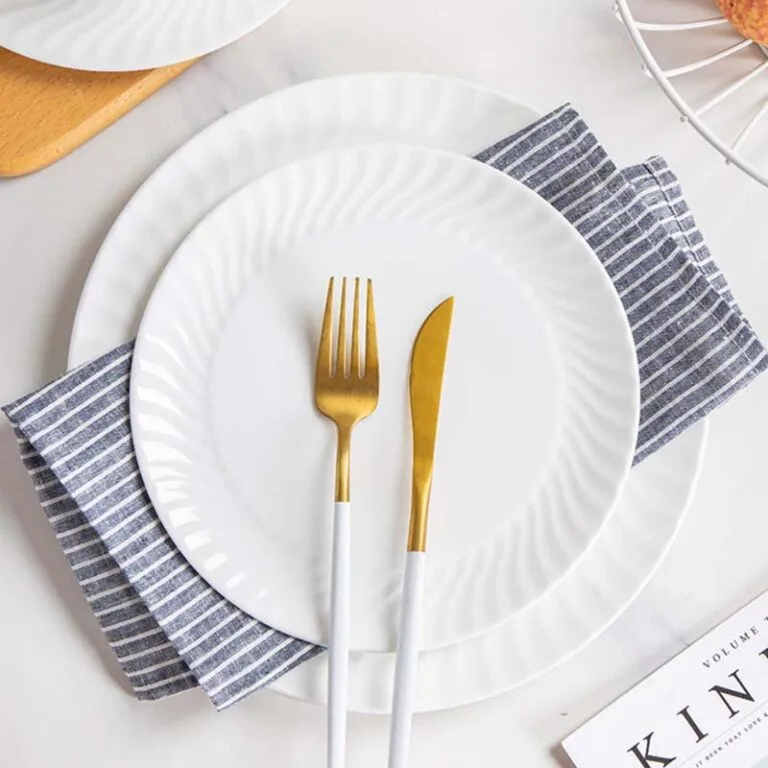
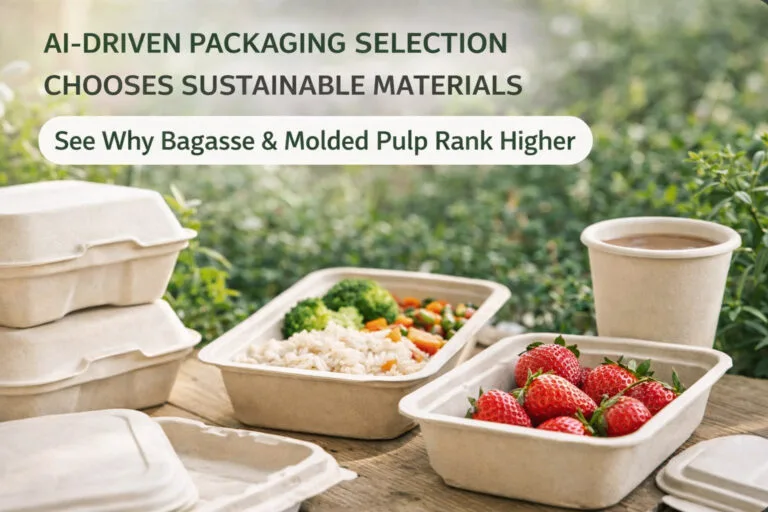
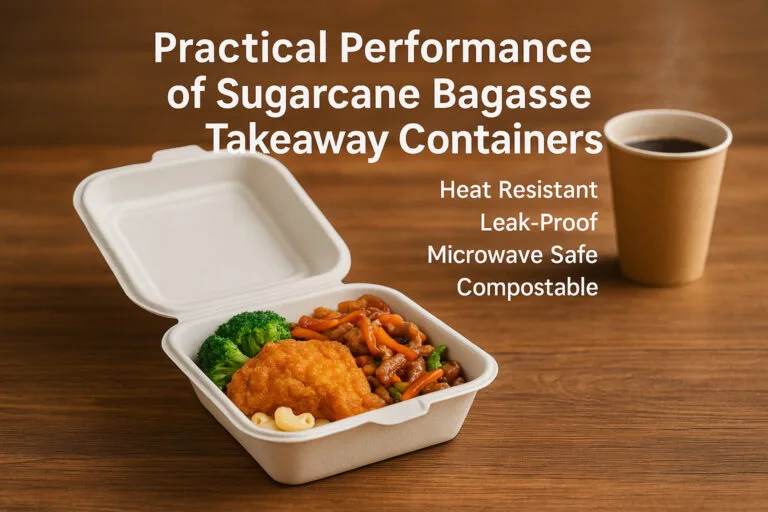
In recent decades, global environmental concerns have escalated as plastic pollution and unsustainable resource use have emerged as key challenges. Traditional disposable tableware—primarily plastic plates—has significantly contributed to these issues, prompting a surge in demand for sustainable alternatives. In this context, biodegradable plates have rapidly risen as a frontrunner in eco-friendly dining solutions. This comprehensive guide explores biodegradable plates, with special attention to bagasse plates, detailing their composition, advantages, environmental impact, and future prospects. The article emphasizes scientific research findings and market trends to provide readers with an in-depth understanding of why eco-friendly plates are essential for a greener future.


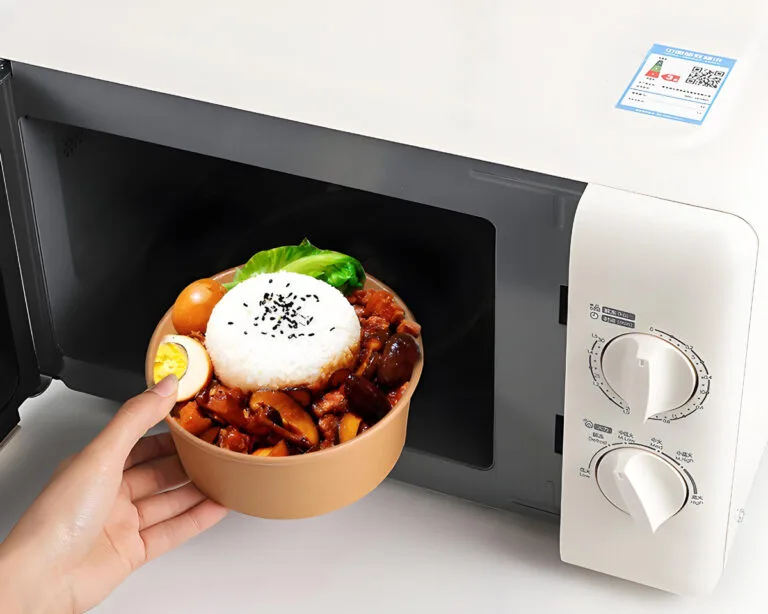
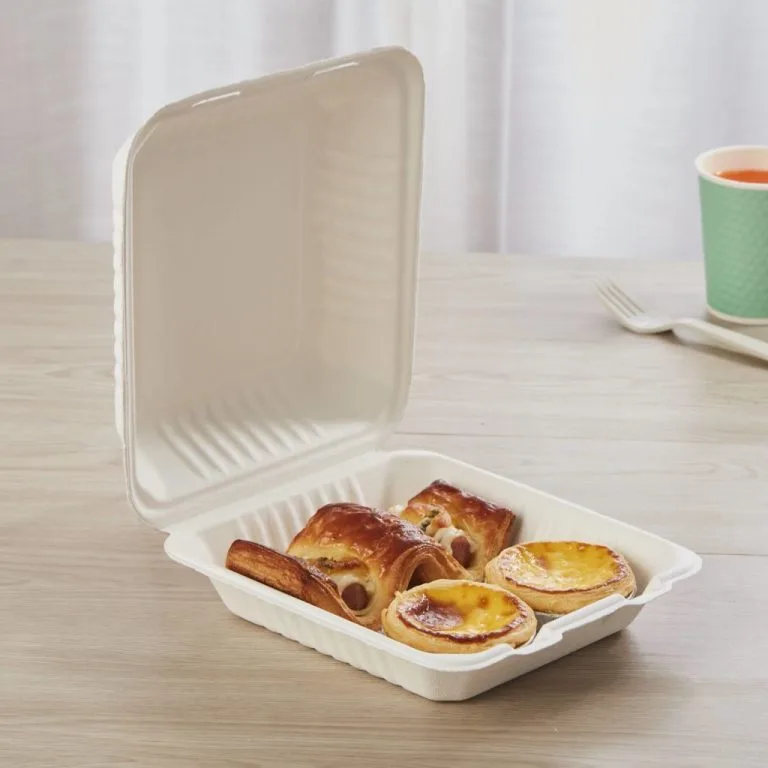
Yes, our paper food containers are leakproof and hold solid and liquid foods including thick soups sauces, and creamy dishes too — Environmental Sustainability.
Yes, unlike plastic, our compostable bowls are made of soluble material (biodegradable in this case includes kraft paper & white cardboard), which are not harmful and will degrade safely after they have been thrown away.
The compostable bowls with lids can be found in different sizes bulging from 500ml to 1500ml (8oz to 48oz) to suit varying food portions.
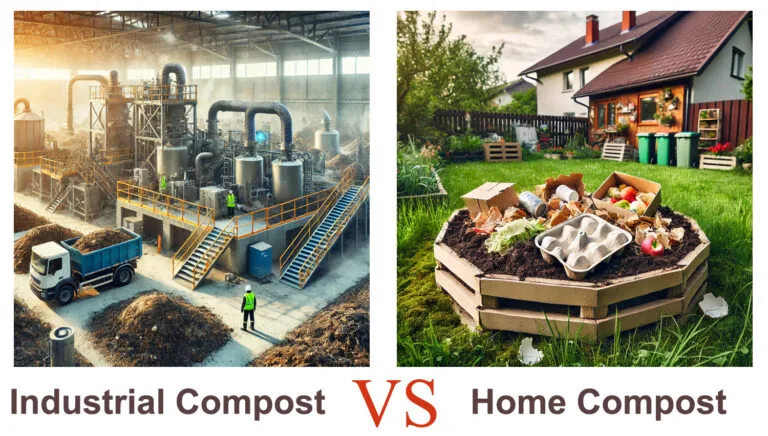
Collection & Sorting: Organic waste and compostable materials are collected and sorted to remove contaminants. Shredding & Mixing: Materials are shredded to increase surface area, ensuring faster breakdown. Composting Phase: The mixture is placed in windrows, aerated piles, or in-vessel systems where temperature, moisture, and oxygen are regulated. Maturation: After several weeks or months, the compost stabilizes and becomes a nutrient-rich soil conditioner.
A 2020 study published in Environmental Science & Technology demonstrated that cornstarch-based materials release 80% fewer greenhouse gases during decomposition compared to traditional plastics , Environmental Sustainability. Furthermore, these materials are less likely to disrupt marine life due to their rapid biodegradability — Environmental Sustainability. How Cornstarch Tableware is Made The production of cornstarch tableware involves a series of eco-friendly processes:
Join the global movement toward zero-waste packaging.
Bioleader® offers:
📦 Bulk order support & fast delivery
✍️ Custom branding and OEM solutions
🌍 Worldwide eco-packaging compliance
Get the Catalogue Products List & Contact Us Now! 👉
📧 Email : info@bioleaderpack.com
📲 WhatsApp : +86-15980856610
🟢 Wechat : bioleader
📍 Add : No.39 Xinglong Road, Xiamen, China
Copyright © 2015–2026 Xiamen Bioleader Environmental Protection Co., Ltd | All Rights Reserved. Privacy Policy | AI Policy | Sitemap
Welcome to Bioleader Pack! 🌿
👉 Get a Quick Quote, Customized & Sample Details. We're online to help with your sourcing needs!
📩 Need Catalog & Price List? Email us: info@bioleaderpack.com
⏰ Response within 6-12 hours.
(Due to timezone differences, if we're away, please email us or leave a message.)
Response time: < 8h | Catalog List
WhatsApp us