Trends In Renewable Materials: Market Insights, Innovations & FAQs | Bioleader® Sustainable Packaging

Actionable coverage of Renewable materials: eco-friendly, biodegradable, compostable materials, performance data, and compliance under EN13432 & ASTM D6400. Includes BPI/TÜV references and Food-Contact Tested guidance for safe deployment. Buyer-focused: manufacturer insights, bulk/wholesale buying playbooks, OEM/ODM customization tips, full size range selection.

In recent decades, global environmental concerns have escalated as plastic pollution and unsustainable resource use have emerged as key challenges. Traditional disposable tableware—primarily plastic plates—has significantly contributed to these issues, prompting a surge in demand for sustainable alternatives. In this context, biodegradable plates have rapidly risen as a frontrunner in eco-friendly dining solutions. This comprehensive guide explores biodegradable plates, with special attention to bagasse plates, detailing their composition, advantages, environmental impact, and future prospects. The article emphasizes scientific research findings and market trends to provide readers with an in-depth understanding of why eco-friendly plates are essential for a greener future.

Renewable materials — Quick Summary
  • Items displayed (articles): 12
  • Last updated: 2025-03-17
  • Includes test data, compliance guides, buyer FAQs, and real-world use cases.

Editor’s Picks: Top Renewable Materials Guides 2026

FAQ of Bioleader's Eco-friendly Disposable Tableware

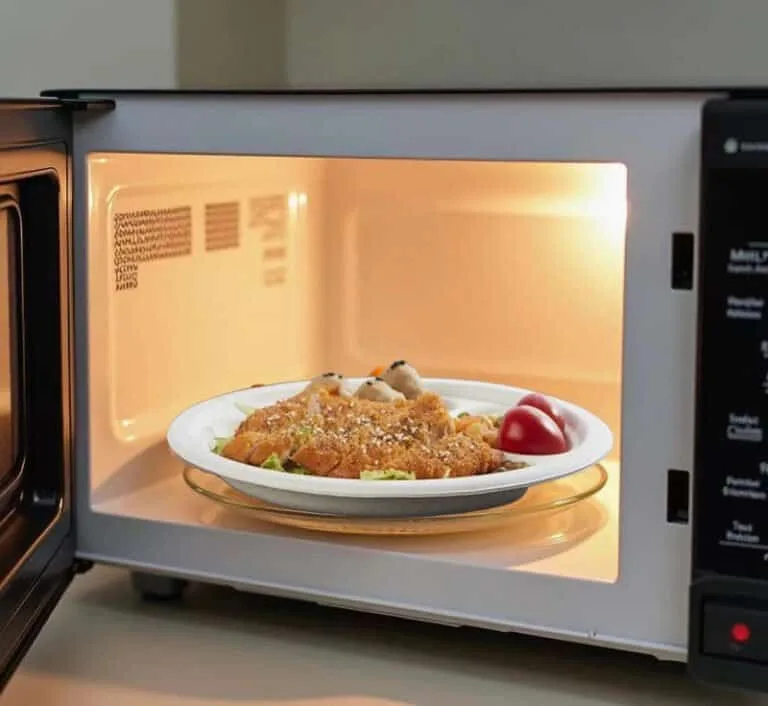
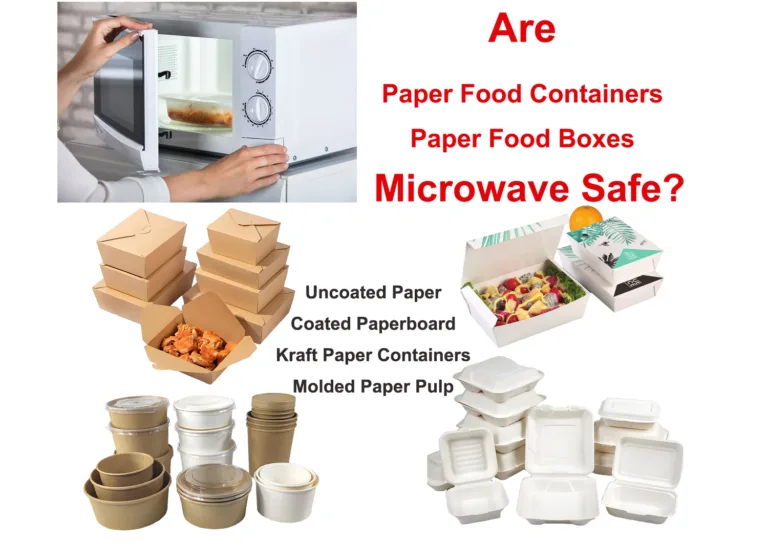
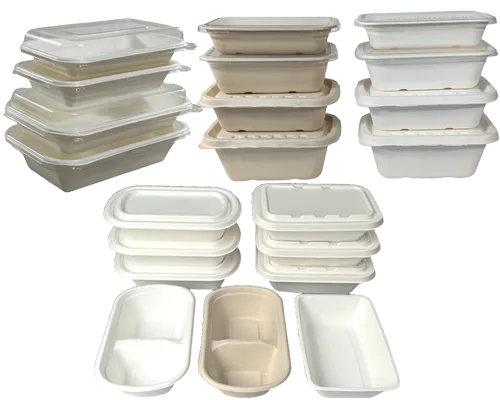
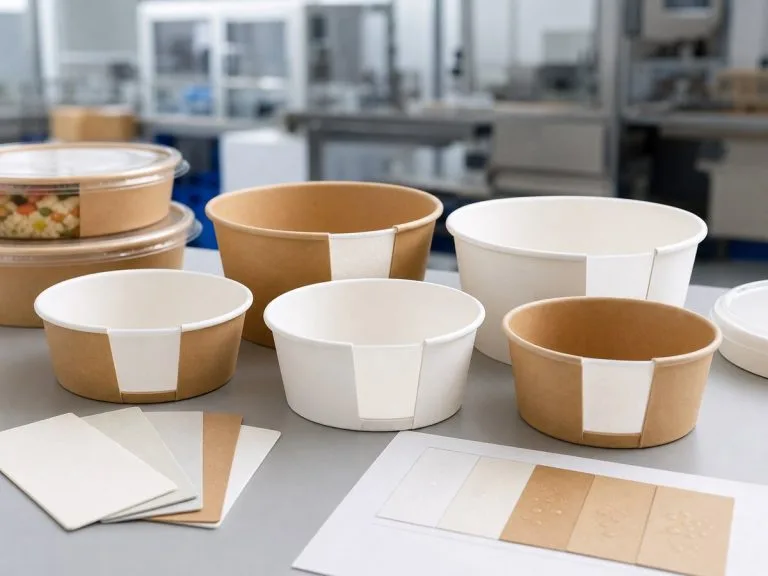
Can these bowls be used in a microwave?

Yes, our eco friendly disposable bowls are microwaveable, which allows users to heat food without the need of an extra bowl , Renewable materials.

Do you offer the bowls with logo customization?

Certainly! We provide complete branding of our paper takeaway bowls, which includes brand logos and selection designs on the bowls. For details, please get in touch with us.

Can I use a microwave oven for these bowls?

You most definitely can Yes! you can warm up your food using these take out to go bowls without the fear that the container will be destroyed.

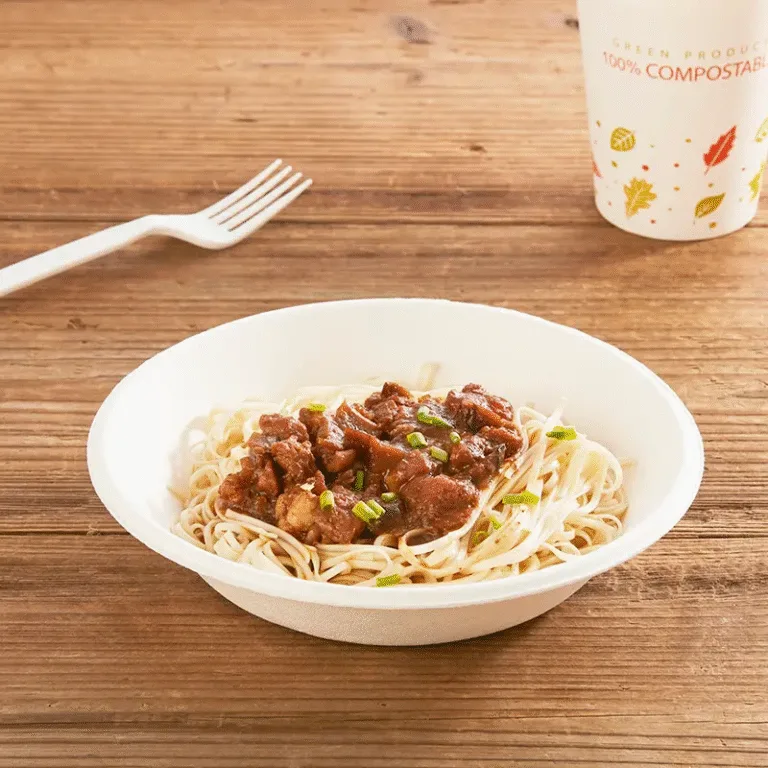
Are biodegradable bowls safe for hot and cold foods?

Yes, most biodegradable bowls are designed to be heat-resistant and leak-proof, making them suitable for both hot soups and cold dishes like salads or desserts.

Materials Used in Biodegradable Plates

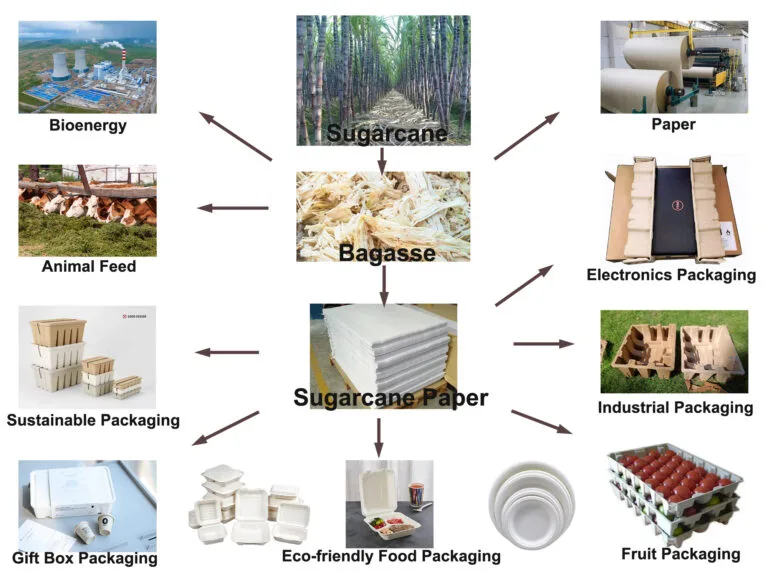
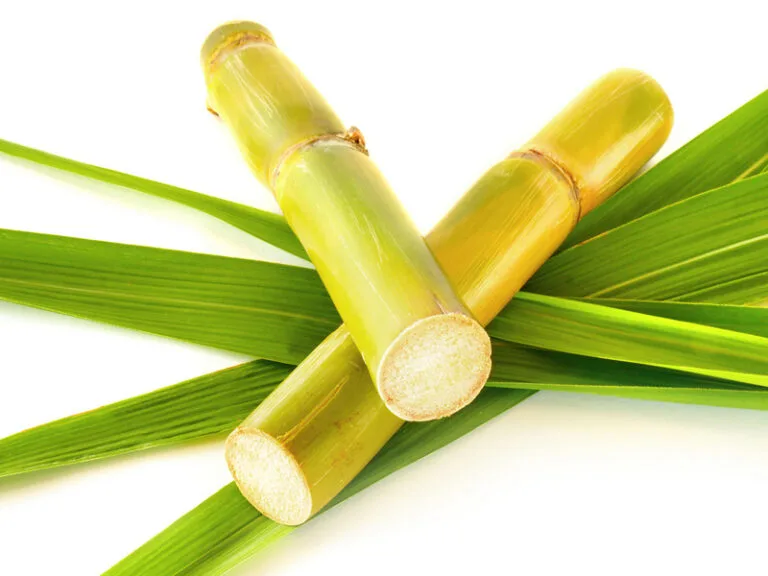
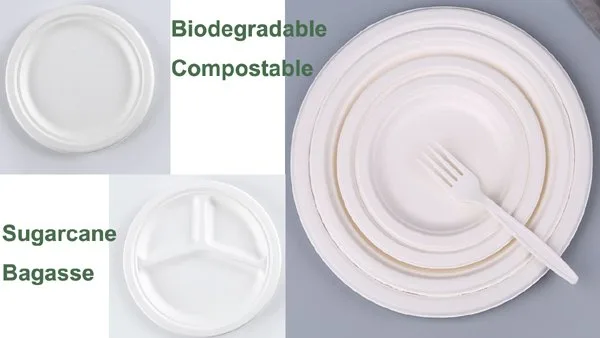
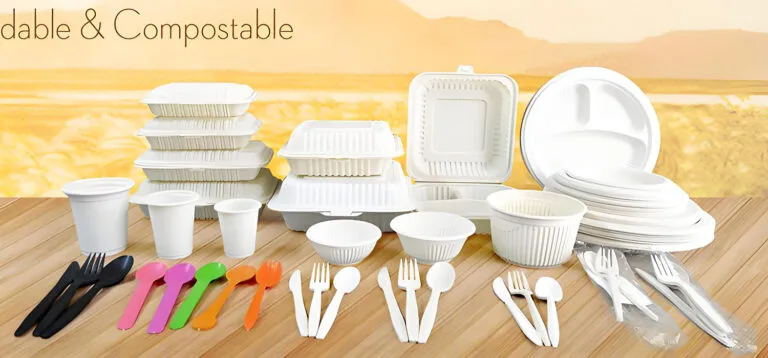
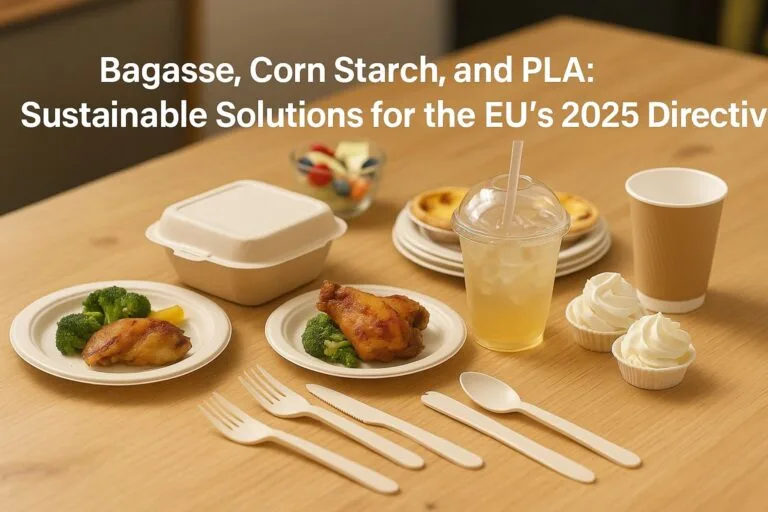
The production of biodegradable plates involves various renewable materials, each contributing unique benefits: Bagasse:A fibrous byproduct from sugarcane processing, bagasse is prized for its durability and natural compostability , Renewable materials. Bagasse plates are especially popular due to their robust structure and eco-friendly credentials. Palm Leaves:Sourced from naturally fallen palm fronds, these plates are crafted without additional chemicals, maintaining a pure and rustic appeal while ensuring full biodegradability. Bamboo:Bamboo, a fast-growing renewable resource, serves as an excellent base for durable tableware that eventually decomposes without adverse environmental impacts — Renewable materials.

Related Insights

🚀Ready to Go Green and Choose ?

Join the global movement toward zero-waste packaging.


Bioleader® offers:

  • 📦 Bulk order support & fast delivery

  • ✍️ Custom branding and OEM solutions

  • 🌍 Worldwide eco-packaging compliance

Get the Catalogue Products List  & Contact Us Now! 👉

Contact us Below

Click or drag files to this area to upload.You can upload up to 5 files.
The more details you share, the faster and more accurate our quotation will be.