Sugarcane Waste Compliance Checklist | Bioleader® Guides

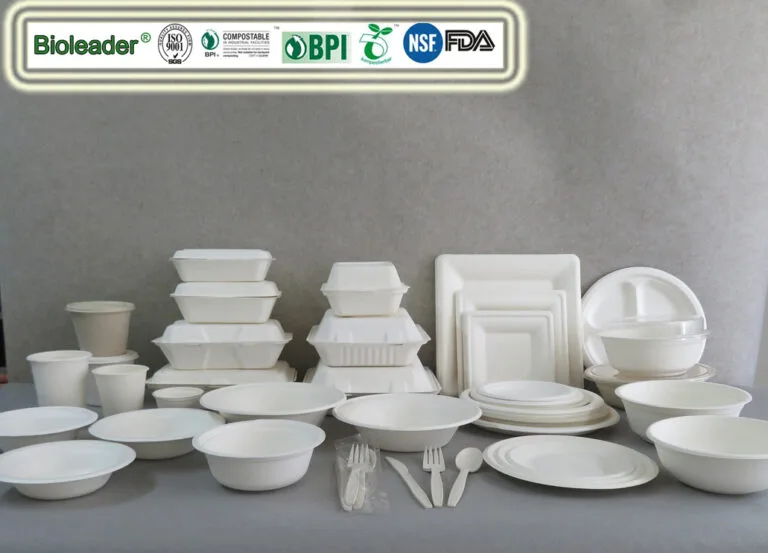
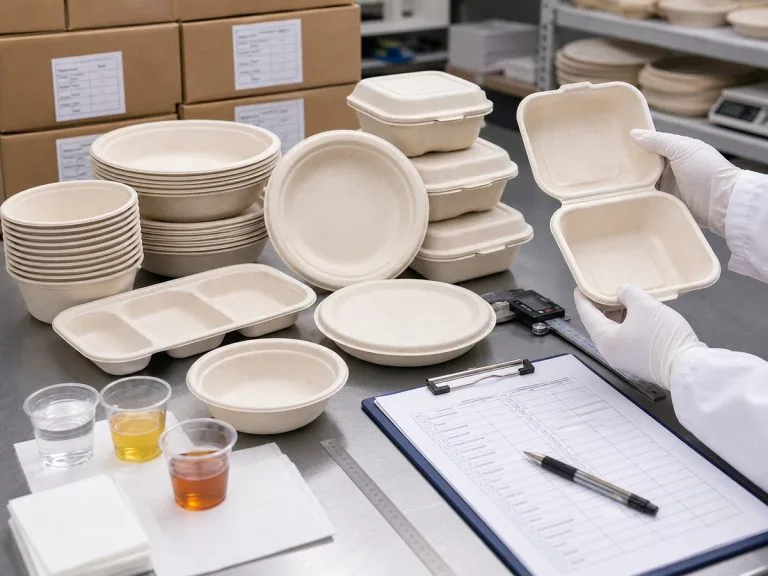
Actionable coverage of Sugarcane waste: eco-friendly, biodegradable, compostable materials, performance data, and compliance under EN13432 & ASTM D6400. Includes BPI/TÜV references and Food-Contact Tested guidance for safe deployment. Buyer-focused: manufacturer insights, bulk/wholesale buying playbooks, OEM/ODM customization tips, full size range selection.

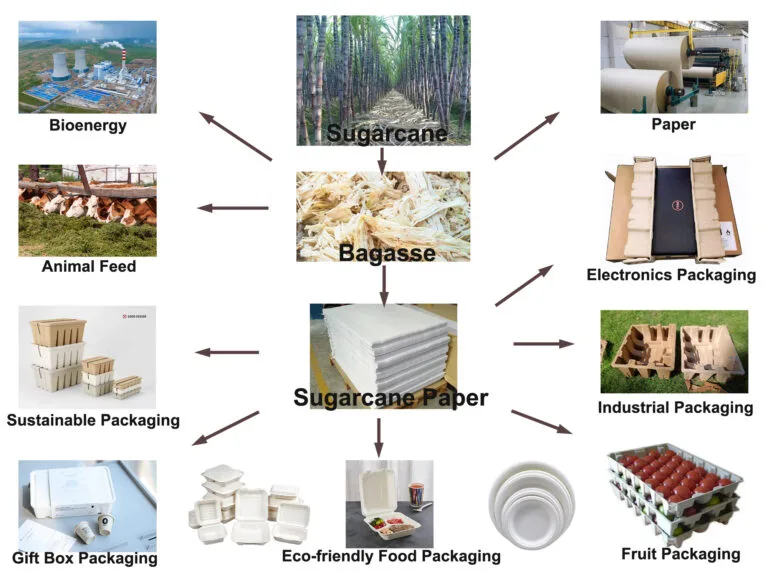
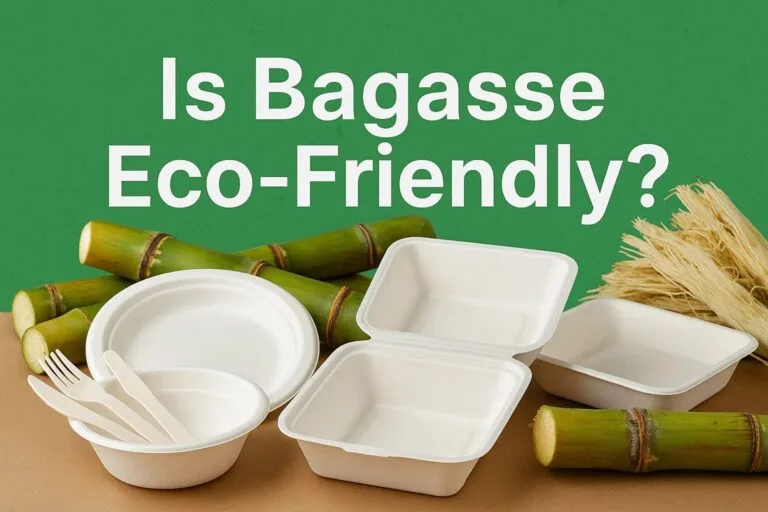
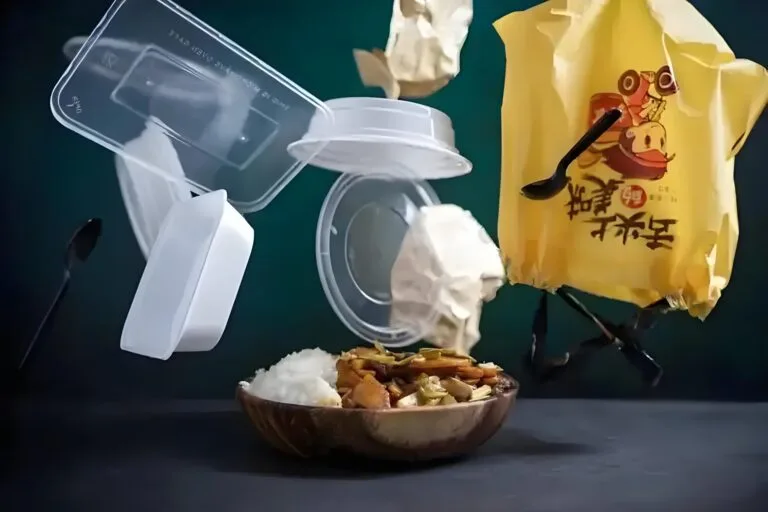
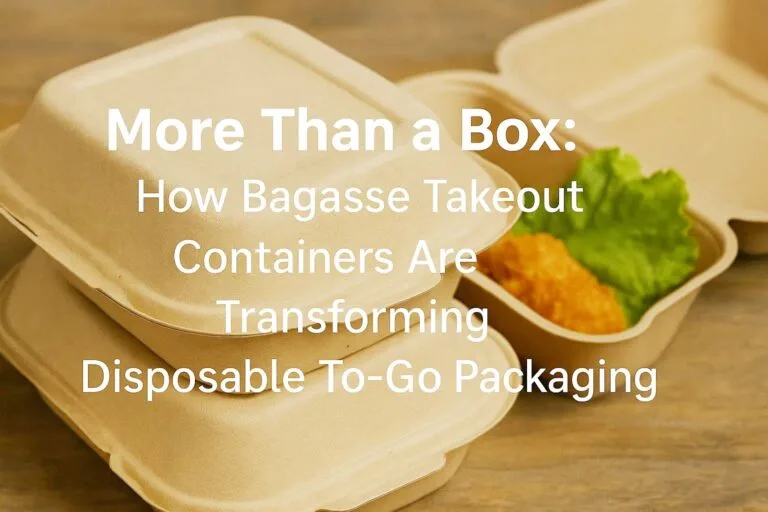
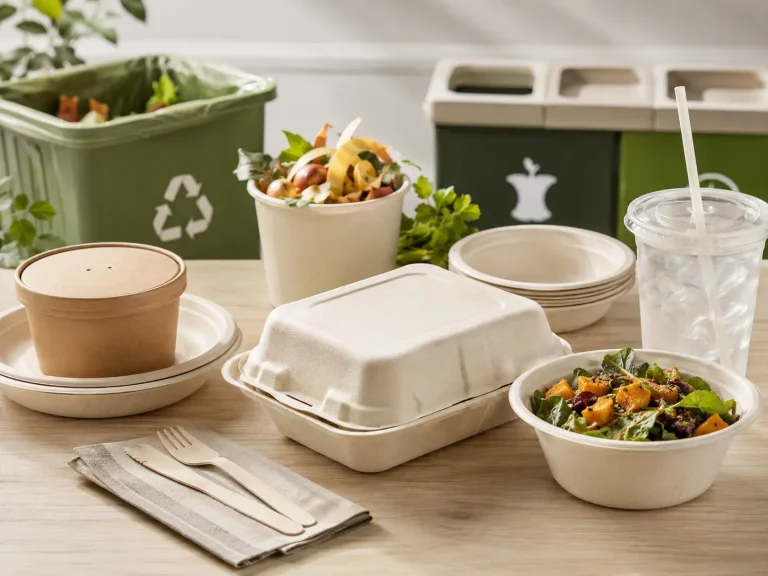
In the ongoing quest to reduce plastic waste and carbon emissions, businesses and consumers alike are looking toward renewable resources that do not compromise functionality or cost-effectiveness. Sugarcane, a tall tropical grass historically associated with sugar production, has emerged as a surprisingly versatile raw material—useful not only for food and beverage applications but also for a wide variety of industrial and consumer products. Most notably, sugarcane products are now at the forefront of the sustainable packaging movement, offering a glimpse into a greener, circular economy.

Sugarcane waste — Quick Summary
  • Items displayed (articles): 12
  • Last updated: 2025-02-13
  • Includes test data, compliance guides, buyer FAQs, and real-world use cases.

Editor’s Picks: Top Sugarcane Waste Guides 2026

FAQ of Bioleader's Eco-friendly Disposable Tableware

What sizes are available?

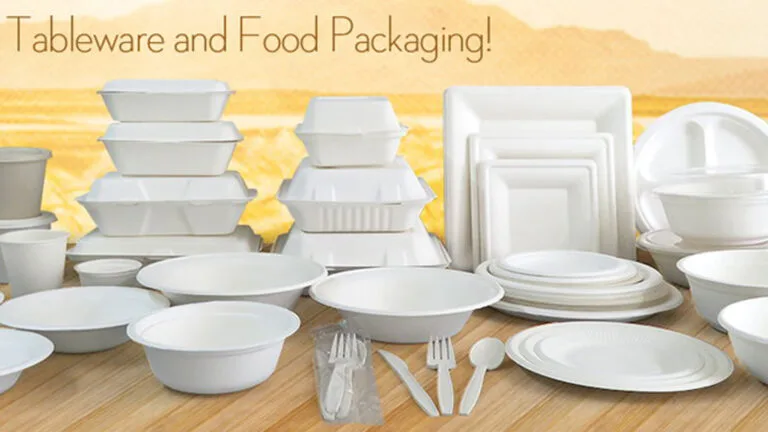
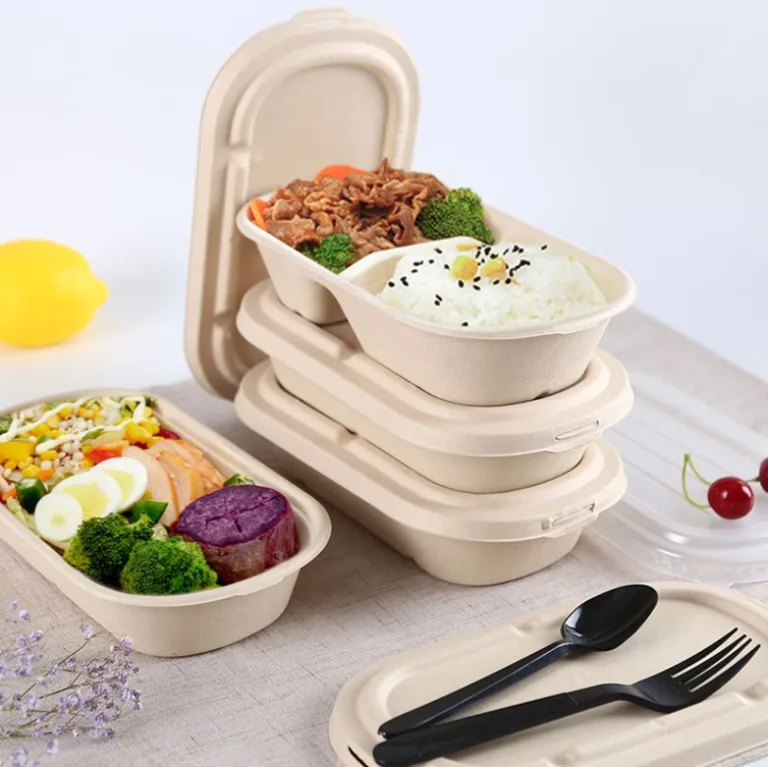
In respect of quantity, we are not limited as we have containers of 500ml, 750ml, 1000ml units to 1090ml, 1200ml, 1300ml, 1500ml, etc, so there is always a need — Sugarcane waste.

Can these bowls be microwaved?

Yes! These eco-paper bowls are safe to use in the microwave making it easy for their customers to warm food that is in them.

How many sizes of the product can I get?

The compostable salad bowls are within the capacity range of 500 and 1500 ml (8 oz-48 oz), Availing variety for the mass — Sugarcane waste.

What industries use sugarcane-derived materials?

Sugarcane products are used in food packaging, agriculture, biofuel, paper manufacturing, textiles, and personal care products due to their versatility and renewability — Sugarcane waste.

What is sugarcane bagasse made of?

Sugarcane bagasse consists of cellulose, hemicellulose, and lignin—naturally occurring plant fibers that provide strength and flexibility.

Related Insights

🚀Ready to Go Green and Choose ?

Join the global movement toward zero-waste packaging.


Bioleader® offers:

  • 📦 Bulk order support & fast delivery

  • ✍️ Custom branding and OEM solutions

  • 🌍 Worldwide eco-packaging compliance

Get the Catalogue Products List  & Contact Us Now! 👉

Contact us Below

Click or drag files to this area to upload.You can upload up to 5 files.
The more details you share, the faster and more accurate our quotation will be.