Guide To Compostable Packaging 2025: Materials, Standards & Best Practices | Bioleader® Insights

Actionable coverage of compostable packaging 2025: eco-friendly, biodegradable, compostable materials, performance data, and compliance under EN13432 & ASTM D6400. Includes BPI/TÜV references and Food-Contact Tested guidance for safe deployment. Buyer-focused: manufacturer insights, bulk/wholesale buying playbooks, OEM/ODM customization tips, full size range selection.

Why this matters now. In 2025, biodegradable and compostable food packaging has shifted from value signaling to compliance-driven purchasing. Analysts project mid–high single-digit CAGR for compostable/sustainable formats through 2030, as regulatory frameworks and EPR programs act as primary demand catalysts rather than optional green preferences.

compostable packaging 2025 — Quick Summary
  • Items displayed (articles): 12
  • Last updated: 2025-09-30
  • Includes test data, compliance guides, buyer FAQs, and real-world use cases.

Editor’s Picks: Top Compostable Packaging 2025 Guides 2026

FAQ of Bioleader's Eco-friendly Disposable Tableware

Material: Kraft Paper and White Cardboard Paper

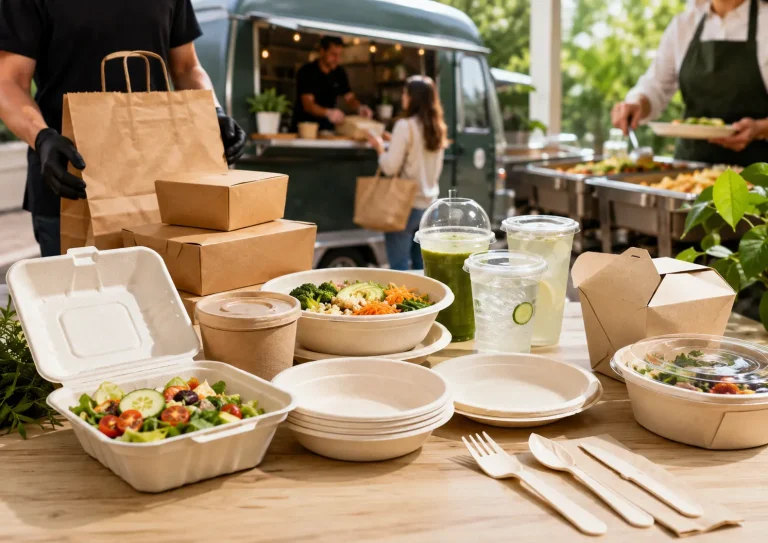
Our eco-friendly disposable bowls contain primarily 2 materials that are used to make the bowls that are kraft paper and white cardboard paper. Both of the materials are durable and environmentally friendly — compostable packaging 2025. Kraft paper has a coarse natural appearance while white cardboard paper has a smooth, sleek surface. All of these materials are biodegradable which ensures compliance with the highest environmental requirements in product manufacture.

Are they safe for microwave heating?

Yes, these compostable bowls can be used in the microwave to reheat the food in the same container in which it was packed , compostable packaging 2025.

Is it really compostable?

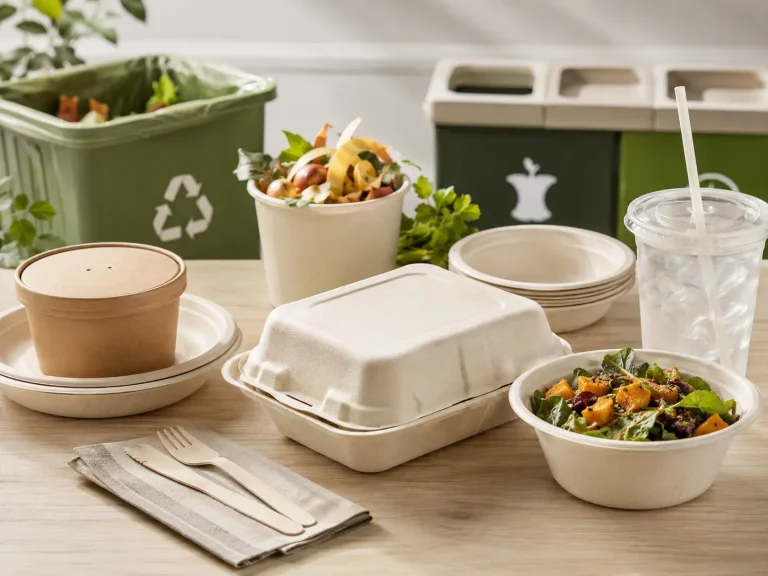
Yes, these salad bowls compostable are made from biodegradable materials such as kraft paper and white cardboard paper which allow it to biodegrade when discarded appropriately.

Short term (0–6 months) — Secure the “license to sell.”

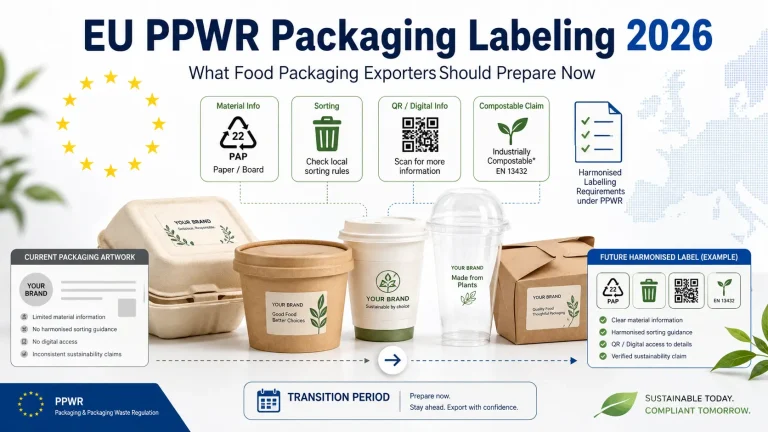
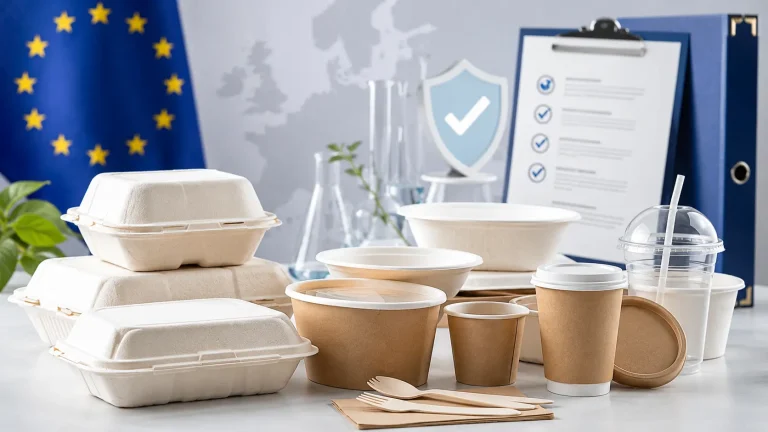
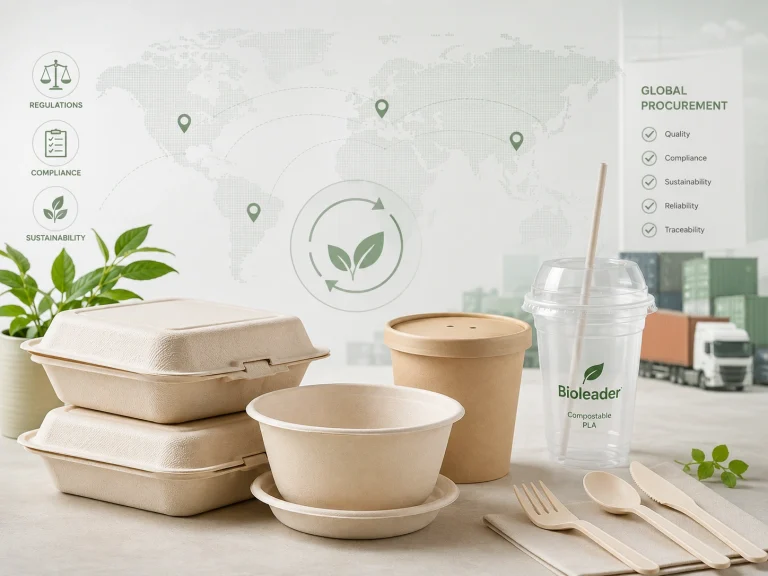
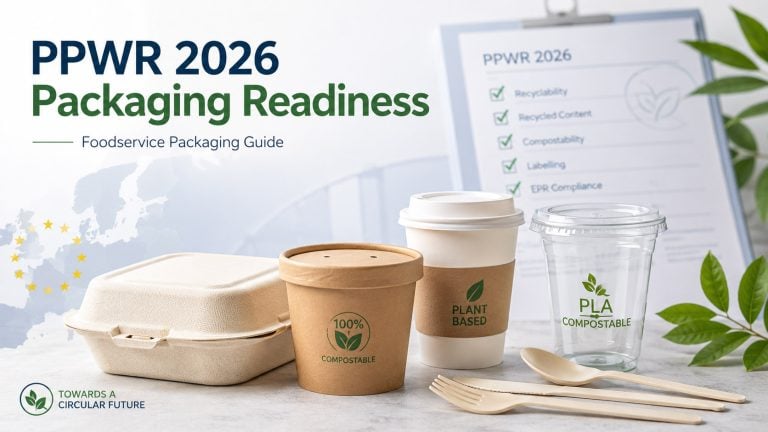
Publish a PFAS-free evidence pack (third-party tests + supplier attestations) and align claim language to avoid mislabeling risks (e.g., “home compostable,” “recyclable”). Complete EU PPWR gap assessments (prevention, recyclability, reuse, labeling) and onboard EPR where required (e.g., California SB 54 producer registration/reporting). Standardize a compliance annex for every bid: EN 13432 / ASTM D6400 / BPI / TÜV proofs, migration tests, batch traceability, use instructions, end-of-life guidance , compostable packaging 2025.

Figure 1 — 2025 Global Regulatory Heatmap

Entry conditions for bids (2025–2027): bans/scope, PFAS status, compostable/recyclable proofs, EPR coverage, timelines, penalties. Bans/Scope PFAS Rules Compostable/Recycle Proof EPR Coverage General Application Timeline Penalties/Enforcement EU 2 2 2 2 2 2 UK 2 2 2 1 1 1 US – California 2 2 2 2 1 2 US – Other States 1 1 1 1 0 1 Canada 1 1 1 1 1 1 Middle East (GCC) 1 0 0 0 0 0 Southeast Asia 1 0 1 0 0 0 Australia / NZ 1 1 1 2 1 1 LATAM 1 0 0 0 0 0  

Related Insights

🚀Ready to Go Green and Choose ?

Join the global movement toward zero-waste packaging.


Bioleader® offers:

  • 📦 Bulk order support & fast delivery

  • ✍️ Custom branding and OEM solutions

  • 🌍 Worldwide eco-packaging compliance

Get the Catalogue Products List  & Contact Us Now! 👉

Contact us Below

Click or drag files to this area to upload.You can upload up to 5 files.
The more details you share, the faster and more accurate our quotation will be.