Biodegradable Salad Bowl 101: What It Is, When To Use, And How To Choose | Bioleader® Insights

Actionable coverage of biodegradable salad bowl: eco-friendly, biodegradable, compostable materials, performance data, and compliance under EN13432 & ASTM D6400. Includes BPI/TÜV references and Food-Contact Tested guidance for safe deployment. Buyer-focused: manufacturer insights, bulk/wholesale buying playbooks, OEM/ODM customization tips, full size range selection.

Sustainability has moved from being a branding buzzword to a regulatory necessity and consumer expectation. In the global food packaging industry, the debate between kraft paper bowls and plastic bowls is no longer a matter of price alone—it’s about carbon impact, lifecycle performance, legal compliance, and consumer trust.

biodegradable salad bowl — Quick Summary
  • Items displayed (articles): 12
  • Last updated: 2025-07-10
  • Includes test data, compliance guides, buyer FAQs, and real-world use cases.

Editor’s Picks: Top Biodegradable Salad Bowl Guides 2026

FAQ of Bioleader's Eco-friendly Disposable Tableware

Is it really compostable?

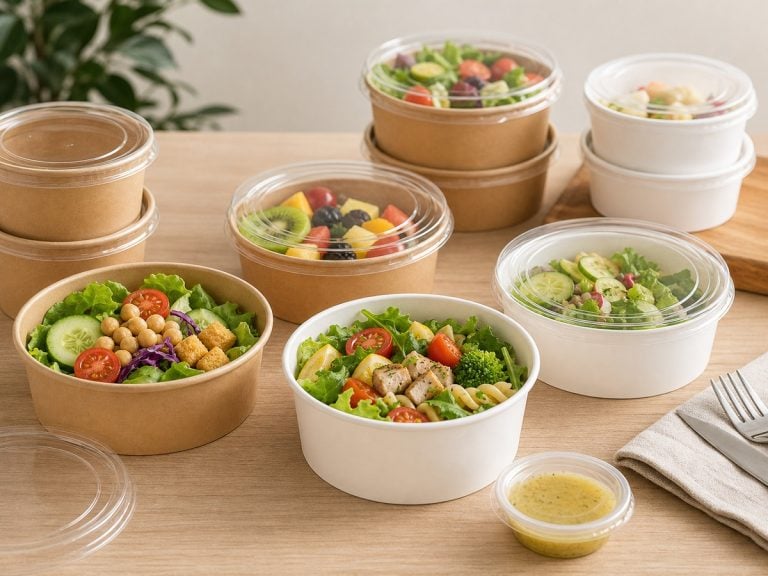
Yes, these salad bowls compostable are made from biodegradable materials such as kraft paper and white cardboard paper which allow it to biodegrade when discarded appropriately.

Is it possible to recycle them?

While your package design should be primarily for use single, to promote health oder, the package is strong enough for one or two times reuse with caution — biodegradable salad bowl.

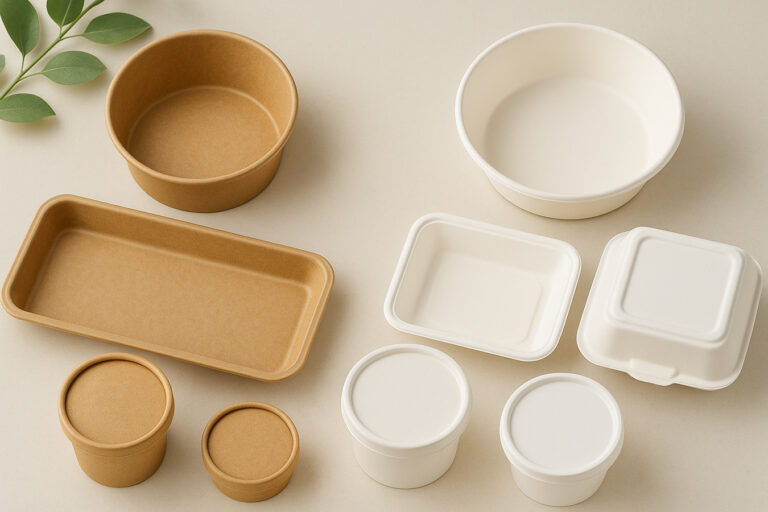
Material: Kraft Paper and White Cardboard Paper

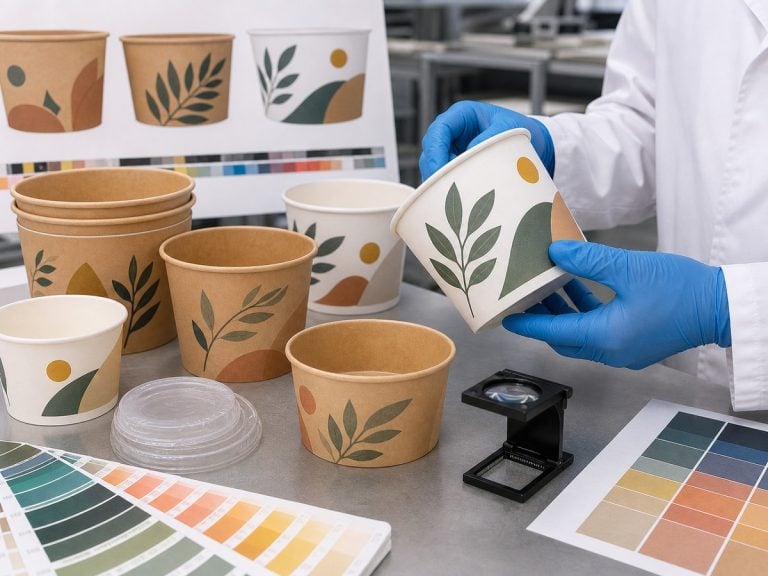
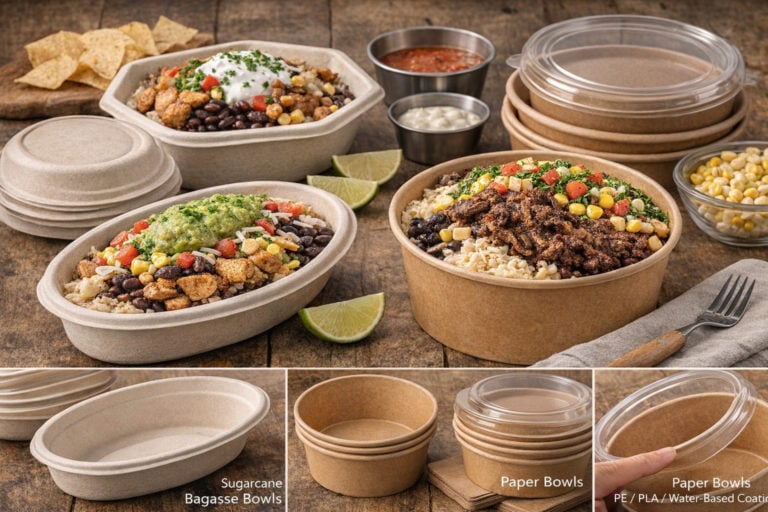
Our eco-friendly disposable bowls contain primarily 2 materials that are used to make the bowls that are kraft paper and white cardboard paper — biodegradable salad bowl. Both of the materials are durable and environmentally friendly. Kraft paper has a coarse natural appearance while white cardboard paper has a smooth, sleek surface. All of these materials are biodegradable which ensures compliance with the highest environmental requirements in product manufacture.

3. Transportation and Packaging

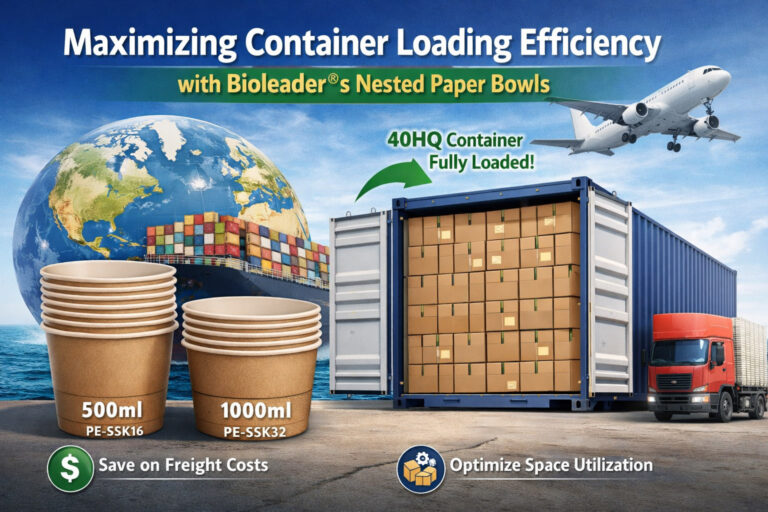
Kraft bowls tend to be lighter (per cubic volume) and nest more efficiently, leading to lower transport emissions. Their square or stackable designs optimize cargo utilization. Plastic bowls are denser and often packed with air gaps, leading to higher transport-related CO₂ emissions per 10,000 units.

2. Manufacturing Process

Kraft Paper: Requires pulping and heat pressing at relatively low temperatures — biodegradable salad bowl. Energy consumption is significantly lower than plastic molding. Plastic: Requires polymerization, pelletizing, and high-temperature injection molding. PS and PET manufacturing release toxic VOCs and require 2–3 times more energy.

Related Insights

🚀Ready to Go Green and Choose ?

Join the global movement toward zero-waste packaging.


Bioleader® offers:

  • 📦 Bulk order support & fast delivery

  • ✍️ Custom branding and OEM solutions

  • 🌍 Worldwide eco-packaging compliance

Get the Catalogue Products List  & Contact Us Now! 👉

Contact us Below

Click or drag files to this area to upload.You can upload up to 5 files.
The more details you share, the faster and more accurate our quotation will be.