Top Use Cases For Wheat Straw Vs Plastic | Bioleader® Insights

Actionable coverage of wheat straw vs plastic: eco-friendly, biodegradable, compostable materials, performance data, and compliance under EN13432 & ASTM D6400. Includes BPI/TÜV references and Food-Contact Tested guidance for safe deployment. Buyer-focused: manufacturer insights, bulk/wholesale buying playbooks, OEM/ODM customization tips, full size range selection.
wheat straw vs plastic — Quick Summary
  • Items displayed (articles): 12
  • Last updated: 2025-04-16
  • Includes test data, compliance guides, buyer FAQs, and real-world use cases.

Editor’s Picks: Top Wheat Straw Vs Plastic Guides 2026

FAQ of Bioleader's Eco-friendly Disposable Tableware

1. What are disposable bagasse food trays made of?

They are made from sugarcane bagasse—the fibrous byproduct left after extracting juice from sugarcane. This renewable material is molded into durable trays that are compostable, biodegradable, and plastic-free — wheat straw vs plastic.

The Production Process: Paper Pulp Molding As Advantageous For Rigid Structures

The compostable fiber bowls we manufacture are done so through the sugarcane pulp process. This entails placing sugarcane pulp in certain molds before being subjected to vast amounts of pressure. The end product is highly durable and has the ability to retain its shape even when subjected to sauces and greases.

Environment-Friendly Sustainability

Our bagasse trays are eco-friendly. They are compostable and biodegradable and do not leave any harmful traces after they disintegrate with time. Any food franchise or other businesses that would use the product would be using our takeaway trays with lids would be able to cut down on landfill waste.

Do wheat straw plates contain gluten?

No , wheat straw vs plastic. Despite being made from wheat by-products, the gluten-containing parts (i.e., the grain) are not used in the production process. They are safe for gluten-sensitive individuals , wheat straw vs plastic.

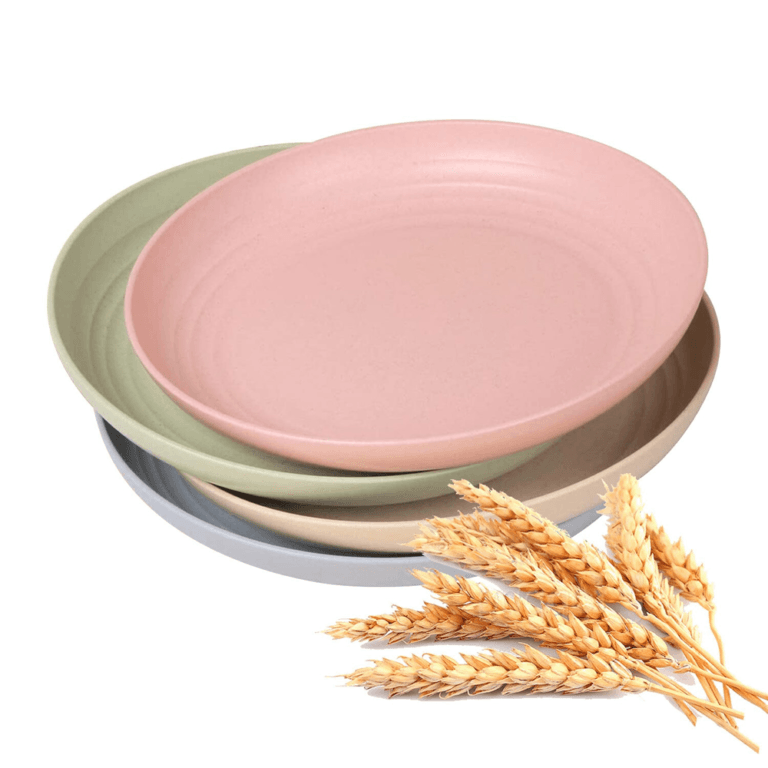
What are wheat straw plates made of?

They are made from the fibrous stalks left over after harvesting wheat. These fibers are processed and molded into durable dinnerware using biodegradable binding agents.

Related Insights

🚀Ready to Go Green and Choose ?

Join the global movement toward zero-waste packaging.


Bioleader® offers:

  • 📦 Bulk order support & fast delivery

  • ✍️ Custom branding and OEM solutions

  • 🌍 Worldwide eco-packaging compliance

Get the Catalogue Products List  & Contact Us Now! 👉

Contact us Below

Click or drag files to this area to upload.You can upload up to 5 files.
The more details you share, the faster and more accurate our quotation will be.