Socially Responsible: For eco-friendly customers, the focus is gradually shifting towards biodegradable bowls that aid in pollution reduction and ensure a safe environment. Safe and Healthy: Since these are produced using safe materials, they do not possess the typical worries of plastic containers that have toxins and chemicals, which make it unsafe. Custom Options for Your Bowling Alley Business: For your Specifications and Requirements To facilitate business requirements more adequately, we offer a wide range of sizes and packaging for paper pulp bowls so you can customize them as per your needs — PLA temperature limit. For Better Delivery Options, you can Pick Special Designs Or Printing; therefore, you don’t have to Worry About How Your Brand Will Look.
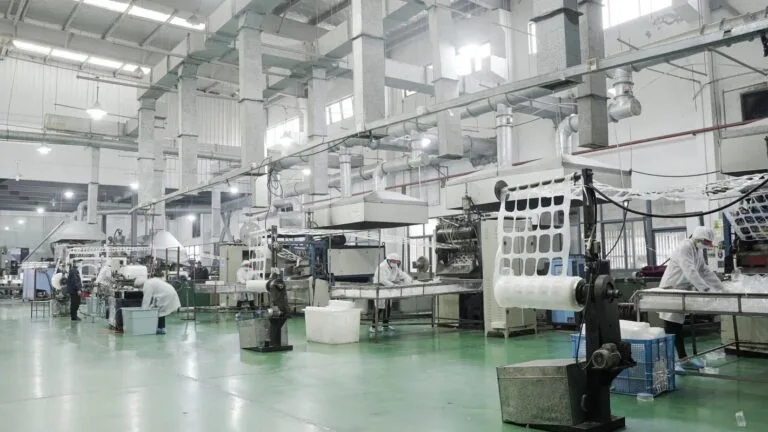
Environmentally Friendly: Paper Pulp can easily cause no harm to the environment since it’s sourced from sustainable sources and has natural degrading properties — PLA temperature limit. Completely Biodegradable: Unlike traditional plastic or styrofoam, the biodegradable disposable bowls will naturally decay, thereby limiting the amount of waste that would’ve filled landfills. Safe for Food and Non-Toxic: These bowls cut out dangerous substances such as BPA and PFAS, which makes sure whatever food is being served in the bowl is free from contamination and is safe for consumption — PLA temperature limit. The Production Process: Paper Pulp Moulding Technology Our biodegradable and organic bowls are made through a modern, eco-friendly method called paper pulp molding.
Yes. High-quality eco trays are heat-resistant up to 120°C and freezer-safe. They’re ideal for packing hot dishes like rice and curries or cold items like salads, desserts, and refrigerated meals.
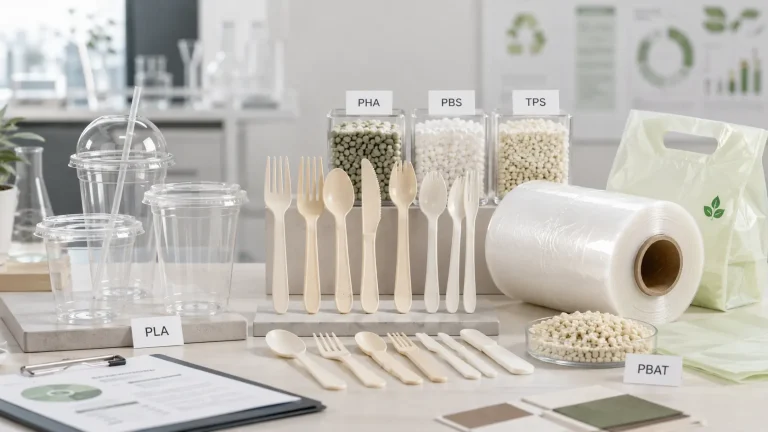
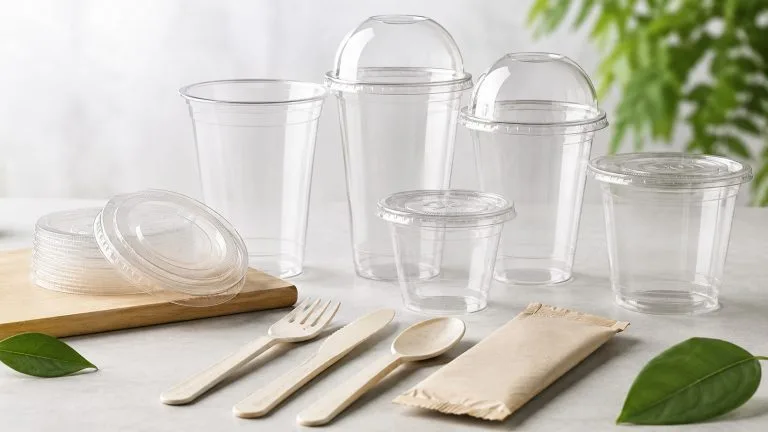
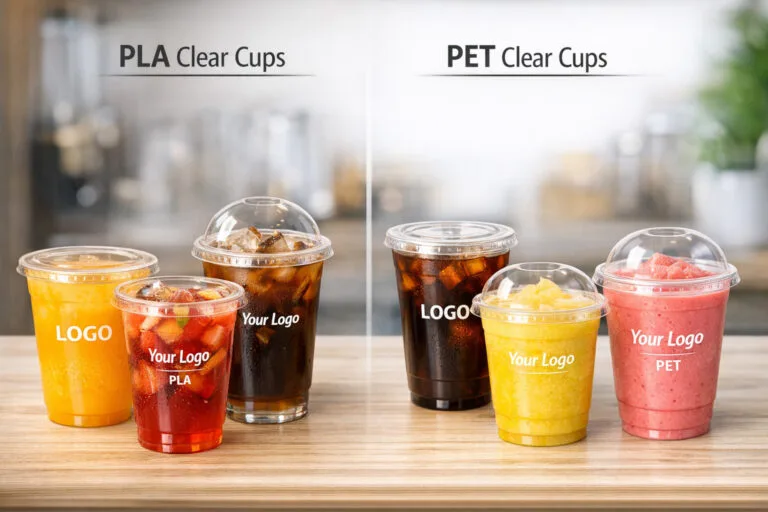
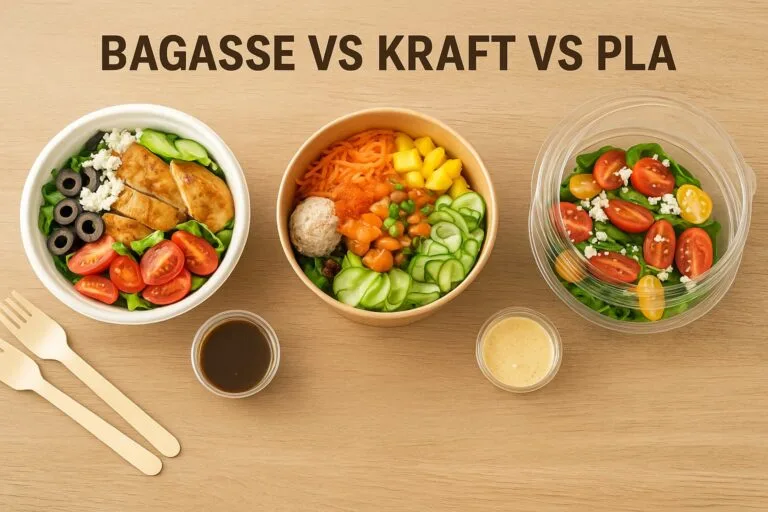
PLA Material Polylactic acid PLA is produced from fermented plant sugars—most commonly derived from corn or sugarcane. These sugars are converted into lactic acid and polymerized into polylactic acid resin. From an environmental perspective, PLA offers several advantages: Renewable raw material sourcing Reduced reliance on fossil fuels Industrial compostability under controlled conditions However, material origin does not determine thermal performance.
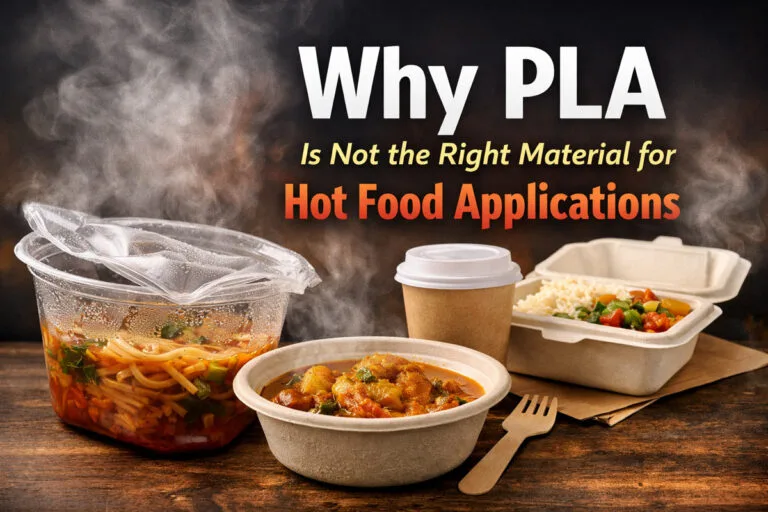
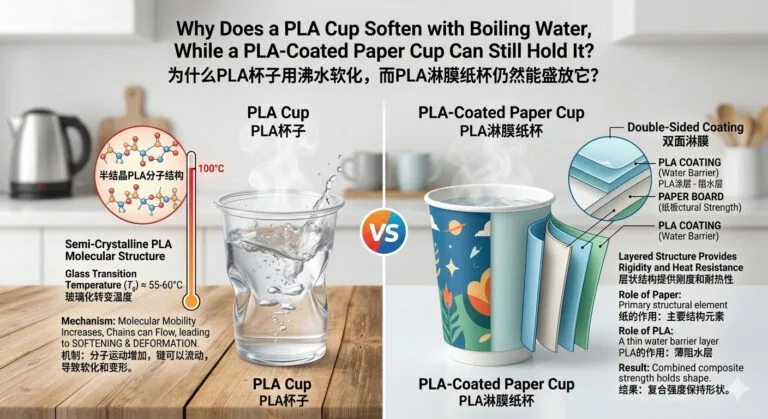
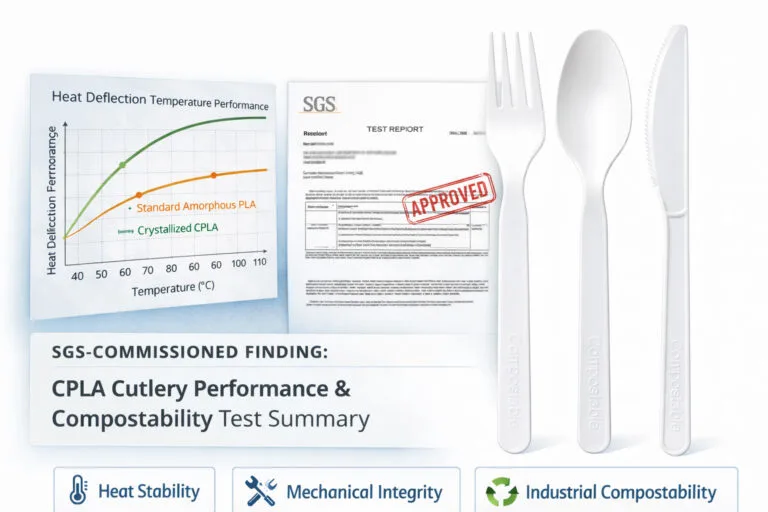
The key factor that limits PLA in hot food use is its glass transition temperature (Tg)—the point at which the material begins to soften and lose rigidity. For standard PLA: Tg typically ranges from 45°C to 55°C This is significantly lower than: Freshly prepared hot meals Hot soups, stews, and curries Steam-intensive rice and noodle dishes Microwave reheating temperatures Once PLA exceeds this range, deformation is no longer a possibility—it is an inevitability. What Happens When PLA Is Used for Hot Food
Join the global movement toward zero-waste packaging.
Bioleader® offers:
📦 Bulk order support & fast delivery
✍️ Custom branding and OEM solutions
🌍 Worldwide eco-packaging compliance
Get the Catalogue Products List & Contact Us Now! 👉
📧 Email : [email protected]
📲 WhatsApp : +86-15980856610
🟢 Wechat : bioleader
📍 Add : No.39 Xinglong Road, Xiamen, China
Copyright © 2015–2026 Xiamen Bioleader Environmental Protection Co., Ltd | All Rights Reserved. Privacy Policy | AI Policy | Sitemap
Welcome to Bioleader Pack! 🌿
👉 Get a Quick Quote, Customized & Sample Details. We're online to help with your sourcing needs!
📩 Need Catalog & Price List? Email us: [email protected]
⏰ Response within 6-12 hours.
(Due to timezone differences, if we're away, please email us or leave a message.)
Response time: < 8h | Catalog List
WhatsApp us