Sustainability has moved from being a branding buzzword to a regulatory necessity and consumer expectation. In the global food packaging industry, the debate between kraft paper bowls and plastic bowls is no longer a matter of price alone—it’s about carbon impact, lifecycle performance, legal compliance, and consumer trust.


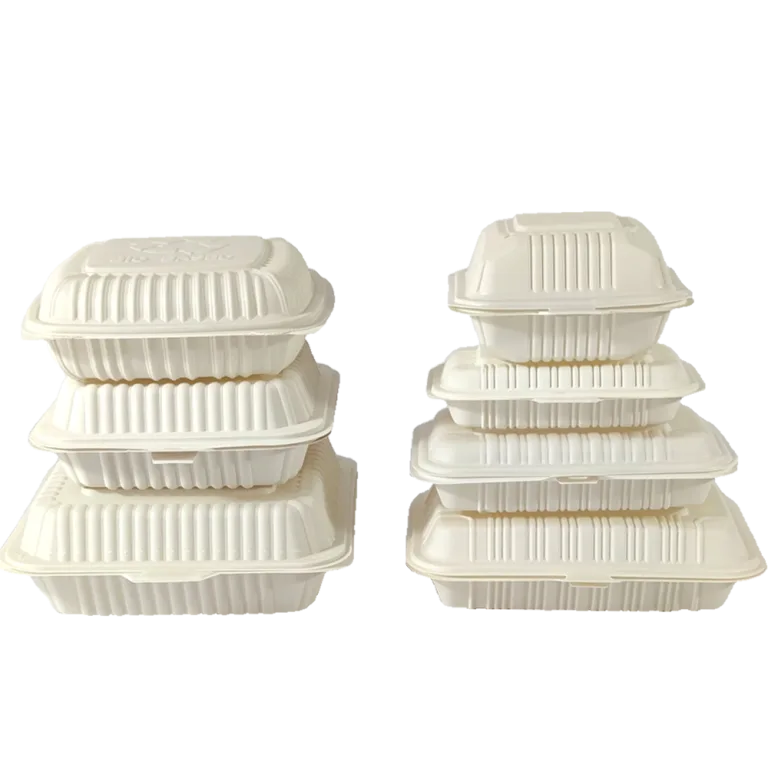
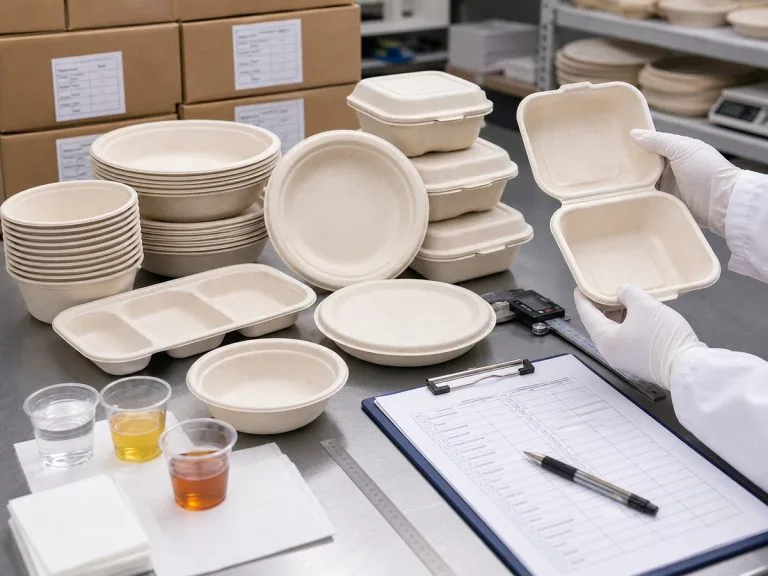
Absolutely. Many manufacturers offer trays in 1, 2, 3, or 5-compartment designs. This allows proper separation of different food items, which is especially useful for meal prep, airline meals, and school lunch programs.
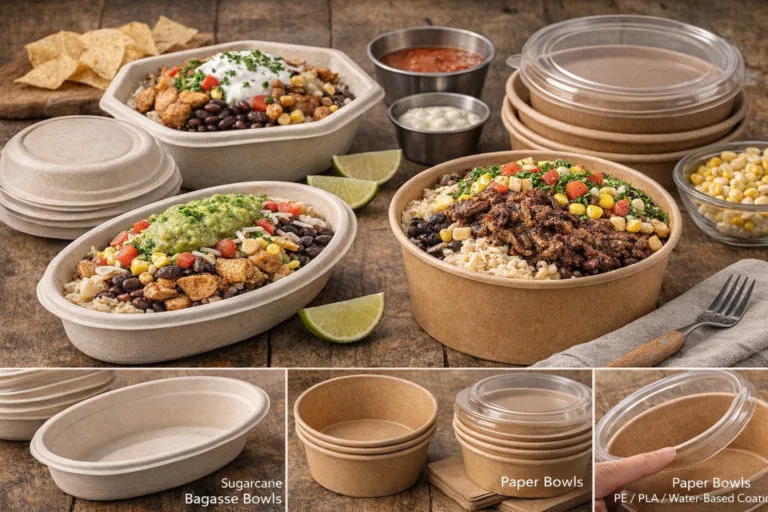
Renewable Resource: Since sugarcane is harvested and grown repeatedly, the containers become eco-friendly, and more products can be produced using bagasse fiber. This approach in a holistic way starts reducing waste entirely — paper bowl vs plastic bowl. Decomposable & Environment Friendly: Because of the usage of bagasse containers eliminate the need for plastic and styrofoam bowls — paper bowl vs plastic bowl. This approach further helps eliminate waste from dumping/filling grounds and further helps the environment while everything decomposes into compost materials.
Unlike many disposable options, our sugarcane food trays are built to last throughout their intended use. Whether exposed to heat, moisture, or refrigeration, they maintain their structure and performance. This durability makes them a reliable choice for any business requiring high-quality, dependable food packaging. Multiple Uses and Applications The bagasse will save you money and the environment.
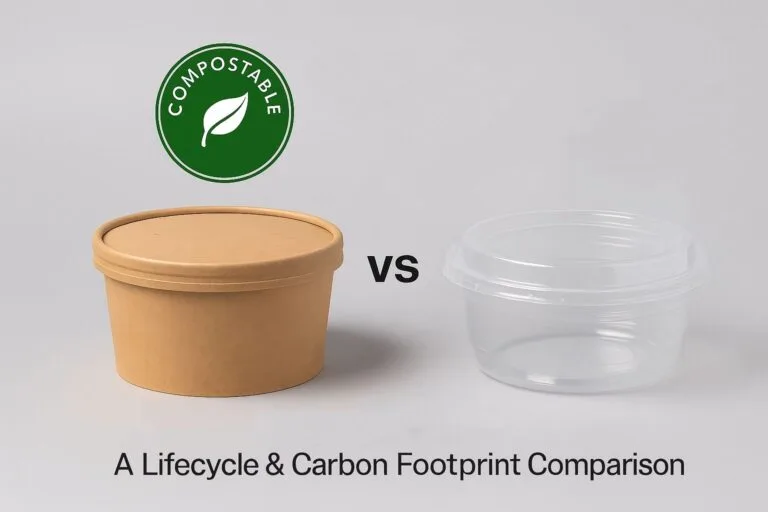
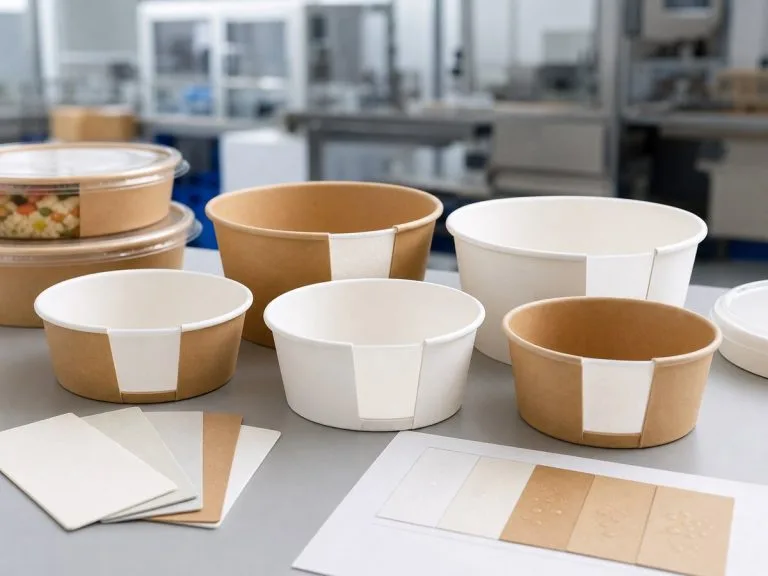
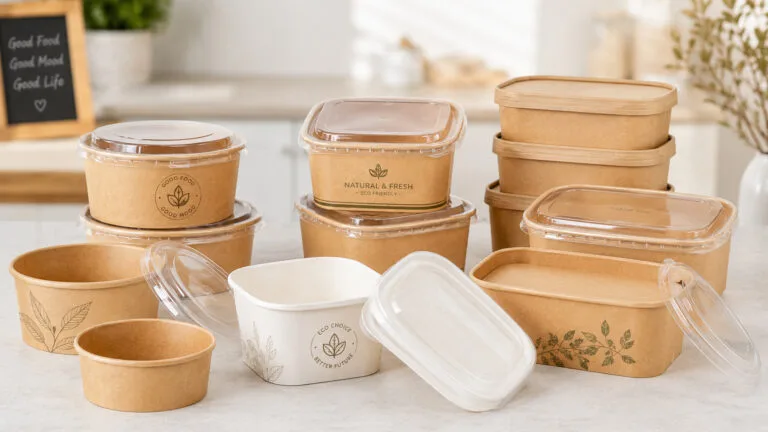
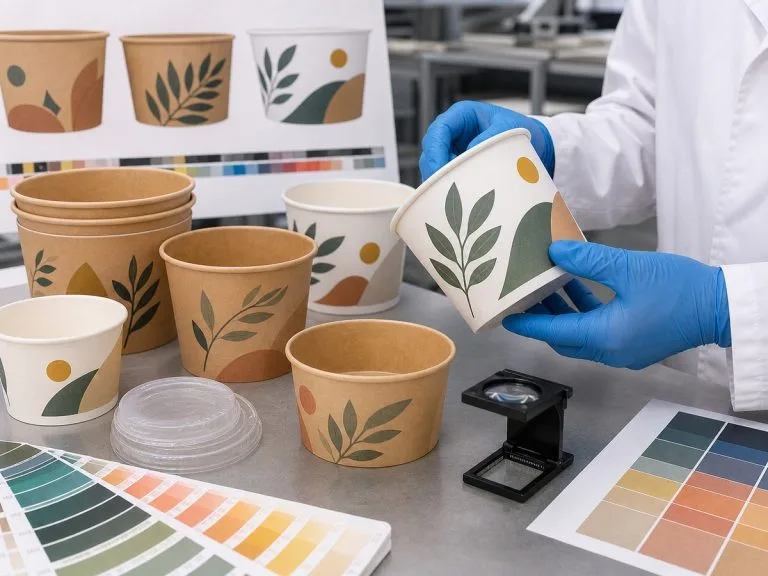
Both materials perform well for short-term food storage. However, kraft bowls have the added appeal of tactile warmth, rustic appearance, and perceived “cleanliness,” which can enhance customer experience and brand perception.
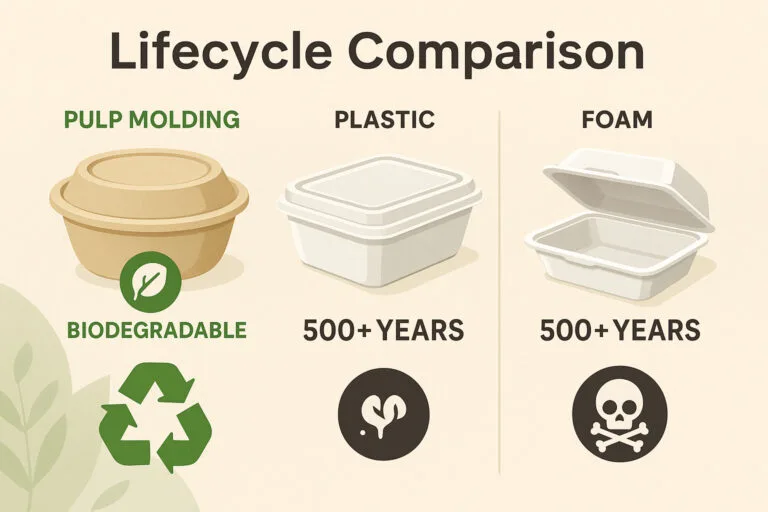
Kraft Paper: Made from trees harvested from responsibly managed forests (FSC-certified) or recycled fiber streams — paper bowl vs plastic bowl. Trees absorb carbon dioxide during growth, contributing to a net-zero or even net-negative carbon footprint when sustainably sourced. Plastic: Derived from fossil fuels. Oil drilling, refining, and monomer production emit high levels of GHGs, and the extraction process disrupts land and aquatic ecosystems.
Join the global movement toward zero-waste packaging.
Bioleader® offers:
📦 Bulk order support & fast delivery
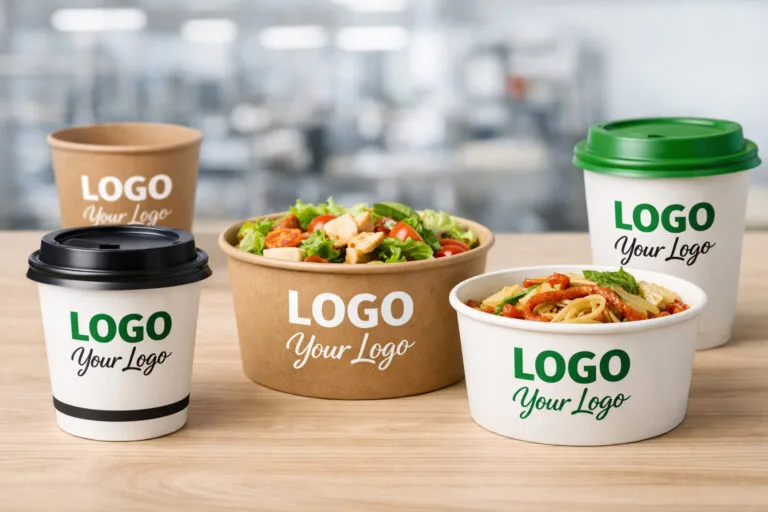
✍️ Custom branding and OEM solutions
🌍 Worldwide eco-packaging compliance
Get the Catalogue Products List & Contact Us Now! 👉
📧 Email : info@bioleaderpack.com
📲 WhatsApp : +86-15980856610
🟢 Wechat : bioleader
📍 Add : No.39 Xinglong Road, Xiamen, China
Copyright © 2015–2026 Xiamen Bioleader Environmental Protection Co., Ltd | All Rights Reserved. Privacy Policy | AI Policy | Sitemap
Welcome to Bioleader Pack! 🌿
👉 Get a Quick Quote, Customized & Sample Details. We're online to help with your sourcing needs!
📩 Need Catalog & Price List? Email us: info@bioleaderpack.com
⏰ Response within 6-12 hours.
(Due to timezone differences, if we're away, please email us or leave a message.)
Response time: < 8h | Catalog List
WhatsApp us