Top Use Cases For Green Packaging | Bioleader® Sustainable Packaging

Actionable coverage of Green Packaging: eco-friendly, biodegradable, compostable materials, performance data, and compliance under EN13432 & ASTM D6400. Includes BPI/TÜV references and Food-Contact Tested guidance for safe deployment. Buyer-focused: manufacturer insights, bulk/wholesale buying playbooks, OEM/ODM customization tips, full size range selection.

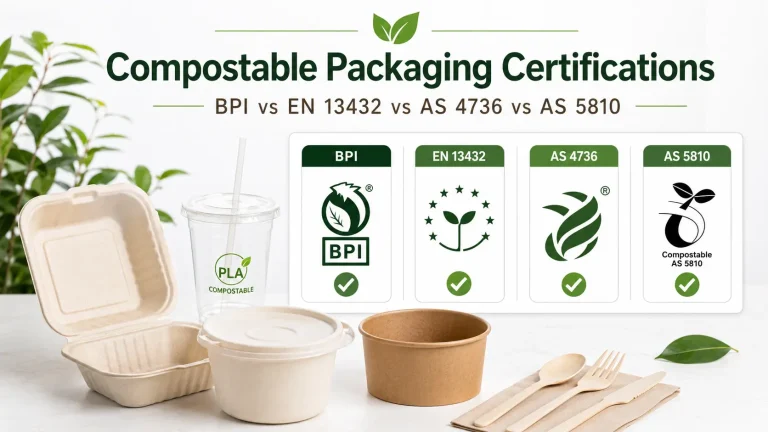
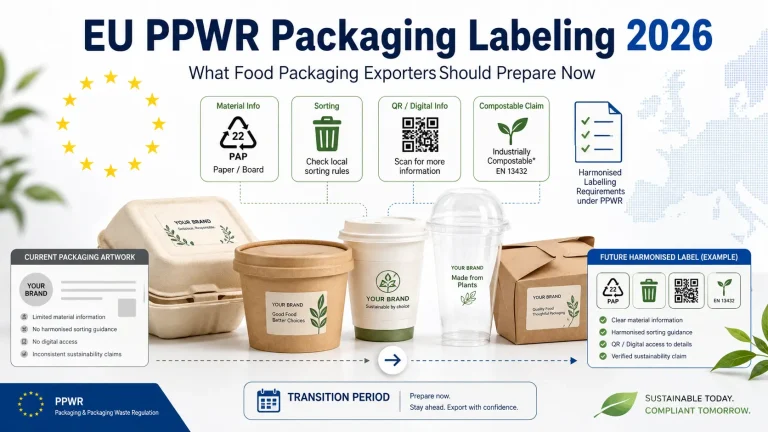
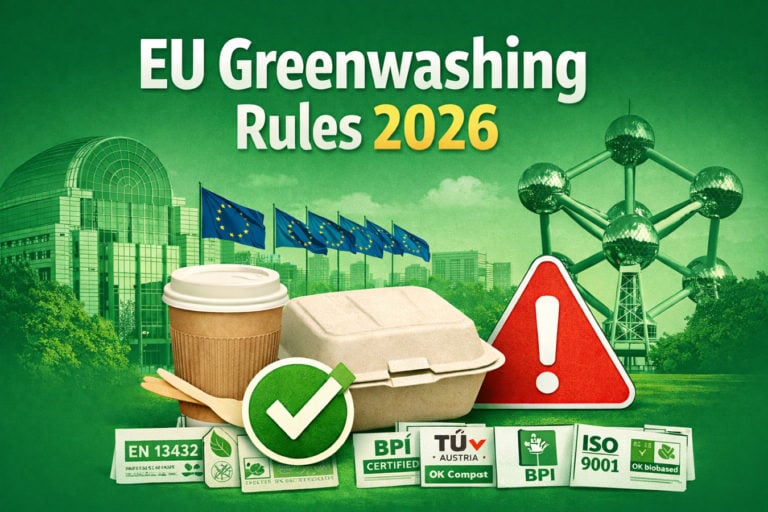
Global plastic restrictions are no longer focused only on banning specific disposable products. In 2026, food packaging regulations are increasingly moving toward compliance verification, recycling responsibility, data reporting, reverse logistics, recycled-content calculation, and clearer sustainability claims. For restaurants, importers, distributors, and foodservice operators, packaging procurement now requires a careful review of material performance, certifications, end-of-life systems, and supplier documentation.

Green Packaging — Quick Summary
  • Items displayed (articles): 12
  • Last updated: 2026-07-09
  • Includes test data, compliance guides, buyer FAQs, and real-world use cases.

Editor’s Picks: Top Green Packaging Guides 2026

FAQ of Bioleader's Eco-friendly Disposable Tableware

They cannot take away hot foods?

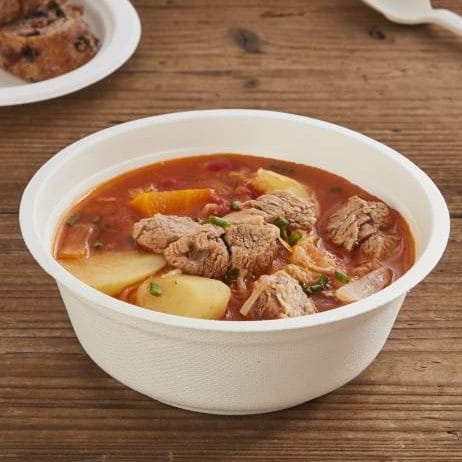
Yes, of course , Green Packaging. These salad bowls kraft paper and can take hot food as well as cold food, hence usable for a range of dishes.

Do the lids fit in place as they are meant to?

Yes, the lids form a firm seal; there is no slippage nor escape of food once food is packed inside, even during transit.

Are they safe for microwave heating?

Yes, these compostable bowls can be used in the microwave to reheat the food in the same container in which it was packed , Green Packaging.

What Are PLA Cups Made Of?

Polylactic Acid (PLA) is a biodegradable, bio-based thermoplastic polyester derived primarily from renewable plant resources like corn starch, sugarcane, or cassava roots. The production process involves fermenting these plant sugars into lactic acid, subsequently polymerized to form PLA. Its high transparency, aesthetic appeal, and structural versatility have positioned PLA as a dominant material in the compostable packaging industry, including cold beverage cups and clear lids. Compostable PLA Cups , Green Packaging.

Advantages

Renewable and Sustainable: Made from annually renewable sources, reducing reliance on petroleum-based plastics. Industrial Compostability: Breaks down into water and carbon dioxide within 60-90 days in commercial composting facilities. Aesthetic Appeal: Offers excellent clarity, comparable to traditional PET plastic.

Related Insights

🚀Ready to Go Green and Choose ?

Join the global movement toward zero-waste packaging.


Bioleader® offers:

  • 📦 Bulk order support & fast delivery

  • ✍️ Custom branding and OEM solutions

  • 🌍 Worldwide eco-packaging compliance

Get the Catalogue Products List  & Contact Us Now! 👉

Contact us Below

Click or drag files to this area to upload.You can upload up to 5 files.
The more details you share, the faster and more accurate our quotation will be.